What Is 17 4 Stainless Steel
What Is 17 4 Stainless Steel
What is 17-4 stainless steel? How does it differ from common 304 and 316 stainless steels? This article will provide an in-depth analysis of 17-4 stainless steel's composition, performance characteristics, and its corrosion resistance properties.
17-4 stainless steel, also known as 17-4PH, is a precipitation-hardening martensitic stainless steel. Its name derives from its primary chemical composition: approximately 17% chromium and 4% nickel, along with elements such as copper and niobium. These components confer unique properties upon 17-4 stainless steel, combining high strength with excellent corrosion resistance.
In industrial applications, 17-4 stainless steel is renowned for its outstanding mechanical strength and corrosion resistance. It is widely used in aerospace, chemical equipment, pump bodies, valves, and the oil and gas industry. Compared to ordinary carbon steel, it offers superior rust resistance, but proper selection and use based on the actual environment remain essential.
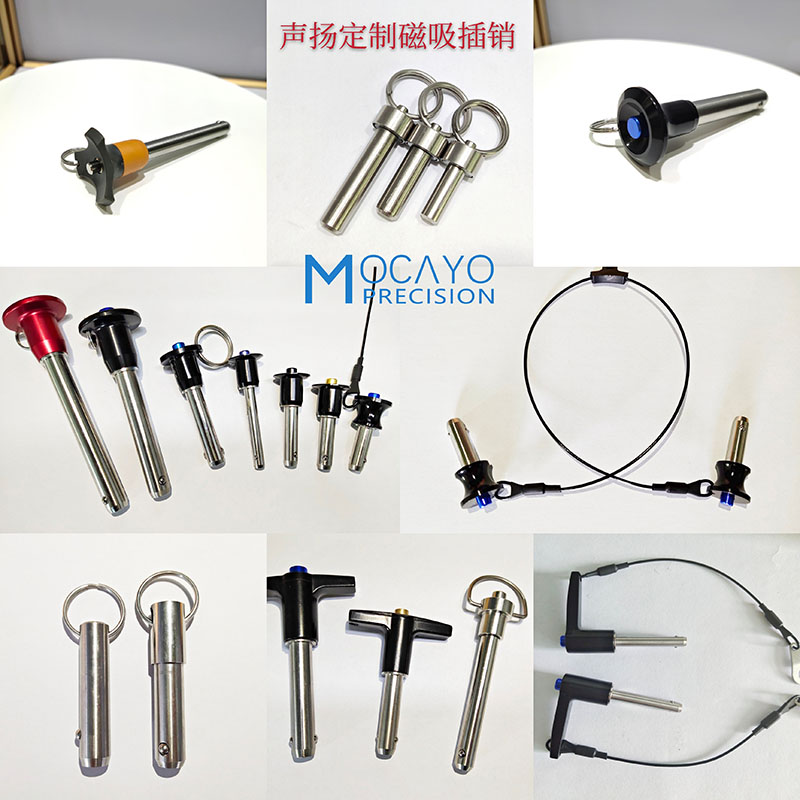
Key Properties of 17-4 Stainless Steel
High Strength and Hardness
After precipitation hardening treatment, 17-4 stainless steel achieves exceptionally high strength and hardness. This characteristic makes it an ideal choice for manufacturing high-load components.
After precipitation hardening treatment, 17-4 stainless steel achieves exceptionally high strength and hardness. This characteristic makes it an ideal choice for manufacturing high-load components.
Excellent Corrosion Resistance
Compared to ordinary alloy steels, 17-4 stainless steel demonstrates superior corrosion resistance in most environments, particularly in freshwater, marine atmospheres, and weakly acidic or alkaline conditions.
Compared to ordinary alloy steels, 17-4 stainless steel demonstrates superior corrosion resistance in most environments, particularly in freshwater, marine atmospheres, and weakly acidic or alkaline conditions.
Heat Treatment Adjustability
The properties of 17-4 stainless steel can be tailored through heat treatment, allowing flexible selection between strength, toughness, and corrosion resistance. This adaptability is a key distinguishing feature from common 304 and 316 stainless steels.
The properties of 17-4 stainless steel can be tailored through heat treatment, allowing flexible selection between strength, toughness, and corrosion resistance. This adaptability is a key distinguishing feature from common 304 and 316 stainless steels.
When discussing stainless steel, rust corrosion inevitably comes up. Rust is an oxidation reaction that occurs when iron or steel comes into contact with environmental factors such as moisture, oxygen, and salt, manifesting as reddish-brown rust on the surface.
Compared to ordinary carbon steel, 17-4 stainless steel contains a higher proportion of chromium, enabling it to form a dense passivation layer on its surface. This layer acts as a barrier, preventing further corrosion of the metal by the external environment. Consequently, it demonstrates excellent resistance to rust corrosion.
However, it is important to note that prolonged exposure to strong acids, strong alkalis, or environments with high chloride ion concentrations—such as seawater or highly corrosive chemical media—can still lead to pitting or crevice corrosion in 17-4 stainless steel. Therefore, the material's suitability must be evaluated based on actual operating conditions before use.
Disadvantages of 17-4 Stainless Steel
Relatively Low Toughness
Compared to austenitic stainless steels (such as 304 and 316), 17-4 stainless steel exhibits poorer toughness at low temperatures.
Compared to austenitic stainless steels (such as 304 and 316), 17-4 stainless steel exhibits poorer toughness at low temperatures.
Limited Resistance to Harsh Corrosive Environments
Pitting or intergranular corrosion may still occur in strong acid, strong alkali, or high salt spray environments.
Pitting or intergranular corrosion may still occur in strong acid, strong alkali, or high salt spray environments.
Higher Cost
Compared to ordinary steel, 17-4 stainless steel carries a higher price tag, requiring a balance between performance and cost.
Compared to ordinary steel, 17-4 stainless steel carries a higher price tag, requiring a balance between performance and cost.
How to Prevent Rust Corrosion
Even with high-performance stainless steel like 17-4, corrosion risks cannot be entirely eliminated. The following measures help extend its service life:
Proper Material Selection: In general industrial environments, 17-4 stainless steel is a suitable choice; in high-salt or high-chloride environments, 316 stainless steel is recommended.
Surface Treatment: Processes such as polishing, electroplating, or coating enhance corrosion resistance.
Regular Maintenance: Clean surface contaminants and avoid prolonged exposure to highly corrosive media.
Through these measures, 17-4 stainless steel maintains stable performance under harsher conditions, minimizing damage caused by rust corrosion. Understanding what is 17 4 stainless steel helps you choose smarter. Strong, versatile stainless steel fasteners crafted to withstand corrosion and heavy loads.
What Is POM
What Is Stainless Steel 316