What Is 304 Stainless Steel
What Is 304 Stainless Steel? A Comprehensive Guide
Introduction
What is 304 stainless steel? This question arises frequently in the world of metallurgy, construction, manufacturing, and even in everyday kitchen applications. 304 stainless steel is arguably the most commonly used stainless steel in the world. It is renowned for its excellent corrosion resistance, durability, and ease of fabrication. In this comprehensive news-style article, we will explore what is 304 stainless steel in detail, examining its composition, properties, uses, advantages, and comparisons with other stainless steel types.
What is 304 stainless steel? Learn about its corrosion-resistant properties and applications in industrial, automotive, and machinery fields. Discover how it ensures durability and performance.
1. Understanding Stainless Steel: The Basics
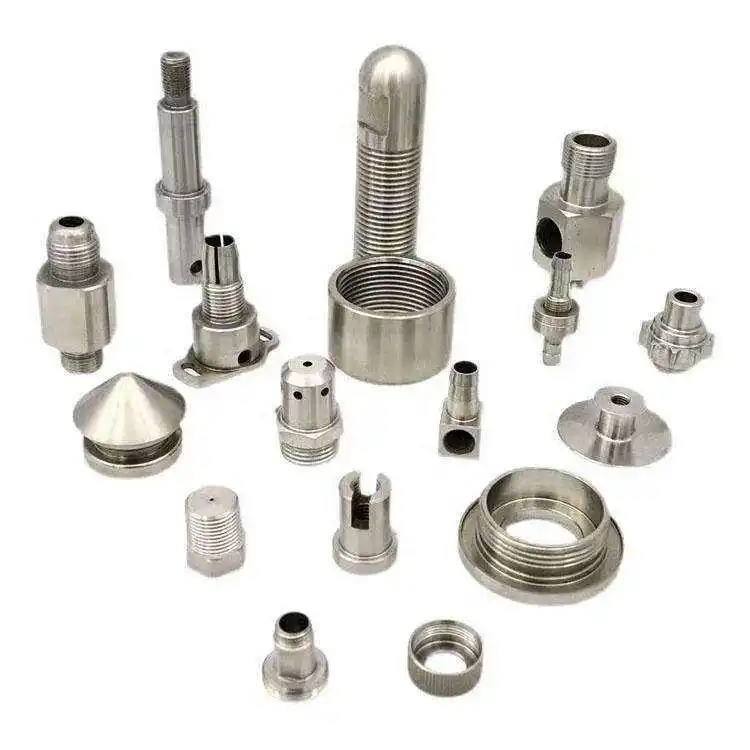
Before delving into what is 304 stainless steel, it's essential to understand what stainless steel itself is. Stainless steel is an alloy primarily composed of iron, with a minimum of 10.5% chromium content. This chromium creates a passive layer of chromium oxide on the surface, which prevents rust and corrosion. There are various grades of stainless steel, each designed for specific uses, and among them, 304 stainless steel is the most popular.
2. What Is 304 Stainless Steel Made Of?
To understand what is 304 stainless steel, we must look at its chemical composition. It typically contains:
-
Chromium (18-20%): Provides corrosion resistance.
-
Nickel (8-10.5%): Improves formability and toughness.
-
Carbon (Max 0.08%): Enhances hardness while keeping the steel ductile.
-
Manganese, Silicon, Phosphorus, Sulfur: Present in minor quantities to improve specific properties.
The balanced composition of 304 stainless steel makes it suitable for a wide range of applications, making the question "What is 304 stainless steel?" relevant across various industries.
3. Physical and Mechanical Properties of 304 Stainless Steel
When answering the question, "What is 304 stainless steel?", it’s important to highlight its physical and mechanical traits:
-
Tensile Strength: ~505 MPa
-
Yield Strength: ~215 MPa
-
Elongation: ~40%
-
Density: 8.0 g/cm3
-
Melting Point: 1400-1450°C
These properties contribute to its reliability and adaptability in construction, automotive, medical, and kitchen applications.
4. Corrosion Resistance: A Key Feature
What is 304 stainless steel if not a material known for its superior corrosion resistance? The high chromium and nickel content provide excellent resistance against oxidation and corrosion. It performs well in a variety of environments, including atmospheric and moderately acidic conditions. However, in highly saline or chloride-rich environments, it may not perform as well as 316 stainless steel, which has added molybdenum.
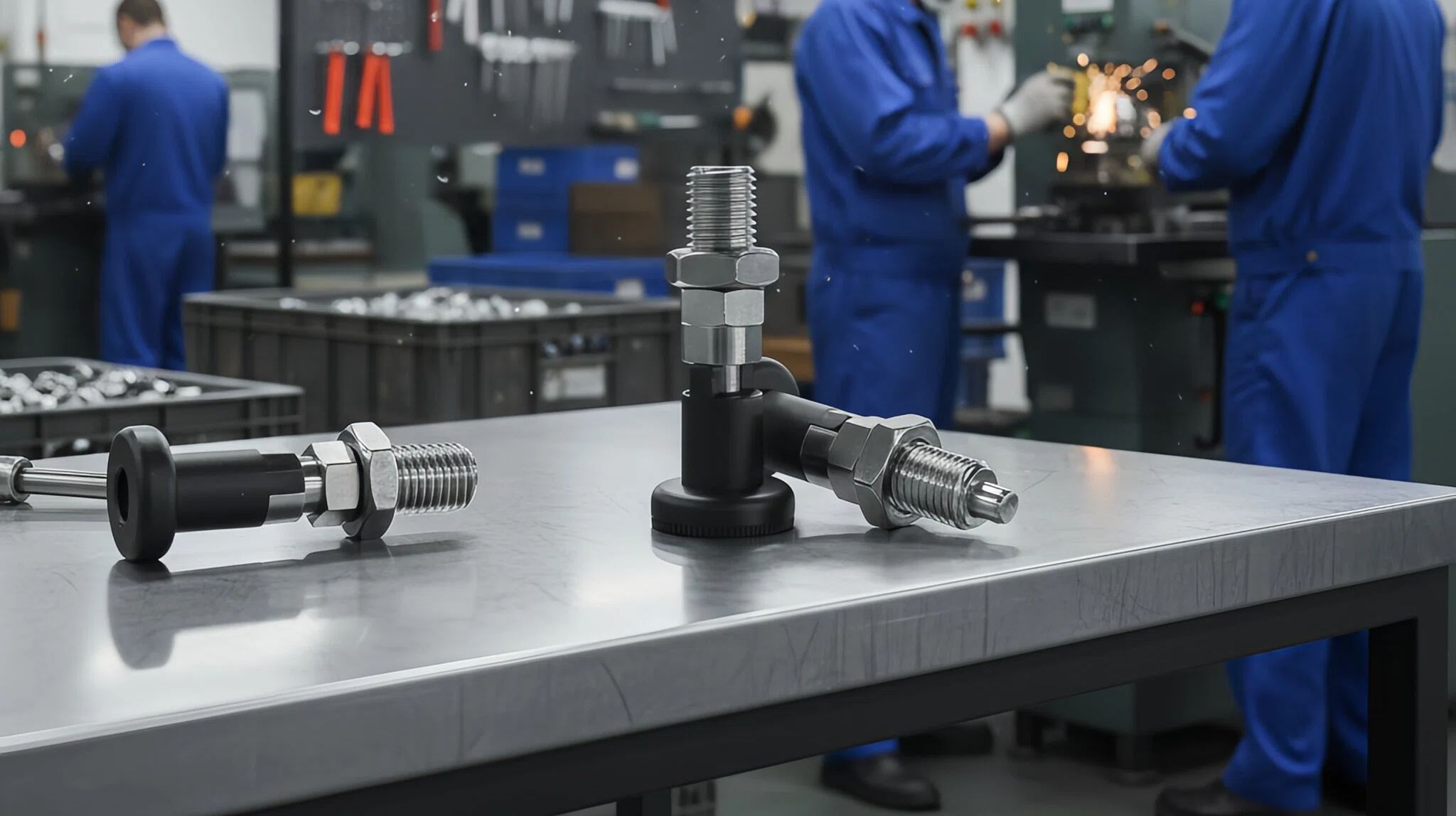
5. Applications of 304 Stainless Steel
To fully grasp what is 304 stainless steel, one must explore where and how it is used. Its adaptability allows it to be used in:
-
Architecture and Construction: Roofing, cladding, structural applications
-
Food and Beverage Industry: Storage tanks, kitchen sinks, and cutlery
-
Medical Field: Surgical instruments, implants
-
Automotive and Aerospace: Exhaust manifolds, structural parts
Its hygienic properties and ease of cleaning make it ideal for environments where cleanliness is essential.
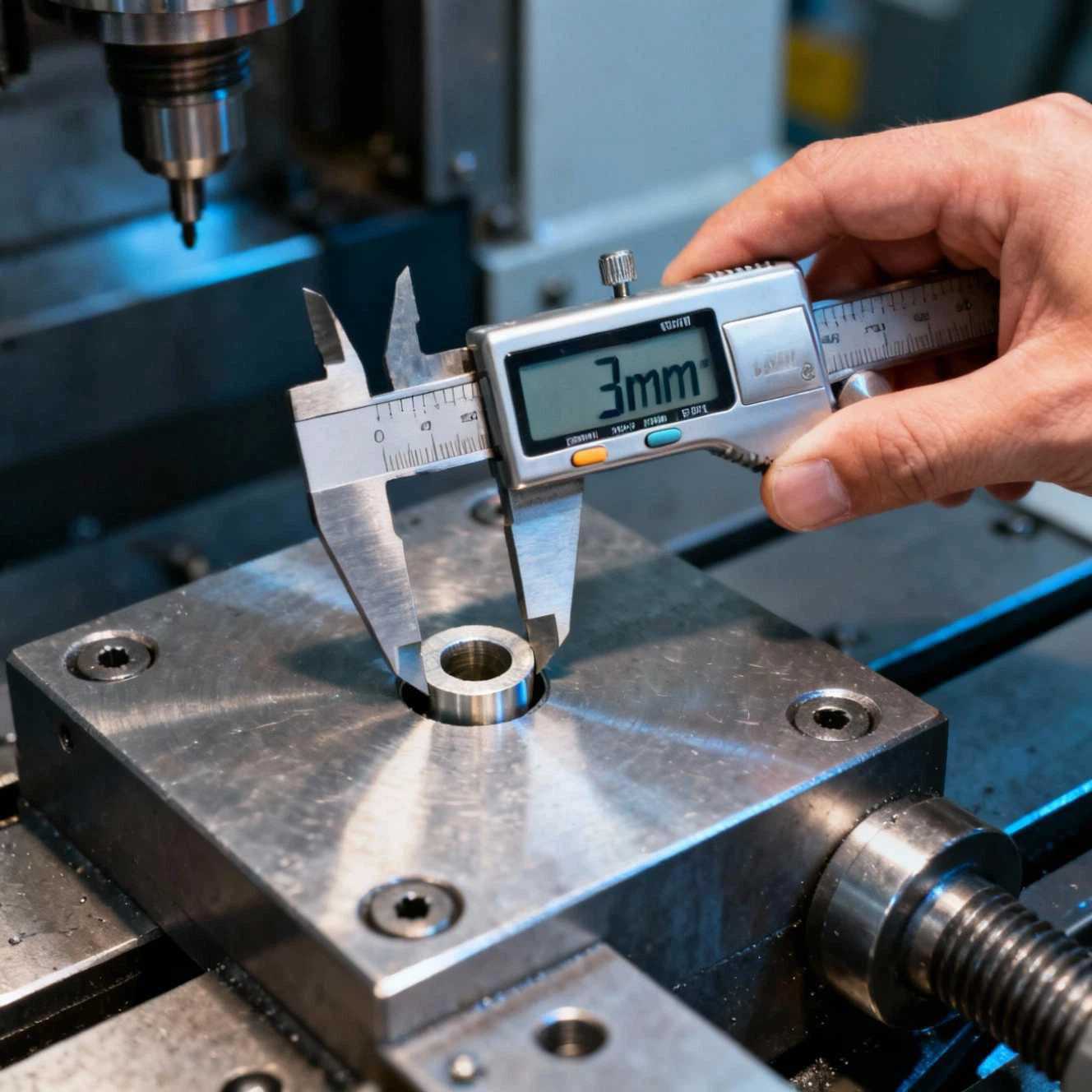
6. Fabrication and Welding
What is 304 stainless steel in terms of workability? It’s one of the easiest stainless steels to fabricate and weld. It can be easily machined, deep drawn, and formed into complex shapes without compromising its structural integrity. Welding 304 stainless steel is straightforward and does not usually require post-weld annealing.
7. Variants of 304 Stainless Steel
Understanding what is 304 stainless steel also involves knowing its variants:
-
304L Stainless Steel: Lower carbon version, reduces risk of corrosion after welding.
-
304H Stainless Steel: Higher carbon content for high-temperature applications.
Each variant caters to specific industrial needs while maintaining the core characteristics of standard 304 stainless steel.
8. Advantages of 304 Stainless Steel
When discussing what is 304 stainless steel, we must emphasize its advantages:
-
Excellent corrosion resistance
-
Good formability and weldability
-
Hygienic and easy to clean
-
Aesthetic appeal with a shiny finish
-
Cost-effective compared to other grades
These advantages make it a top choice in numerous fields.
9. Limitations and Considerations
What is 304 stainless steel not suitable for? Despite its versatility, it has limitations:
-
Not suitable for marine environments without frequent maintenance
-
Can suffer from stress corrosion cracking
-
Less resistant to strong acids compared to other grades
Understanding these limitations is crucial when selecting materials for specialized environments.
10. Comparing 304 with Other Stainless Steels
To better understand what is 304 stainless steel, comparing it with other common types helps:
-
304 vs. 316: 316 contains molybdenum and offers better resistance to chlorides.
-
304 vs. 430: 430 is ferritic, magnetic, and less expensive but also less corrosion-resistant.
-
304 vs. 201: 201 is cheaper, with lower nickel content, making it less corrosion-resistant.
Each grade serves different purposes, but 304 remains the go-to for balanced performance.
So, what is 304 stainless steel? It is a versatile, reliable, and widely used stainless steel grade with excellent corrosion resistance, mechanical strength, and formability. Its balanced composition and performance have made it a cornerstone in industries ranging from construction and food processing to healthcare and automotive engineering. Whether you're a manufacturer, engineer, architect, or a curious consumer, understanding what is 304 stainless steel can help you make informed decisions about material selection.
In conclusion, answering the question "What is 304 stainless steel?" requires a thorough look at its composition, features, benefits, applications, and limitations. As industries evolve and new materials emerge, 304 stainless steel continues to stand the test of time, offering a perfect blend of functionality, durability, and affordability. If you find yourself choosing materials for your next project, you now know exactly what is 304 stainless steel and why it might just be the perfect fit.
What Is The Best Stainless Steel
What Is Stainless Steel