What Is Copper
What Is Copper
Copper is an indispensable metallic material in modern industry and everyday life. People often type what is copper into a search engine to learn more about the properties and uses of this material. Copper is not only widely used in the fields of electrical engineering, construction and machinery manufacturing, but also plays an important role in some precision parts such as copper spring plunger. In this article, we will start from the basic concepts, properties and applications of copper, and bring you a systematic understanding of copper as a metal.

Definition of Copper
Copper (chemical symbol Cu) is a metal with a long history of application. It belongs to the transition elements and exhibits a reddish-yellow metallic luster. Not only is it one of the earliest metals used by humans, but it also remains an extremely important material in modern industry. When users search for “what is copper,” they typically seek to understand its fundamental properties and how it differs from other metals.
Copper (chemical symbol Cu) is a metal with a long history of application. It belongs to the transition elements and exhibits a reddish-yellow metallic luster. Not only is it one of the earliest metals used by humans, but it also remains an extremely important material in modern industry. When users search for “what is copper,” they typically seek to understand its fundamental properties and how it differs from other metals.
Physical and Chemical Properties
Copper's most notable characteristics are its exceptional electrical and thermal conductivity, second only to silver. It exhibits excellent ductility, allowing it to be drawn into extremely fine wires or forged into components of various shapes. Chemically, copper is relatively stable, rarely reacting violently with water or most acids. However, it gradually oxidizes in air, forming a protective layer of blue-green patina (basic copper carbonate) on its surface. This layer prevents deeper corrosion.
Copper's most notable characteristics are its exceptional electrical and thermal conductivity, second only to silver. It exhibits excellent ductility, allowing it to be drawn into extremely fine wires or forged into components of various shapes. Chemically, copper is relatively stable, rarely reacting violently with water or most acids. However, it gradually oxidizes in air, forming a protective layer of blue-green patina (basic copper carbonate) on its surface. This layer prevents deeper corrosion.
Forms of Occurrence
In nature, copper is commonly found in ore form, such as chalcopyrite and bornite. Through smelting and refining, pure copper or alloys with other metals—like brass (copper and zinc) and bronze (copper and tin)—can be obtained. These alloys serve important purposes across diverse fields.
In nature, copper is commonly found in ore form, such as chalcopyrite and bornite. Through smelting and refining, pure copper or alloys with other metals—like brass (copper and zinc) and bronze (copper and tin)—can be obtained. These alloys serve important purposes across diverse fields.
When users search for “what is copper,” they seek not only its definition but also its practical applications. Copper plays an exceptionally diverse role in industrial production and daily life:
- Electrical and Electronic Industries: Due to its excellent electrical conductivity, copper is extensively used in manufacturing cables, wires, motor windings, and electronic components.
- Construction Industry: Copper pipes are used in plumbing systems, while copper sheets serve as roofing and exterior wall cladding.
- Machinery Manufacturing: Copper materials are employed to produce bearings, friction components, and certain mechanical parts.
- Art and Decoration: Copper showcases unique texture and color in sculptures, crafts, and home décor.
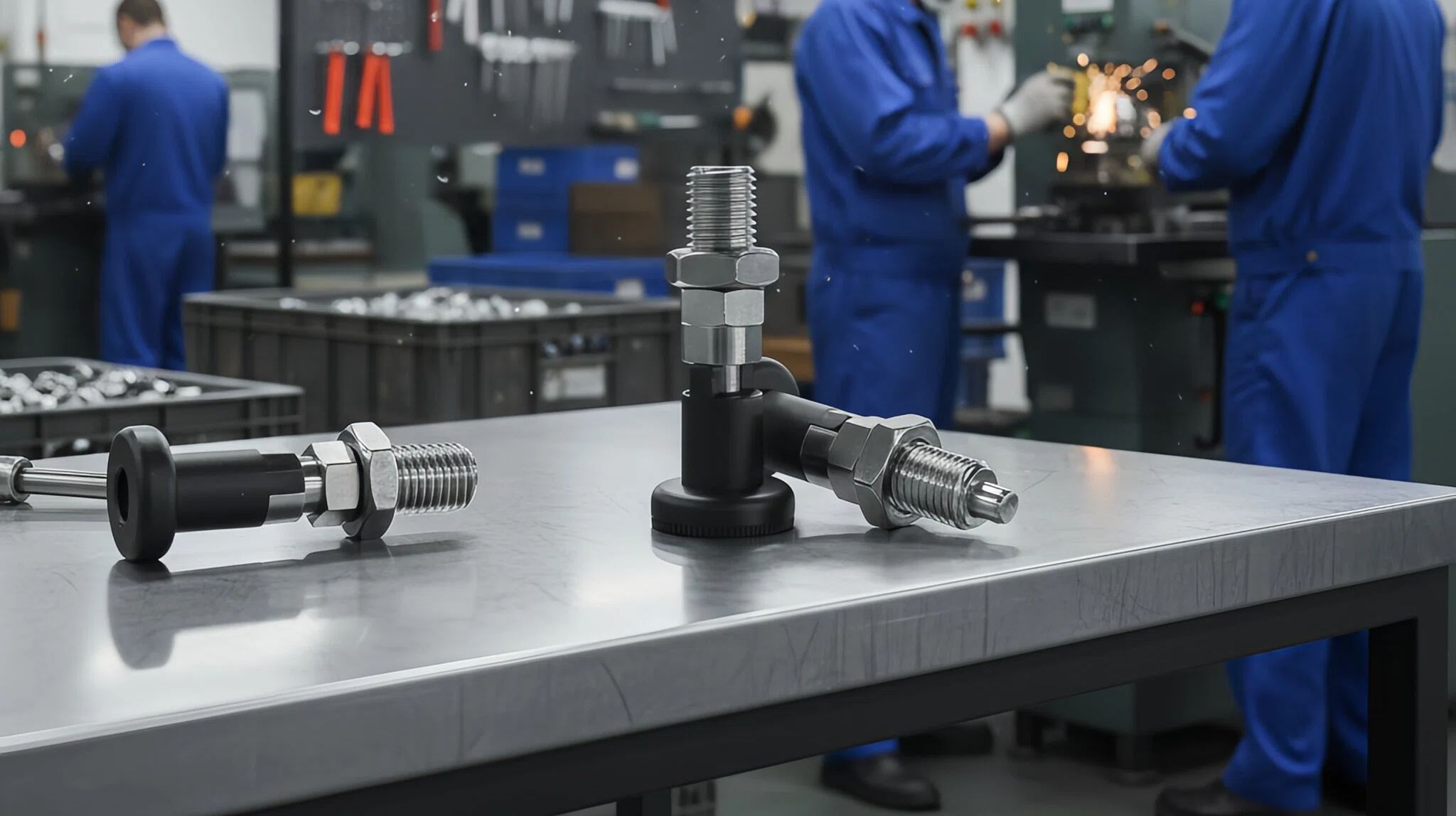
- Precision Components: In mechanical structures, copper parts like copper spring plungers provide reliable positioning and wear resistance.
Advantages of Copper
Superior electrical and thermal conductivity: This is a key reason copper remains irreplaceable in the electrical industry.
High corrosion resistance: The naturally formed oxide layer on its surface protects the material's interior.
Excellent malleability and ductility: It can be easily drawn, rolled, and forged.
Antimicrobial Properties: Copper ions effectively eliminate certain bacteria, making it ideal for medical devices and public touchpoints.
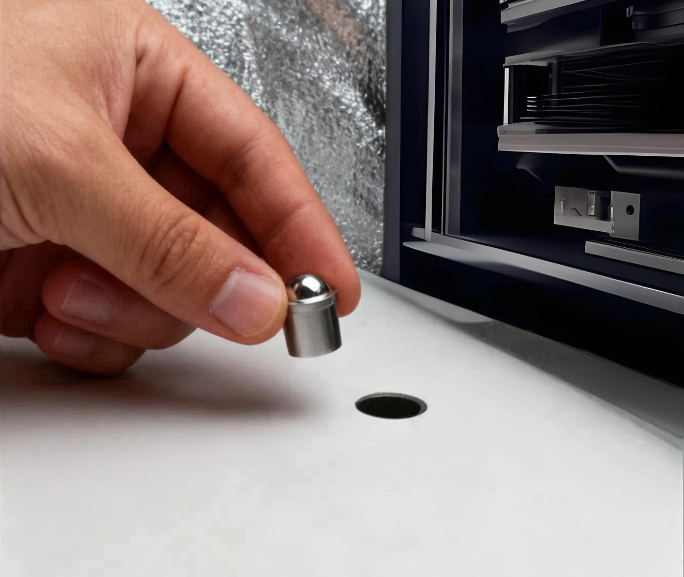
These advantages also influence component design in specific applications. For instance, copper spring plungers leverage copper's wear resistance and dimensional stability to achieve precise mechanical positioning.

Disadvantages of Copper
High density and weight: Less suitable than aluminum for lightweight applications.
Higher Cost: Copper's price significantly exceeds that of some common metals, leading to substitution in certain applications.
Limited Strength: Pure copper's mechanical strength falls short of steel and requires alloying for enhancement.
Prone to oxidation and discoloration: While the resulting verdigris protects the surface, it may compromise decorative aesthetics.
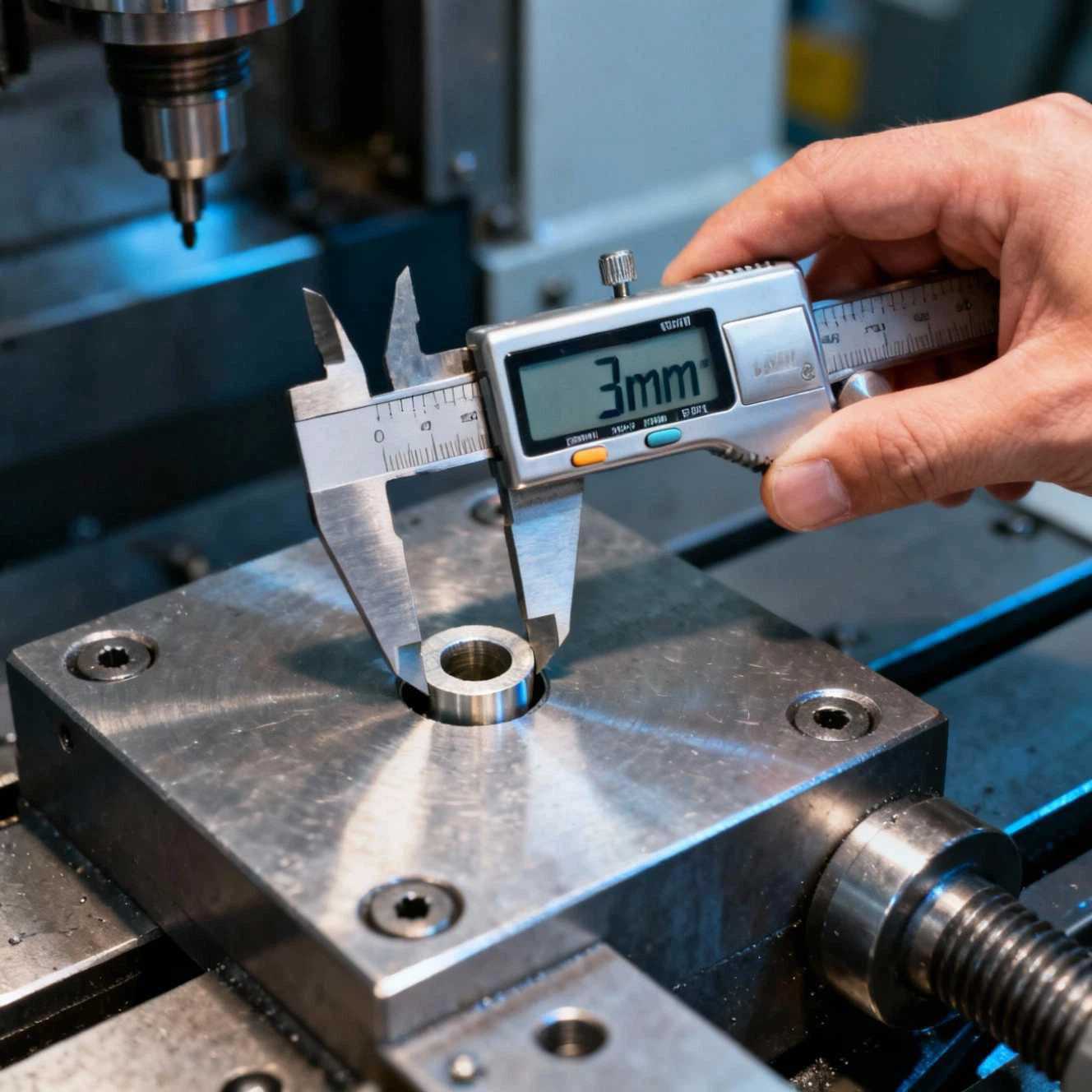
What is copper known for? High conductivity and strength. Our copper spring plunger leverages these qualities to ensure smooth alignment and secure positioning.
What Is PA Plastic
What Is POM