What Is POM
Table of Contents
- 1. What Is POM (Definition)
- 2. POM Spring Loaded Detents
- 3. POM as Engineering Plastic
- 4. Key Characteristics of POM
- 4.1 High Mechanical Strength
- 4.2 Wear Resistance & Lubrication
- 4.3 Dimensional Stability
- 4.4 Electrical Insulation
- 5. Disadvantages of POM
- 5.1 Limited High-Temp Resistance
- 5.2 Insufficient Chemical Resistance
- 5.3 Difficult Bonding & Coating
- 5.4 Limited Weather Resistance
- 5.5 Conclusion on Limitations
- 6. Applications of POM
What Is POM
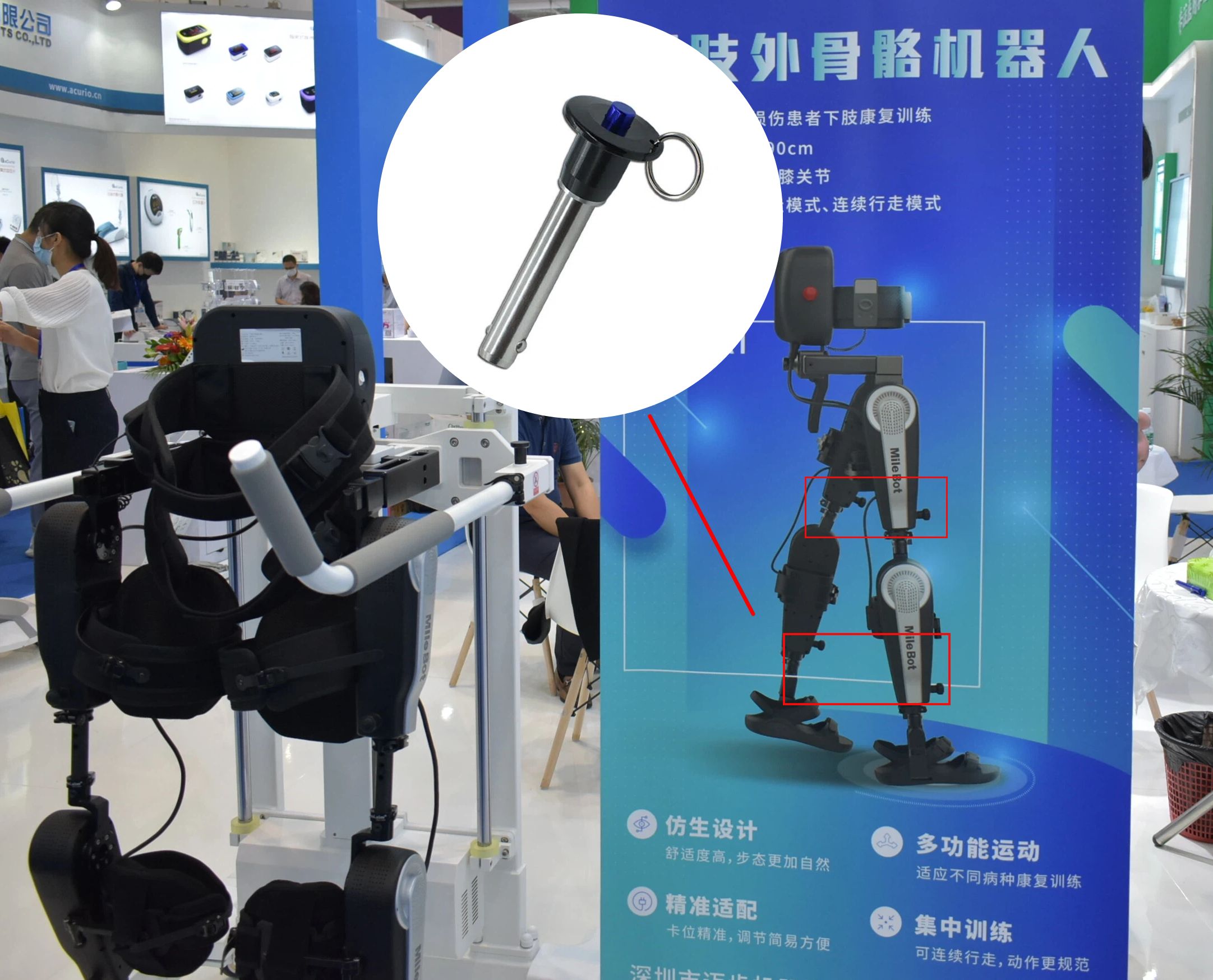
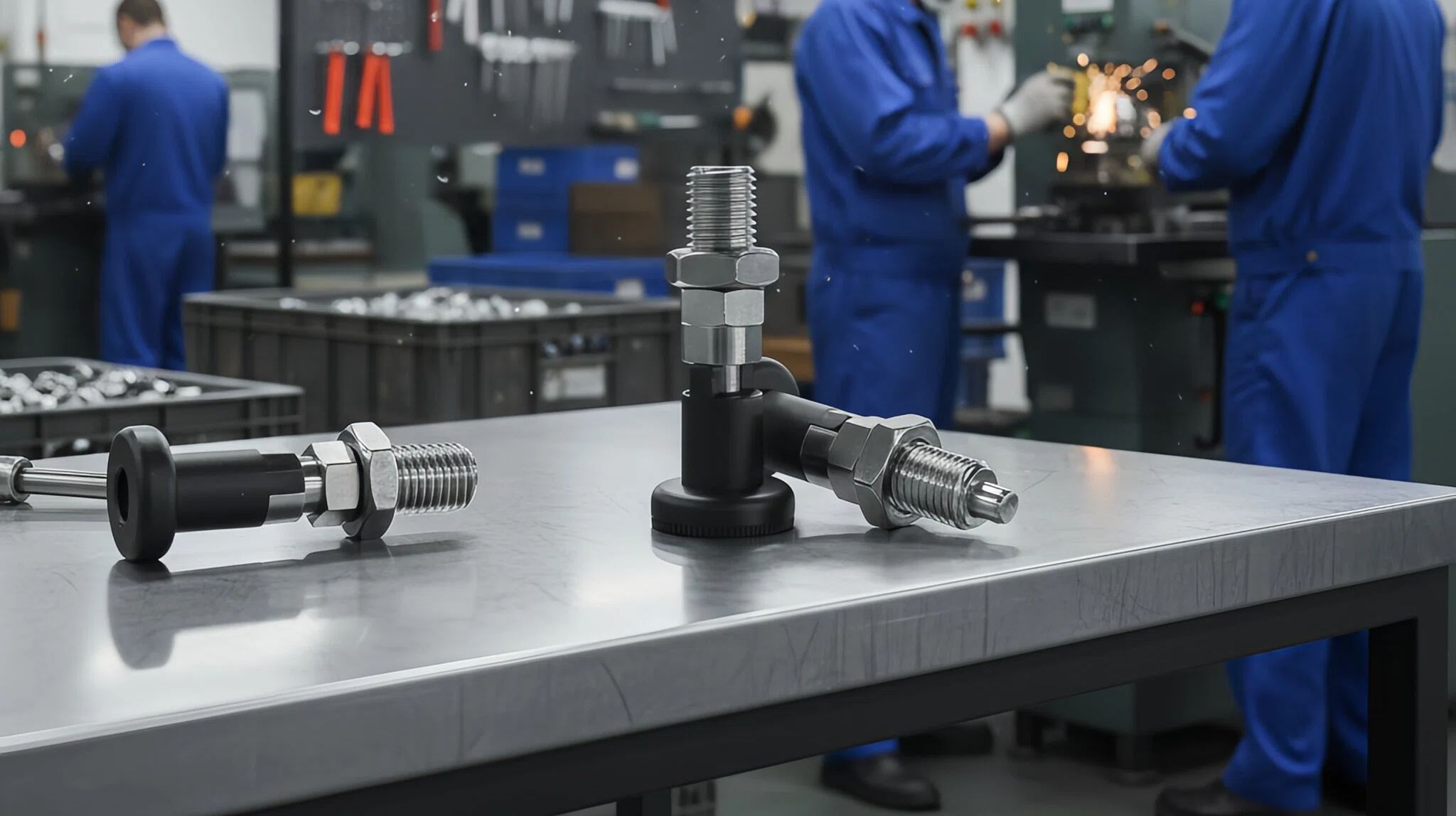
POM, scientifically known as Polyoxymethylene, is a crystalline thermoplastic engineering plastic. Commonly referred to as “acetal resin,” it is also colloquially called “Acetal” within the industry. This material, prized for its metal-like strength and hardness, finds extensive applications in mechanical components, automotive parts, electronic components, and various consumer goods. Wondering what is POM? It’s a strong engineering plastic. Our POM spring plunger delivers excellent durability, wear resistance, and lightweight design.

When understanding what POM is, it should not be viewed as just an ordinary plastic. POM falls under the category of engineering plastics, combining high mechanical strength, excellent wear resistance, and good dimensional stability. These properties make it highly popular in the production of precision parts such as spring plungers, ball plungers, index plunger.
Understand what is POM and its role in industrial design. Our POM spring plunger combines strength, easy installation, and efficient performance.
Key Characteristics of POM
- High Mechanical Strength and Hardness
POM exhibits strength comparable to certain light metals, performing exceptionally well under sustained loads and repeated impacts.
- Excellent Wear Resistance and Self-Lubricating Properties
With its low coefficient of friction, POM excels in sliding friction applications without requiring additional lubricants. It is ideal for components such as gears, sprockets, and bearings.
- Excellent Dimensional Stability
Compared to many plastics, POM exhibits low moisture absorption, maintaining stable dimensions even in environments with fluctuating humidity. This makes it particularly suitable for precision components.
- Good Electrical Insulation Properties
POM is an excellent insulator, widely used in electronic components and electrical insulation fittings.
Among these characteristics, its “metal-like” performance stands out most prominently. This is why Polyoxymethylene is often referred to as “Acetal.”
Disadvantages of POM
POM's long-term operating temperature generally does not exceed 100°C-120°C, and its performance degrades rapidly in high-temperature environments.
POM exhibits poor stability and is susceptible to corrosion in strong acids, strong alkalis, and certain solvents.
Due to its low surface energy, surface treatment of POM is challenging, making it unsuitable for applications requiring coatings or adhesives.
When exposed to prolonged UV radiation or outdoor conditions, POM tends to age and become brittle, limiting its use primarily to indoor and mechanical structural components.
Applications of POM
Mechanical Industry: Gears, bearings, cams, sliders, and other moving components.
Automotive Industry: Fuel system components, seat adjustment mechanisms, motor parts.
Electronics & Electrical: Sockets, switches, insulating brackets, connectors.
Consumer Goods: Zipper pulls, pen refill components, precision sliding fittings.
For these reasons, many individuals researching “what is POM” consider its suitability based on specific application requirements.
What Is Copper
What Is 17 4 Stainless Steel