Can Self Locking Plunger Handle Large Production Runs
Can Self-Locking Plungers Handle Large Production Runs? A Detailed Analysis
Self-locking plungers are widely used in various industries for their ability to provide secure and repeatable positioning. These components are essential in applications requiring precise alignment and reliable fastening. However, a common question arises: Can self-locking plungers handle large production runs? This article explores the capabilities, advantages, and potential challenges of using self-locking plungers in high-volume manufacturing environments.
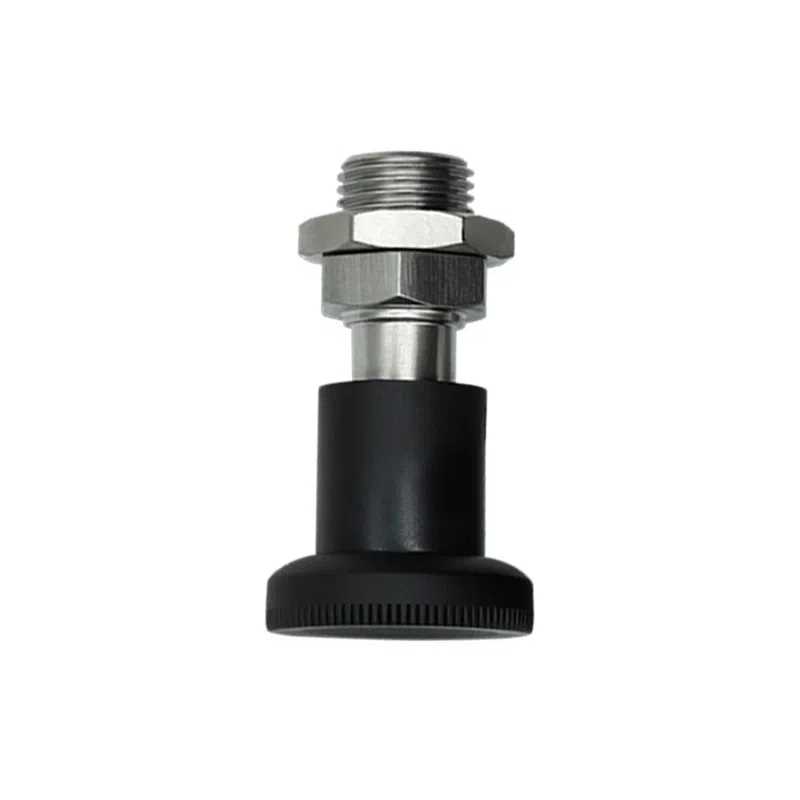
1. Understanding Self-Locking Plungers
Mechanism:
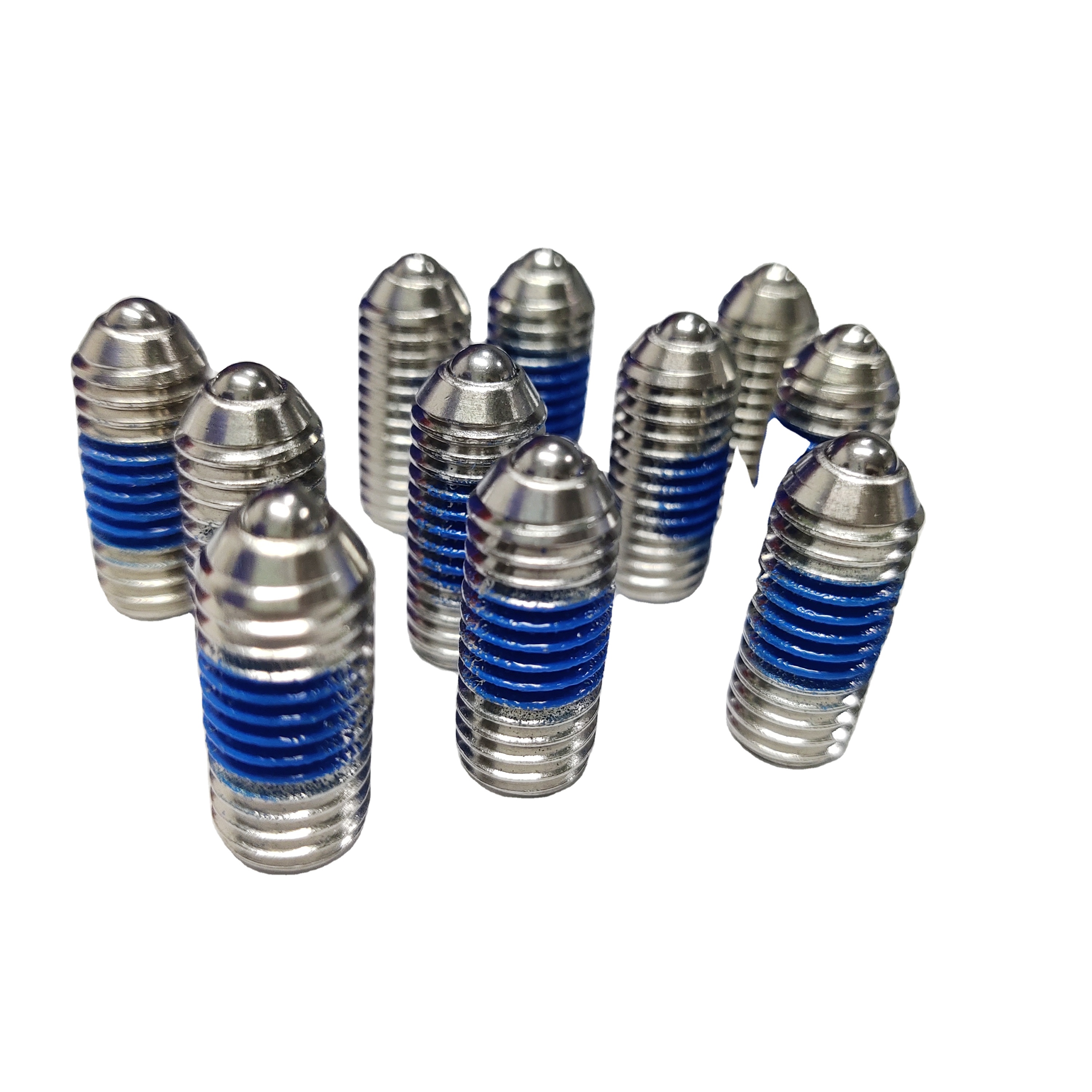
Self-locking plungers feature a spring-loaded mechanism that allows them to lock into detent holes or grooves automatically. Once engaged, they remain securely in place until manually released. This mechanism ensures consistent and reliable positioning, making them ideal for applications requiring frequent adjustments.
Components:
A typical self-locking plunger consists of a threaded body, a spring-loaded plunger, and a locking mechanism. The threaded body allows for easy installation into pre-tapped holes, while the spring-loaded plunger provides the necessary force to maintain the lock.
2. Advantages of Self-Locking Plungers in Large Production Runs
Consistency and Reliability:
Self-locking plungers offer consistent and reliable performance, which is crucial for large production runs. Their ability to maintain precise positioning ensures that each part is accurately aligned, reducing the risk of errors and improving overall product quality.
Ease of Use:
The self-locking mechanism allows for quick and easy engagement and disengagement, making them user-friendly and efficient for high-volume production. This ease of use can significantly reduce assembly time and labor costs.
Durability:
Made from high-quality materials such as stainless steel, brass, or plastic, self-locking plungers are designed to withstand the rigors of large production runs. Their durability ensures long service life and minimal maintenance, contributing to lower operational costs.
3. Potential Challenges and Considerations
Wear and Tear:
In high-volume production environments, the frequent engagement and disengagement of self-locking plungers can lead to wear and tear over time. Regular inspection and maintenance are essential to ensure consistent performance and prevent unexpected failures.
Material Selection:
Choosing the right material for self-locking plungers is critical in large production runs. Materials must be selected based on the specific application requirements, including load capacity, environmental conditions, and desired lifespan. For example, stainless steel plungers offer excellent corrosion resistance and durability, making them suitable for harsh environments.
Precision and Tolerances:
Maintaining tight tolerances and precise alignment is crucial in large production runs. Any deviation can lead to inconsistencies and defects in the final product. Ensuring that self-locking plungers are properly installed and calibrated is essential to achieve the desired precision.
4. Applications in Large Production Runs
Automotive Industry:
In the automotive industry, self-locking plungers are used in various applications, including assembly jigs, fixtures, and locking mechanisms. Their ability to provide consistent and reliable positioning makes them ideal for high-volume production lines.
Consumer Electronics:
Self-locking plungers are also used in the production of consumer electronics, where precise alignment and secure fastening are essential. Their ease of use and durability make them suitable for the fast-paced and high-volume nature of electronics manufacturing.
Industrial Machinery:
In industrial machinery, self-locking plungers are used to secure and position components during assembly and operation. Their reliability and durability ensure that machinery can operate efficiently and consistently, even in high-volume production environments.
5. Best Practices for Using Self-Locking Plungers in Large Production Runs
Regular Maintenance:
Implementing a regular maintenance schedule to inspect and replace worn-out plungers can help maintain consistent performance and prevent unexpected failures.
Proper Installation:
Ensuring that self-locking plungers are properly installed and calibrated is crucial for achieving the desired precision and reliability. Proper training for operators and technicians can help minimize installation errors.
Material Selection:
Selecting the appropriate material based on the specific application requirements can enhance the performance and lifespan of self-locking plungers in large production runs.
Conclusion
Self-locking plungers are capable of handling large production runs, provided that they are properly selected, installed, and maintained. Their consistency, reliability, and ease of use make them valuable components in high-volume manufacturing environments. By understanding the advantages and potential challenges of using self-locking plungers, manufacturers can make informed decisions to optimize their production processes and ensure high-quality outcomes. As technology continues to advance, new designs and materials are likely to further enhance the capabilities of self-locking plungers, offering even greater versatility and performance in large production runs.
Explore our index plungers and spring loaded retractable locking pins for precise positioning and reliable performance in industrial applications. Durable and efficient, they ensure smooth operation. Contact us today.
What Are The Standard Size For Ball Locking Pin
Can Lock Pins Be Locked With A Key