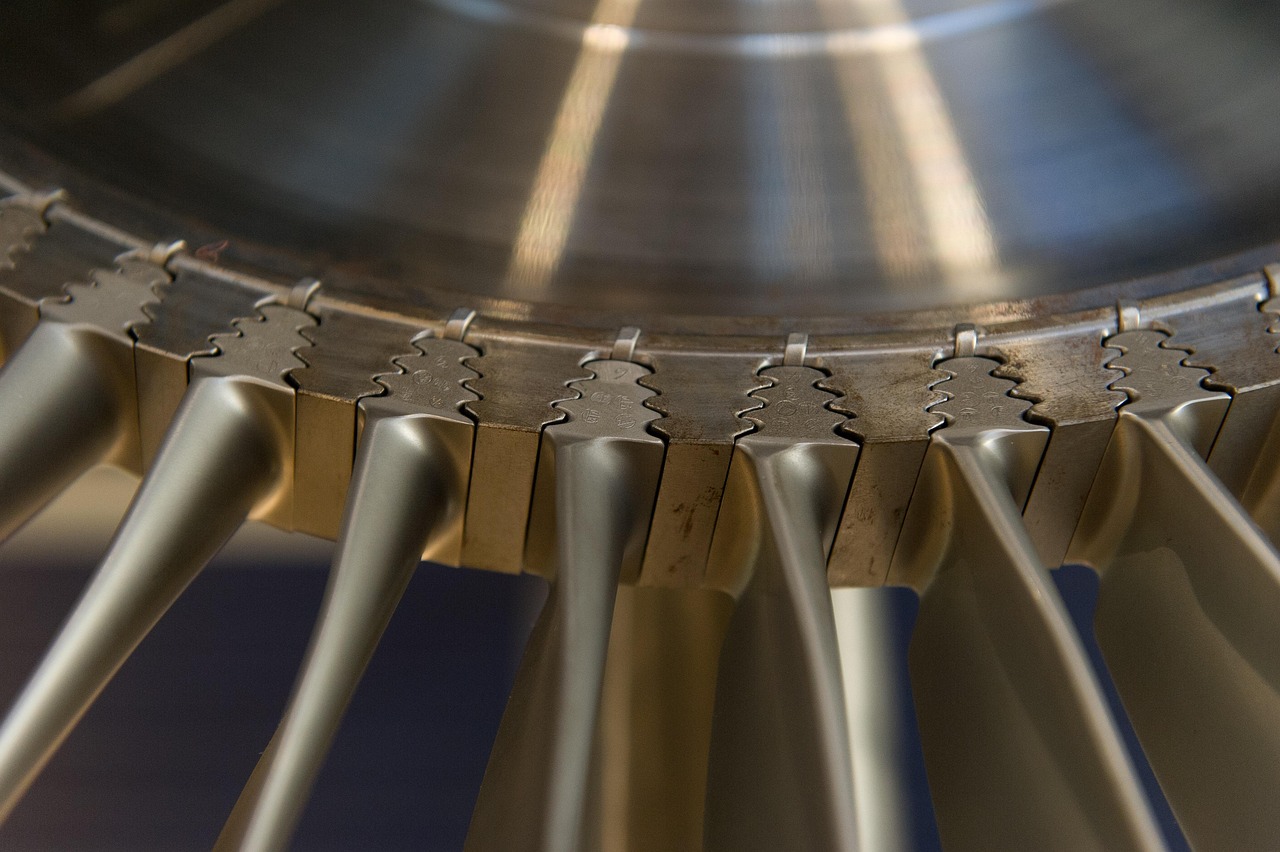
Ball Screw How It Works
Ball Screws: How They Work and Why They’re Revolutionizing Motion Control
Introduction
In the realm of precision engineering and motion control, ball screws stand out as a technological marvel. These devices, which convert rotational motion into precise linear motion, are the backbone of countless industrial and commercial applications. From CNC machines and robotics to aerospace systems and medical devices, ball screws are driving efficiency, accuracy, and reliability in ways that traditional systems simply cannot match. But how do ball screws work, and what makes them so effective? This article explores the inner workings of ball screws, their advantages, and their transformative impact on modern engineering.
What Are Ball Screws?
Ball screws are mechanical linear actuators that consist of a threaded shaft (screw) and a nut containing ball bearings. As the screw rotates, the ball bearings recirculate within the nut, translating rotational motion into smooth, precise linear motion. Unlike lead screws, which rely on sliding friction, ball screws use rolling friction, making them significantly more efficient, durable, and capable of handling high loads with minimal wear.
The Anatomy of a Ball Screw
To understand how ball screws work, it’s essential to break down their key components:
-
The Screw: The screw is a threaded shaft with a helical groove running along its length. This groove serves as the track for the ball bearings to roll along.
-
The Nut: The nut is a cylindrical component that houses the ball bearings. It has a matching helical groove to the screw, allowing the balls to move smoothly between the two.
-
Ball Bearings: The ball bearings are small, spherical elements that roll between the screw and the nut. They are the heart of the ball screw mechanism, enabling smooth motion and reducing friction.
-
Recirculation System: The recirculation system, often consisting of return tubes or deflectors, guides the ball bearings back to the starting point after they complete a cycle. This ensures continuous motion and even distribution of the balls.
How Ball Screws Work: The Mechanics
The operation of a ball screw can be summarized in a few key steps:
-
Rotation of the Screw: When the screw rotates, the ball bearings within the nut are forced to move along the helical grooves.
-
Linear Motion of the Nut: As the balls roll along the grooves, they push the nut in a linear direction. This converts the rotational motion of the screw into linear motion of the nut.
-
Recirculation of the Balls: After completing a cycle, the balls are guided back to the starting point by the recirculation system. This allows for continuous, uninterrupted motion.
The rolling action of the ball bearings reduces friction, resulting in high efficiency and minimal heat generation. This makes ball screws ideal for applications requiring precise and repetitive linear motion.
Advantages of Ball Screws
Ball screws offer numerous advantages over traditional linear motion systems, making them a preferred choice for engineers and designers.
-
High Efficiency: Ball screws can achieve efficiency levels of up to 90%, significantly higher than lead screws. This reduces energy consumption and heat generation, making them ideal for high-performance applications.
-
Precision and Accuracy: The rolling action of the balls ensures smooth and precise motion, with minimal backlash. This makes ball screws suitable for applications requiring high positional accuracy, such as CNC machines and robotics.
-
Durability: The use of ball bearings reduces wear and tear, extending the lifespan of the ball screw. Properly maintained ball screws can operate for thousands of hours without significant degradation.
-
Load Capacity: Ball screws can handle high axial loads, making them suitable for heavy-duty applications such as industrial presses and aerospace systems.
-
Low Maintenance: The recirculating ball design minimizes friction and wear, reducing the need for frequent maintenance. This translates to lower operating costs and increased uptime.
-
Smooth Operation: The rolling motion of the balls ensures smooth and quiet operation, even at high speeds. This is particularly important in applications where noise reduction is critical.
Applications of Ball Screws
Ball screws are used in a wide range of industries and applications, where their precision and reliability are highly valued.
-
CNC Machinery: In computer numerical control (CNC) machines, ball screws are used to control the movement of cutting tools and worktables. Their precision ensures accurate machining and high-quality finished products.
-
Robotics: Ball screws are a key component in robotic arms and actuators, enabling precise and repeatable motion. This is essential for tasks such as assembly, welding, and material handling.
-
Aerospace: In the aerospace industry, ball screws are used in flight control systems, landing gear mechanisms, and satellite positioning systems. Their reliability and durability are critical in these high-stakes applications.
-
Medical Equipment: Ball screws are used in medical devices such as MRI machines, surgical robots, and diagnostic equipment. Their precision and smooth operation ensure accurate and safe performance.
-
Industrial Automation: In automated manufacturing systems, ball screws are used to control the movement of conveyors, pick-and-place machines, and other equipment. Their efficiency and reliability contribute to increased productivity.
-
Automotive: Ball screws are used in automotive manufacturing for tasks such as steering systems, suspension adjustments, and assembly line automation.
Future Trends and Innovations
As industries continue to demand higher precision, efficiency, and reliability, ball screw technology is evolving to meet these needs. Some of the key trends and innovations in the field include:
-
Miniaturization: The development of smaller ball screws for applications in micro-robotics, medical devices, and electronics.
-
Advanced Materials: The use of new materials, such as ceramic balls and coatings, to enhance performance and durability.
-
Smart Ball Screws: Integration of sensors and IoT technology to enable real-time monitoring of ball screw performance, predicting maintenance needs and preventing failures.
-
Energy Efficiency: Continued focus on reducing friction and improving efficiency to meet the growing demand for sustainable and energy-efficient solutions.
Ball screws are a marvel of engineering, combining precision, efficiency, and durability to deliver exceptional performance in a wide range of applications. Their unique design and mechanics make them an essential component in industries that demand reliable and accurate linear motion control.
As technology continues to advance, ball screws will play an increasingly important role in shaping the future of automation, robotics, and precision engineering. Whether in a CNC machine, a robotic arm, or an aerospace system, ball screws are proving to be a driving force behind innovation and progress.
Discover how a ball screw works and how it provides precise motion control in industrial applications. Durable and efficient, it ensures smooth operation. Contact us for custom solutions tailored to your needs.
Index Plunger Pin
What Are Aerospace Fasteners
Related Article