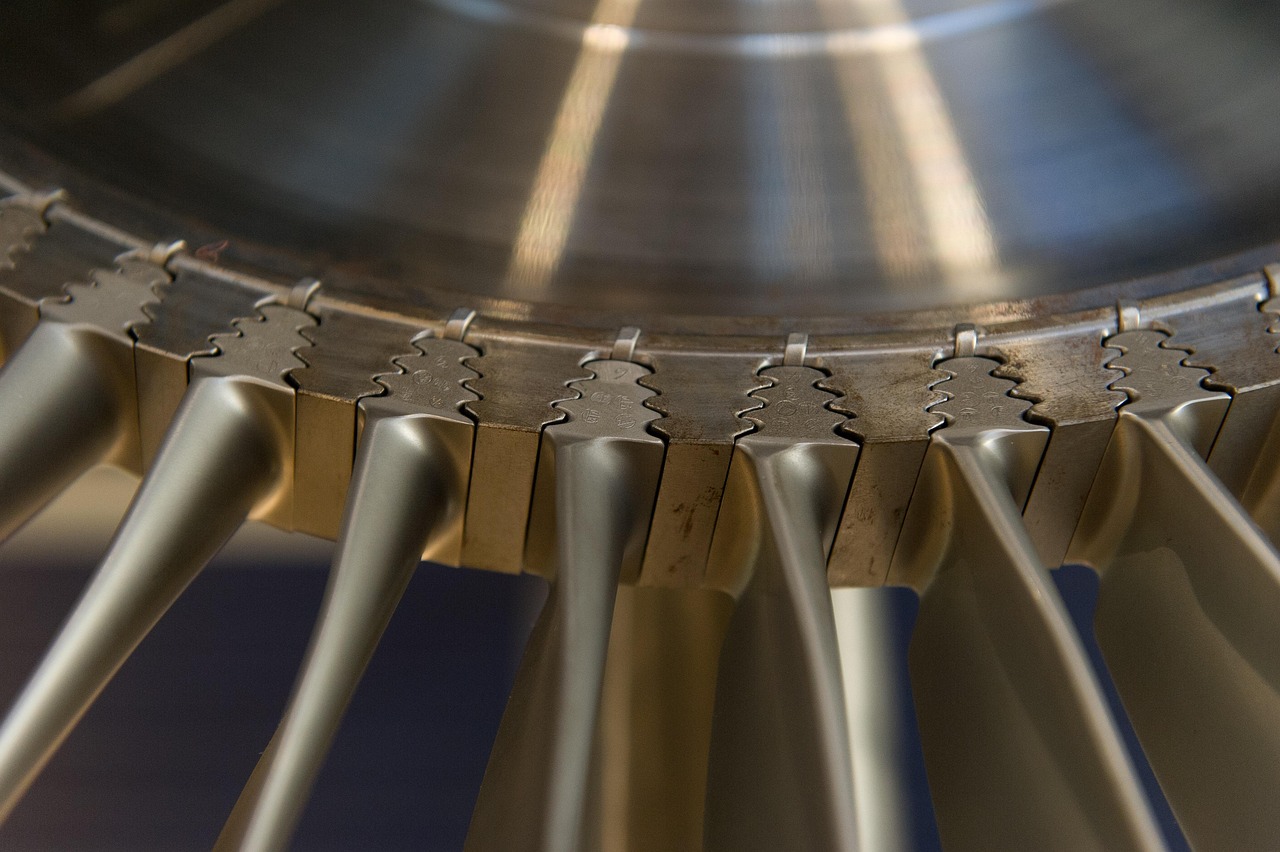
Indexing Pin
Indexing Pins: Essential Components for Precision Positioning
Indexing pins are crucial mechanical components used in various industries to ensure precise positioning, secure locking, and repeatable alignment of parts. These pins play a vital role in applications requiring quick and accurate engagement and disengagement. This article delves into the significance of indexing pins, their types, applications, and a comprehensive metric standard size chart.
What are Indexing Pins?
Indexing pins, also known as positioning pins or plunger pins, are mechanical fasteners designed to lock components in place with precision. They consist of a pin shaft, a spring-loaded plunger, and a locking mechanism. When engaged, the pin secures the connected parts, preventing unintended movement. When disengaged, it allows for repositioning or quick removal.
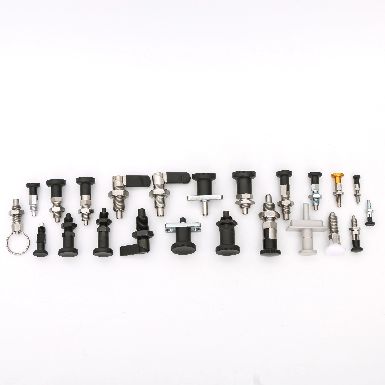
Types of Indexing Pins
1. Spring-Loaded Indexing Pins
Spring-loaded indexing pins feature an internal spring mechanism that allows the pin to retract automatically when force is applied. These pins are commonly used in fixtures, jigs, and adjustable positioning applications.
2. Cam-Action Indexing Pins
Cam-action pins operate with a lever mechanism that provides quick locking and unlocking without requiring external tools. They are often used in situations where rapid adjustments are needed.
3. Ball Lock Indexing Pins
Ball lock indexing pins feature a locking ball mechanism that ensures secure fastening. These are commonly found in aviation, automotive, and machinery applications where high precision and stability are required.
4. Pull Ring Indexing Pins
Pull ring indexing pins include a ring or handle for easy manual retraction. They are often used in heavy machinery and construction applications.
Applications of Indexing Pins
Indexing pins are widely used in industries such as:
-
Manufacturing & Engineering: Ensuring accurate alignment in jigs, fixtures, and assembly lines.
-
Automotive Industry: Used in car assembly and repair to secure parts in place.
-
Aerospace Industry: Providing locking mechanisms in aircraft assembly and maintenance.
-
Medical Equipment: Used in adjustable medical devices for precision and safety.
-
Construction & Heavy Machinery: Ensuring secure positioning of scaffolding, lifting equipment, and other machinery components.
Advantages of Using Indexing Pins
-
Precision & Repeatability: Provides accurate alignment and repeatable positioning.
-
Durability: Made from high-strength materials such as stainless steel and carbon steel.
-
Ease of Use: Simple mechanisms allow for quick locking and unlocking.
-
Versatility: Suitable for a wide range of industrial and mechanical applications.
International Metric Standard Sizes for Indexing Pins
The following table provides an overview of international metric standard sizes for indexing pins, based on ISO, DIN, and JIS standards:
| Standard | Pin Diameter (D) mm | Pin Length (L) mm | Thread Size (M) | Plunger Length (L1) mm | Common Materials |
|---|---|---|---|---|---|
| ISO 8734 | 3 - 16 | 10 - 100 | M4 - M16 | 6 - 50 | Stainless Steel, Carbon Steel |
| DIN 6325 | 5 - 20 | 20 - 120 | M6 - M20 | 8 - 60 | Hardened Steel, Alloy Steel |
| JIS B 1354 | 6 - 25 | 25 - 150 | M8 - M24 | 10 - 75 | Stainless Steel, Zinc-Plated Steel |
| ANSI B18.8 | 4 - 18 | 15 - 110 | M5 - M18 | 7 - 55 | Carbon Steel, Alloy Steel |
Choosing the Right Indexing Pin
When selecting an indexing pin, consider the following factors:
-
Load Capacity: Ensure the pin can withstand the required force and pressure.
-
Material Selection: Choose corrosion-resistant materials like stainless steel for outdoor or marine applications.
-
Locking Mechanism: Determine if a spring-loaded, cam-action, or ball-lock mechanism is best for your application.
-
Size Compatibility: Verify that the pin diameter, thread size, and length meet your specific needs.
Explore our indexing pins for precise positioning and reliable performance in industrial applications. Durable and efficient, they ensure smooth operation. Contact us for custom solutions tailored to your needs.
Indexing pins are indispensable components in mechanical and industrial applications, providing secure positioning, alignment, and repeatability. Understanding the different types, applications, and standard sizes ensures optimal selection and use. Whether in manufacturing, automotive, aerospace, or heavy machinery, indexing pins enhance precision, safety, and efficiency.
Quick Release T Handle Pins
Stainless Steel Detent Pins
Related Article