What Is A 5 Axis Cnc Machine
author: Lucia Liu
2025-08-06
What Is A 5 Axis Cnc Machine
In modern manufacturing, improving the precision and efficiency of parts processing is one of the core elements of a company's competitiveness. With the rapid development of smart manufacturing and advanced equipment, five-axis CNC machines have gradually become essential tools in the field of precision machining. So, what is a 5-axis CNC machine? How does it differ from traditional three-axis equipment? This article will provide a comprehensive analysis of the definition, working principles, and advantages and applications of five-axis CNC machines in CNC parts processing.

What is a 5-axis CNC machine?
CNC machines, short for “computer numerical control machines,” are devices that use computer programs to control tool movement and achieve high-precision machining. Within CNC machines, they can be categorized into three-axis, four-axis, and five-axis machines based on the number of axes.
A five-axis CNC machine tool, as the name suggests, is a CNC machine tool with five axes of motion, typically including three linear axes (X, Y, Z) and two rotational axes (A, B, or A, C). Through the coordinated movement of these five axes, the machine tool can process parts in multiple directions simultaneously, enabling cutting at any angle in space. This allows it to easily handle complex geometric shapes and free-form surface machining tasks.
When searching for “What Is a 5-Axis CNC Machine,” it is evident that five-axis equipment is widely used in aerospace, automotive manufacturing, medical devices, and mold industries, precisely because of its significant advantages in terms of precision, efficiency, and flexibility.
Working Principle
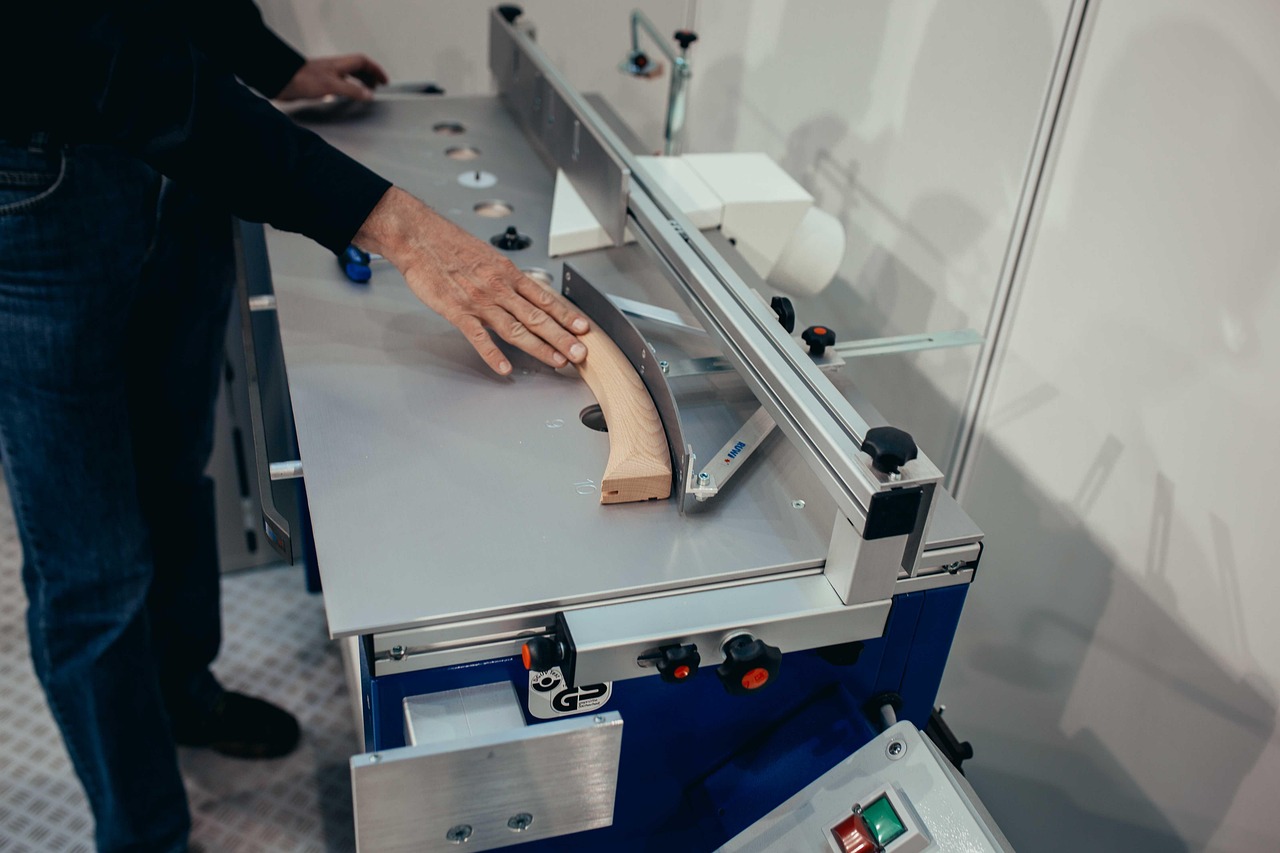
Five-axis CNC machine tools rely on numerical control systems to precisely control the spatial movement of cutting tools, enabling simultaneous cutting along five axes. By automatically adjusting the angle of the workpiece, the machine tool can process multiple surfaces of the workpiece in a single clamping operation, greatly improving processing efficiency and dimensional accuracy.
For example, when machining a part with inclined or curved surfaces, a three-axis machine tool requires multiple setups or complex fixtures, while a five-axis machine tool can complete machining of all surfaces in a single setup. This not only saves machining time but also reduces the risk of errors caused by repeated setups.
Common Structural Types
Cradle-type five-axis: The spindle can swing, and the worktable rotates, suitable for high-precision machining of small to medium-sized parts.
Cradle-type five-axis: The spindle can swing, and the worktable rotates, suitable for high-precision machining of small to medium-sized parts.
Dual rotating platform type: The workpiece can rotate to a large angle, suitable for complex irregular workpieces.
Rotating spindle type: The tool has high freedom of movement, suitable for precision machining scenarios.
Different types of five-axis CNC machine tools are suitable for different production needs. Enterprises can select the appropriate machine type based on the shape, size, and precision requirements of the parts.
Performance Advantages and Typical Applications of CNC Parts
Five-axis CNC machine tools are most commonly used for processing various high-precision CNC parts, which typically have high requirements for structural complexity and performance, imposing strict demands on processing equipment.
Five-axis CNC machine tools are most commonly used for processing various high-precision CNC parts, which typically have high requirements for structural complexity and performance, imposing strict demands on processing equipment.
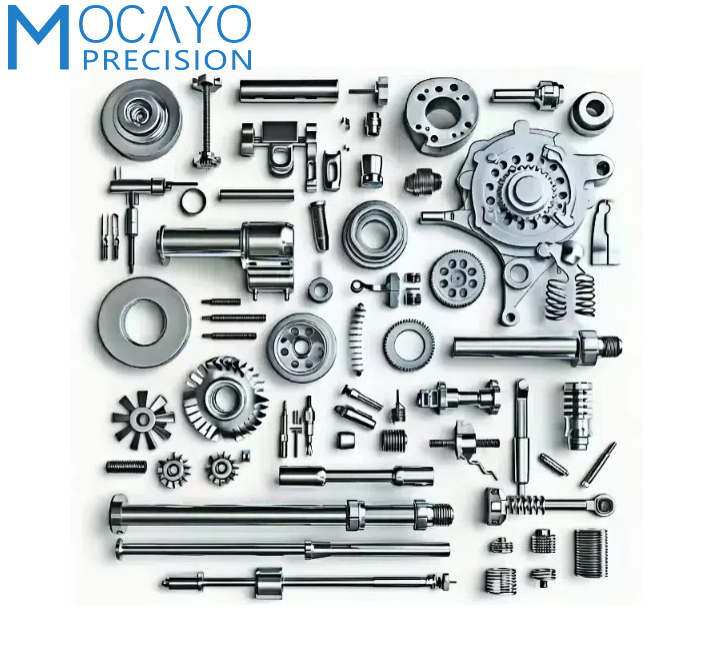
Core Performance of Mocayo CNC Parts
High Precision: Through precise control, CNC machining achieves minimal errors, ensuring consistent dimensions for each part, particularly suitable for mass production.
High Precision: Through precise control, CNC machining achieves minimal errors, ensuring consistent dimensions for each part, particularly suitable for mass production.
High Efficiency: CNC machining has a high degree of automation, enabling fast processing speeds and effectively shortening delivery cycles.
High Complexity: Five-axis machines can easily handle the machining requirements of complex structures such as irregularly shaped parts and free-form surfaces.
Compatibility with Multiple Materials: Capable of machining various metals (such as stainless steel, aluminium alloy, titanium alloy) and high-performance plastics.
Unlock high-performance machining—what is a 5 axis CNC machine? It’s innovation that lets you cut in 5 directions, boosting productivity and precision.
What Is Aluminum Used For
Cnc Fasteners
Related Article
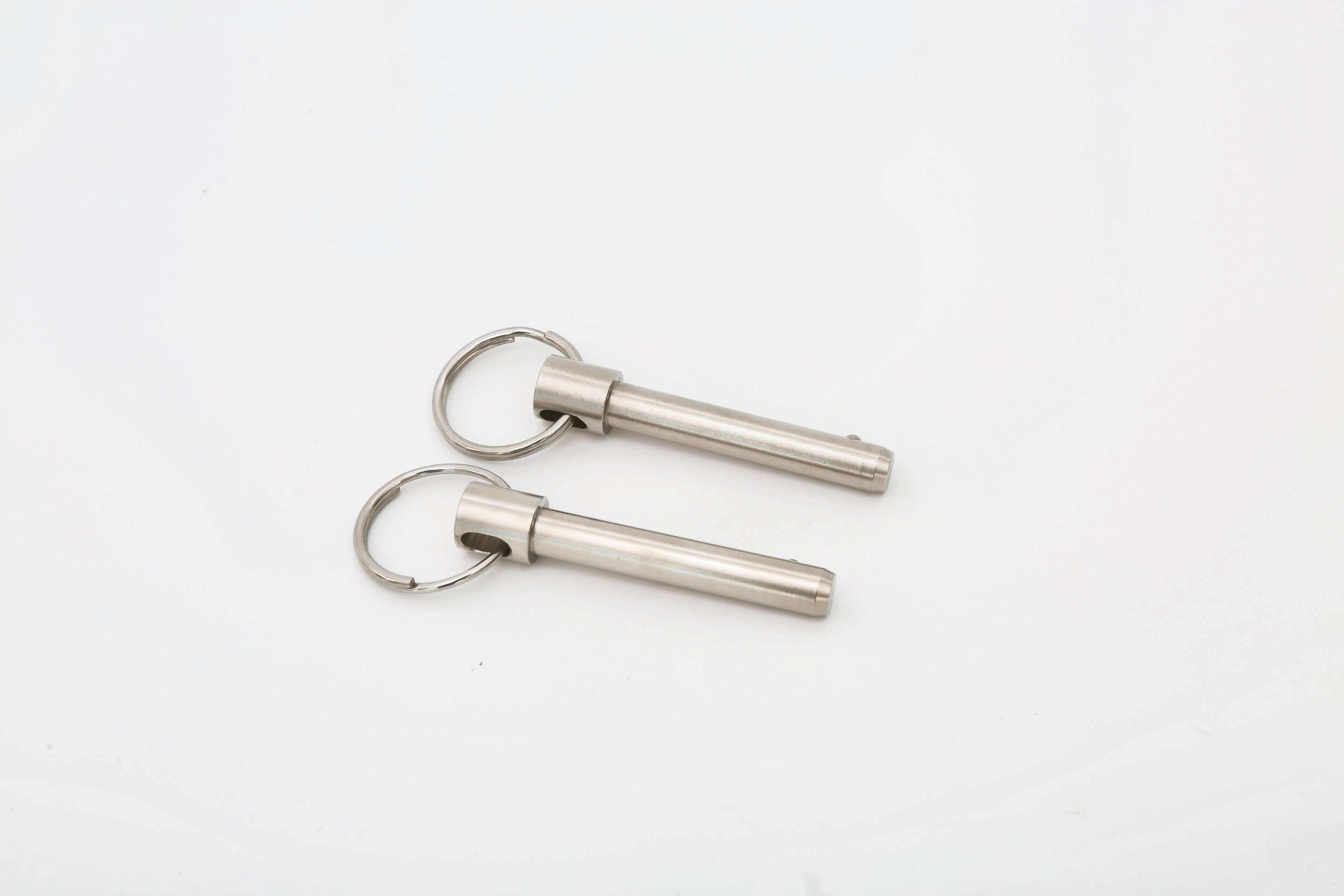
Learn what is aluminum used for and how our ball locking pins offer strength, speed, and resistance. Engineered for modern manufacturing needs.
What Is Aluminum Used For
Shop our premium CNC fasteners, featuring indexing plungers designed for repeatable and secure positioning.
Cnc Fasteners