Locking Quick Release Pins
Locking Quick Release Pins: Enhancing Efficiency and Safety in Industrial Applications
Introduction
In modern industrial environments, efficiency, speed, and safety are paramount. Whether in aerospace, automotive, marine, medical, or general manufacturing, the ability to rapidly assemble, disassemble, and reposition components is vital. One of the most reliable and versatile components supporting this functionality is the locking quick release pin. This seemingly simple device plays a significant role in securing and aligning parts while allowing for quick changeovers and adjustments. This article explores locking quick release pins in depth, examining their design, working principle, applications, advantages, and industry relevance.
What Are Locking Quick Release Pins?
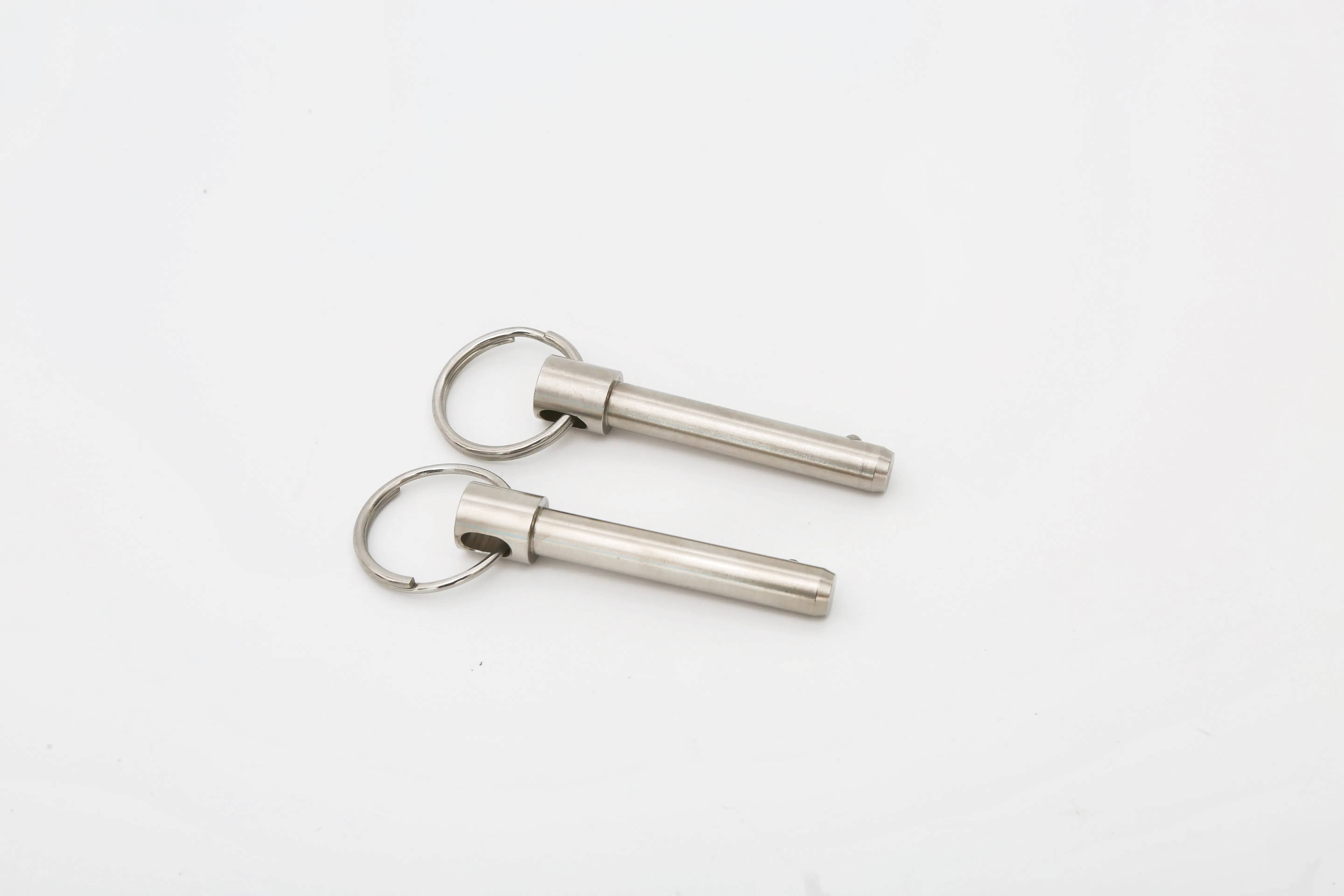
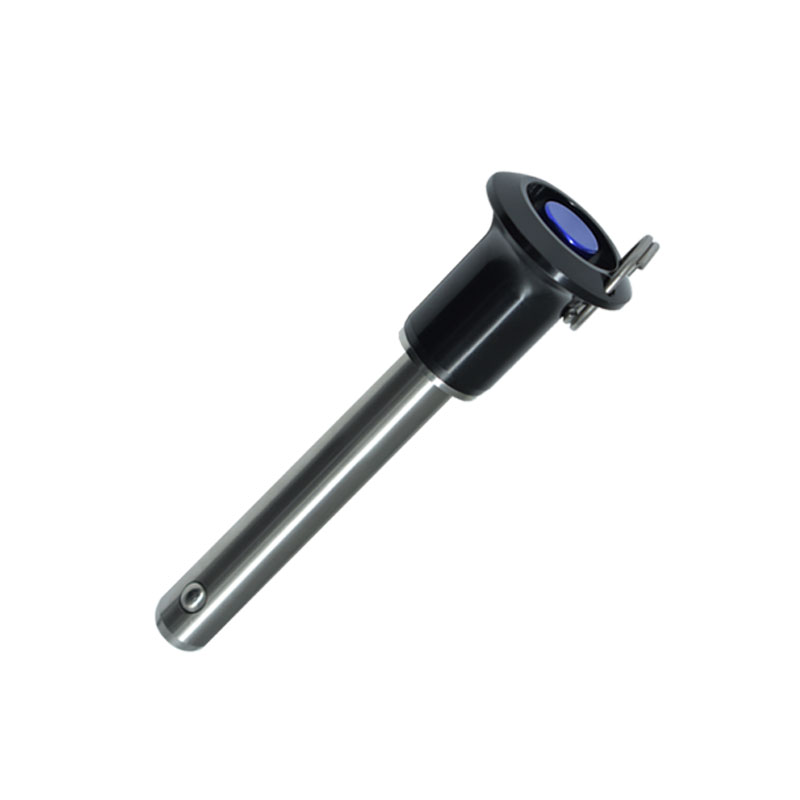
Locking quick release pins are mechanical fastening devices used to secure components in place and allow for easy, rapid release when needed. These pins usually consist of a handle (often T-handle or button type), a shaft, and a locking mechanism that includes spring-loaded balls or detents. Once inserted into a hole, the locking mechanism engages, preventing unintended removal. To remove the pin, the user simply pulls or presses the handle, retracting the locking balls and enabling the pin to slide out smoothly.
Key Features
-
Quick Operation: Insert and release in seconds without tools.
-
Locking Mechanism: Provides secure hold during operation.
-
Versatility: Wide range of sizes, materials, and configurations.
-
Corrosion Resistance: Available in stainless steel or with protective coatings.
-
Durability: Designed for high-cycle applications.
Types of Locking Quick Release Pins
Locking quick release pins come in various configurations, tailored to different application needs:
-
T-Handle Pins: Provide an easy grip for manual operation.
-
Button Handle Pins: Offer compactness and ease of use.
-
Ring Handle Pins: Allow attachment to lanyards for retention.
-
L-Handle Pins: Enable operation in limited space.
-
Detent Pins: Simple design with spring-loaded balls for light-duty tasks.
Working Principle
The typical locking quick release pin contains spring-loaded locking balls at the end of the shaft. When the pin is inserted into a hole, the balls are compressed and then expand into a receiving groove or recess, locking the pin in place. To release the pin, the user pulls the handle, which retracts the balls into the shaft, allowing the pin to be easily removed.
Materials and Construction
These pins are made using high-performance materials to suit different environments and load requirements:
-
Stainless Steel (304, 316): For high corrosion resistance.
-
Carbon Steel: Often heat-treated and coated for strength and wear resistance.
-
Aluminum Alloys: Lightweight options for aerospace and mobility applications.
-
Plastic or Composite Handles: For user comfort and weight reduction.
Surface finishes include:
-
Passivation: For stainless steel pins.
-
Zinc Plating: For carbon steel protection.
-
Anodizing: For aluminum pins.
-
Black Oxide Coating: For improved appearance and moderate corrosion resistance.
Standard Applications
Locking quick release pins are widely used across industries due to their ease of use and reliability:
-
Aerospace: Fast removal and reinstallation of panels, seats, and components.
-
Automotive: Used in fixtures, jigs, and vehicle accessories.
-
Medical Devices: Secure and easy-to-clean components in surgical and mobility equipment.
-
Marine: Corrosion-resistant pins used in boating and dock equipment.
-
Military and Defense: High-reliability pins for gear and weaponry.
-
Industrial Automation: Positioning tools, sensors, or robotic arms.
Advantages of Locking Quick Release Pins
-
Time-Saving: No need for wrenches or screws.
-
Improved Safety: Reduces risk of component failure or improper fastening.
-
Enhanced Productivity: Speeds up assembly and maintenance cycles.
-
Reusability: Can be used thousands of times without performance loss.
-
Minimal Training Required: Easy for operators to use correctly and efficiently.
Installation and Use Guidelines
To ensure effective use of locking quick release pins, follow these guidelines:
-
Proper Hole Sizing: The receiving holes must match the pin diameter.
-
Retention Lanyards: Use to avoid pin loss in mobile or dynamic environments.
-
Clean Surfaces: Prevent debris buildup that could hinder locking.
-
Regular Inspection: Check for spring wear or corrosion.
-
Correct Load Rating: Always use pins rated for the expected shear and tensile loads.
Comparison With Other Fastening Methods
Compared to traditional bolts, nuts, or cotter pins:
-
Faster to Use: No threading or torque requirements.
-
Tool-Free Operation: Increases efficiency.
-
Better Ergonomics: Especially with T-handle or button grip.
-
Safer in Dynamic Systems: Locks in place even under vibration or motion.
Common Industry Standards
Several industry standards define dimensions, materials, and performance of quick release locking pins:
-
MS17985/MS17986: Military standards for quick release pins.
-
NAS1332/NAS1333: Aerospace-grade locking pin specifications.
-
ISO 23488: Defines dimensional and performance characteristics.
-
ASME/ANSI B18.8.2: General pin specifications.
Customization Options
Many manufacturers offer customized quick release pins to suit specific application requirements:
-
Unique Handle Designs: Ergonomic shapes or branding.
-
Special Lengths/Diameters: For unique assemblies.
-
Color-Coded Handles: For quick identification.
-
Safety Locking Features: Additional lock mechanisms for high-risk environments.
Design Considerations
When selecting a locking quick release pin for an application:
-
Shear Load Capacity: Must handle applied mechanical loads.
-
Temperature Range: Select materials that withstand thermal conditions.
-
Cycle Life: Frequent-use applications need long-life components.
-
Space Constraints: Choose handle type and pin length to suit tight assemblies.
Emerging Trends in Quick Release Pin Technology
-
Smart Pins: Integrated sensors for position or status feedback.
-
Magnetic Retention: Secondary locking using magnets.
-
Anti-Tamper Designs: For security-sensitive environments.
-
Lightweight Composites: Advanced materials for weight-sensitive systems.
Maintenance Best Practices
-
Routine Cleaning: Prevent dust or grit from affecting the locking mechanism.
-
Lubrication: If applicable, keep moving parts lightly lubricated.
-
Replacement Schedule: Inspect pins regularly and replace any with visible wear.
Discover our locking quick release pins for secure and efficient fastening in industrial applications. Durable and reliable, they ensure smooth operation. Contact us for custom solutions tailored to your needs.
Locking quick release pins are critical components that enhance productivity, safety, and flexibility across various industrial sectors. Their design allows for rapid installation and removal without compromising reliability or strength. As industries continue to innovate and streamline operations, the demand for smart, secure, and durable fastening solutions like these pins will only grow. Choosing the right locking quick release pin—tailored to the specific demands of your application—can make a significant difference in operational success and safety compliance. As manufacturers expand customization options and integrate new technologies, locking pins will remain a staple in modern engineering and design systems.
Spring Loaded Pull Pin Latch
Push Button Quick Release Pin
Related Article