How To Get Rid of Rust On Metal
How To Get Rid of Rust On Metal
The Truth About Rust: What’s Really Happening to Your Metal?
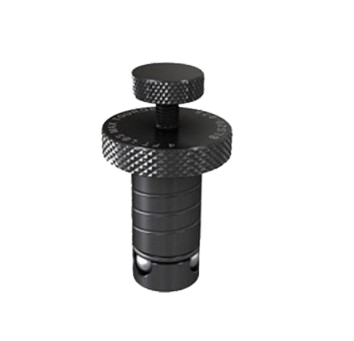
When rust spots appear on your beloved tools or devices, it’s more than just surface damage—it’s the beginning of a slow and irreversible "death" of the metal. How to get rid of rust on metal becomes a critical question, especially when it affects high-precision components like an indexing plunger.
Rust is essentially an oxidation reaction between metal atoms, oxygen, and moisture—similar to the aging process of the human body. And just like aging, once it starts, it’s difficult to reverse. Understand how to get rid of rust on metal and upgrade to our high-precision indexing plunger with superior anti-rust protection.
Rust Behaviors in Different Metals
-
Steel & Iron: Develop reddish-brown flakes (Fe₂O₃) that continue to eat into the core.
-
Aluminum Alloys: Form a white powdery layer (Al₂O₃), which offers partial protection.
-
Copper Alloys: Produce green corrosion (CuCO₃·Cu(OH)₂), commonly known as patina or verdigris.
Eye-Opening Results from Mocayo Lab
In a humidity-controlled test (70% RH), we discovered:
-
Standard carbon steel: Visible rust in just 24 hours
-
304 stainless steel: Corrosion began after 720 hours
-
Mocayo passivated stainless steel: Remained shiny and rust-free for over 2000 hours
Clearly, if you're asking how to get rid of rust on metal, the best answer might be preventing it in the first place—especially on delicate parts like indexing plungers.
Professional Rust Removal Solutions – Restoring Your Metal’s Life
1. DIY Home Remedies
-
White Vinegar Soak: Mix 1:1 with water, soak for 2 hours—ideal for small tools
-
Baking Soda Paste: Apply and let sit for 30 minutes before scrubbing
-
Rust Remover Gel: Contains 5% phosphoric acid, safe for metal surfaces
2. Industrial-Grade Treatments
-
Laser Cleaning: Non-contact method, precision up to 0.01 mm
-
Electrolytic Rust Removal: 12V DC current + sodium carbonate solution
-
Sandblasting: Best result with 80-mesh aluminum oxide at 0.6 MPa pressure
Cost-Efficiency Comparison
| Method | Efficiency | Cost | Best For |
|---|---|---|---|
| Manual Scrubbing | Low | $ | Small surface patches |
| Chemical Removal | Medium | $$ | Complex shapes |
| Laser Cleaning | High | $$$ | Precision components |
Mocayo’s Anti-Rust Indexing Plunger – Built to Resist from the Start
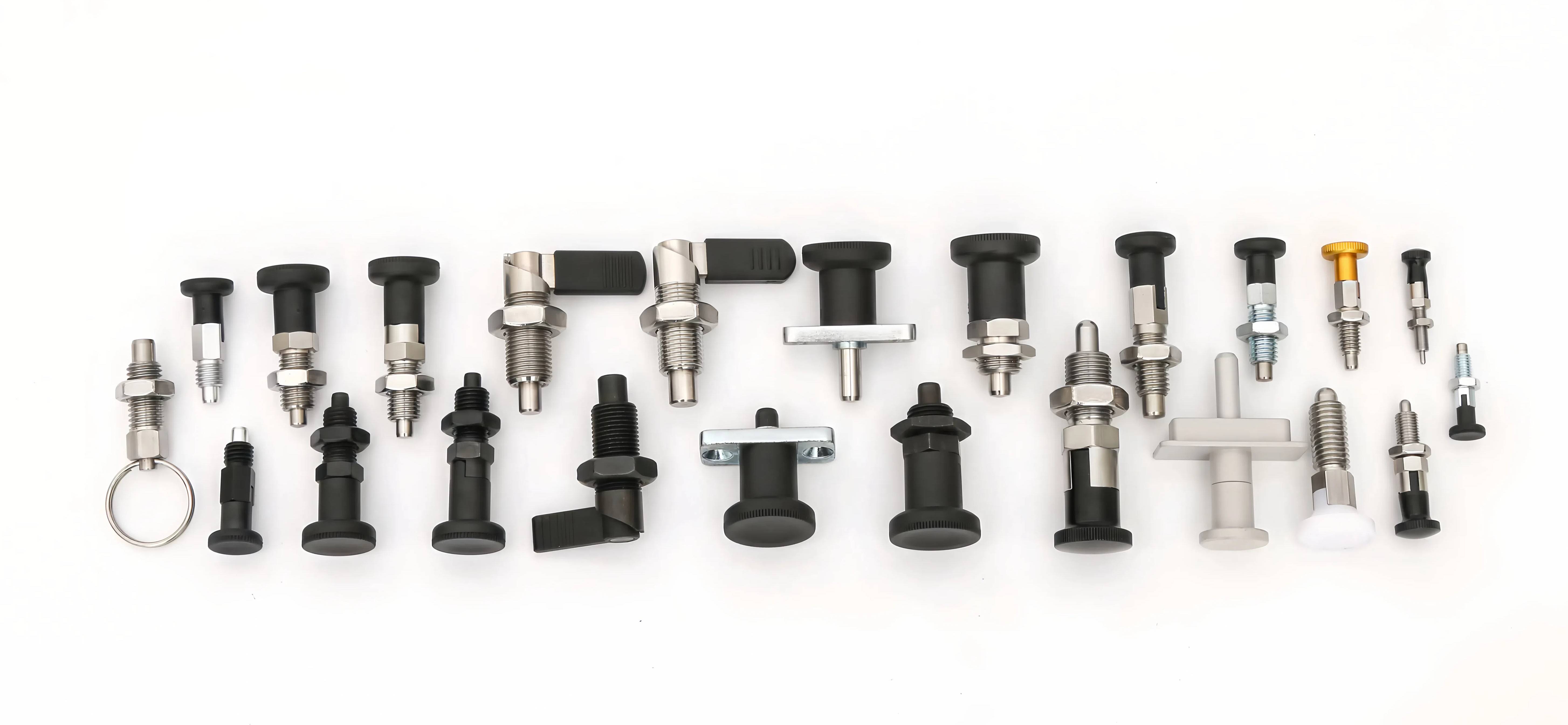
When learning how to get rid of rust on metal, prevention is always better than cure. Our indexing plunger lineup is engineered to resist corrosion at the core.

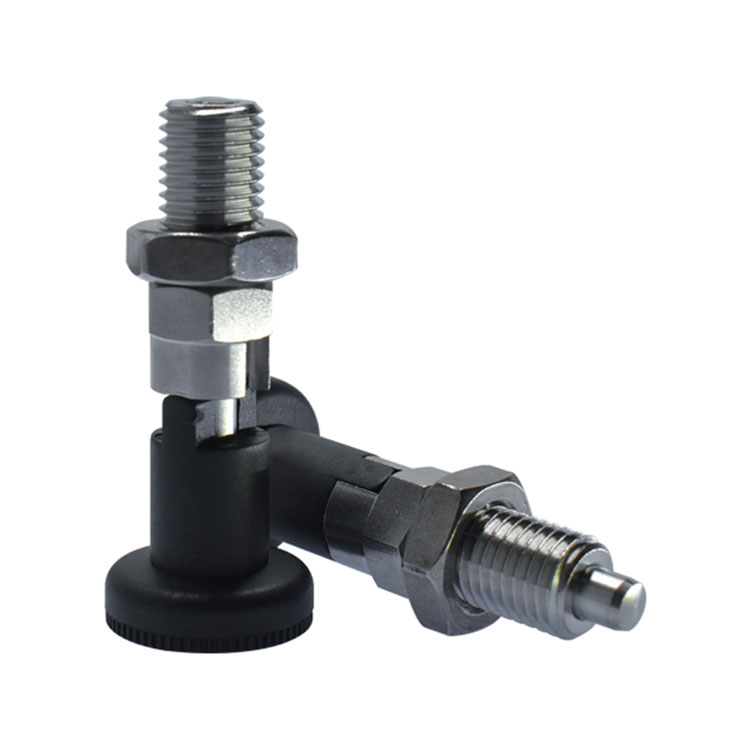

1. Military-Grade Materials
-
Body: SUS303 stainless steel (better sulfur resistance than 304)
-
Positioning Ball: GCr15 bearing steel (HRC58–62 hardness)
2. Triple Anti-Rust Protection
-
Electro-polishing: Smoothens microscopic surface cracks
-
Passivation Treatment: Forms a dense 1.2μm oxide film
-
Vacuum Packaging: Nitrogen-sealed before delivery
3. Performance Specs
-
Positioning Accuracy: ±0.015 mm
-
Working Temperature: -30°C ~ 150°C
-
Salt Spray Test: 200 hours rust-free (ASTM B117 standard)
Do You Need Professional Rust Protection? Self-Assessment Checklist
☑ Operate in high-humidity environments (>65% RH)
☑ Exposed to acid/alkaline/salt sprays
☑ Surface scratches present
☑ Used outdoors long-term
How to get rid of rust on metal starts with understanding your environment, choosing the right protection, and trusting proven solutions like the Mocayo indexing plunger. Don’t wait until corrosion costs you performance—act now.
Spring Loaded Release Mechanism
How To Get Rust Off Stainless Steel
Related Article