Pin Lock Vs Ball Lock
author: Lucia Liu
2025-07-18
Pin Lock Vs Ball Lock
In industrial equipment, fixturing systems and rapid assembly scenarios, choosing the right positioning locking pin plays a critical role in overall operational efficiency and safety. Especially in today's automated manufacturing and precision assembly, Pin Lock Vs Ball Lock are two options that are often compared by purchasers and designers. Although they are the same kind of locking pin products, but due to the different structural design and use of different ways, suitable for completely different use needs.
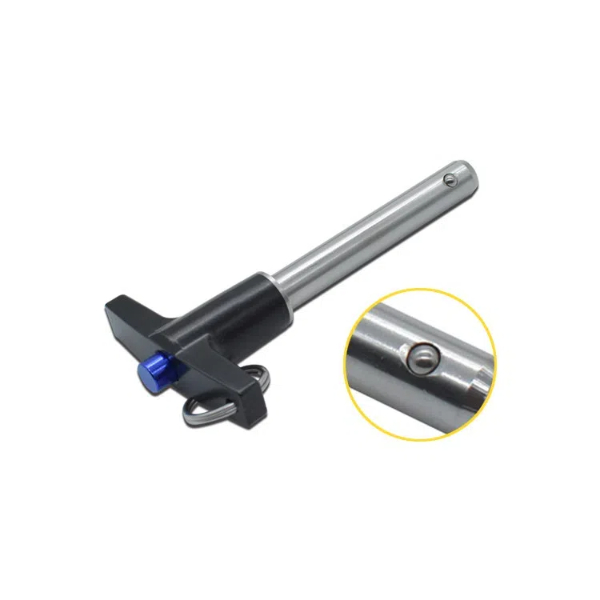

Pin Lock is a connection that is mechanically inserted and locked. Its basic structure includes a pin body, a locking hole and a matching snap or spring device. Its core function is to provide a physical limit and anti-loosening function.
Ball Lock is a relatively more complex structure that relies on a small ball (Generally two or more stainless steel balls) built into the body of the pin to accomplish rapid locking. After insertion into the target hole, the ball body pops out and catches the limit edge, realizing a solid connection, often equipped with buttons, pull rings and other operating structures, so it is also often referred to as a ball lock pin.
Ball Lock is a relatively more complex structure that relies on a small ball (Generally two or more stainless steel balls) built into the body of the pin to accomplish rapid locking. After insertion into the target hole, the ball body pops out and catches the limit edge, realizing a solid connection, often equipped with buttons, pull rings and other operating structures, so it is also often referred to as a ball lock pin.
Working Principle
Pin Lock is usually inserted manually and then locked by a spring or mechanical device. In multiple disassembly and installation, the insertion and extraction is more laborious, suitable for the need for high-strength fixed but less frequent replacement of the working conditions.
Pin Lock is usually inserted manually and then locked by a spring or mechanical device. In multiple disassembly and installation, the insertion and extraction is more laborious, suitable for the need for high-strength fixed but less frequent replacement of the working conditions.
Ball Lock pays more attention to the double efficiency of “quick release” and “quick insertion”, the insertion action only requires a gentle push, the button release can be automatically locked, when disassembled by pressing the button or pulling the pull ring, the ball is retracted, and quickly out of the lock position, the operation is simple. Simple operation.
Differences in Application & Load Capacity
Pin Lock Applicable Scenarios
Pin Lock is mostly used in occasions with high requirements on load and general requirements on positioning accuracy. With its thick structure, it is suitable for locking heavy-duty equipment, such as industrial transportation trucks, safety brackets, heavy equipment fixing, etc.
Pin Lock Applicable Scenarios
Pin Lock is mostly used in occasions with high requirements on load and general requirements on positioning accuracy. With its thick structure, it is suitable for locking heavy-duty equipment, such as industrial transportation trucks, safety brackets, heavy equipment fixing, etc.
Ball Lock Applicable Scenarios
Ball Lock is widely used in automated assembly lines, fixture systems, electronic equipment, medical devices and test benches that require high disassembly and assembly efficiency due to its fast positioning and easy operation. Ball lock pin is especially suitable for use in environments where accessories or positions are frequently changed.
Ball Lock is widely used in automated assembly lines, fixture systems, electronic equipment, medical devices and test benches that require high disassembly and assembly efficiency due to its fast positioning and easy operation. Ball lock pin is especially suitable for use in environments where accessories or positions are frequently changed.
It is worth noting that Ball Lock Pins can also be used with customized pilot hole designs to achieve millimeter-level repeatability when high-precision positioning is required, which is especially important in the precision industry.
Efficiency Differences
One of the most frequently mentioned by engineers in Pin Lock vs. Ball Lock comparisons is operational efficiency. Although the traditional Pin Lock structure is stable, it is not flexible enough for high-frequency dismantling or quick changing of fixtures. The ball lock pin has an obvious advantage in this regard, and its “tool-less disassembly” function is very suitable for multiple positioning and frequent replacement of working conditions.
One of the most frequently mentioned by engineers in Pin Lock vs. Ball Lock comparisons is operational efficiency. Although the traditional Pin Lock structure is stable, it is not flexible enough for high-frequency dismantling or quick changing of fixtures. The ball lock pin has an obvious advantage in this regard, and its “tool-less disassembly” function is very suitable for multiple positioning and frequent replacement of working conditions.
When the project requires long-term stable locking and high load bearing, Pin Lock is an economical and reliable choice. If the pursuit of high-frequency rapid assembly, positioning accuracy and ease of operation, then the ball lock pin is undoubtedly the ideal solution. Tired of slow changeovers? Pin lock vs ball lock matters—choose a ball locking pin for quick, tool-free fastening.
Fastener Meaning
Related Article
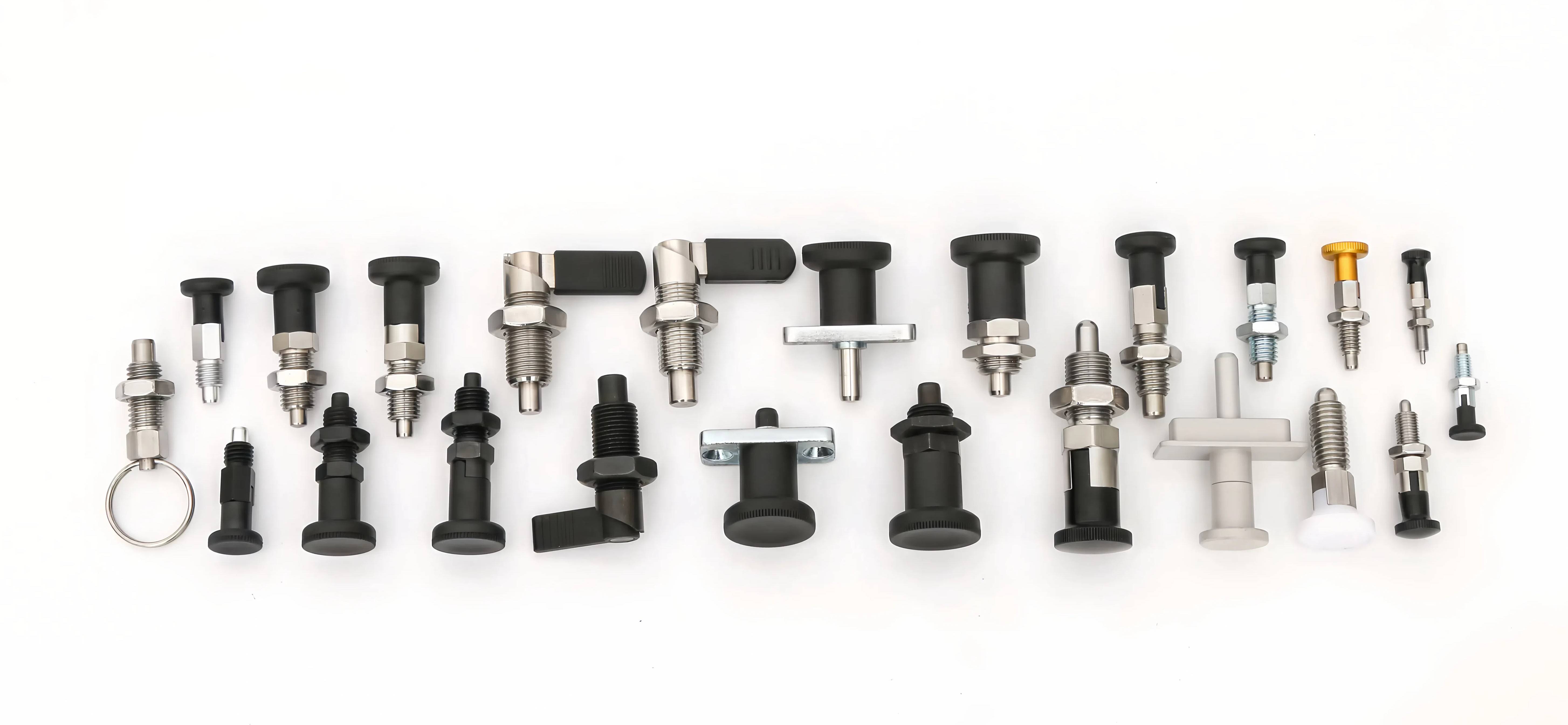
From basic nuts to precision components, learn fastener meaning through our durable and performance-driven products.
Fastener Meaning
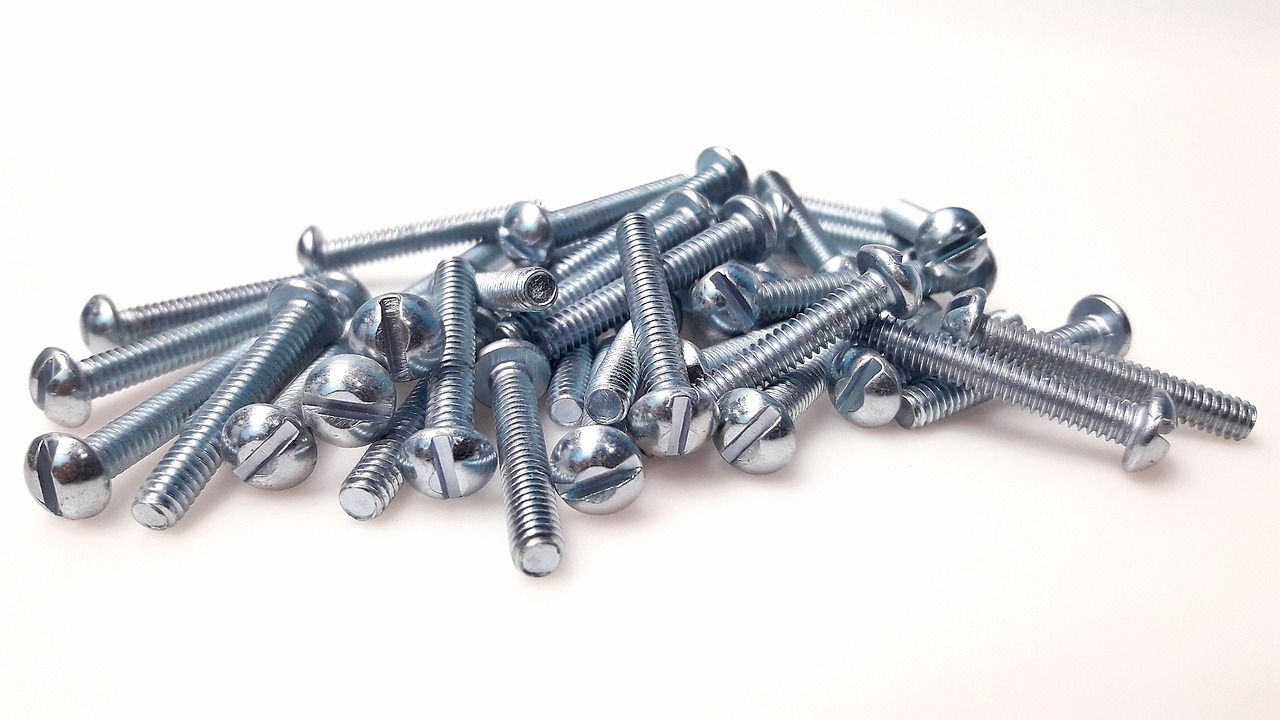
Discover high-performance spring loaded release mechanisms for fast, secure locking and quick disengagement—perfect for tools, fixtures, and mechanical systems.
Spring Loaded Release Mechanism