How Are Quick Release Pins Made
How Are Quick Release Pins Made?
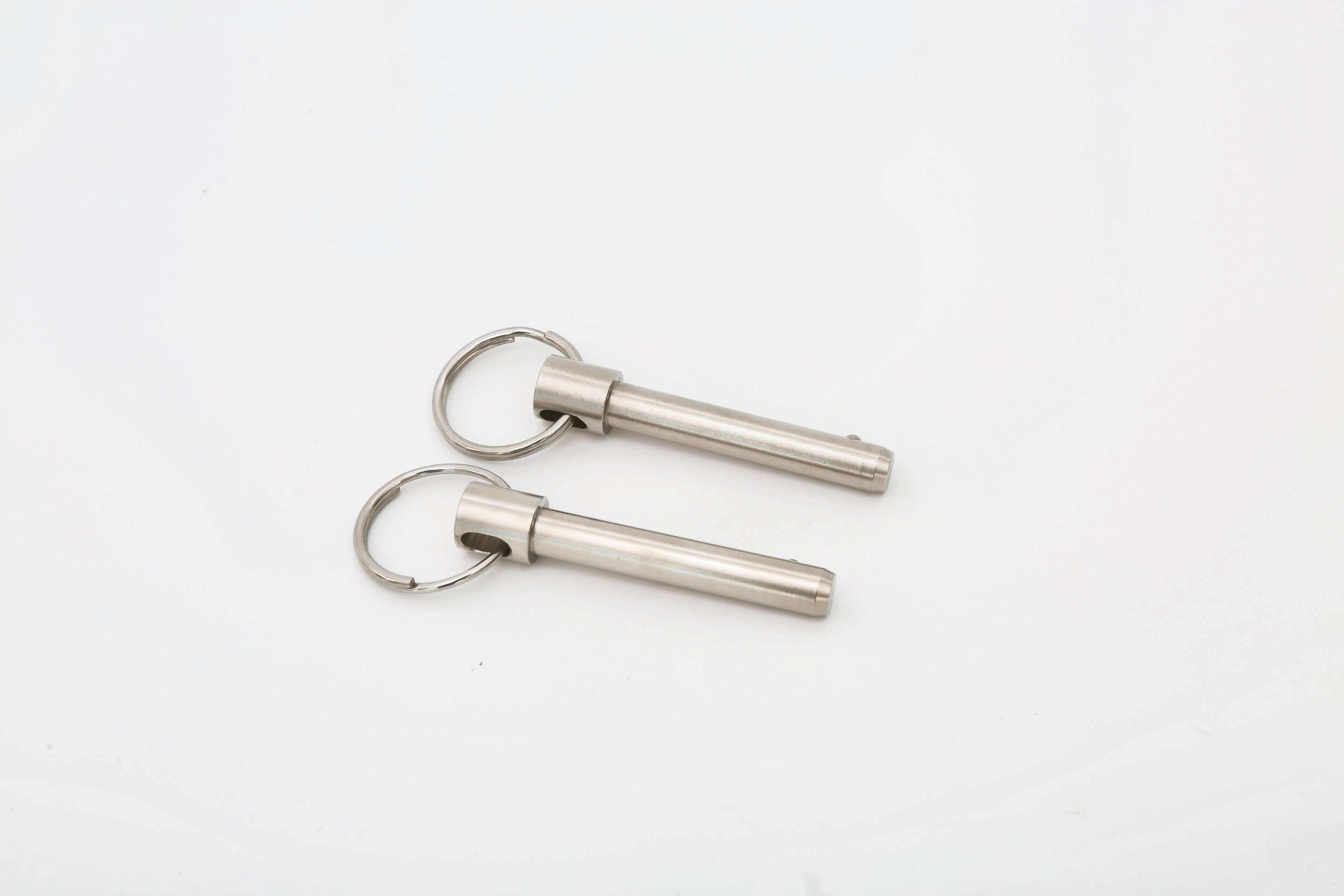
Quick release pins are essential mechanical components used in a wide range of applications to secure and release parts quickly and efficiently. These pins are designed for ease of use, reliability, and durability, making them popular in industries such as manufacturing, automotive, aerospace, and construction. The manufacturing process of quick release pins involves several steps, from material selection to final assembly. Below, we explore the detailed process of how quick release pins are made.

1. Material Selection
The first step in manufacturing quick release pins is selecting the appropriate materials. The choice of material depends on the intended application and the required properties, such as strength, corrosion resistance, and wear resistance. Common materials include:
-
Stainless Steel: Offers excellent corrosion resistance and durability.
-
Carbon Steel: Provides high strength and is often used in heavy-duty applications.
-
Aluminum: Lightweight and resistant to corrosion, suitable for applications where weight is a concern.
-
Brass: Known for its corrosion resistance and aesthetic appeal, often used in decorative applications.
2. Design and Engineering
Before production begins, the quick release pins are designed and engineered to meet specific requirements. This involves:
-
Creating Detailed Drawings: Engineers create detailed drawings and specifications, including dimensions, tolerances, and surface finishes.
-
Prototyping: A prototype may be developed to test the design and ensure it meets the required performance criteria.
-
Selecting Components: The design includes selecting components such as the pin body, spring, ball bearings, and handle.
3. Manufacturing Process
The manufacturing process of quick release pins involves several steps, each crucial to ensuring the final product's quality and performance.
a. Machining the Pin Body
-
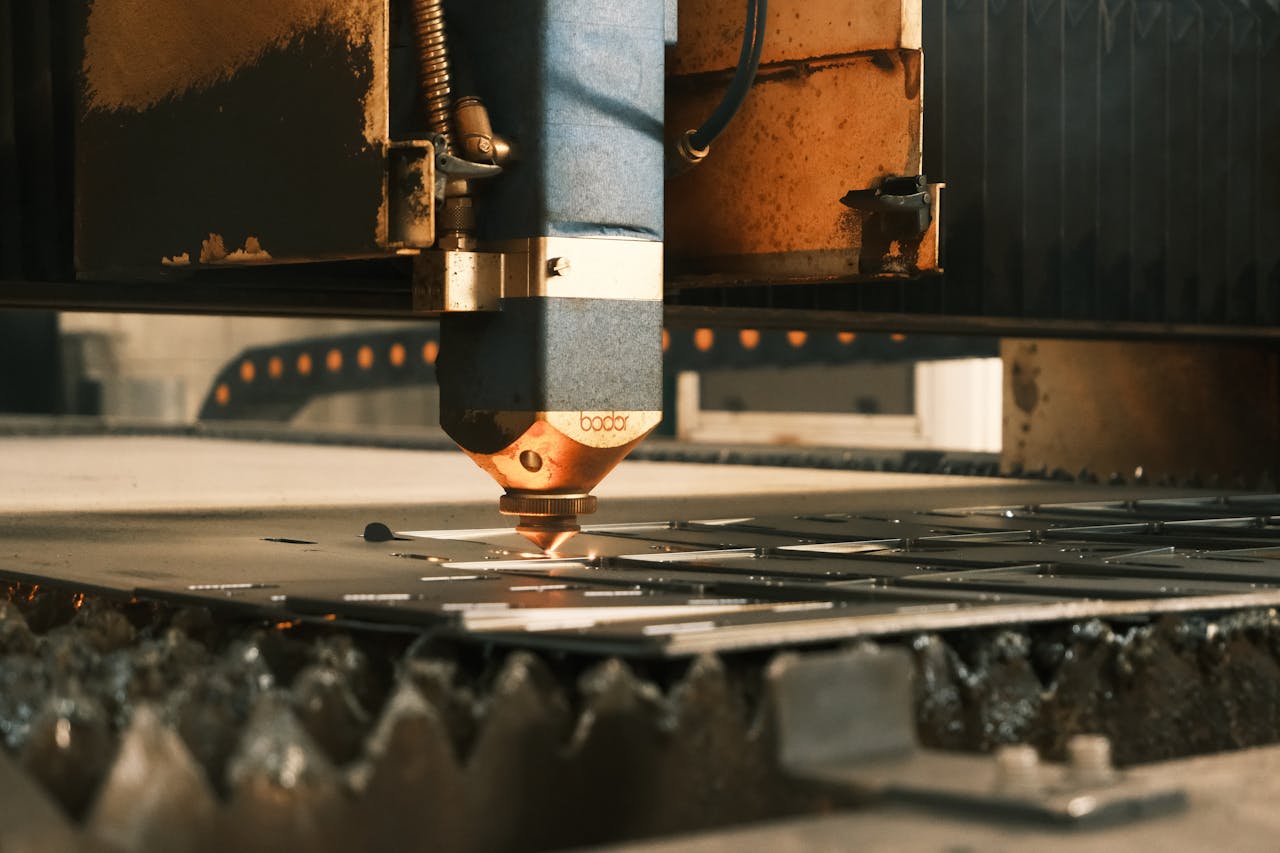
Turning and Milling: The pin body is machined using CNC (Computer Numerical Control) turning and milling machines. This process ensures precise dimensions and smooth surfaces.
-
Drilling and Tapping: Holes are drilled and tapped to accommodate the spring and ball bearings.
b. Forming the Handle
-
Stamping or Casting: The handle is typically formed using stamping or casting processes, depending on the material and design.
-
Machining: The handle may undergo additional machining to achieve the desired shape and finish.
c. Producing the Spring
-
Wire Forming: The spring is produced by coiling high-quality spring wire using automated wire forming machines.
-
Heat Treatment: The spring undergoes heat treatment to enhance its strength and durability.
d. Manufacturing Ball Bearings
-
Stamping and Grinding: Ball bearings are manufactured through stamping and precision grinding to ensure smooth operation and consistent size.
-
Heat Treatment: Similar to the spring, ball bearings may also undergo heat treatment to improve their hardness and wear resistance.
4. Surface Treatment and Finishing
To enhance the performance and longevity of quick release pins, various surface treatments and finishes are applied:
-
Plating: Common plating options include zinc, nickel, and chrome, which provide corrosion resistance and a polished appearance.
-
Anodizing: For aluminum pins, anodizing is used to increase corrosion resistance and improve surface hardness.
-
Powder Coating: This process provides a durable and attractive finish, often used for handles and other visible components.
5. Assembly
The final step in the manufacturing process is assembling the quick release pins. This involves:
-
Inserting the Spring and Ball Bearings: The spring and ball bearings are inserted into the machined holes in the pin body.
-
Attaching the Handle: The handle is securely attached to the pin body, ensuring smooth operation and reliable performance.
-
Quality Control: Each assembled pin undergoes rigorous quality control checks to ensure it meets the specified dimensions, tolerances, and performance criteria.
6. Testing and Quality Assurance
Before the quick release pins are shipped to customers, they undergo extensive testing to ensure they meet industry standards and customer requirements. This includes:
-
Durability Testing: Testing the pins for wear resistance and longevity under various conditions.
-
Load Testing: Ensuring the pins can withstand the required load without failure.
-
Operational Testing: Verifying that the pins operate smoothly and reliably in real-world applications.
Discover how quick release pins are made! Learn about the precision machining, spring mechanisms, and durable coatings used to create these essential industrial components.
Lock Pin Size Chart
Why Purchase Pin Fasteners from Mocayo
Related Article