How Does A Ball Lock Pin Work
How Does a Ball Lock Pin Work? The Simple Yet Effective Fastening Solution
Introduction
In the world of mechanical engineering, simplicity and reliability often go hand in hand. One component that exemplifies this principle is the ball lock pin, a versatile and widely used fastening device. Known for its ease of use and secure locking mechanism, the ball lock pin is a staple in industries ranging from aerospace to manufacturing. But how does a ball lock pin work, and why is it so effective? This article explores the functionality, applications, and benefits of ball lock pins.

What is a Ball Lock Pin?
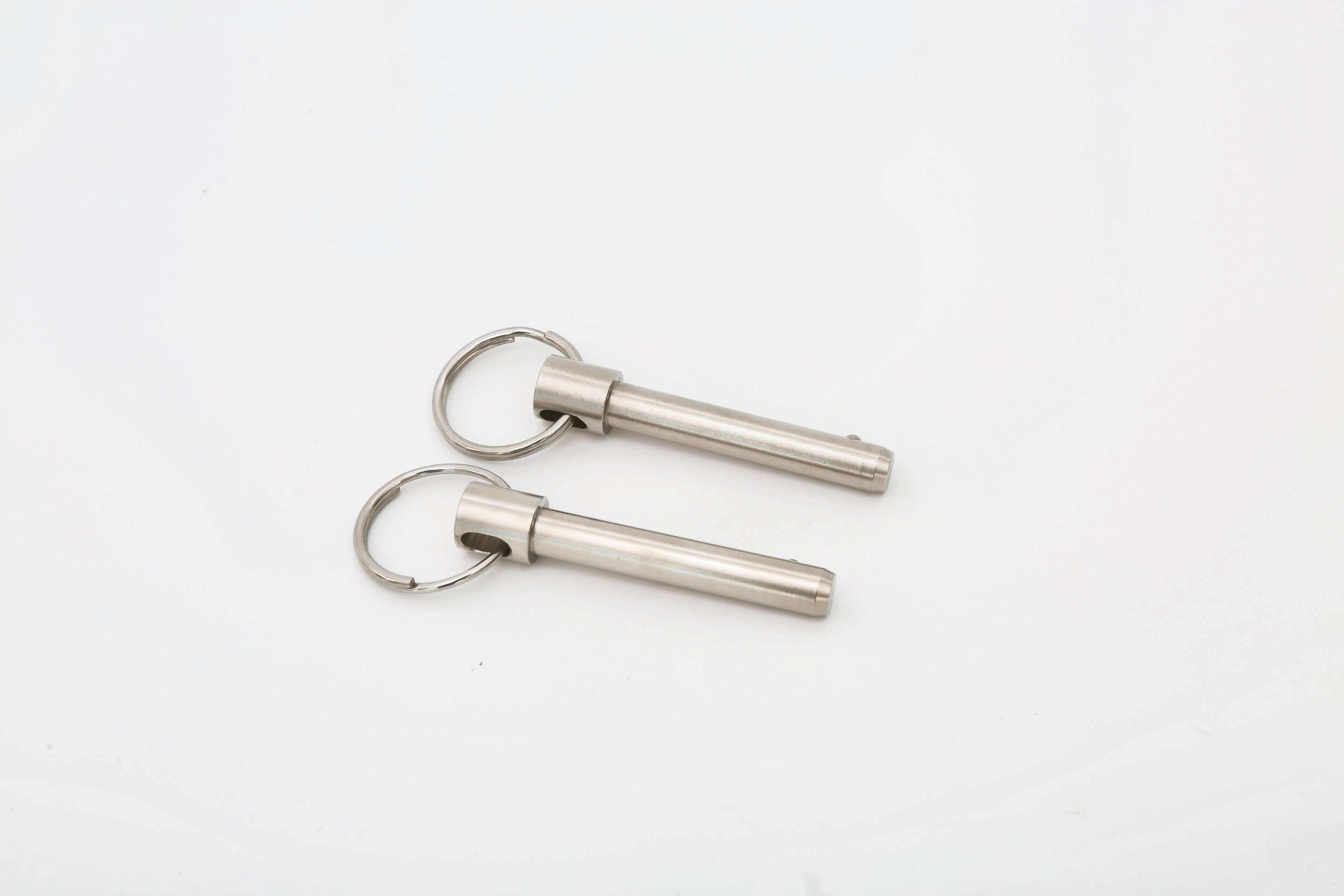
A ball lock pin is a type of quick-release fastener designed to securely hold components in place while allowing for easy removal. It consists of a cylindrical body with spring-loaded balls that protrude from the sides. When inserted into a hole, the balls retract and then expand to lock the pin in place. A push-button or similar mechanism is used to release the balls and remove the pin.
Key Components of a Ball Lock Pin
-
Body: The main cylindrical shaft of the pin, often made from durable materials like stainless steel or aluminum.
-
Spring-Loaded Balls: Small balls that protrude from the sides of the pin to secure it in place.
-
Release Mechanism: A button or lever that retracts the balls, allowing the pin to be removed.
-
Spring: Provides the force needed to push the balls outward and lock the pin.
How Does a Ball Lock Pin Work?
The ball lock pin operates through a simple yet effective process:
-
Insertion: The pin is inserted into a pre-drilled hole. As the pin enters, the spring-loaded balls are pushed inward by the edges of the hole.
-
Locking: Once the balls pass through the hole, they spring outward, locking the pin in place. This prevents the pin from being pulled out unintentionally.
-
Release: To remove the pin, the release mechanism (e.g., a push-button) is activated, retracting the balls and allowing the pin to be pulled out.
This cycle of insertion, locking, and release ensures secure fastening and easy removal, making ball lock pins ideal for a wide range of applications.
Applications of Ball Lock Pin
Ball lock pins are used in various industries and applications, including:
-
Aerospace: Securing panels, access doors, and other components in aircraft.
-
Automotive: Fastening parts in vehicles, such as seats, doors, and engine components.
-
Industrial Machinery: Holding together machine parts, fixtures, and tools.
-
Construction: Securing scaffolding, temporary structures, and equipment.
-
Consumer Goods: Used in furniture, sporting equipment, and foldable devices.
Advantages of Ball Lock Pins
-
Quick and Easy to Use: Allows for fast assembly and disassembly without the need for tools.
-
Secure Locking: The spring-loaded balls provide a firm hold, preventing accidental release.
-
Durability: Made from high-strength materials, ball lock pins withstand wear, corrosion, and heavy use.
-
Versatility: Available in various sizes and configurations to suit different applications.
Challenges in Using Ball Lock Pins
While ball lock pins offer many benefits, there are some challenges to consider:
-
Hole Size and Tolerance: The pin requires a precisely sized hole for proper locking and release.
-
Wear and Tear: Frequent use can lead to wear on the balls and spring, reducing effectiveness over time.
-
Load Capacity: Ball lock pins may not be suitable for extremely high-load applications.
Innovations in Ball Lock Pin Technology
As technology advances, ball lock pins are being enhanced with new features:
-
Corrosion-Resistant Coatings: Improving durability in harsh environments.
-
Ergonomic Designs: Adding features like larger buttons or textured grips for easier operation.
-
Smart Pins: Integrating sensors to monitor tension and wear in real time.
A ball lock pin works by using spring-loaded balls that retract when inserted and lock securely in place. It provides quick, secure fastening for industrial and mechanical applications. Learn more about its mechanism and uses!
Expert Insights
Dr. Emily Carter, a mechanical engineering expert, explains, "Ball lock pins are a perfect example of how a simple design can solve complex problems. Their ability to provide secure fastening and quick release makes them indispensable in many industries."
Ball Lock Pin Manufacturing
What Are Automotive Fasteners
Related Article