Lock Pin Size Chart
Lock Pin Size Chart: A Comprehensive Guide to Selecting the Right Size
Lock pins are essential mechanical components used in various industries for securing and positioning parts. Selecting the correct size of a lock pin is crucial for ensuring optimal performance and reliability. This article provides a detailed overview of lock pin sizes, including a comprehensive size chart, key considerations for selection, and common applications.
1. Understanding Lock Pins
Definition:
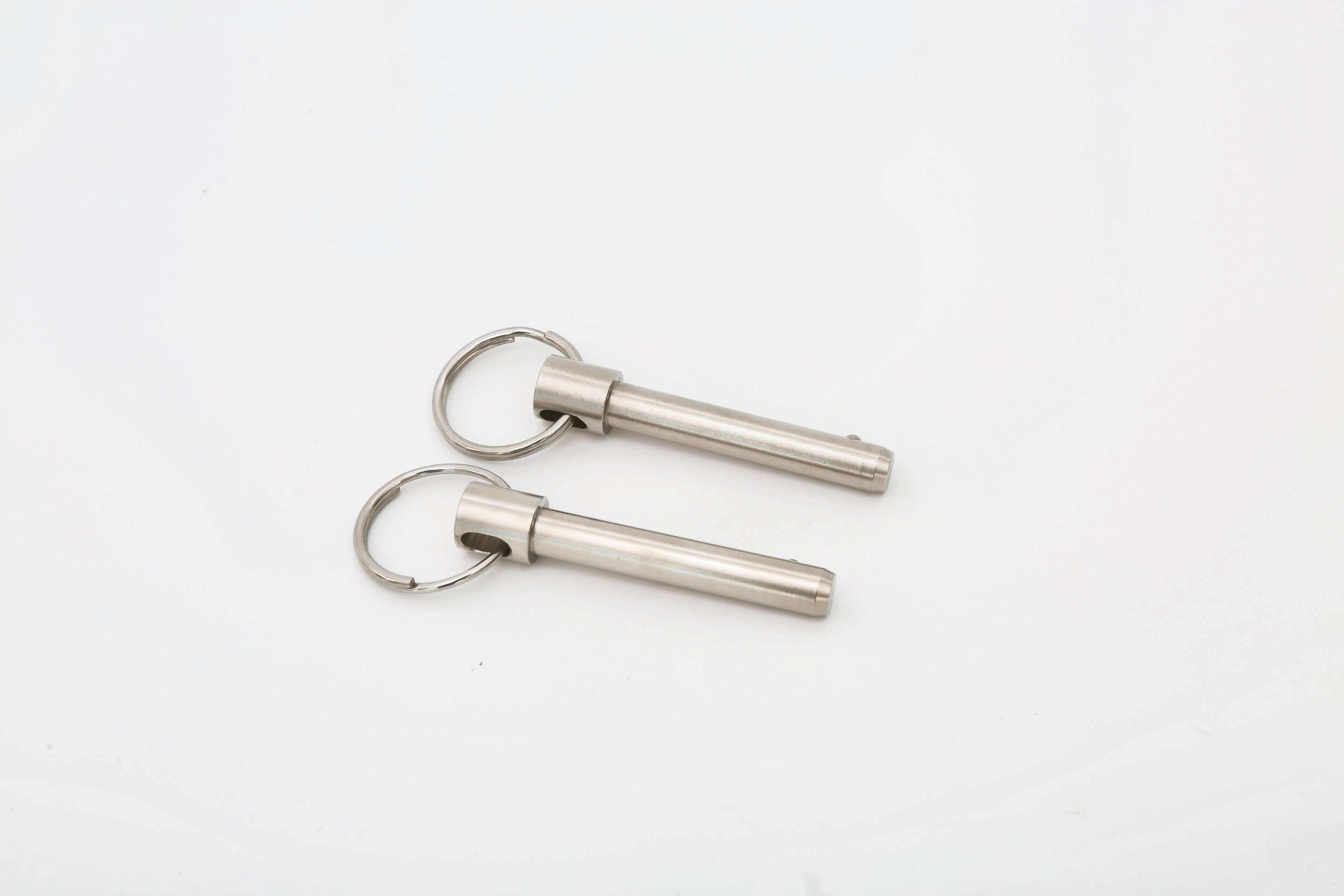
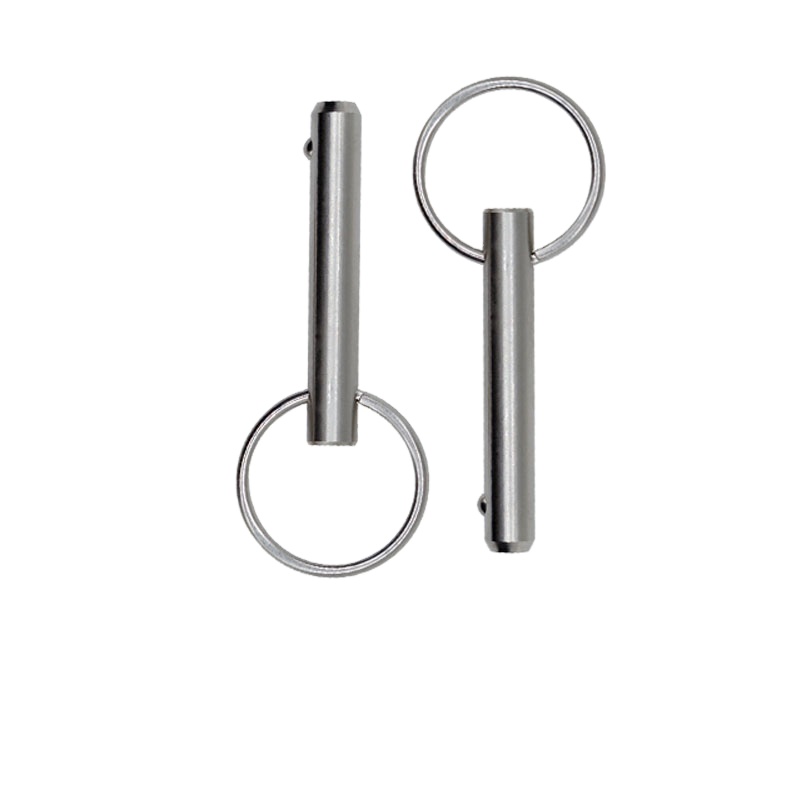
Lock pins, also known as locking pins or quick-release pins, are fasteners designed to secure components in place. They typically feature a locking mechanism, such as spring-loaded balls or a cam mechanism, that engages with a detent hole or groove to provide a secure lock.
Components:
-
Pin Body: The main shaft of the pin, which is inserted into the mating hole.
-
Locking Mechanism: Usually consists of spring-loaded balls or a cam mechanism that engages with a detent hole or groove.
-
Release Button or Lever: Activates the locking mechanism to release the pin.
2. Importance of Selecting the Right Size
Performance:
Selecting the correct size of a lock pin ensures that it provides a secure and reliable lock. An improperly sized pin may fail to engage properly, leading to instability and potential failure.
Safety:
Using the right size lock pin is crucial for safety, especially in high-stress or safety-critical applications. An incorrectly sized pin may not withstand the required load, posing a risk of failure.
Compatibility:
The lock pin must be compatible with the mating hole or groove. Selecting the correct size ensures proper fit and function, reducing the risk of damage to the components.
3. Lock Pin Size Chart
Diameter:
The diameter of lock pins typically ranges from 1/8 inch (3.175 mm) to 3/4 inch (19.05 mm). Common sizes include 1/8", 3/16", 1/4", 5/16", 3/8", 1/2", and 3/4". The choice of diameter depends on the load requirements and the size of the hole in the application.
Length:
The length of lock pins varies depending on the application. Standard lengths range from 1/2 inch (12.7 mm) to 6 inches (152.4 mm) or more. Common lengths include 1/2", 3/4", 1", 1-1/2", 2", 3", 4", and 6". The length should be chosen based on the thickness of the materials being fastened and the required engagement depth.
Thread Size:
For threaded lock pins, standard thread sizes include #10-32, 1/4"-20, 5/16"-18, 3/8"-16, and 1/2"-13. The thread size should match the corresponding tapped hole in the application to ensure a secure fit.

Additional Notes:
- Grip Length (L): Distance from the shoulder to the locking balls.
- Overall Length (OAL): Varies by manufacturer and design.
- Handle Options: T-Handle, L-Handle, Button-Type, or Ring Handle.
- Materials: Stainless steel (304/316) for corrosion resistance, Carbon Steel for strength.
- Custom Sizes Available: Some manufacturers offer custom lengths and diameters based on application needs.
4. Key Considerations for Selecting Lock Pin Size
Load Requirements:
Consider the load requirements of your application when selecting a lock pin. Ensure that the pin's diameter and material can handle the expected load without failure.
Environmental Conditions:
Choose a lock pin made from materials suitable for the environmental conditions of your application. For example, stainless steel pins are ideal for corrosive environments, while aluminum pins are suitable for lightweight applications.
Ease of Use:
Select a lock pin with a release mechanism that is easy to operate, especially if frequent adjustments are required. Consider the ergonomics of the release button or lever and the overall design of the pin.
5. Applications of Lock Pins
Machinery and Equipment:
Lock pins are widely used in machinery and equipment to secure components such as levers, handles, and panels. Their quick-release mechanism allows for easy maintenance and adjustments.
Automotive and Aerospace:
In the automotive and aerospace industries, lock pins are used in applications requiring secure and reliable fastening, such as locking mechanisms for doors, hatches, and access panels.
Consumer Products:
Lock pins are commonly found in consumer products such as folding tools, furniture, and sports equipment. They provide a secure and easy-to-use locking mechanism, enhancing the functionality and user experience of the product.
Electronics and Precision Instruments:
In electronics and precision instruments, lock pins are used to secure components and ensure accurate alignment. Their precise and reliable operation makes them valuable in high-precision applications.
6. Installation and Maintenance
Installation:
Installing a lock pin is straightforward. The pin is inserted into the mating hole, and the locking mechanism engages automatically. Proper installation ensures optimal performance and longevity.
Maintenance:
Lock pins require minimal maintenance. Regular inspection for wear and tear, along with occasional lubrication, can help maintain their performance and extend their service life. Replace any damaged components to ensure continued reliable operation.
Explore our lock pin size chart for secure and efficient fastening in industrial applications. Durable and reliable, they ensure smooth operation. Contact us for custom solutions tailored to your needs.
Quick Release Ball Lock Pin Mechanism
How Are Quick Release Pins Made
Related Article