How Much Weight Can A Quick Release Pin Handle
How Much Weight Can A Quick Release Pin Handle? Understanding Its Load Capacity
Quick release pins are versatile fasteners used across various industries, from aerospace to automotive to manufacturing. Their primary function is to provide a secure yet easily removable fastening solution, allowing components to be locked into place and quickly released when necessary. However, one key question that often arises is: How much weight can a quick release pin handle? The answer depends on several factors, including the pin’s design, material, and application. In this article, we will explore the factors that influence the load capacity of quick release pins and provide guidance on selecting the right pin for your needs.
What Is a Quick Release Pin?
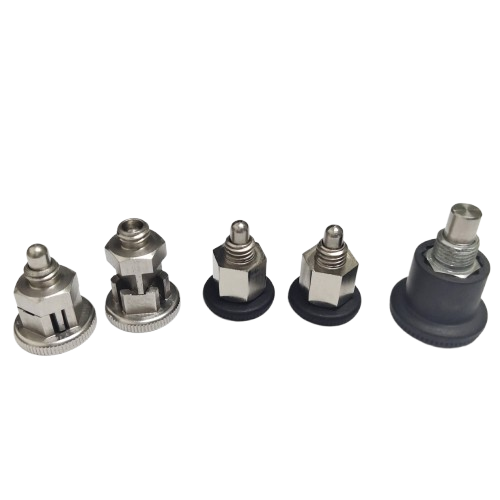
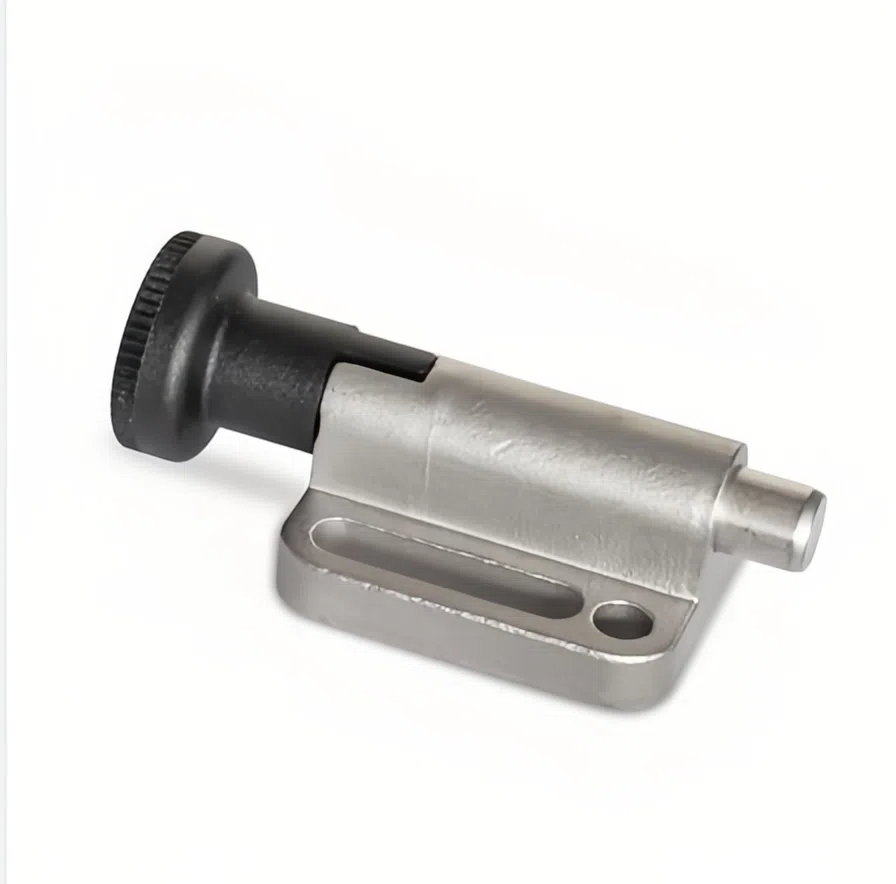
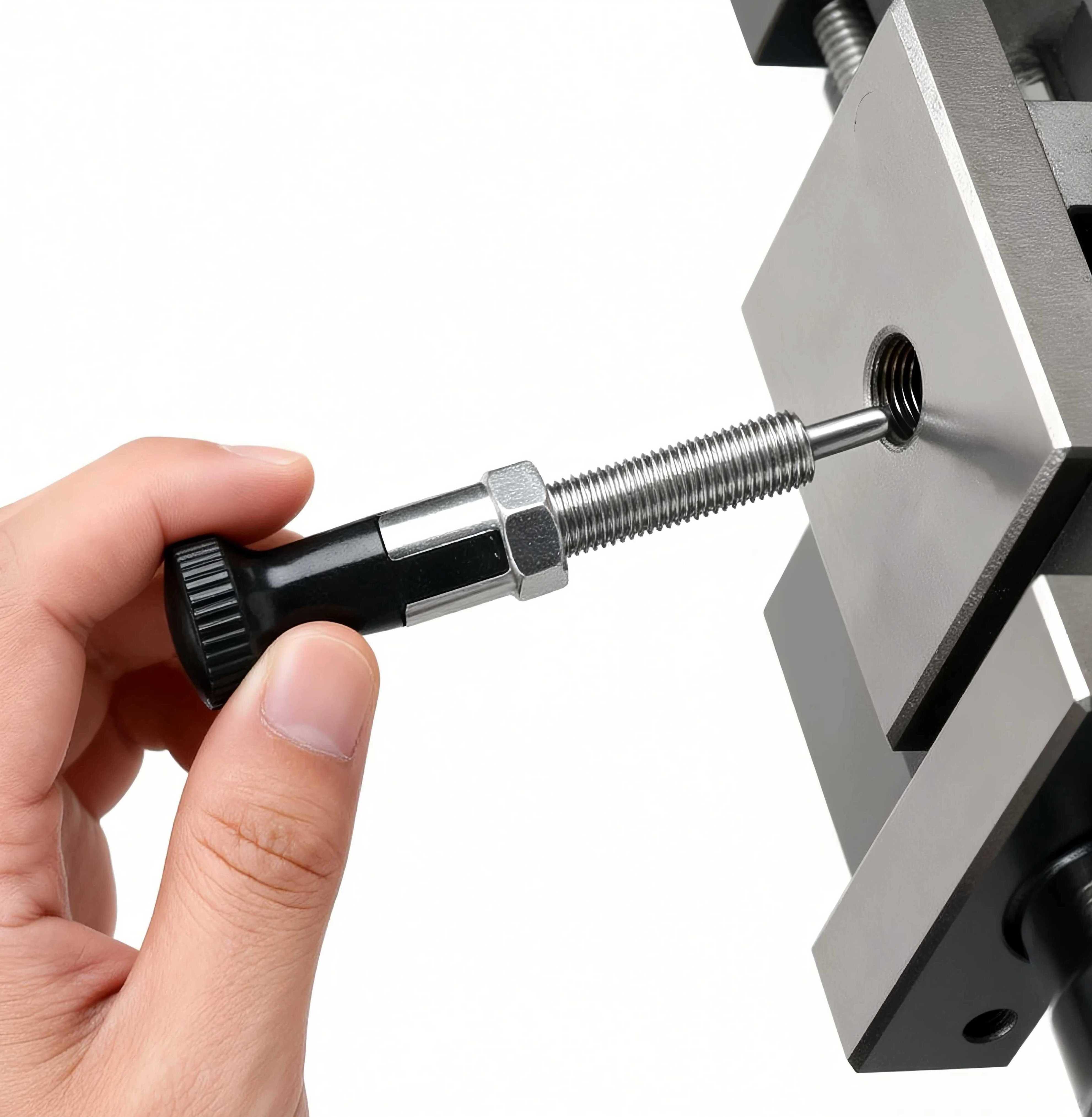
A quick release pin is a fastener that can be inserted into a hole or slot to lock components together. It typically features a spring-loaded mechanism or a ball-bearing locking system that automatically engages once the pin is inserted, ensuring the parts stay securely in place. The release mechanism—such as a push-button or pull-ring—enables the user to easily disengage the pin when it’s time to remove or adjust the components.
Quick release pins are commonly used in applications where fast, secure, and repeatable assembly and disassembly are required, such as in machinery, aircraft, automotive, and construction equipment. These pins are designed for both ease of use and the ability to withstand significant loads during operation.

Factors That Affect the Load Capacity of a Quick Release Pin
The weight a quick release pin can handle is influenced by several factors. Understanding these factors is essential for selecting the right pin for your application.
1. Material of the Pin
The material used to make a quick release pin plays a crucial role in determining its load-bearing capacity. Common materials used for quick release pins include:
- Stainless Steel: Known for its high strength and corrosion resistance, stainless steel quick release pins are ideal for applications in harsh environments or where durability is important.
- Alloy Steel: Offers higher tensile strength compared to stainless steel and is suitable for high-load applications.
- Aluminum: While lightweight and resistant to corrosion, aluminum quick release pins have a lower load capacity and are generally used in less demanding applications.
- Titanium: For extremely high strength-to-weight ratios, titanium quick release pins are used in aerospace and high-performance applications where weight is a critical factor.
The material's tensile strength, hardness, and resistance to wear and fatigue all influence the maximum weight a pin can bear.
2. Pin Diameter and Length
The size of the quick release pin—specifically its diameter and length—directly impacts its load-bearing capacity. Larger diameter pins can typically handle more weight because they provide greater surface area for distributing the load. Similarly, a longer pin may offer more strength than a shorter one, depending on the application.
The hole size in the components being fastened must also match the pin’s diameter. A mismatched pin size can result in a loose fit, reducing the pin’s ability to handle heavy loads effectively.
3. Locking Mechanism
The locking mechanism within the quick release pin also influences its load capacity. Some common locking mechanisms include:
- Spring-loaded ball bearings: These are commonly used for general-purpose quick release pins and offer a secure, reliable hold. The ball bearings grip into the pin’s insertion hole, creating resistance that helps keep the pin in place.
- Detent or notch locks: In these systems, the pin has a notch or recess that clicks into place once the pin is inserted. This type of lock mechanism may offer a different load capacity based on its design.
- Push-button or pull-ring release: Quick release pins with these features may have a higher potential load capacity due to more advanced locking systems that ensure secure engagement.
The effectiveness of the locking mechanism will determine how much weight the pin can safely bear. A more robust locking system typically allows the pin to handle higher loads without failure.
4. Type of Application
The specific application and conditions under which the quick release pin is used also affect its load capacity. For instance, pins used in static applications where the load is steady may have a higher load rating compared to those used in dynamic applications, such as those involving vibrations or shifting forces.
For example, a quick release pin used to secure machinery parts in a static setup may handle more weight compared to one used in an aircraft, where the forces of wind and movement add additional stress on the pin. Similarly, the environment (e.g., high temperatures, corrosive substances) can impact the pin’s performance and load capacity.
Typical Load Capacities of Quick Release Pins
The weight capacity of a quick release pin can vary widely depending on the factors outlined above. Below are general guidelines to give you an idea of what to expect based on common materials and sizes:
- Small Pins (1/8” - 3/8” diameter): These smaller pins are typically used in light-duty applications and can handle loads ranging from 50 to 500 pounds (22 to 227 kg), depending on the material and design.
- Medium Pins (1/2” - 3/4” diameter): These pins are often used in industrial and automotive applications and can handle loads between 500 to 1,500 pounds (227 to 680 kg).
- Large Pins (1” and above): Used in heavy-duty industrial or aerospace applications, large quick release pins can typically handle loads from 1,500 to 3,000 pounds (680 to 1,360 kg) or more, depending on the material and locking mechanism.
How to Determine the Right Quick Release Pin for Your Application
To determine how much weight a quick release pin can handle in your specific application, follow these steps:
- Evaluate the load requirements: Determine the weight and type of load the pin will need to secure.
- Choose the appropriate material: Select a material that can withstand the forces and environmental conditions your pin will be exposed to.
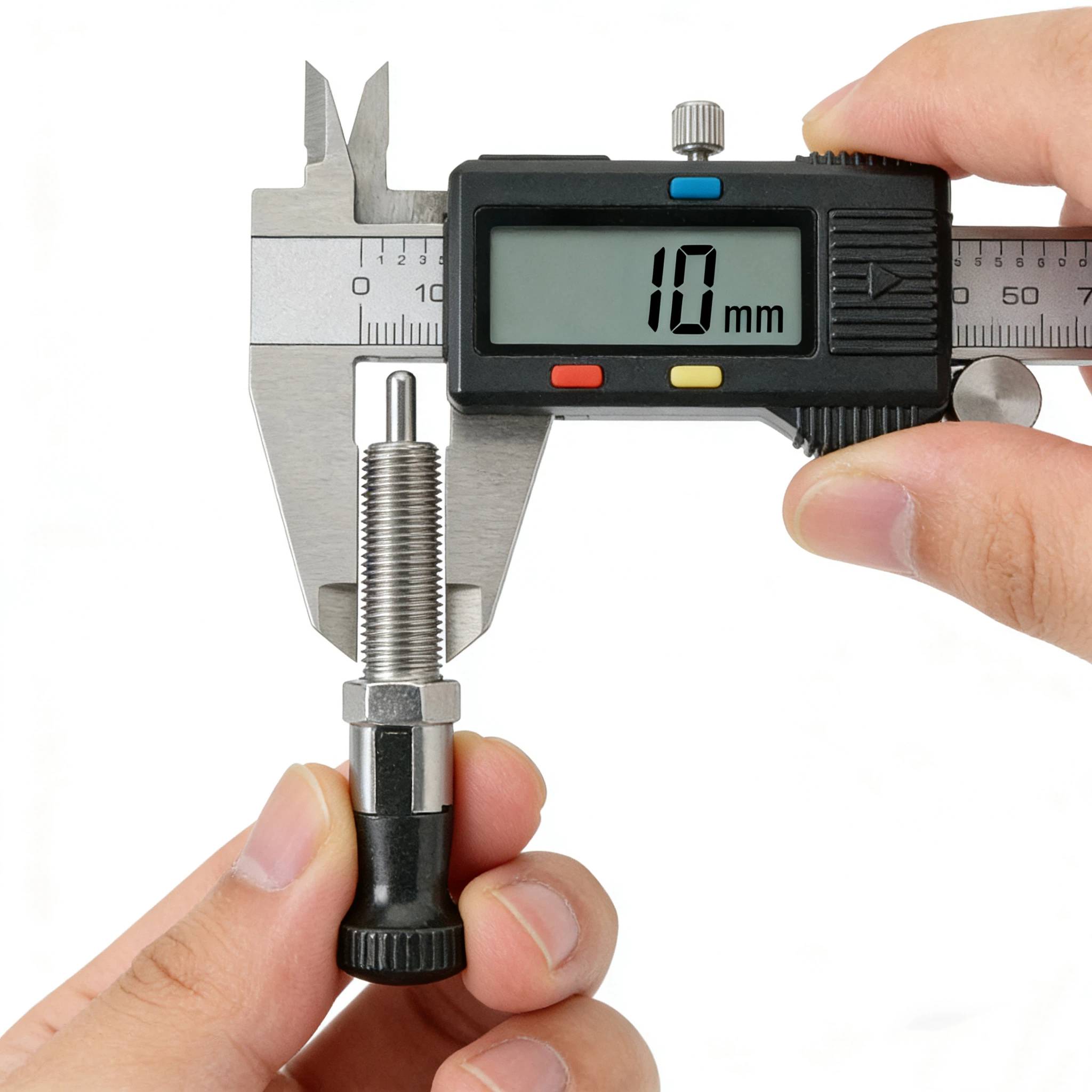
- Measure the pin size: Ensure the diameter and length of the pin match the hole size and application requirements.
- Select a locking mechanism: Choose a pin with a locking mechanism suited for the level of security and load-bearing capacity needed.
- Consult manufacturer specifications: Always refer to the technical data provided by the pin manufacturer for load ratings and suitability for your application.
Discover high-quality 1/2 quick release pins and 3/8 quick release pins for secure and efficient fastening in industrial and automotive applications. Durable and reliable solutions for your needs. Contact us today.
How Is A Quick Release Pin Measured
Choosing the Right Line Array Lock Pin
Related Article