
Self Locking Pin Plunger Applications
author: Lucia Liu
2025-12-08
Self Locking Pin Plunger Applications
Table of Contents
Mocayo self locking pin plungers are important indexing elements for accurate and precise positioning and locking. They're designed with a retractable pin for flexible asjustment between a stationary and a moving component. They are ideal alternative of nuts and bolts, installing manually on-touch without any tools to achieve tight locking without falling off.
What is Self Locking Pin?
A self-locking pin is a mechanical component that achieves automatic locking and release functions through its internal structure. Its core feature lies in enabling insertion, positioning, and removal operations without requiring additional tools. This structure typically consists of a pin, a spring, and a housing, achieving reliable locking through spring force or mechanical engagement.
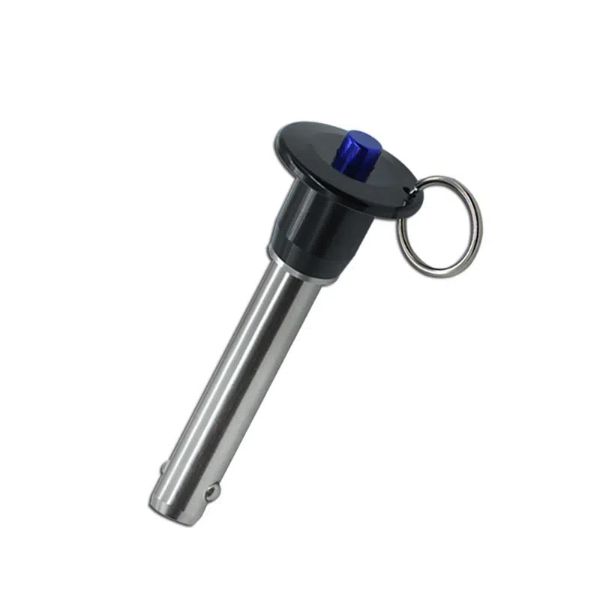
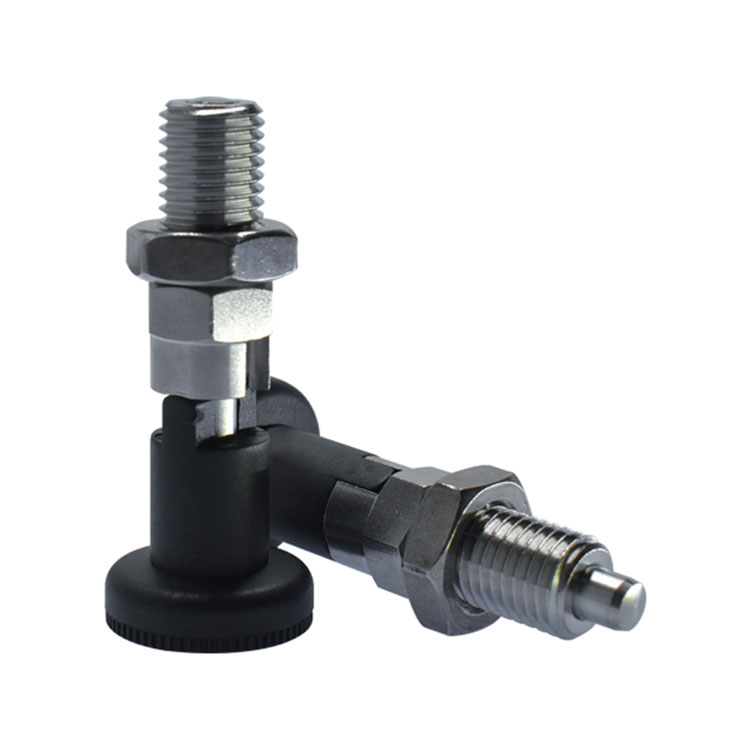
From a structural perspective, self locking pins are primarily categorized into two common types: indexing plungers and ball lock pins. Though structurally distinct, both adhere to the fundamental principle of “lock upon insertion, release upon operation,” making them suitable for industrial environments requiring frequent positioning. In practical applications, the appropriate selection of self locking pins can significantly enhance assembly efficiency while reducing the risk of operational errors.
In demanding conditions with stringent material requirements, stainless steel self locking pins are widely adopted due to their superior corrosion resistance and structural stability.
A self-locking pin is a mechanical component that achieves automatic locking and release functions through its internal structure. Its core feature lies in enabling insertion, positioning, and removal operations without requiring additional tools. This structure typically consists of a pin, a spring, and a housing, achieving reliable locking through spring force or mechanical engagement.
From a structural perspective, self locking pins are primarily categorized into two common types: indexing plungers and ball lock pins. Though structurally distinct, both adhere to the fundamental principle of “lock upon insertion, release upon operation,” making them suitable for industrial environments requiring frequent positioning. In practical applications, the appropriate selection of self locking pins can significantly enhance assembly efficiency while reducing the risk of operational errors.
In demanding conditions with stringent material requirements, stainless steel self locking pins are widely adopted due to their superior corrosion resistance and structural stability.
Indexing Plunger
The indexing plunger typically consists of a housing, spring, and retractable pin. During operation, the pin automatically engages the positioning hole under spring force to achieve positional locking. When the operator manually pulls or rotates the operating head, the pin retracts, thereby releasing the locked state.
Regarding material selection, indexing plungers require specific strength and wear resistance properties. Common manufacturing materials include stainless steel grades 303, 304, 316, and 17-4PH. Specifically, 303 and 304 stainless steel are suitable for conventional mechanical environments, while 316 stainless steel is better suited for applications demanding higher corrosion resistance. 17-4PH stainless steel offers advantages in applications requiring superior mechanical strength or structural stability.
Regarding material selection, indexing plungers require specific strength and wear resistance properties. Common manufacturing materials include stainless steel grades 303, 304, 316, and 17-4PH. Specifically, 303 and 304 stainless steel are suitable for conventional mechanical environments, while 316 stainless steel is better suited for applications demanding higher corrosion resistance. 17-4PH stainless steel offers advantages in applications requiring superior mechanical strength or structural stability.

Ball Lock Pins
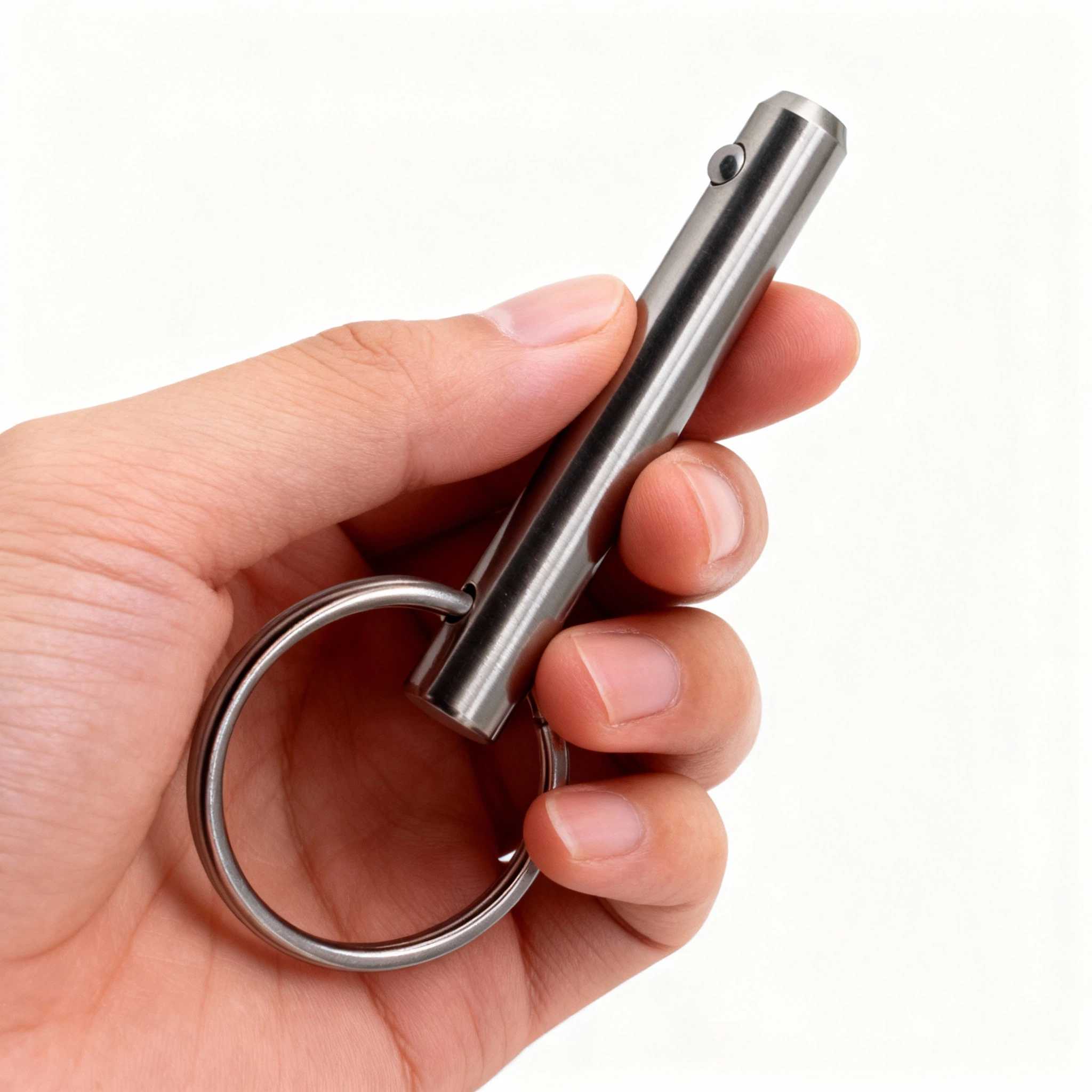
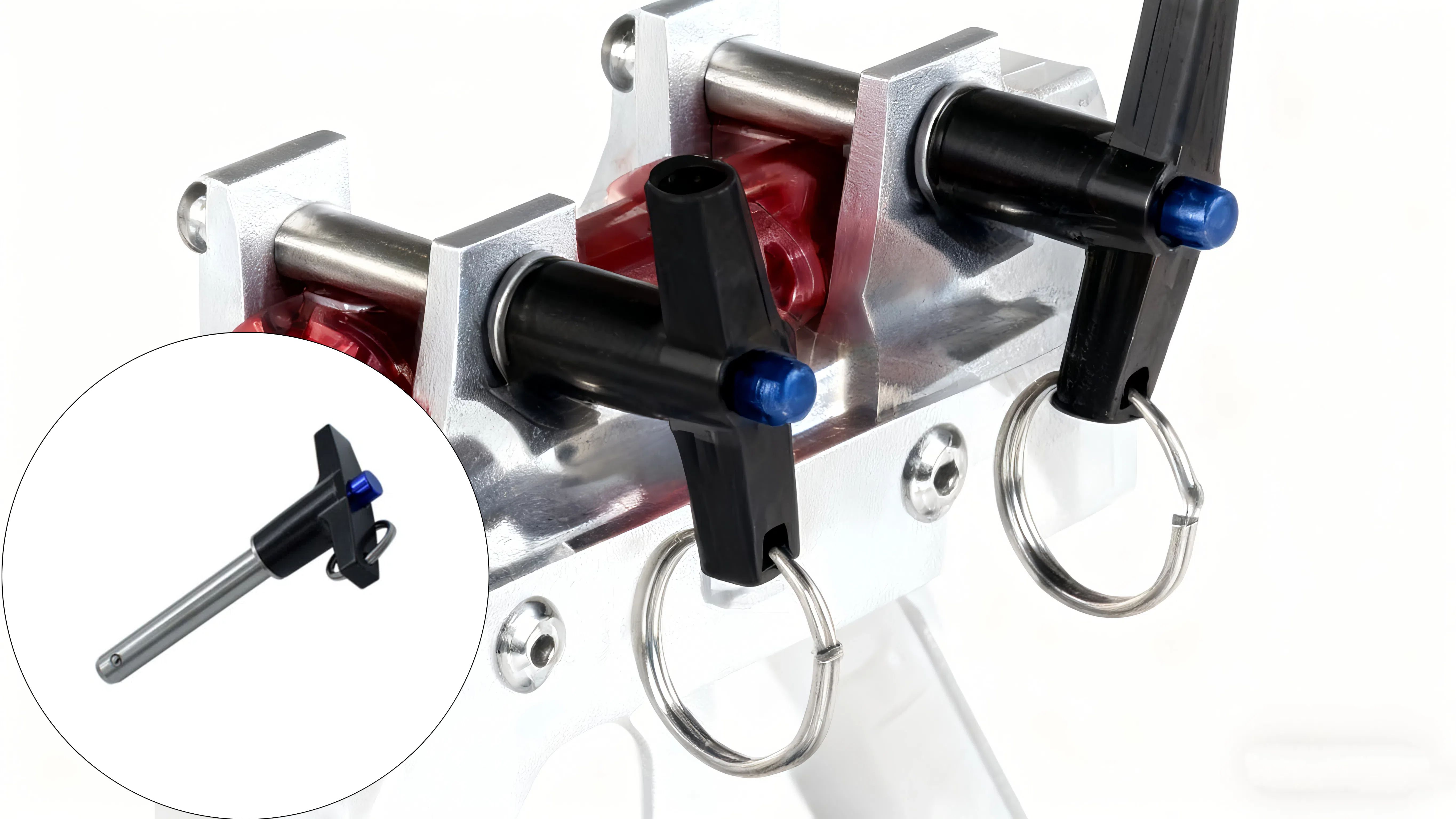
Ball lock pins achieve locking through steel balls at the pin ends. When the balls are pushed outward by springs , the pins securely fasten within mounting holes. Locking and unlocking require only axial operation, making ball lock pins a highly efficient type of self-locking pin plunger.
Regarding manufacturing materials, ball lock pins offer greater material diversity. Common materials include stainless steel grades 303, 304, 316, and 17-4PH, while aluminum alloy 6063 is applied to the handle. The handle can be customized with different colors.
Different stainless steel grades can meet varying requirements for corrosion resistance, strength, and service life.
Regarding manufacturing materials, ball lock pins offer greater material diversity. Common materials include stainless steel grades 303, 304, 316, and 17-4PH, while aluminum alloy 6063 is applied to the handle. The handle can be customized with different colors.
Different stainless steel grades can meet varying requirements for corrosion resistance, strength, and service life.
Typical Applications of Self Locking Pin Plungers
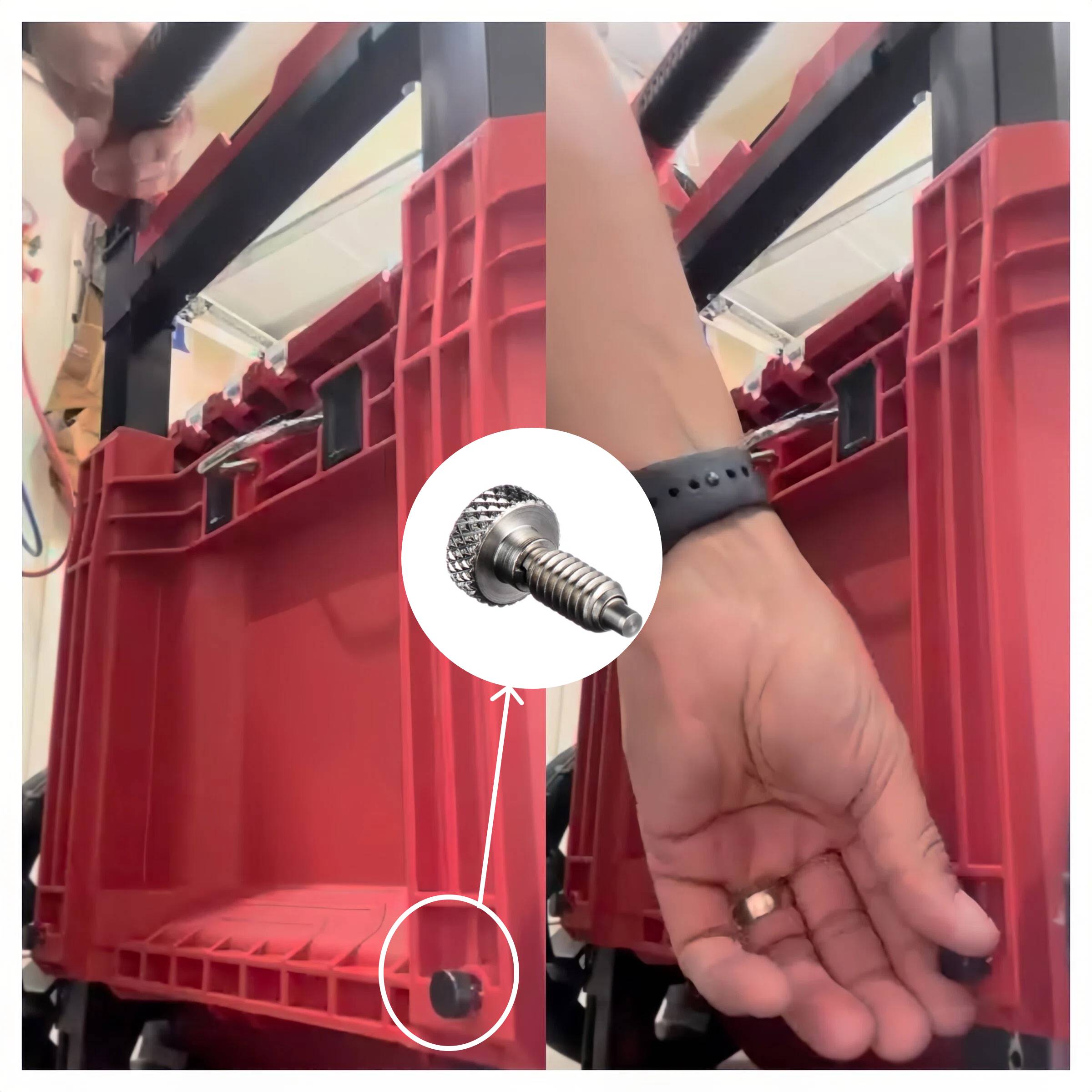
In mechanical equipment, self locking pin plungers are commonly used in adjustable guide rails, movable platforms, and limit structures to achieve rapid positioning and reliable fixation. In the field of tooling fixtures, indexing plungers enable operators to lock positions without auxiliary tools, thereby enhancing operational efficiency. For modular design structures, ball lock pins are more suitable for connections requiring frequent disassembly and reassembly, particularly in weight-sensitive applications. Lock pins made from aluminum alloy 6063 can effectively reduce overall load. Additionally, different types of stainless steel ball lock pins can meet varying requirements for strength and environmental adaptability.
In mechanical equipment, self locking pin plungers are commonly used in adjustable guide rails, movable platforms, and limit structures to achieve rapid positioning and reliable fixation. In the field of tooling fixtures, indexing plungers enable operators to lock positions without auxiliary tools, thereby enhancing operational efficiency. For modular design structures, ball lock pins are more suitable for connections requiring frequent disassembly and reassembly, particularly in weight-sensitive applications. Lock pins made from aluminum alloy 6063 can effectively reduce overall load. Additionally, different types of stainless steel ball lock pins can meet varying requirements for strength and environmental adaptability.
FAQ
Q: How to choose the perfect self locking pin plunger for my project?
A: In practical applications, selecting the appropriate self-locking pin plunger requires comprehensive consideration of the locking mechanism, material type, stroke requirements, and installation conditions.
Q: What material should I choose for self locking pin plunger?
A: In high-humidity or corrosive environments, 316 stainless steel is the preferred choice, while structures requiring high mechanical strength may consider 17-4PH stainless steel.
By correctly matching materials and structural designs, the Self-Locking Pin Plunger maintains stable performance over extended use, providing reliable assurance for equipment positioning and locking.
By correctly matching materials and structural designs, the Self-Locking Pin Plunger maintains stable performance over extended use, providing reliable assurance for equipment positioning and locking.
Q: How long does your lead time take?
A: It depends on your quantity, but it generally takes 10-15 days.
Improve adjustability using Self Locking Pin Plunger assemblies. Each index plunger offers controlled positioning, while quick release pins allow fast handling without sacrificing holding strength.
Why Choose Plate Mount Indexing Plunger
What Is Indexing Plunger With Rest Position
Related Article
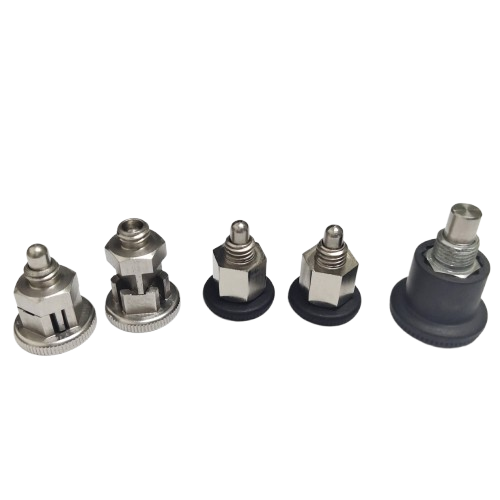
Explore the application of stainless steel materials for customizing mini indexing plungers based on specific operational environments and suitable spaces.
How To Make A Mini Indexing Plunger
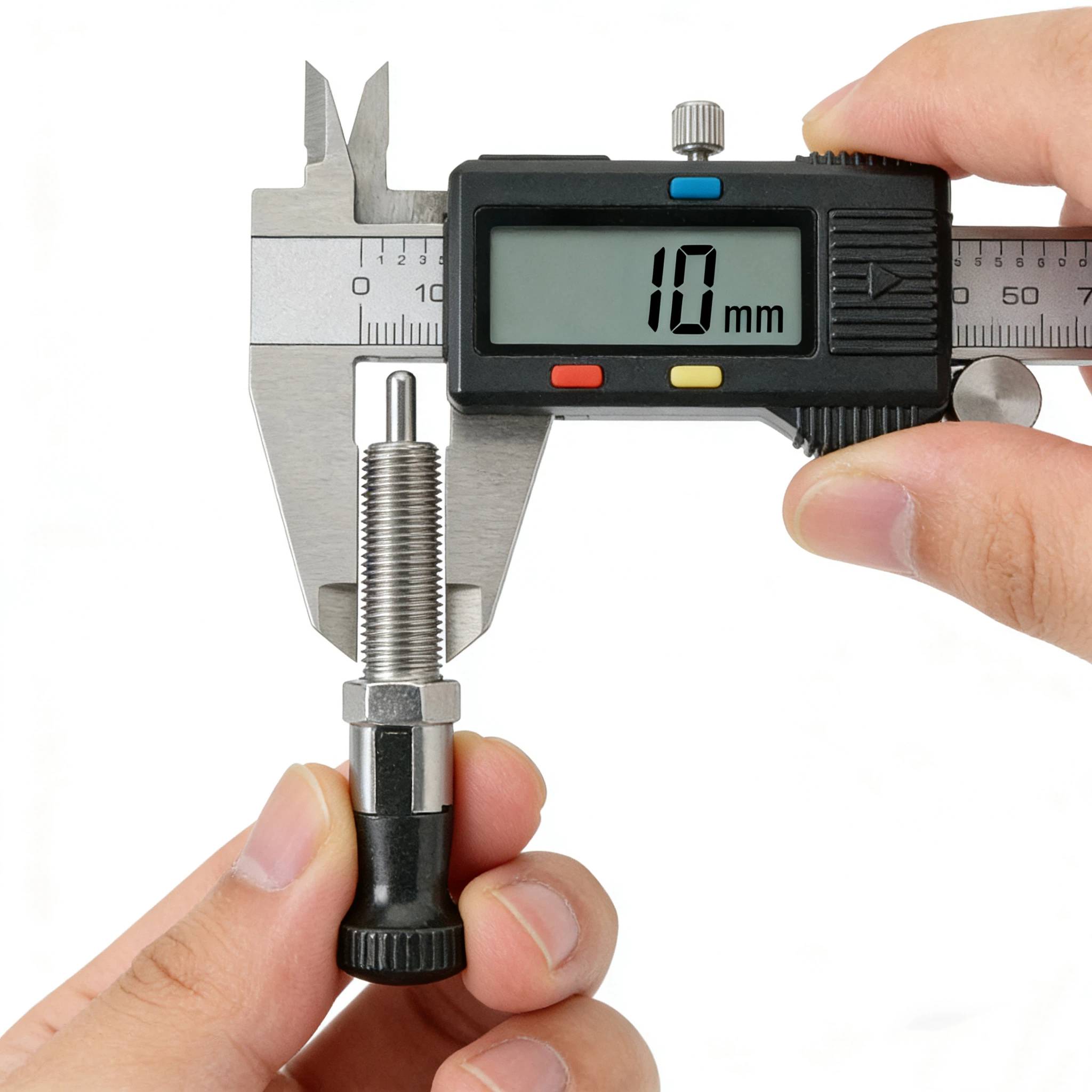
Discover how to choose correct size for indexing elements with confidence. Get precise recommendations that improve positioning accuracy, durability, and overall system performance.
How To Choose Correct Size For Indexing Elements
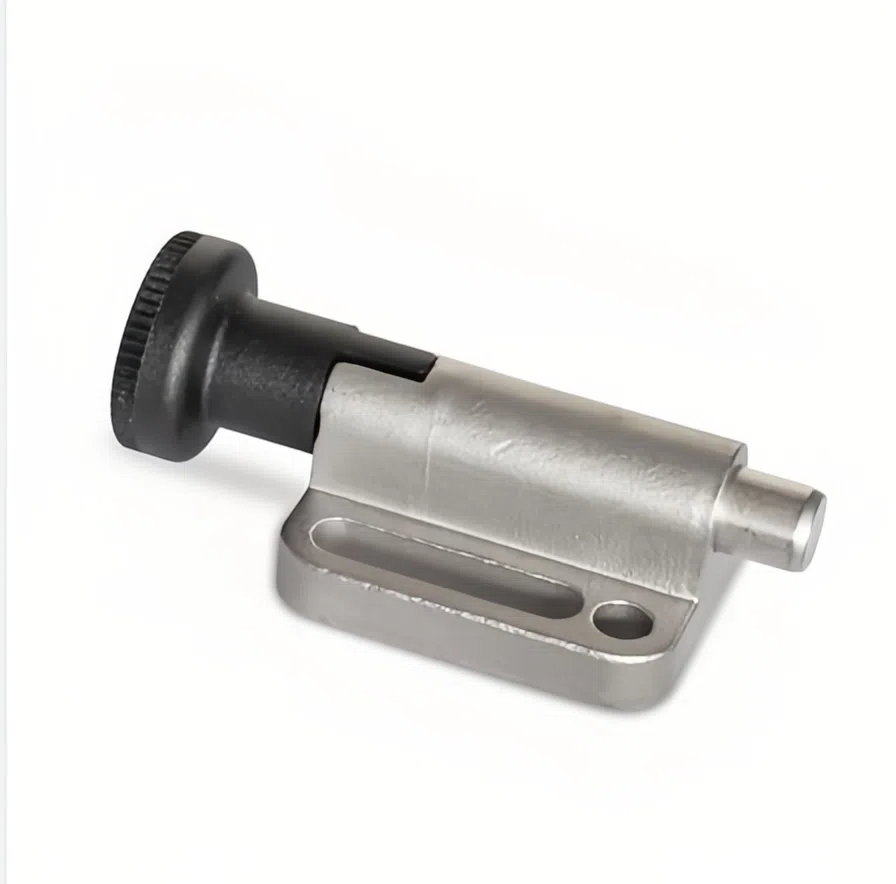
Exploring the Key Design Features, Application Scenarios, and Material Selection or Customization for Plate Mount Indexing Plungers
Why Choose Plate Mount Indexing Plunger

Understand what an “Indexing Plunger with Rest Position” is. Its innovative design enables not only repeatable positioning but also maintains positioning at a fixed location. Featuring a specific groove design, it resists vibration even during machine operation.
What Is Indexing Plunger With Rest Position