
How To Choose Correct Size For Indexing Elements
author: Lucia Liu
2025-12-09
How To Choose Correct Size For Indexing Elements
Table of Contents
What Are Indexing Elements
Indexing elements typically refer to mechanical components used for positioning, indexing, or quick locking. Their core functions are:
• Providing a defined and repeatable position
• Simplifying assembly and adjustment processes
• Enhancing the efficiency and reliability of the structure
Indexing elements typically refer to mechanical components used for positioning, indexing, or quick locking. Their core functions are:
• Providing a defined and repeatable position
• Simplifying assembly and adjustment processes
• Enhancing the efficiency and reliability of the structure
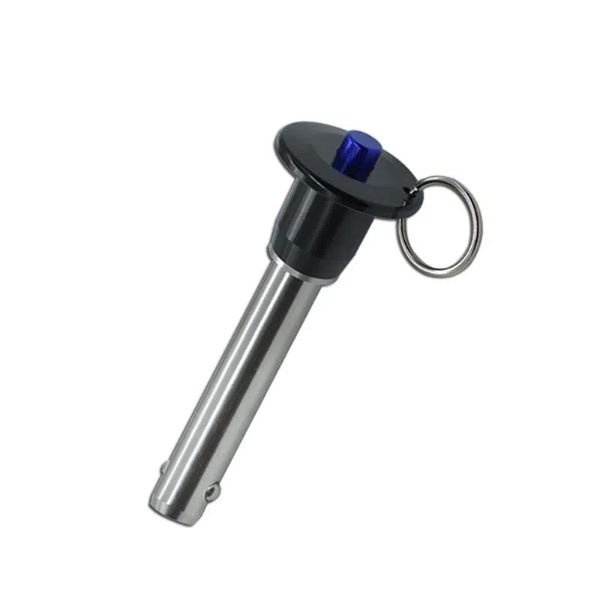
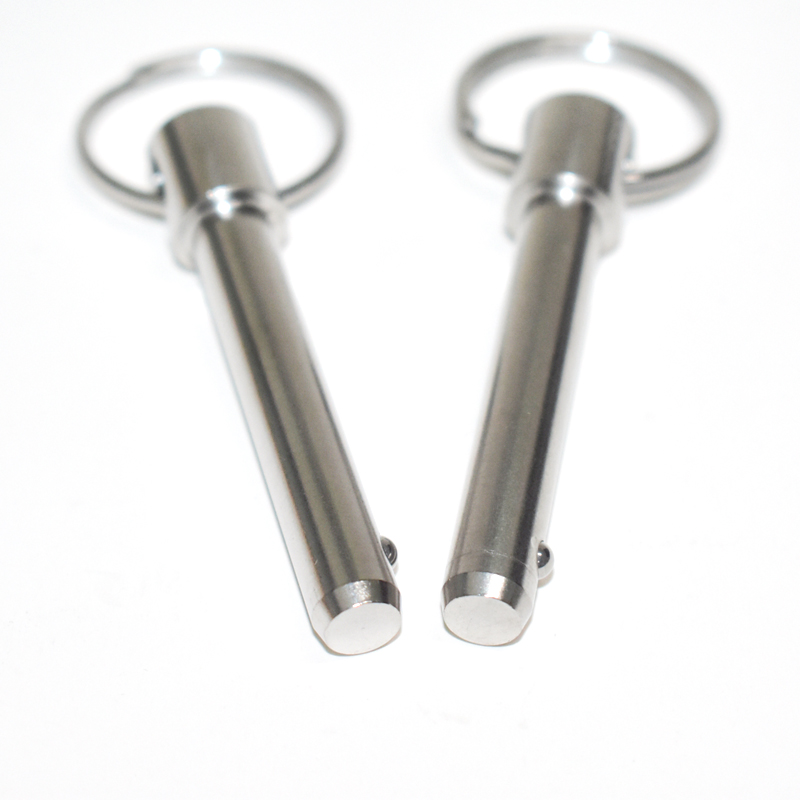
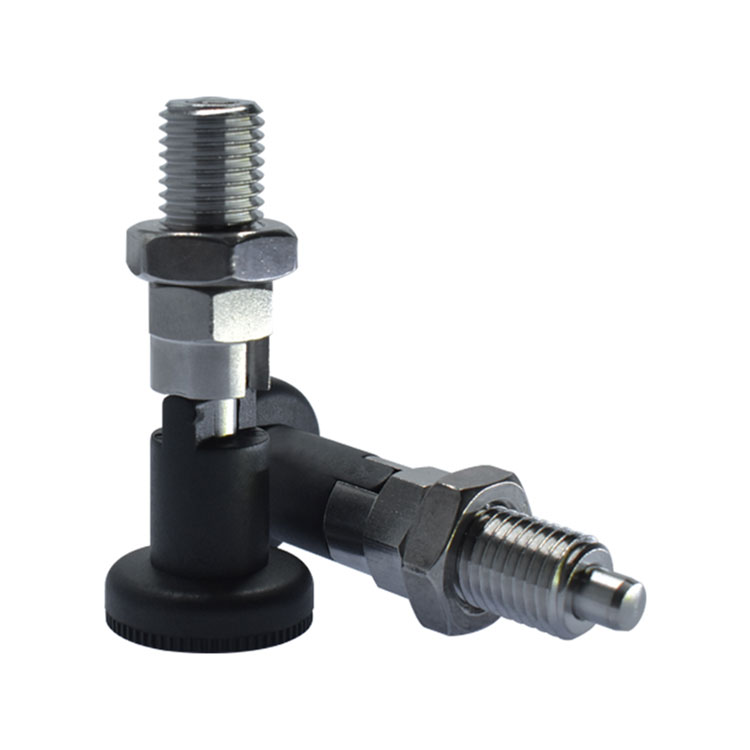
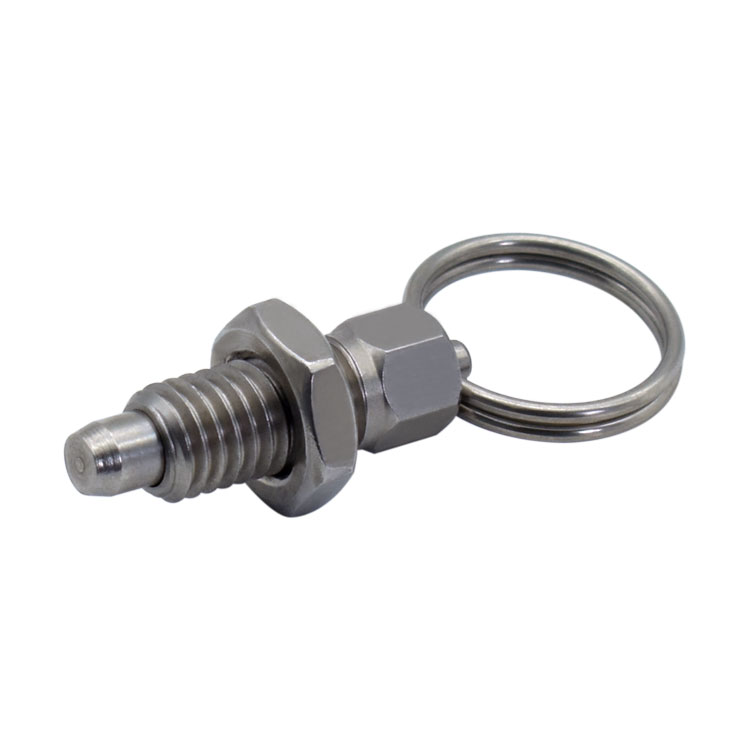
The two most common types of indexing elements are indexing plungers and quick release pins.
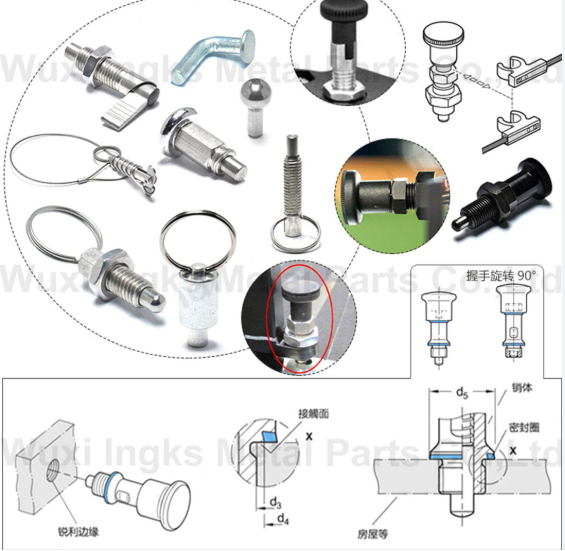
Indexing Plunger
An indexing plunger is a positioning component that relies on an internal spring to drive a pin into a locating hole. It is widely used in scenarios requiring “positioning-release-repositioning.”
Once the pin enters the mating hole, the structure remains fixed in the designated position. Manual pulling or rotating the handle releases the lock and allows position adjustment.
Once the pin enters the mating hole, the structure remains fixed in the designated position. Manual pulling or rotating the handle releases the lock and allows position adjustment.
Regarding material selection, the main body of indexing plungers is typically manufactured from the following materials:
Beyond metal, handles commonly incorporate plastic to reduce weight and enhance operational feel. This combination proves highly practical in light-load or high-frequency operation scenarios.
How the Indexing Plunger Works
The indexing plunger relies on an internal spring to continuously push the pin outward. When the pin head aligns with the locating hole, the pin automatically snaps into the hole, achieving reliable positioning.
The indexing plunger relies on an internal spring to continuously push the pin outward. When the pin head aligns with the locating hole, the pin automatically snaps into the hole, achieving reliable positioning.
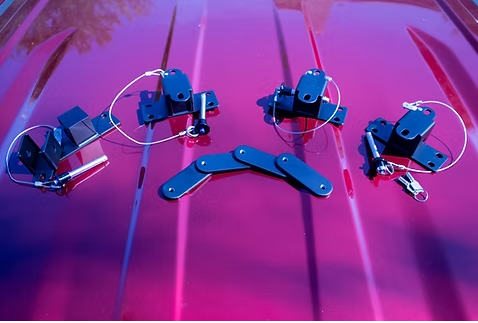
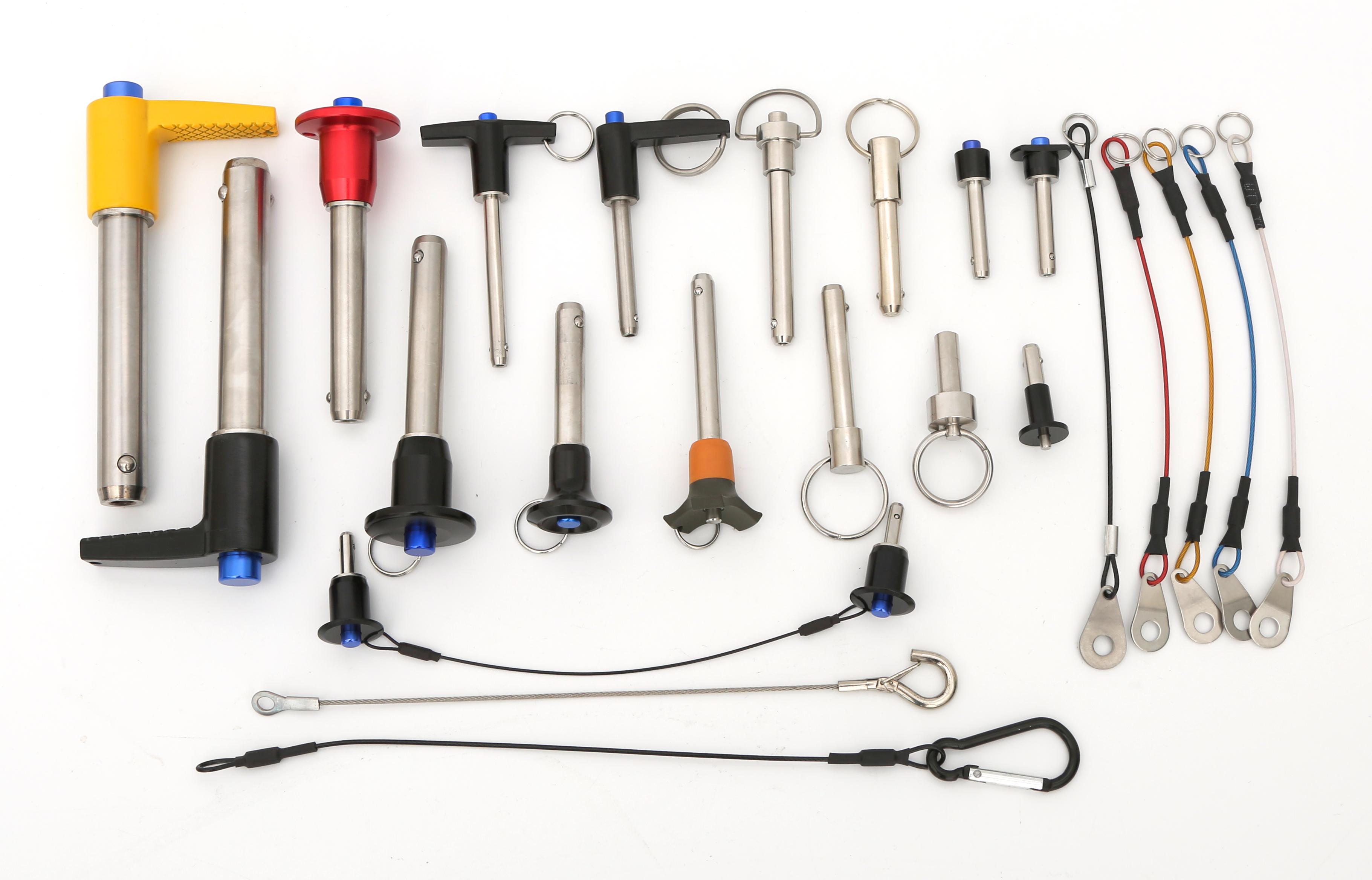
Quick release pins are primarily used for rapid connection and disassembly. They typically rely not on sustained spring force for positioning, but instead achieve secure locking through an internal locking mechanism.
Compared to indexing plungers, quick release pins place greater emphasis on operational speed and convenience.
Compared to indexing plungers, quick release pins place greater emphasis on operational speed and convenience.
Regarding manufacturing materials, the pin shafts of quick release pins are commonly selected from:
stainless steel 303/stainless steel 304/Stainless steel 316/Stainless steel 17-4PH
These stainless steel grades balance strength with corrosion resistance. For the handle or button components, aluminum alloy 6063 is commonly used. This material offers lightweight properties and excellent surface treatment compatibility, making it suitable for anodizing to enhance both appearance and durability.
How Quick Release Pins Work
Quick release pins control an internal locking mechanism via a button or pull ring. After insertion into the mounting hole, pressing the release button locks the pin in place. When the button is pressed or the pull ring is pulled, the locking mechanism disengages, allowing the pin to be quickly removed.
Because they do not rely on continuous spring force, quick release pins are better suited for applications requiring frequent assembly and disassembly.
How to Select the Right Size of Indexing Elements
1. Installation Thickness and Space Requirements
First, confirm the thickness of the mounting panel or housing.
For thin-walled stainless steel or aluminum alloy 6063 components, select indexing plungers suitable for thin-plate mounting.
For quick release pins, ensure the pin length fully penetrates the connecting component to achieve reliable locking.
2. Pin Diameter Selection
Pin diameter directly impacts load capacity and positioning stability.
Larger diameters suit high-strength connections.
Smaller diameters suit light loads or space-constrained applications.
For both indexing plungers and quick release pins, stainless steel 303/304/316 or 17-4PH pin materials deliver reliable performance across diverse environments.
Larger diameters suit high-strength connections.
Smaller diameters suit light loads or space-constrained applications.
For both indexing plungers and quick release pins, stainless steel 303/304/316 or 17-4PH pin materials deliver reliable performance across diverse environments.
3. Matching Effective Stroke
For indexing plungers, effective stroke determines the depth of pin insertion into the positioning hole. Insufficient stroke leads to unstable positioning, while excessive stroke may compromise structural compactness.
Quick release pins require attention to whether the effective insertion length meets the total thickness requirement of the connecting components.
4. Operating Method and Handle Dimensions
In space-constrained applications or scenarios requiring frequent operation, handle size and shape are critical.
Plastic handles are suitable for reducing weight and operational fatigue.
Aluminum alloy 6063 handles offer advantages in appearance and rigidity.
Reasonably selecting these details helps enhance the overall user experience of Indexing Elements.
FAQ
Q: What standard size do you have for quick release pins and indexing plungers?
A: We have metric quick release pins like 3/16 quick release pin, 1/8 quick release pin, 5/16 quick release pin. And we have m6 index plunger, m8 index plunger, m10 index plunger and m20 index plunger.
Q: What application do indexing plunger and quick release pins apply to?
A: Indexing plungers are commonly used in:
• Multi-position adjustments for mechanical equipment
• Rapid positioning of tooling fixtures
• Structures requiring repeatable precision indexing
• Multi-position adjustments for mechanical equipment
• Rapid positioning of tooling fixtures
• Structures requiring repeatable precision indexing
Quick release pins are more suitable for:
• Connecting components requiring frequent disassembly
• Securing modular structures
• Temporary locking or quick-installation systems
• Connecting components requiring frequent disassembly
• Securing modular structures
• Temporary locking or quick-installation systems
Learn how to choose correct size for indexing elements for precise alignment and dependable operation across mechanical and automation systems.
How To Make A Mini Indexing Plunger
Why Choose Plate Mount Indexing Plunger
Related Article
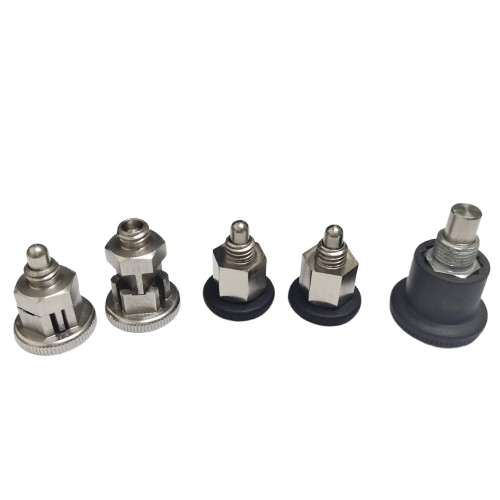
Explore the application of stainless steel materials for customizing mini indexing plungers based on specific operational environments and suitable spaces.
How To Make A Mini Indexing Plunger
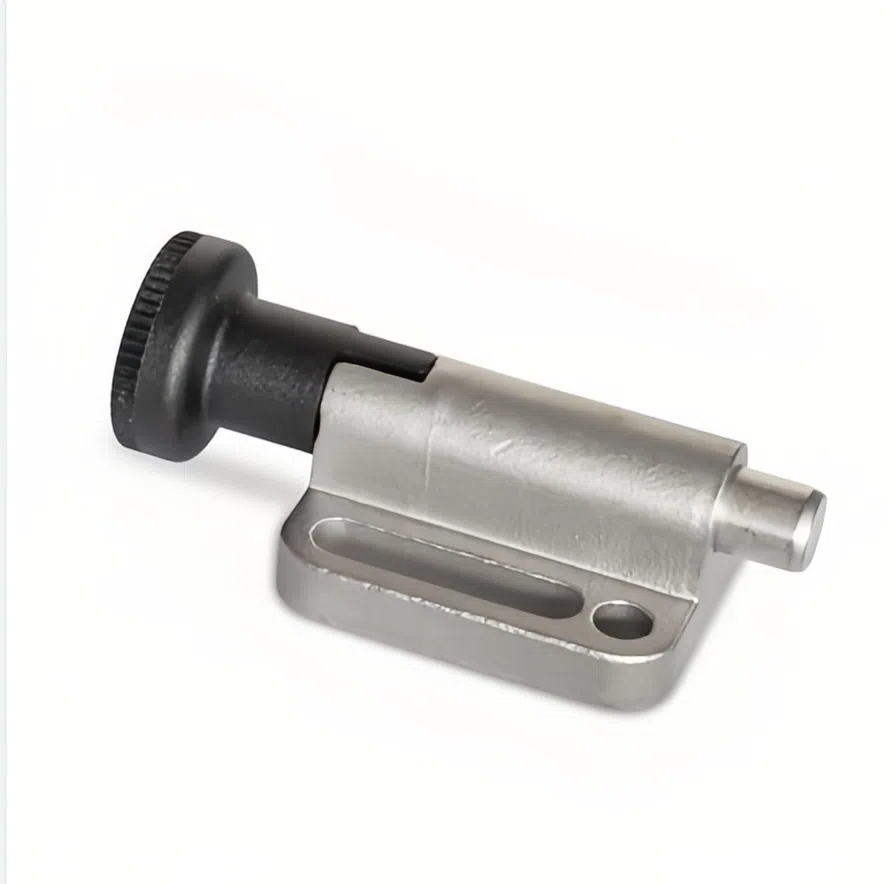
Exploring the Key Design Features, Application Scenarios, and Material Selection or Customization for Plate Mount Indexing Plungers
Why Choose Plate Mount Indexing Plunger
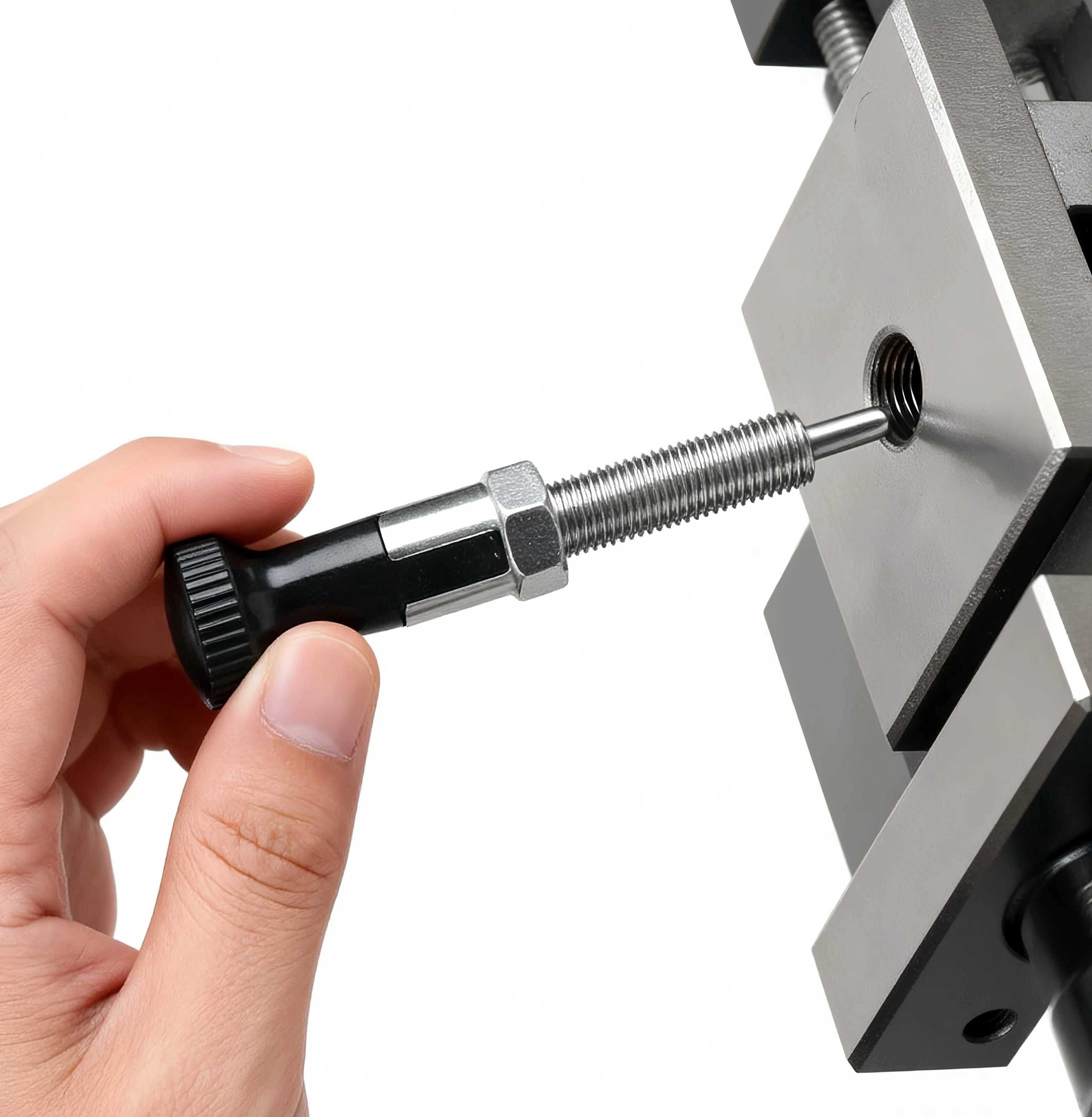
Upgrade your assembly system using Self Locking Pin Plunger components. From index plunger designs to high-strength quick release pins, these solutions offer controlled locking, easy handling, and long service life.
Self Locking Pin Plunger Applications

Understand what an “Indexing Plunger with Rest Position” is. Its innovative design enables not only repeatable positioning but also maintains positioning at a fixed location. Featuring a specific groove design, it resists vibration even during machine operation.
What Is Indexing Plunger With Rest Position