Do Spring Plungers Need Lubrication
Do Spring Plungers Need Lubrication?
Spring plungers are widely used in various mechanical and industrial applications, serving as essential components for positioning, locking, or applying consistent pressure. A common question that arises regarding their maintenance is whether spring plungers require lubrication. This article explores the importance of lubrication for spring plungers, the benefits it provides, and the considerations to keep in mind.

1. Understanding Spring Plungers
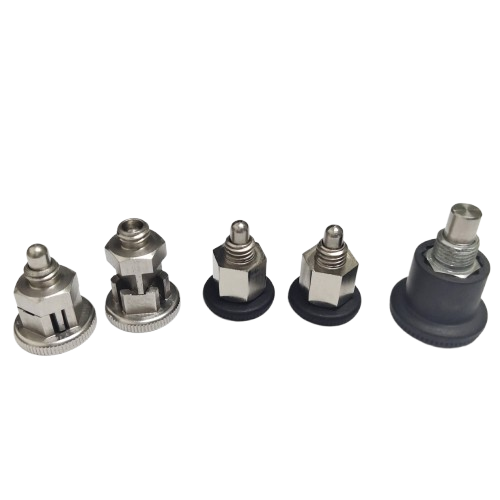
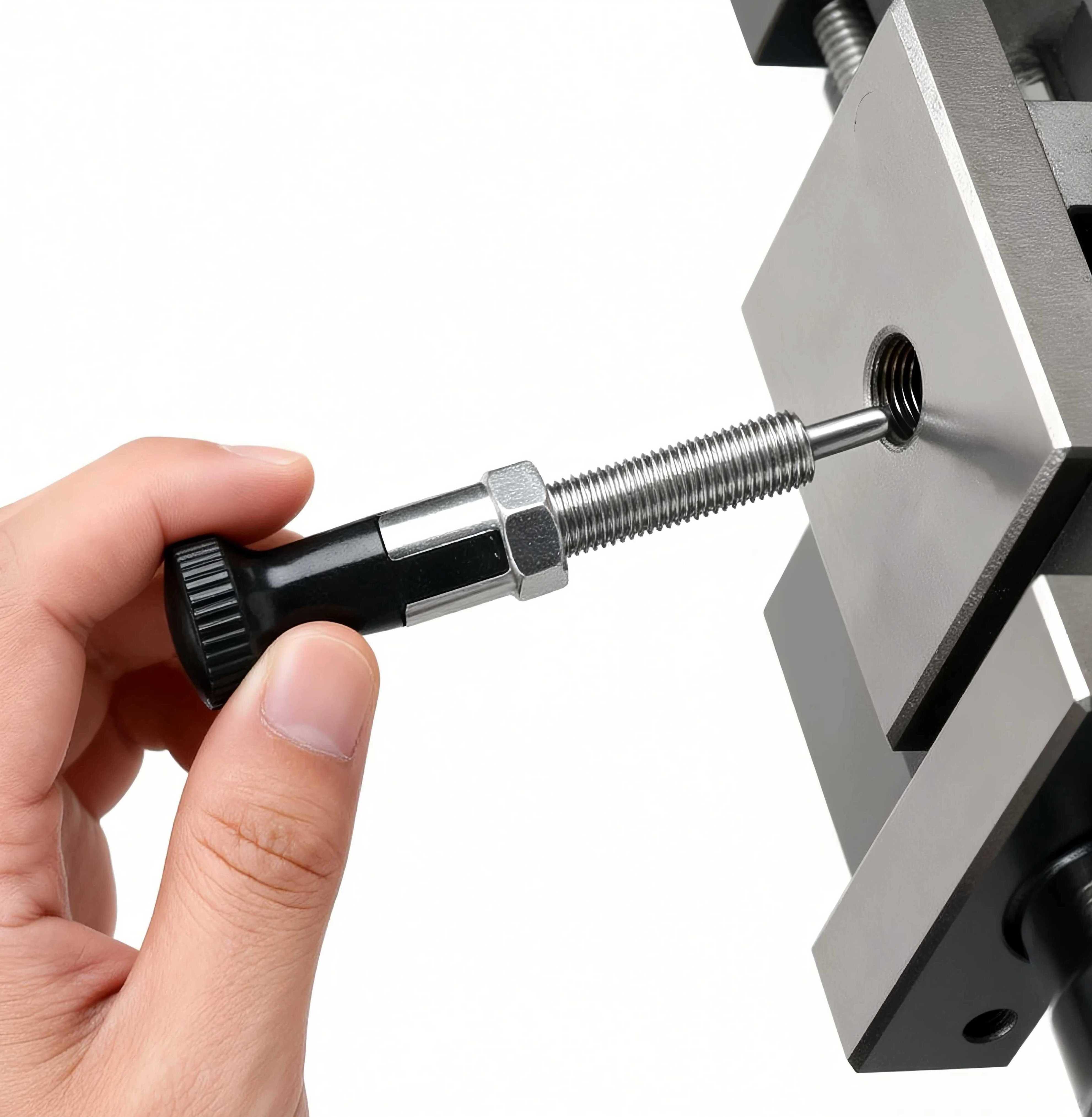
Spring plungers consist of a threaded body, a spring, and a plunger tip. They are designed to provide controlled movement, tension, or resistance in assemblies. The plunger tip, which can be made of materials like steel, nylon, or rubber, interacts with the surface it contacts, while the spring ensures consistent force. Due to their mechanical nature, friction and wear can occur over time, especially in high-frequency or high-load applications.
2. The Role of Lubrication
Lubrication plays a critical role in the performance and longevity of spring plungers. It reduces friction between moving parts, minimizes wear, and prevents corrosion. In applications where spring plungers are exposed to moisture, dust, or extreme temperatures, lubrication can also act as a protective barrier, ensuring smooth operation and preventing premature failure.
3. Benefits of Lubricating Spring Plungers
-
Reduced Friction: Lubrication ensures that the plunger tip moves smoothly within the body, reducing resistance and improving efficiency.
-
Extended Lifespan: By minimizing wear and tear, lubrication helps prolong the life of the spring plunger.
-
Enhanced Performance: Proper lubrication ensures consistent force application, which is crucial in precision applications.
-
Corrosion Prevention: Lubricants can protect metal components from rust and corrosion, especially in harsh environments.
4. When to Lubricate Spring Plungers
Not all spring plungers require lubrication, as some are pre-lubricated or designed to operate without it. However, lubrication is recommended in the following scenarios:
-
High-Frequency Use: Applications involving repeated or continuous movement benefit significantly from lubrication.
-
Heavy Loads: Under high-pressure conditions, lubrication reduces stress on the spring and plunger tip.
-
Harsh Environments: Exposure to moisture, dust, or extreme temperatures necessitates lubrication to prevent damage.
-
Noisy Operation: If a spring plunger produces squeaking or grinding noises, it may indicate a need for lubrication.
5. Choosing the Right Lubricant
Selecting the appropriate lubricant is crucial for optimal performance. Factors to consider include:
-
Compatibility: Ensure the lubricant is compatible with the materials of the spring plunger (e.g., metal, nylon).
-
Operating Conditions: Choose a lubricant that can withstand the temperature, pressure, and environmental conditions of the application.
-
Viscosity: The lubricant should have the right viscosity to provide adequate coverage without attracting dirt or debris.
6. Application Tips
-
Apply lubricant sparingly to avoid excess buildup, which can attract contaminants.
-
Regularly inspect and reapply lubricant as needed, especially in demanding applications.
-
Follow the manufacturer’s recommendations for lubrication intervals and types.
Discover our ball and pin solutions and connect with top machine parts suppliers for reliable and durable components. Precision-engineered for optimal performance. Contact us for custom solutions tailored to your needs.
What Are The Main Locking Mechanisms Used In Quick Release Pins
Why Purchase Pin Fasteners from Mocayo
Related Article