What Are Detent Pins and How Do They Work
What Are Detent Pins and How Do They Work?
Detent pins are versatile and widely used fastening components that provide secure and reliable connections in various applications. Known for their simplicity and effectiveness, detent pins are commonly used in machinery, equipment, and structural assemblies. This article explores what detent pins are, how they work, their types, and their applications.

1. What Are Detent Pins?
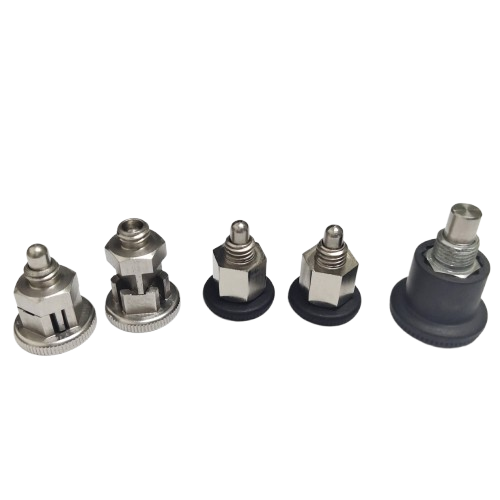
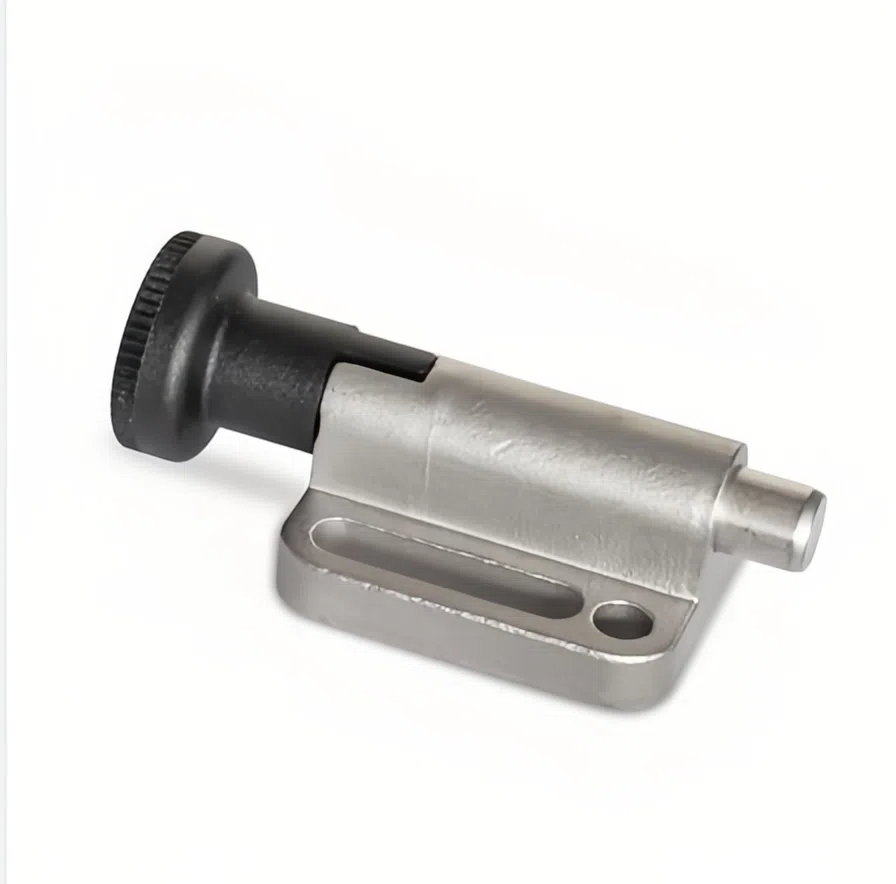
Detent pins are mechanical fasteners designed to secure two or more components together temporarily or permanently. They feature a spring-loaded mechanism that allows them to lock into place when inserted into a hole. The term "detent" refers to the mechanism that holds the pin in position, typically using balls, plungers, or other locking features.
2. How Do Detent Pins Work?
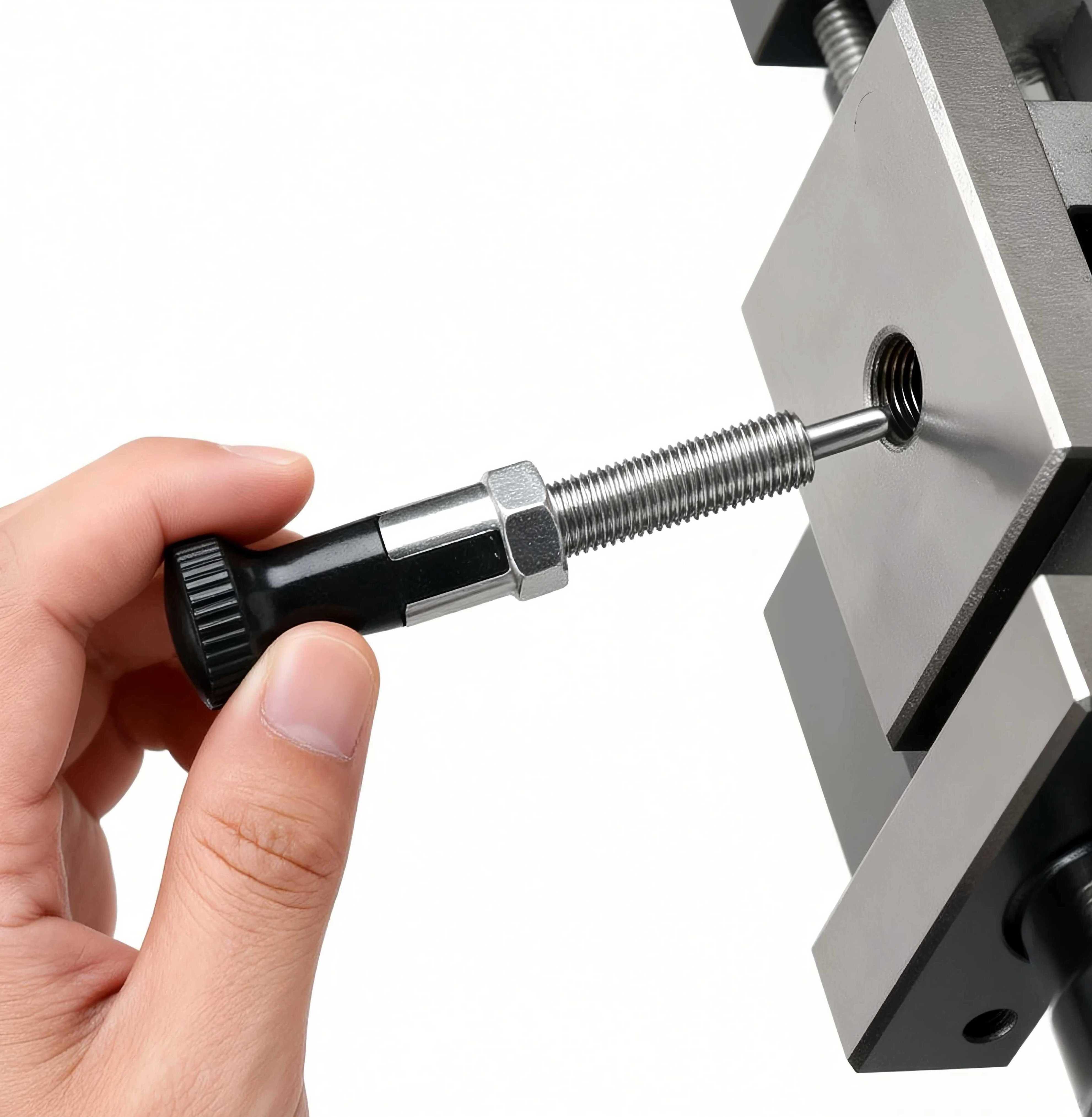
Detent pins work by using a spring-loaded mechanism to lock the pin in place. Here’s a step-by-step explanation of how they function:
a. Insertion
-
The pin is inserted into a pre-drilled hole in the components to be joined.
-
As the pin is pushed in, the spring-loaded mechanism (such as balls or a plunger) compresses.
b. Locking
-
Once the pin reaches the correct position, the spring-loaded mechanism expands into a recess or groove in the hole, locking the pin securely in place.
-
This prevents the pin from sliding out unintentionally.
c. Release
-
To remove the pin, the spring-loaded mechanism is manually disengaged (e.g., by pulling a ring or pressing a button), allowing the pin to be withdrawn.
3. Types of Detent Pins
a. Ball Detent Pins
-
These pins use spring-loaded balls that protrude from the pin’s shaft to lock into place.
-
They are easy to use and provide a secure hold, making them ideal for applications requiring frequent assembly and disassembly.
b. Plunger Detent Pins
-
Plunger detent pins use a spring-loaded plunger to lock the pin in place.
-
They are often used in applications requiring a more robust and tamper-resistant connection.
c. Pull-Ring Detent Pins
-
These pins feature a pull ring that is used to disengage the locking mechanism.
-
They are convenient for applications where quick release is required.
d. Button Detent Pins
-
Button detent pins have a push-button mechanism to release the lock.
-
They are user-friendly and commonly used in lightweight applications.
4. Advantages of Detent Pins
a. Ease of Use
-
Detent pins are simple to install and remove, making them ideal for applications requiring frequent adjustments or disassembly.
b. Secure Locking
-
The spring-loaded mechanism ensures a secure hold, preventing accidental disengagement.
c. Versatility
-
Detent pins are available in various sizes, materials, and designs, making them suitable for a wide range of applications.
d. Cost-Effective
-
Detent pins are generally affordable and provide a reliable fastening solution without the need for complex tools or equipment.
5. Applications of Detent Pins
a. Industrial Machinery
-
Detent pins are used to secure components in machinery, ensuring smooth operation and easy maintenance.
b. Aerospace and Defense
-
In aerospace and defense applications, detent pins provide secure connections for critical components, ensuring safety and reliability.
c. Automotive
-
Detent pins are used in automotive assemblies to secure parts like seats, panels, and accessories.
d. Consumer Products
-
In consumer products like furniture, fitness equipment, and electronics, detent pins provide easy assembly and disassembly.
e. Structural Assemblies
-
Detent pins are used in construction and structural applications to secure beams, frames, and other components.
6. Factors to Consider When Choosing Detent Pins
a. Load Capacity
-
Ensure the detent pin can withstand the forces it will encounter during operation, including shear and tensile loads.
b. Material
-
Choose materials (e.g., stainless steel, aluminum, or plastic) based on the application’s environmental conditions and load requirements.
c. Size and Dimensions
-
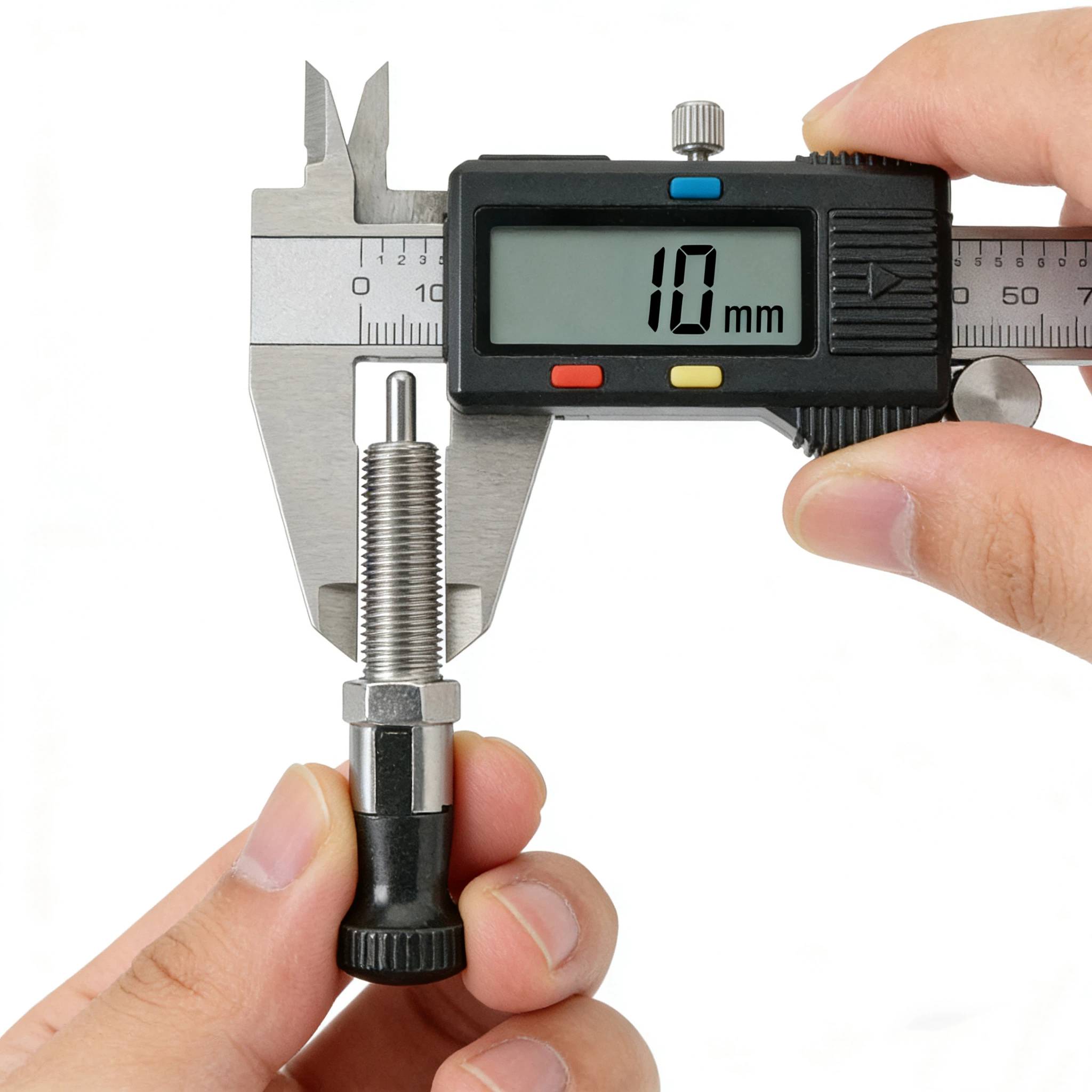
Select the appropriate pin size and length to ensure a proper fit and secure connection.
d. Locking Mechanism
-
Consider the type of locking mechanism (e.g., ball, plunger, or button) based on the application’s requirements for ease of use and security.
7. Maintenance and Care
To ensure the longevity and performance of detent pins, regular maintenance is essential:
-
Inspection: Regularly check for signs of wear, corrosion, or damage.
-
Lubrication: Apply lubricant to the spring mechanism to ensure smooth operation.
-
Replacement: Replace worn or damaged pins promptly to maintain safety and reliability.
Discover our ball detent pins and detent ball pins for precise positioning and reliable performance in industrial applications. Durable and efficient, they ensure smooth operation. Contact us for custom solutions tailored to your needs.
What Are The Limitations Of CNC Machining
What Are The Different Types Of Lock Pins
Related Article