How To Use Ball Nose Spring Plunger
How to Use Ball Nose Spring Plungers: A Step-by-Step Guide
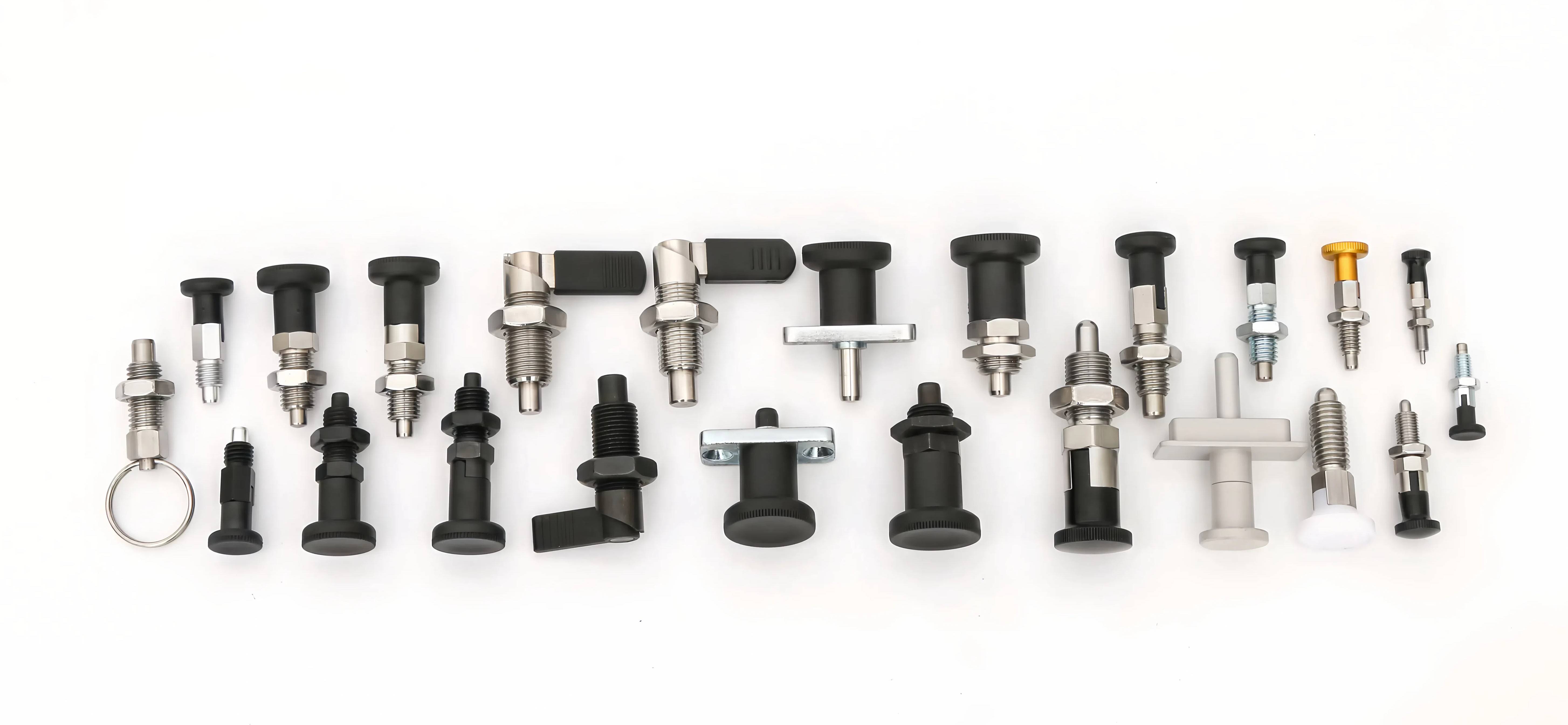
Ball nose spring plungers are versatile mechanical components used for positioning, indexing, and securing parts in various applications. Their unique design, featuring a spring-loaded ball at the end, allows for smooth engagement and disengagement, making them ideal for applications requiring frequent adjustments. This article provides a comprehensive guide on how to use ball nose spring plungers effectively, ensuring optimal performance and longevity.

1. Understanding the Ball Nose Spring Plunger
Components:
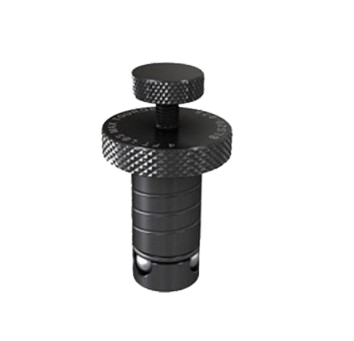
A ball nose spring plunger consists of three main components: a ball, a spring, and a threaded body. The ball is spring-loaded and moves linearly within the body, allowing it to engage with detent holes or grooves. The threaded body enables easy installation into a pre-tapped hole.
Mechanism:
When an external force is applied, the ball retracts into the body, compressing the spring. Once the force is removed, the spring pushes the ball back out, engaging it with a detent hole or groove. This mechanism ensures secure and repeatable positioning.
2. Selecting the Right Ball Nose Spring Plunger
Material:
Choose a ball nose spring plunger made from materials suitable for your application. Common materials include stainless steel, brass, and plastic. Stainless steel offers excellent corrosion resistance, making it ideal for harsh environments, while brass and plastic are suitable for less demanding applications.
Size and Load Capacity:
Select a plunger with the appropriate size and load capacity for your specific needs. Consider the diameter of the ball, the length of the plunger, and the spring force required to ensure proper engagement and secure positioning.
3. Installation Steps
Step 1: Prepare the Installation Site
Ensure that the hole where the ball nose spring plunger will be installed is clean and free of debris. The hole should be pre-tapped to match the threaded body of the plunger.
Step 2: Insert the Plunger
Screw the ball nose spring plunger into the pre-tapped hole by turning it clockwise. Use a wrench or pliers if necessary, but be careful not to over-tighten, as this can damage the threads or the plunger itself.
Step 3: Adjust the Plunger
Once installed, adjust the plunger to the desired position. Ensure that the ball engages smoothly with the detent hole or groove. The plunger should provide a secure fit without excessive force.
4. Using the Ball Nose Spring Plunger
Engagement:
To engage the ball nose spring plunger, simply align the ball with the detent hole or groove and apply slight pressure. The ball will retract into the body, allowing it to snap into place once aligned.
Disengagement:
To disengage the plunger, apply a force to retract the ball into the body. This can be done manually or by using a tool, depending on the application. Once the ball is retracted, the part can be moved or adjusted as needed.
5. Maintenance and Troubleshooting
Regular Inspection:
Periodically inspect the ball nose spring plunger for signs of wear and tear, such as a worn ball or a weakened spring. Replace any damaged components to ensure continued reliable performance.
Lubrication:
Apply a small amount of lubricant to the ball and spring mechanism to reduce friction and ensure smooth operation. Avoid over-lubrication, as excess lubricant can attract dirt and debris.
Troubleshooting:
If the plunger fails to engage or disengage smoothly, check for obstructions in the detent hole or groove. Ensure that the plunger is properly aligned and that the spring force is adequate for the application.
6. Applications of Ball Nose Spring Plungers
Machinery and Fixtures:
Ball nose spring plungers are widely used in machinery and fixtures to secure and position parts. They ensure that components are accurately aligned and remain in place during operation, reducing the risk of errors and improving overall efficiency.
Consumer Products:
In consumer products, ball nose spring plungers are often used in adjustable components such as folding tools, furniture, and sports equipment. They provide a secure and easy-to-use locking mechanism, enhancing the functionality and user experience of the product.
Automotive and Aerospace:
In the automotive and aerospace industries, ball nose spring plungers are used in various applications, including locking mechanisms for doors, hatches, and access panels. Their precise positioning and secure locking capabilities make them ideal for safety-critical applications.
Discover our ball nose spring plungers for precise positioning and reliable performance in industrial applications. Durable and efficient, they ensure smooth operation. Contact us for custom solutions tailored to your needs.
Spring Loaded Quick Release Pins
How To Level Up Metalworking Project
Related Article