Application and Maintenance Tips for Long-lasting Ball Locking Pins
Application and Maintenance Tips for Long-lasting Ball Locking Pins
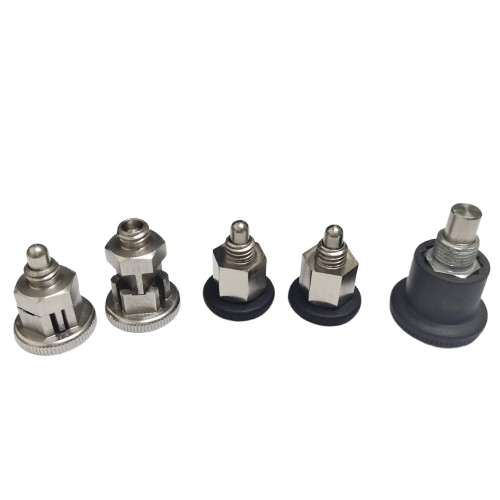
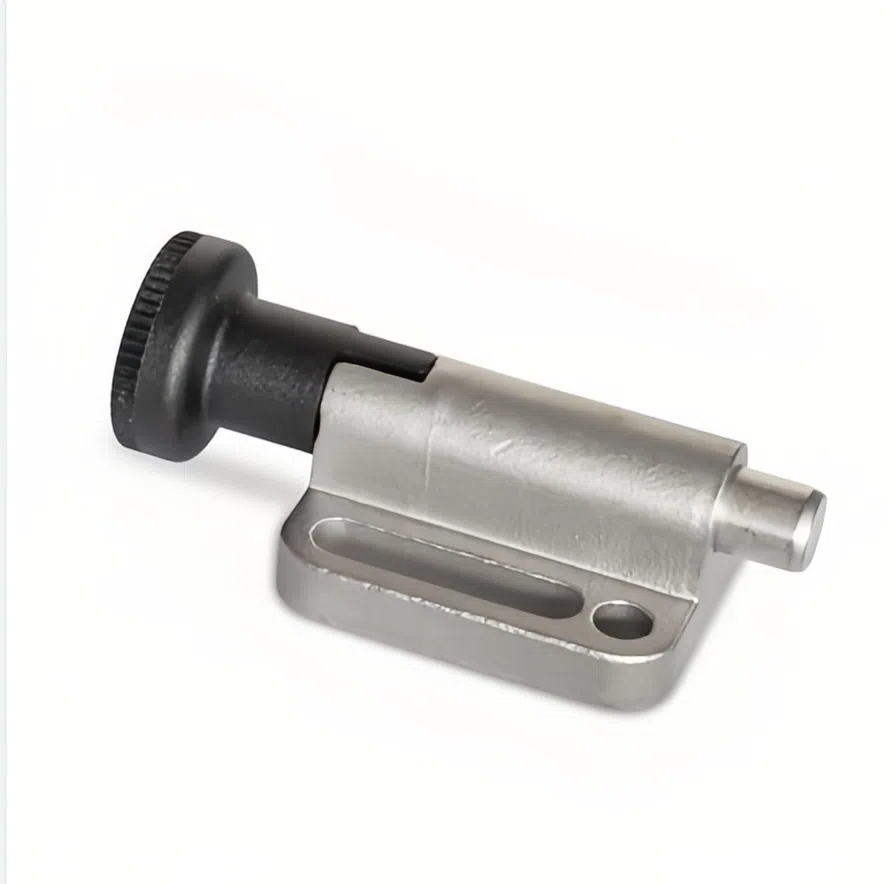
Ball locking pins are essential components in various industries, known for their reliability and ease of use in securing parts and assemblies. To ensure their longevity and optimal performance, proper application and maintenance are crucial. Here are some practical tips to help you get the most out of your ball locking pins.
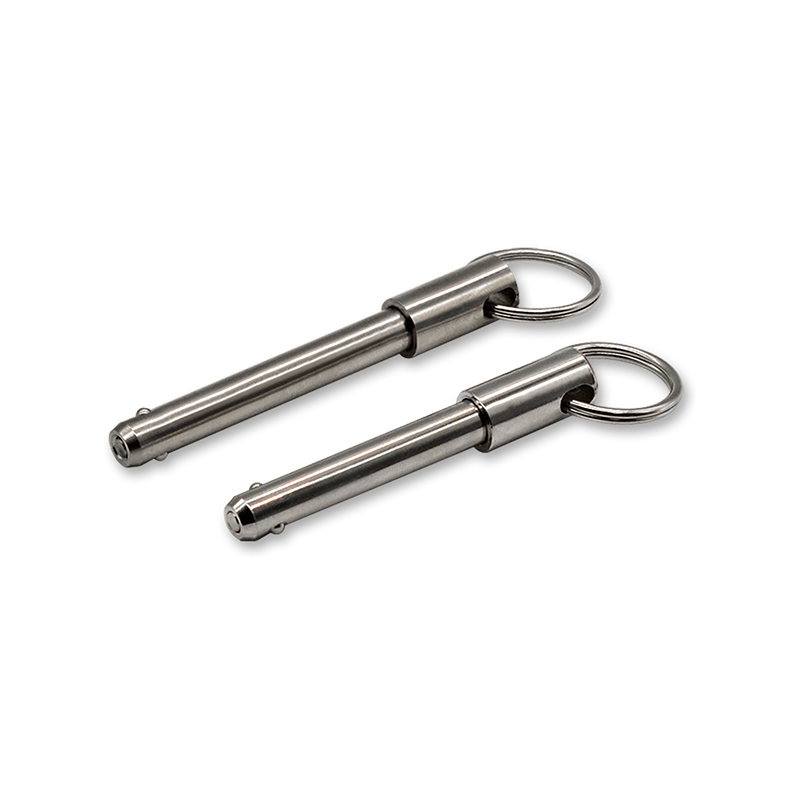
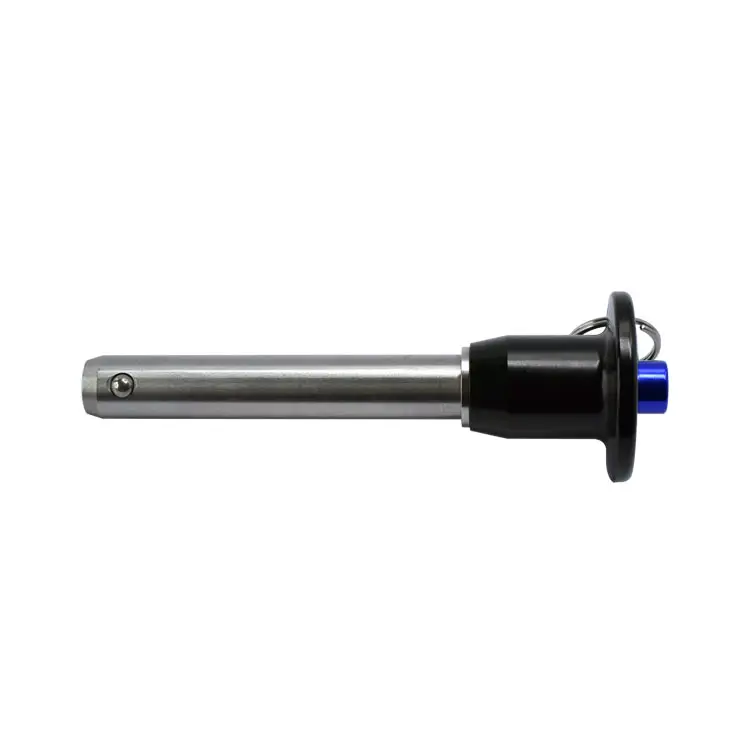
1. Proper Application
- Understand the Load Requirements:
Before selecting a ball locking pin, it's essential to understand the load requirements of your application. Ensure that the pin you choose can handle the weight and stress it will be subjected to. Overloading a pin can lead to premature wear or failure.
- Correct Installation:
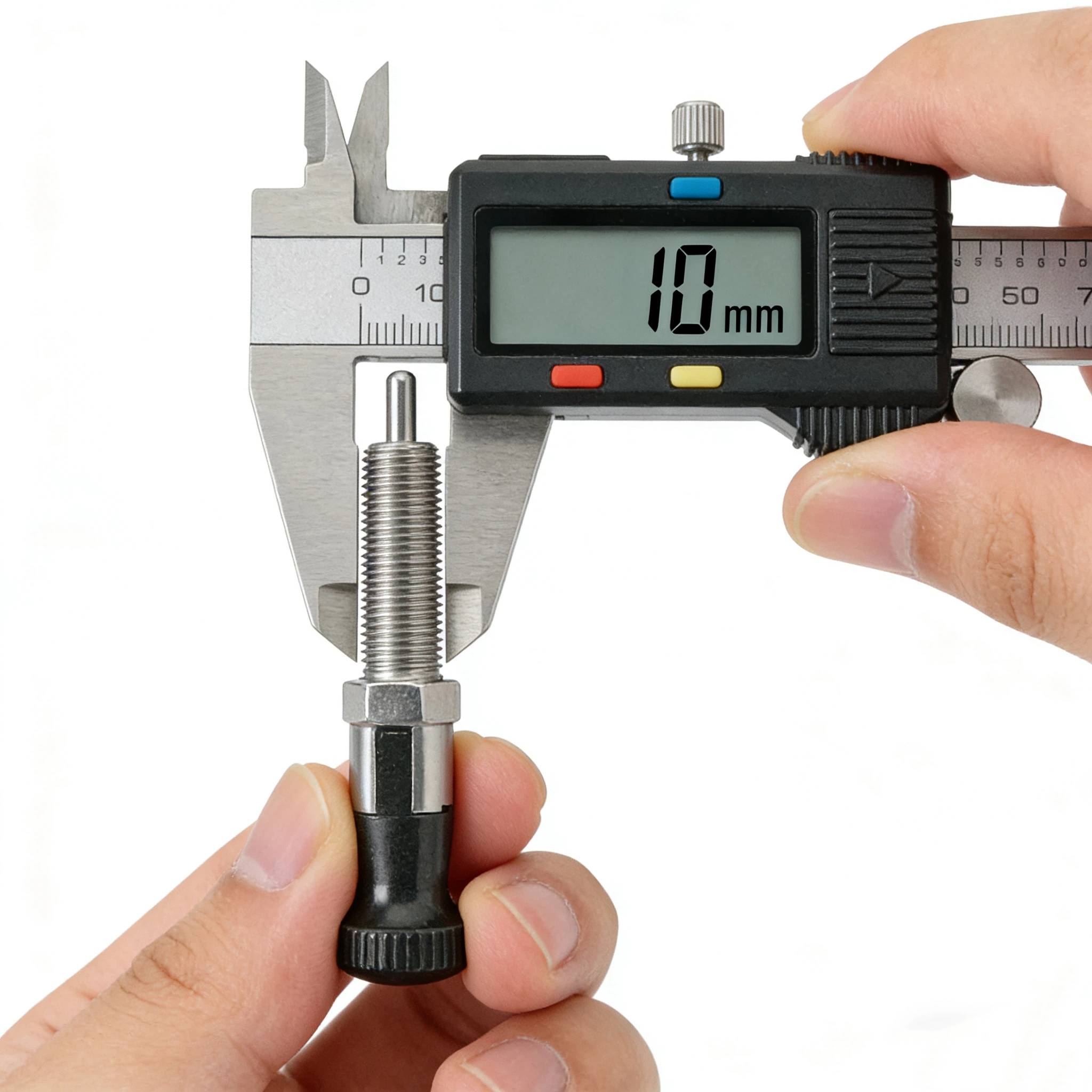
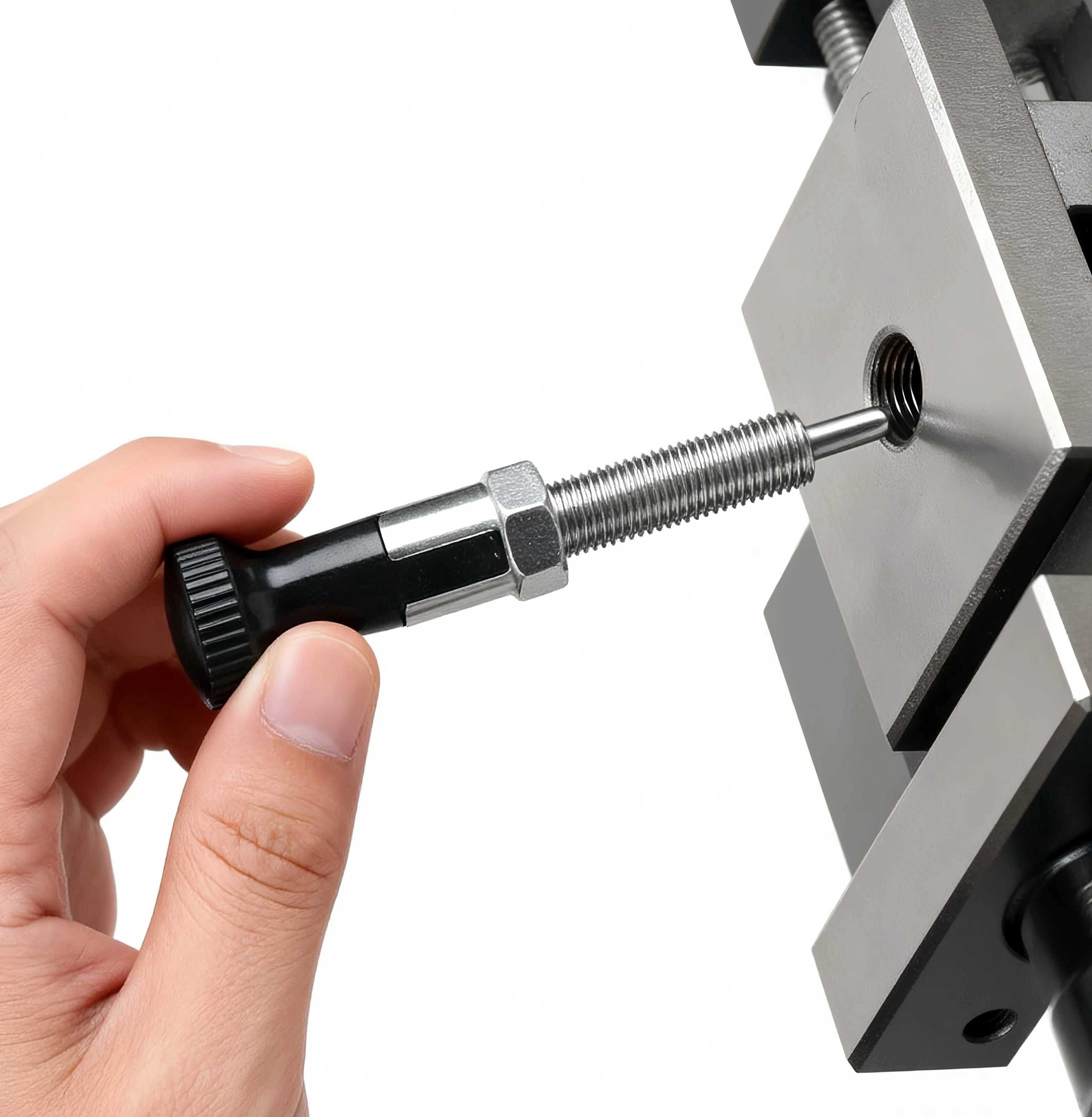
Always install ball locking pins according to the manufacturer's guidelines. Ensure that the pin is fully engaged and that the locking mechanism is securely in place. Improper installation can compromise the pin's effectiveness and safety.
- Environmental Considerations:
Consider the environment in which the pin will be used. For harsh conditions, such as extreme temperatures or corrosive environments, select pins made from materials that can withstand these challenges, such as stainless steel or specially coated pins.
2. Regular Maintenance
- Routine Inspections:
Regularly inspect ball locking pins for signs of wear, corrosion, or damage. Look for issues such as deformed balls, worn springs, or any other components that may affect the pin's performance. Early detection of problems can prevent more significant issues down the line.
- Lubrication:
Keep the pins well-lubricated to ensure smooth operation. Use a lubricant that is compatible with the pin's material and the operating environment. Regular lubrication reduces friction, prevents rust, and extends the pin's lifespan.
- Cleaning:
Clean the pins periodically to remove dirt, debris, and contaminants that can interfere with their function. Use appropriate cleaning agents that won't damage the pin's material. For pins used in corrosive environments, more frequent cleaning may be necessary.
3. Handling and Storage
- Proper Handling:
Handle ball locking pins with care to avoid dropping or striking them, which can cause damage. Use the correct tools for installation and removal to prevent unnecessary stress on the pins.
- Storage Conditions:
Store ball locking pins in a clean, dry environment to prevent rust and corrosion. Keep them in their original packaging or in protective containers to avoid exposure to moisture and contaminants.
4. Replacement and Upgrades
- Timely Replacement:
Replace ball locking pins that show significant wear or damage. Using worn-out pins can compromise the safety and reliability of your equipment. Keep a stock of replacement pins to minimize downtime.
- Upgrade When Necessary:
As technology advances, newer models of ball locking pins may offer improved performance and durability. Consider upgrading to these newer versions if they provide better suitability for your application.
Discover high-quality CNC machined components for precision and efficiency in industrial applications. Our custom solutions ensure durability and reliability. Contact us for tailored machining services today.
Spring Loaded Plungers Mechanism
What Are The Parts Of Cnc Machine
Related Article