Ball Lock Bolt
Unlocking Precision: A Comprehensive Guide to Ball Lock Bolts
Introduction: Ball Lock Fastening Systems
In the world of precision engineering and advanced manufacturing, speed, safety, and repeatability are critical. As industries evolve towards leaner production and smarter assembly systems, fastening technologies have followed suit. One of the most innovative solutions in modern fastening is the Ball Lock Bolt, also referred to as a Ball Lock Fastener or Ball Lock Quick Change System.
Ball Lock Bolts are specialized fasteners that allow for rapid insertion and removal of components with consistent clamping force and repeatable positioning. With integrated locking balls and a push-button mechanism, these bolts provide a secure hold without the need for tools, threading, or time-consuming alignment. In this article, we take a deep dive into the world of Ball Lock Bolts—from their working principle to industrial applications and international standards.
What is a Ball Lock Bolt?
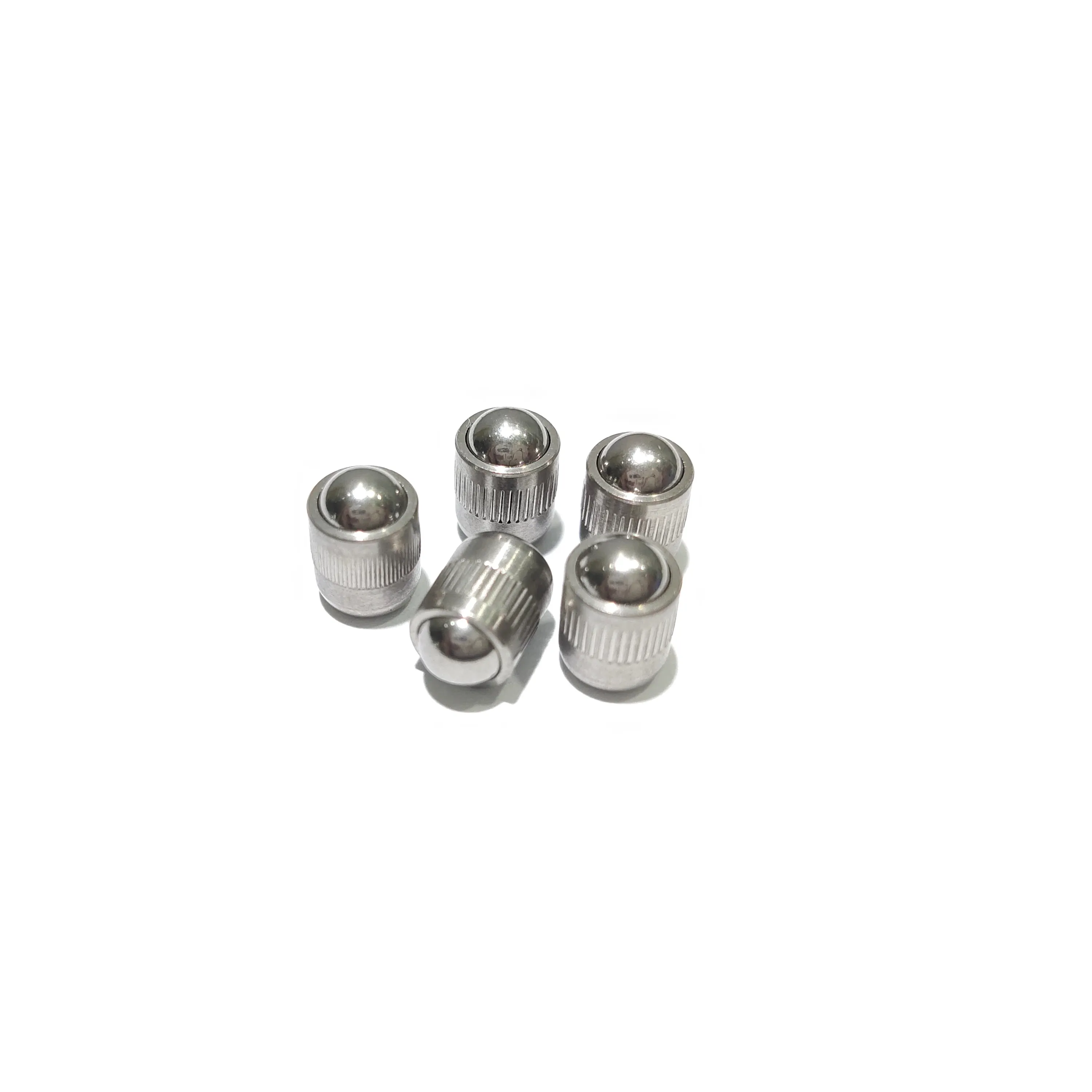
A Ball Lock Bolt is a mechanical fastener designed to lock into place using spring-loaded balls that expand into a mating hole or fixture. It allows for quick installation and release by pressing a button or handle that temporarily retracts the balls.
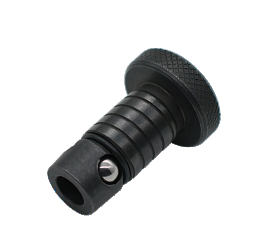
Core Components Include:
-
Shank (shaft): Usually made from stainless or alloy steel
-
Locking Balls: Hardened steel balls that extend outward to grip inside the mounting hole
-
Actuation Mechanism: A button, plunger, or key that compresses an internal spring
-
Grip Length: The usable working length that determines installation depth
These bolts offer high holding strength, easy operation, and positioning accuracy—making them ideal for jigs, fixtures, and quick-change setups.
How Do Ball Lock Bolts Work?
The operation is simple and elegant:
-
Press the button on the bolt head.
-
Balls retract into the shaft.
-
Insert the bolt into a through-hole or receiving bushing.
-
Release the button, allowing the spring to expand the balls.
-
The bolt is now locked securely in place.
To remove, simply press the button again and withdraw the bolt.
This functionality allows for one-hand operation, often without tools, making it perfect for high-volume or repetitive use scenarios.
Benefits of Using Ball Lock Bolts
Ball Lock Bolts are preferred over conventional fasteners in many industrial settings because of their:
-
Fast Changeover Time
-
Tool-Free Operation
-
Consistent and Repeatable Locking
-
Precision Alignment
-
Enhanced Worker Safety
-
Minimal Wear on Equipment
-
Corrosion Resistance (with stainless steel or coated finishes)
They contribute significantly to lean manufacturing practices, and 5S workspaces by reducing downtime and standardizing processes.
Applications Across Industries
Ball Lock Bolts are found in an impressive variety of fields:
Automotive & Aerospace
Used for quick tool changes, positioning fixtures, and alignment setups on production lines.
CNC Machining & Fixtures
Hold jigs, modular tooling plates, and precision equipment in place with high repeatability.
Packaging & Robotics
Secure moving parts that require regular maintenance or replacement with minimal disruption.
Medical Equipment
Employed in systems where frequent sterilization or part swapping is needed.
Testing & Inspection
Allow for fast configuration of gauges, clamping devices, and precision sensors.
Military & Defense
Used in modular mounts, armored vehicle assembly, or field-repair setups.
Types of Ball Lock Bolts
Ball Lock Bolts are available in different configurations to suit a variety of needs:
1. Standard Button-Head Ball Lock Bolts
The most common type with a simple button actuator for easy insertion/removal.
2. T-Handle Ball Lock Bolts
Feature an ergonomic T-grip for easier leverage—ideal for gloved hands or tight areas.
3. L-Handle or Wing-Handle Types
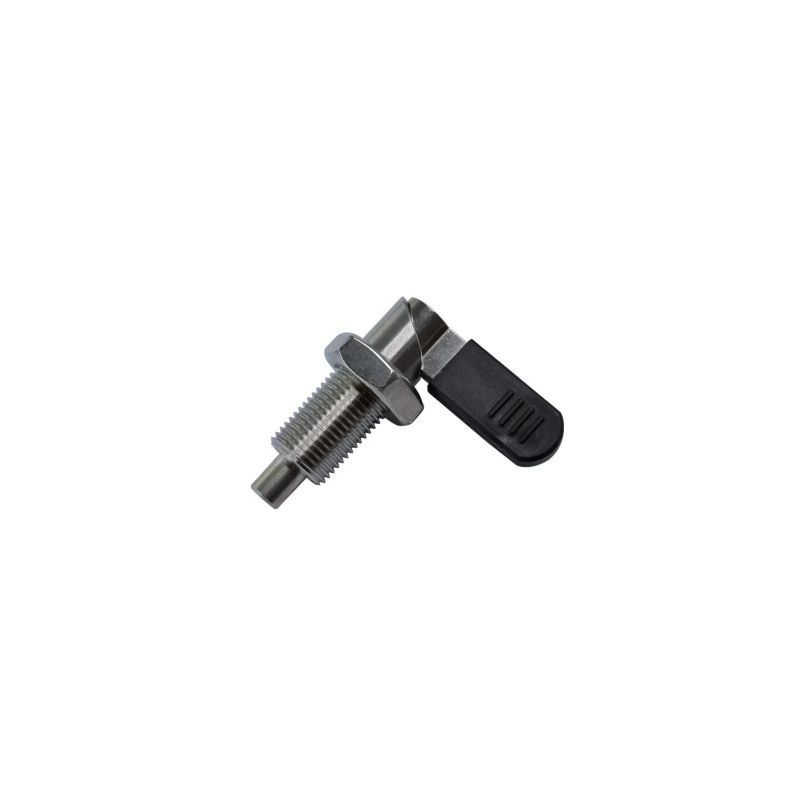
Offer torque-friendly manual control where more clamping force is needed.
4. Key-Activated Ball Lock Bolts
Enhanced security with a keyhole that prevents unauthorized removal—used in defense or high-security installations.
5. Double Acting or Lock-Out Style
Require both insertion and removal actions to be intentional, improving safety under dynamic loads.
Material and Surface Treatments
Ball Lock Bolts are manufactured from high-performance materials to ensure strength and durability under industrial stress.
| Material | Properties | Applications |
|---|---|---|
| Stainless Steel (304/316) | Corrosion-resistant, durable, food-safe | Medical, marine, cleanroom setups |
| Alloy Steel (Hardened) | High strength, load-bearing | Tooling systems, industrial jigs |
| Aluminum (Hard-anodized) | Lightweight, anti-corrosive | Aerospace, modular panels |
| Titanium (Custom Orders) | Ultra-strong, lightweight, non-magnetic | Military, satellite systems |
Surface Finishes:
-
Zinc plating
-
Black oxide
-
Passivation
-
PTFE or Teflon coatings for friction reduction
Dimensions and International Standards
To ensure global compatibility, Ball Lock Bolts conform to various international norms and standard sizes.
Standard Size Chart (Metric)
| Diameter (mm) | Grip Length (mm) | Shank Length (mm) | Common Handle Type |
|---|---|---|---|
| 6 | 10–30 | 20–50 | Button or Ring |
| 8 | 20–50 | 40–80 | T-Handle |
| 10 | 25–60 | 50–100 | L-Handle |
| 12 | 30–80 | 60–120 | Button or Key |
| 16 | 50–100 | 100–150 | Wing or T-Handle |
Standards Followed:
-
DIN EN ISO 2340/2341 (Germany/Europe)
-
MS/NAS Standards (Aerospace/Military)
-
ASME B18.8.2 (American Standard Pins)
-
RoHS and REACH Compliant Materials
Custom sizing and threading available for OEM and specialized systems.
Installation Guidelines
To get the most out of your Ball Lock Bolt:
-
Use a matching receiver bushing to ensure locking balls engage properly.
-
Ensure holes are clean and free of debris.
-
Align parts correctly before insertion.
-
Avoid excessive force—the balls lock automatically.
-
Periodically lubricate and inspect internal components for wear.
Maintenance and Troubleshooting
Ball Lock Bolts are designed to be low maintenance, but best practices include:
-
Visual inspection for damage, wear, or dirt.
-
Lubricate moving parts with light oil or dry lube.
-
Avoid exposure to corrosive chemicals beyond rating.
-
Replace if balls fail to lock or spring becomes loose.
Spare parts and internal components (springs, balls, buttons) are available from most industrial suppliers.
Customization Options
Manufacturers offer custom OEM services, allowing you to tailor:
-
Head shape (logo engraving, color coding)
-
Grip length and diameter
-
Specialty materials (e.g., titanium, Inconel)
-
Keyed safety versions
-
Color-coded handles for workflow identification
Future of Ball Lock Technology
As Industry 4.0 and automation reshape production floors, Ball Lock Bolts are becoming increasingly vital in systems requiring modular flexibility, repeatable accuracy, and downtime reduction. Future developments may include:
-
Sensor-integrated bolts for smart condition monitoring
-
Auto-locking systems for robotic arms
-
Lighter composite materials for aerospace and electric vehicles
Discover our ball lock bolts for secure and efficient fastening in industrial applications. Durable and reliable, they ensure smooth operation. Contact us for custom solutions tailored to your needs.
Ball Lock Bolts may be small, but their impact on efficiency, safety, and design flexibility is massive. From medical devices to modular tooling systems, their ability to offer fast and secure assembly makes them an indispensable tool for engineers and manufacturers worldwide.
By understanding their structure, applications, and standards, companies can fully leverage these powerful fastening solutions in every corner of their production process.
Ball Plunger Screws
Cam Action Plunger