Lock Ball
Understanding Lock Ball Mechanisms: The Silent Hero of Precision Engineering
Introduction to Lock Balls
In the vast world of mechanical components and fasteners, the Lock Ball mechanism stands out as a small yet powerful part used in a multitude of applications. Often overshadowed by larger, more conspicuous parts, Lock Balls quietly perform the critical role of securing, positioning, and indexing mechanical elements with exceptional precision. This article explores the construction, types, applications, advantages, and growing importance of Lock Balls in modern industry.
What Is a Lock Ball?
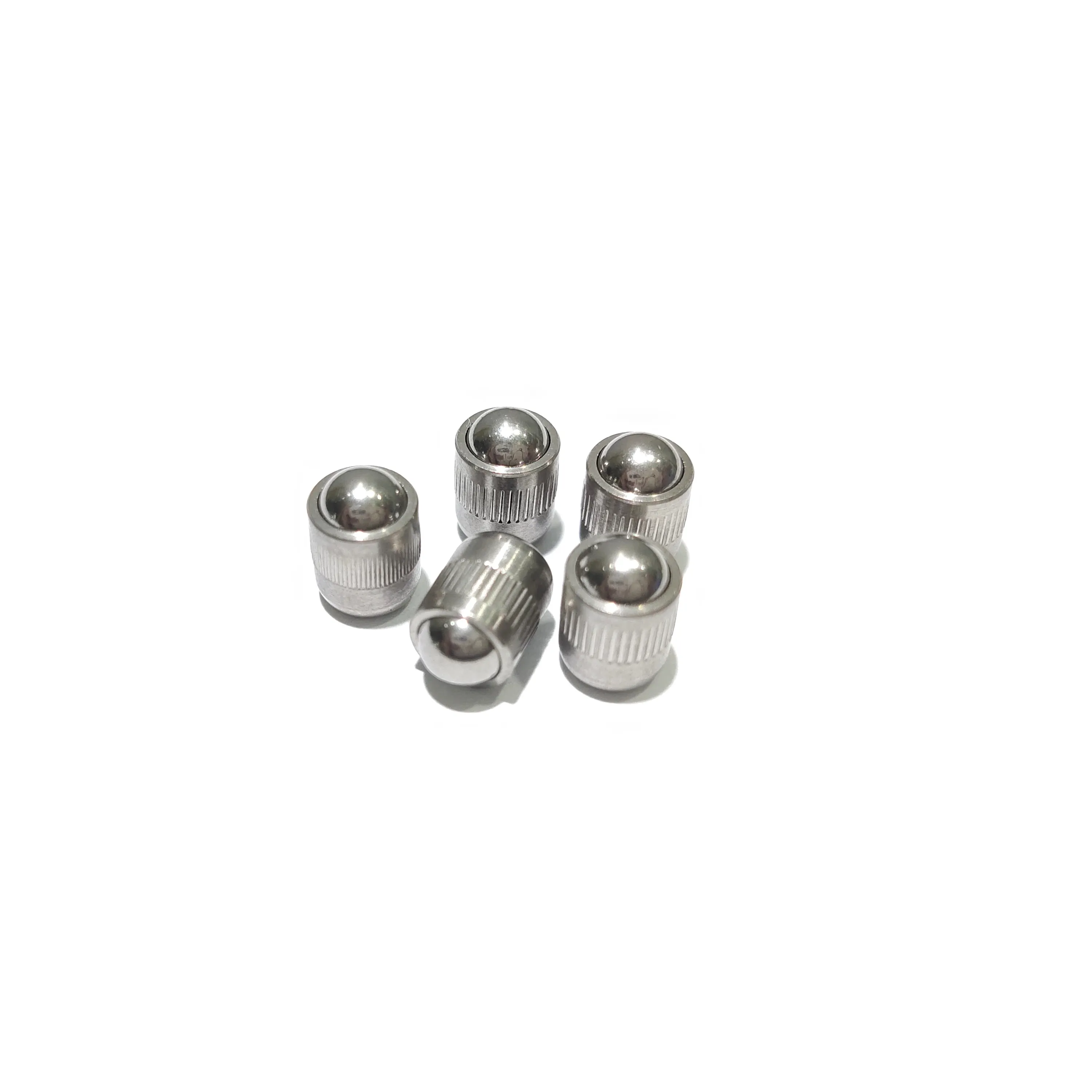
A Lock Ball is a small, typically spherical element integrated into locking mechanisms such as quick-release pins, ball plungers, or detent systems. These balls are spring-loaded and housed in a sleeve or casing. When engaged, they extend or retract under pressure, allowing for secure holding and rapid disengagement. Lock Balls are vital to precision engineering because they enable repeatable and reliable movement, hold, or positioning.

Common Types of Lock Ball Mechanisms
1. Ball Detents
Used primarily in tools and devices requiring a quick hold and release, ball detents use Lock Balls under spring tension to hold an object in place until sufficient force is applied.
2. Quick Release Pins
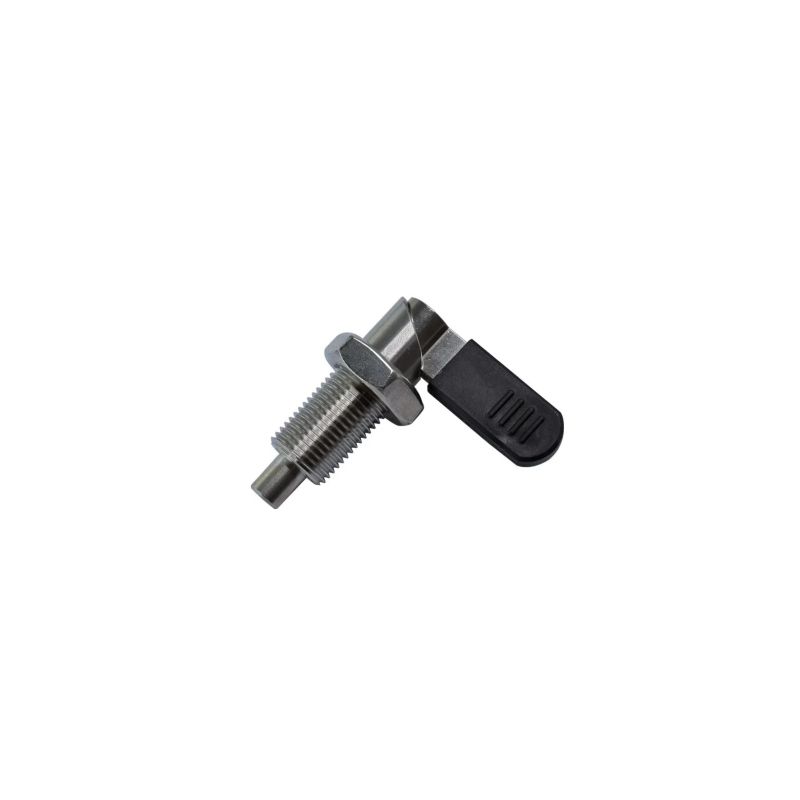
Quick release mechanisms commonly utilize Lock Balls at the pin tip. When inserted, the Lock Balls expand to prevent unintended withdrawal, but when the button or handle is pressed, the balls retract for a fast release.
3. Ball Plungers
These involve Lock Balls integrated into a plunger casing. They maintain contact and pressure with a workpiece, providing secure indexing and smooth adjustments.
4. Ball Lock Bolts
These bolts incorporate retractable Lock Balls that expand upon engagement. They are widely used in aerospace, defense, and tooling setups where secure yet removable fastening is critical.
Materials Used in Lock Ball Construction
Lock Balls must endure repeated friction, pressure, and corrosion. Therefore, the materials selected are engineered for strength and longevity:
-
Stainless Steel: Offers corrosion resistance and strength, ideal for outdoor or marine environments.
-
Hardened Carbon Steel: Delivers high durability and resistance to wear and tear.
-
Plastic or Polymer Composites: Used for lightweight applications with minimal corrosion requirements.
Working Principle of Lock Balls
At its core, the Lock Ball mechanism functions through a spring-loading system. A spring pushes the ball outward through a machined opening in a cylinder or pin. When the ball engages with a mating surface (like a groove or hole), it exerts pressure to hold the mechanism in place. When a retraction force is applied — often via a button, handle, or cam — the ball is forced inward, disengaging the lock and allowing movement or removal.
Applications Across Industries
Aerospace and Defense
Lock Balls are found in aircraft maintenance tools, removable panels, and adjustable seating components. Their quick-release functionality ensures safety and speed in high-stakes environments.
Automotive Industry
In performance vehicles, Lock Balls play a role in detachable steering wheels, racing harnesses, and adjustable mounts. They're also part of sensor housings and interior assemblies.
Medical Equipment
Surgical tools, orthopedic implants, and transport systems use Lock Balls for their precise, sterile, and reliable mechanical behavior.
Manufacturing and Robotics
In robotics, machine tools, and automation systems, Lock Balls help in modular setups and quick tool changes, minimizing downtime and improving flexibility.
Consumer Goods and Furniture
Some high-end furniture, bicycle components, and camera mounts utilize Lock Balls to allow modularity and ease of adjustment.
Advantages of Using Lock Balls
-
Quick Engagement/Disengagement: Simplifies operations and reduces time.
-
High Holding Force: Despite their size, Lock Balls offer reliable strength.
-
Compact Design: Allows them to be used in tight or complex assemblies.
-
Durability: With proper materials, they provide long service life.
-
Repeatability: Ideal for applications requiring consistent engagement.
Challenges and Limitations
While Lock Balls are incredibly versatile, they are not without limitations:
-
Wear and Tear: Repeated use can wear down the housing or ball, especially with suboptimal materials.
-
Corrosion in Harsh Environments: If not properly selected, materials can rust or corrode.
-
Precision Manufacturing Required: A small deviation in ball size or spring tension can lead to mechanical failure or decreased efficiency.
Maintenance and Inspection
Proper inspection and maintenance practices can significantly enhance the life span of Lock Ball mechanisms:
-
Regular Cleaning: Particularly in dusty or corrosive environments.
-
Lubrication: Helps minimize wear and maintain smooth operation.
-
Periodic Replacement: Especially in critical systems like aerospace or medical devices.
Custom Solutions and Innovations
With advancements in CNC machining and material science, Lock Ball mechanisms are becoming more customized. Companies can now design Lock Balls with specific sizes, materials, and locking tolerances to fit proprietary systems. New designs include multi-ball locking systems for increased holding strength and cam-assisted release systems for user-friendly disengagement.
Quality Standards and Certifications
Lock Ball products used in critical applications must meet international standards:
-
ISO 9001: Ensures general quality management.
-
AS9100: Specific to aerospace components.
-
RoHS Compliance: For environmental and health safety.
-
REACH Regulation: Controls hazardous substances in materials.
The Future of Lock Ball Mechanisms
As industries push toward more compact, modular, and intelligent mechanical systems, Lock Balls are expected to evolve. Smart Lock Balls integrated with sensors or electronic feedback systems may emerge. There’s also increasing demand for lightweight yet strong alternatives, pushing innovation in composite materials and micro-scale manufacturing.
Enhance your hardware with lock balls, offering secure and precise fastening for industrial, automotive, and machinery applications. Durable, reliable, and easy to use—perfect for efficient and seamless operations.
Though often unnoticed, Lock Balls serve as an essential part of countless mechanical systems across the globe. Their silent operation belies their importance — enabling efficiency, safety, and precision. As modern engineering grows more demanding, the need for robust and intelligent fastening systems like Lock Balls will only continue to rise.
Ball Transfer Conveyor
Ball Plunger Screws