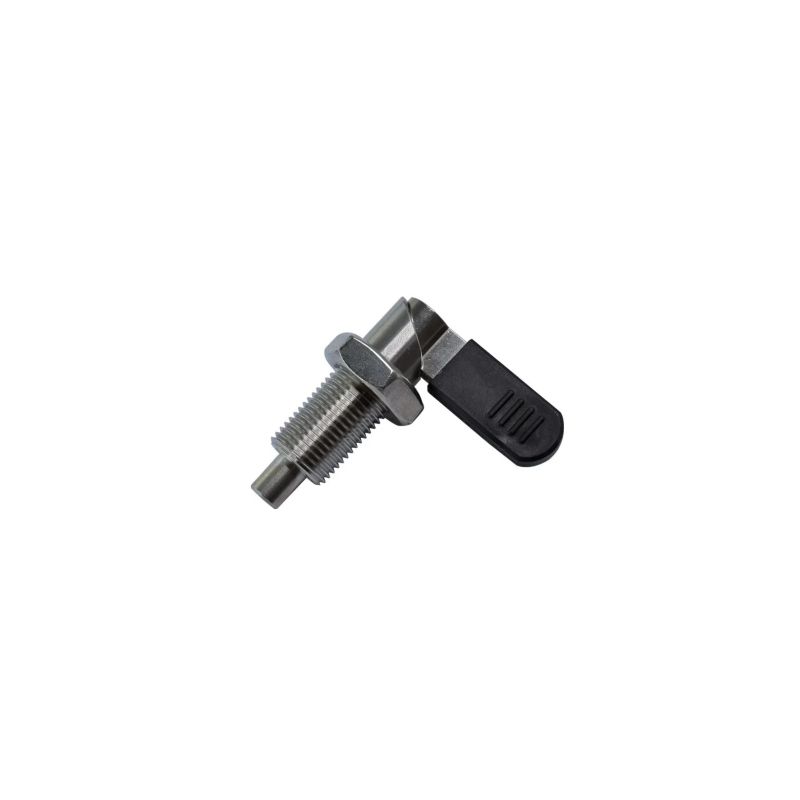
Ball Plunger Screws
Understanding Ball Plunger Screws: Precision, Performance, and Practical Applications
Introduction
In the vast world of mechanical fastening components, Ball Plunger Screws are often underappreciated, yet their function is critical across numerous industries. Whether used in automotive assemblies, electronic devices, or complex machinery, these small but mighty components offer precision, consistency, and reliability.
This article explores what Ball Plunger Screws are, how they work, their applications, material types, benefits, installation tips, international standards, and how they stand out in the global fastener market.
What Are Ball Plunger Screws?
Ball Plunger Screws are spring-loaded devices with a ball bearing at one end and a threaded body. They provide precise indexing and positioning in assemblies. The ball is pushed outward by an internal spring, applying pressure to hold or secure a part in place.
They are commonly referred to as:
-
Spring plungers with ball ends
-
Threaded ball plungers
-
Spring-loaded positioning devices
They are used to secure, locate, and index components without requiring the part to be clamped tightly.

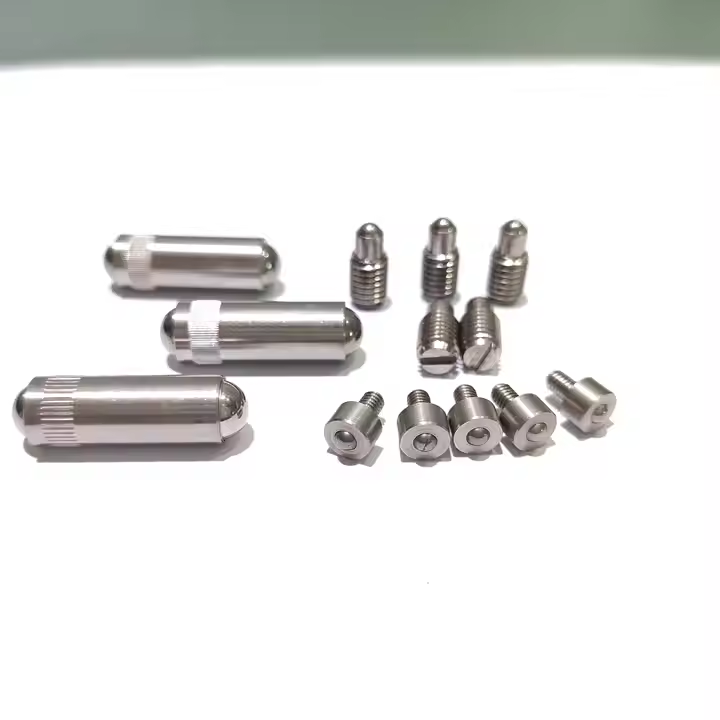
Key Components and Design
The core elements of a ball plunger screw include:
-
Threaded Body: Typically cylindrical with standard or custom threads, allowing for easy installation into pre-tapped holes.
-
Internal Spring: Provides the force needed to push the ball outward.
-
Ball Tip: Usually made from hardened stainless steel or ceramic, the ball is the contact point with the mating component.
Optional features may include:
-
Locking elements (like nylon patches)
-
Flat or rounded nose balls
-
Adjustable tension versions
Working Principle of Ball Plunger Screws
The working concept is simple yet effective:
-
The spring inside the plunger applies outward pressure on the ball.
-
When installed in a tapped hole, the ball protrudes slightly beyond the housing and contacts another surface.
-
This creates friction or indexing, holding the component in position or allowing it to click into place.
Their strength lies in reliability, reusability, and non-permanent retention — perfect for parts that need frequent assembly and disassembly.
Applications Across Industries
Ball plunger screws are versatile and can be found in many sectors:
1. Automotive Industry
Used in seat adjustment systems, panels, and component indexing mechanisms.
2. Electronics and Enclosures
Helps position circuit boards, access panels, or removable parts.
3. Machinery and Manufacturing
Ideal for jigs, fixtures, assembly lines, and robotic automation systems.
4. Aerospace
Ensures lightweight but reliable positioning in high-precision areas.
5. Medical Devices
Used in assemblies where frequent adjustments or sterilization is required.
Advantages of Ball Plunger Screws
These compact devices offer several benefits:
-
Quick and secure positioning
-
Reduced wear on mating components due to rolling contact
-
Easy installation and removal
-
Adjustable force options
-
High repeatability and consistency
-
Minimal maintenance
Compared to traditional locking or clamping methods, they are cleaner, quieter, and more efficient.
Material and Finish Options
Ball plunger screws are available in a variety of materials, depending on application requirements:
Body Materials
-
Stainless Steel: Excellent corrosion resistance; ideal for harsh environments
-
Steel (black oxide or zinc-plated): Strong and cost-effective
-
Plastic (Acetal or Nylon): Lightweight, non-magnetic, and corrosion-resistant
Ball Materials
-
Stainless Steel Balls: For general-purpose and durable applications
-
Ceramic Balls: For electrical insulation or high-temperature uses
Spring Materials
-
Stainless steel is common, especially for high-cycle applications.
Types of Ball Plunger Screws
1. Threaded Ball Plungers
These are the most common type and come in standard thread sizes for direct installation.
2. Press-Fit Ball Plungers
Designed to be pushed into a hole without threads; ideal for lightweight applications.
3. Hex Socket Ball Plungers
Feature a hex socket head for precise torque application during installation.
4. Double Sided Spring Plungers
Allow for tension adjustment to suit various application needs.
Installation Best Practices
-
Always match the thread size and type with the receiving hole.
-
Avoid overtightening to prevent spring damage.
-
Use thread locker or nylon locking patches to prevent loosening in high-vibration environments.
-
For adjustable plungers, test the spring tension before finalizing.
International Standards and Sizes
Ball plunger screws are typically produced according to recognized standards, such as:
-
DIN 6325 / ISO 8735 for metric sizes
-
ASME B18.3 for inch-size set screws
-
Custom and OEM standards for specific industries
Common thread sizes include:
| Metric Sizes | Inch Sizes |
|---|---|
| M3 to M12 | 1/8" to 1/2" |
| Various lengths | Available based on application |
Always verify with your supplier for dimension sheets and torque specs.
Common Use Case Scenarios
Fixture Design
In modular fixture systems, ball plungers help locate workpieces quickly and repeatably.
Access Panels
Spring-loaded plungers allow panels or covers to snap into place securely, while still allowing easy removal.
Mechanical Indexing
Machines with rotating or sliding parts often use ball plungers to provide tactile feedback or stopping points.
Choosing the Right Ball Plunger Screw
Key selection criteria include:
-
Load requirements
-
Material compatibility
-
Environmental conditions
-
Required retention force
-
Thread and length specifications
It's essential to discuss these details with your supplier or manufacturer to get the best fit for your application.
Maintenance and Lifespan
While designed for long service life, ball plunger screws benefit from:
-
Regular inspection for wear or corrosion
-
Proper lubrication in high-friction applications
-
Replacement after high cycle use, especially in critical environments
Market Trends and Innovations
As industries continue to push for automation and modular designs, ball plunger screws are gaining traction due to their ease of use and dependability. Recent innovations include:
-
Miniature ball plungers for electronics
-
Hybrid ceramic tips for specialized applications
-
Eco-friendly materials and coatings
Global Suppliers and Custom Options
While standard sizes are readily available, many companies offer custom manufacturing, including:
-
Unique thread sizes
-
Special ball materials (e.g., Teflon-coated)
-
Color-coded or laser-marked plungers for identification
Leading global suppliers include manufacturers from Germany, Japan, the USA, and China — each offering unique capabilities.
Enhance your projects with ball plunger screws, offering precise positioning, secure locking, and smooth operation. Ideal for machinery, fixtures, and industrial applications—durable, reliable, and easy to install.
Ball Plunger Screws may be small in size, but their impact on mechanical design, user experience, and production efficiency is significant. Whether used in a simple latch or a complex automation system, these components offer durable, precise, and user-friendly solutions.
For engineers, designers, or procurement specialists, understanding their function and selecting the right variant is crucial to achieving optimal performance in your assembly or system.
As technology and manufacturing processes evolve, so too will the range and capabilities of ball plunger screws — ensuring they remain a critical part of mechanical design for decades to come.
Lock Ball
Ball Lock Bolt