How Does Spring Ball Detent Work
Table of Contents
Introduction to Spring Ball Detent Core Structure of Spring Ball Detent How the Spring Ball Detent Works Typical Industrial Applications FAQHow Does Spring Ball Detent Work
In industrial manufacturing, precision fixtures, quick-connect structures, and equipment positioning systems, the Spring Ball Detent is a small yet critically important mechanical component. Through its simple and reliable design, it provides controlled positioning, light-duty locking, holding force, and a smooth engagement experience for mechanical devices. As more companies pursue high-precision, high-efficiency manufacturing processes, the Spring Ball Detent plays an irreplaceable role in equipment fabrication and assembly.

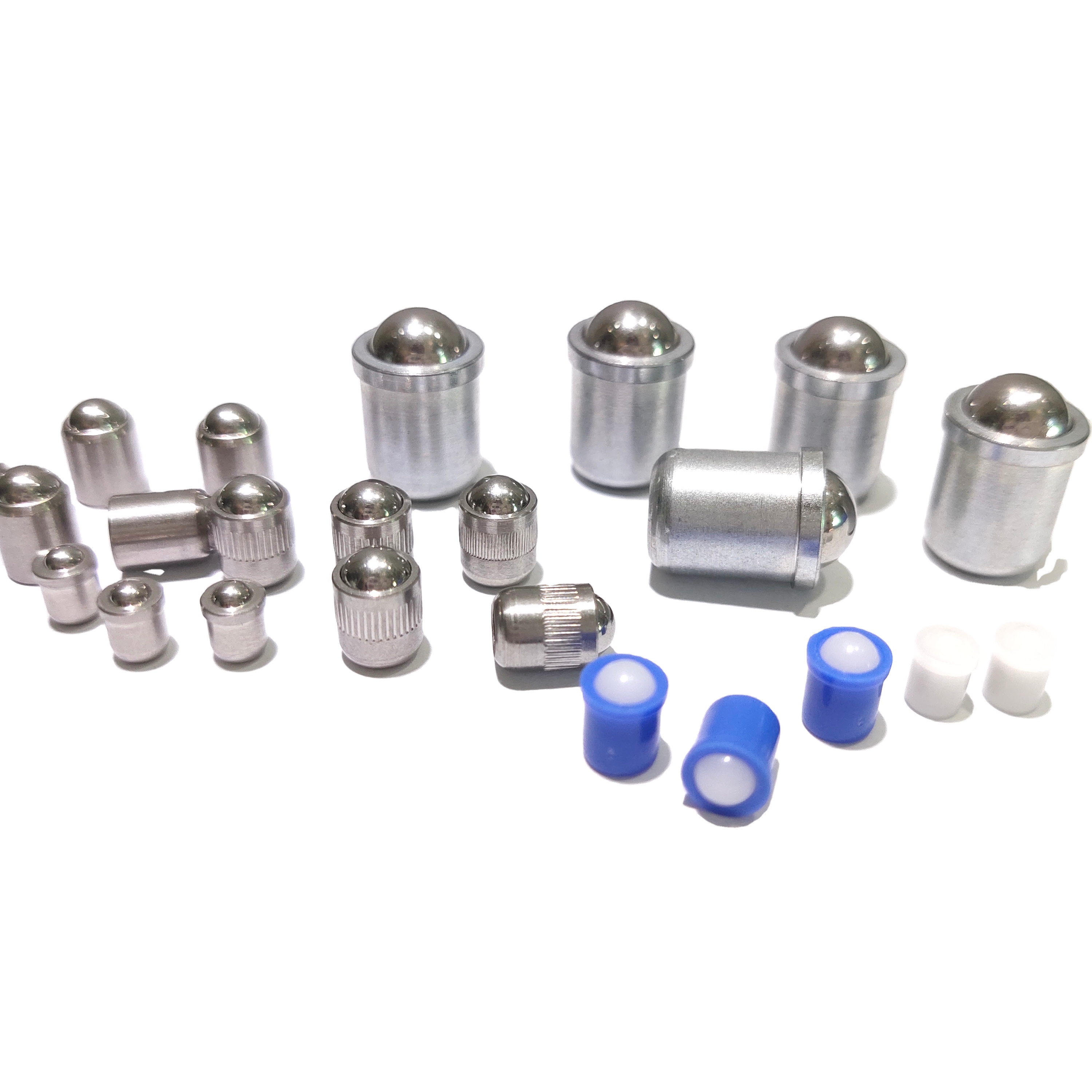
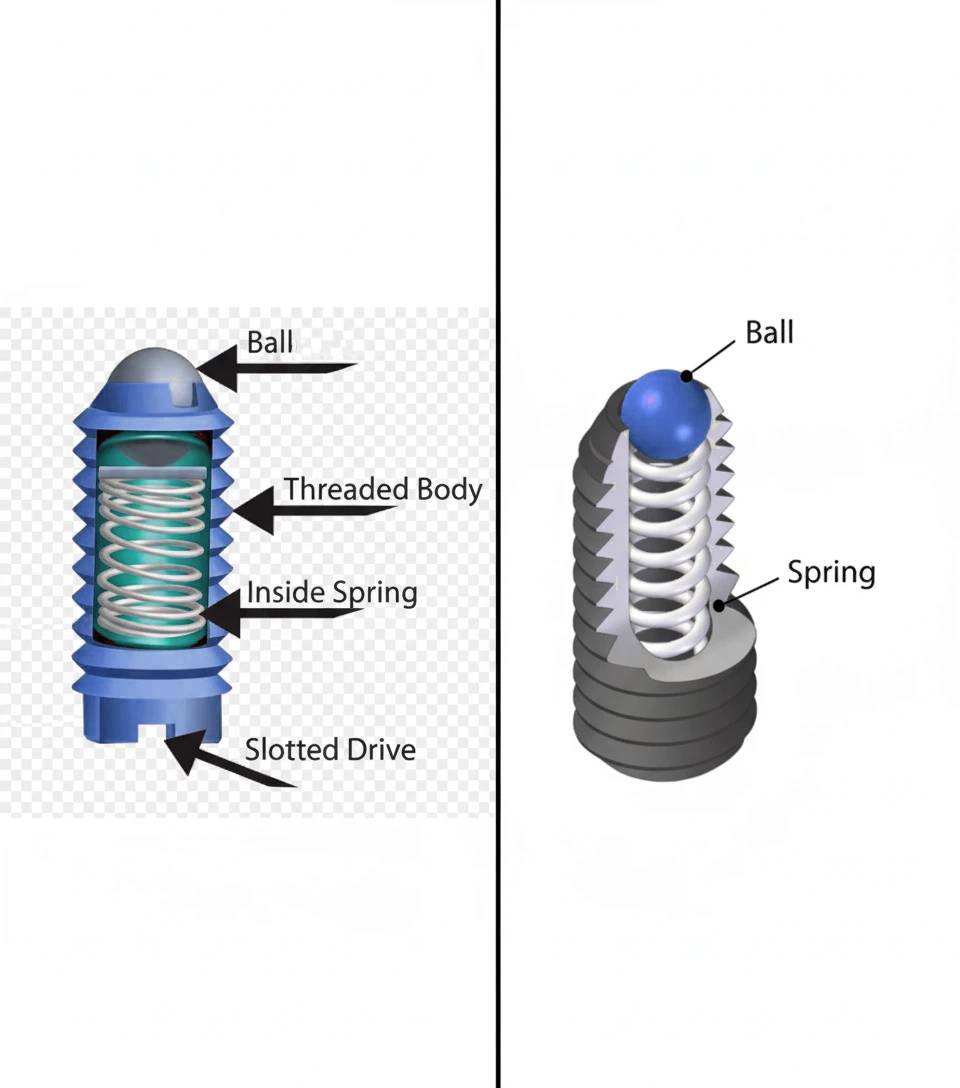
Spring Ball Detent is a compact mechanism that utilizes a spring to drive a steel ball, generating positioning or holding force. It is widely used in mechanical structures requiring lightweight engagement and controlled damping. Despite its small size, its internal structure is precisely engineered, typically comprising three core components: the housing, the ball, and the spring.
1. Housing
The housing of a Spring Ball Detent is typically crafted from metal or engineering plastic, featuring either a cylindrical or threaded configuration. It must possess sufficient strength to contain the internal spring and ball while withstanding continuous compressive forces.
Common materials include stainless steel housings for corrosion-resistant environments, brass housings for softer mating structures, and plastic housings for lightweight or non-metallic equipment.
2. Ball
The ball is the core component of the Spring Ball Detent mechanism. It protrudes from the housing to engage with other mechanical surfaces, enabling latching or positioning. The ball must possess high hardness and wear resistance, commonly achieved through materials like hardened steel or stainless steel. For systems requiring corrosion resistance, stainless steel balls offer a more reliable choice.
3. Spring
The spring provides continuous force to keep the ball in its operational position. Spring tension directly influences the detent's locking strength, tactile feedback, and holding power, making it a critical determinant of the Spring Ball Detent's performance.
1. Housing
The housing of a Spring Ball Detent is typically crafted from metal or engineering plastic, featuring either a cylindrical or threaded configuration. It must possess sufficient strength to contain the internal spring and ball while withstanding continuous compressive forces.
Common materials include stainless steel housings for corrosion-resistant environments, brass housings for softer mating structures, and plastic housings for lightweight or non-metallic equipment.
2. Ball
The ball is the core component of the Spring Ball Detent mechanism. It protrudes from the housing to engage with other mechanical surfaces, enabling latching or positioning. The ball must possess high hardness and wear resistance, commonly achieved through materials like hardened steel or stainless steel. For systems requiring corrosion resistance, stainless steel balls offer a more reliable choice.
3. Spring
The spring provides continuous force to keep the ball in its operational position. Spring tension directly influences the detent's locking strength, tactile feedback, and holding power, making it a critical determinant of the Spring Ball Detent's performance.
How the Spring Ball Detent Works
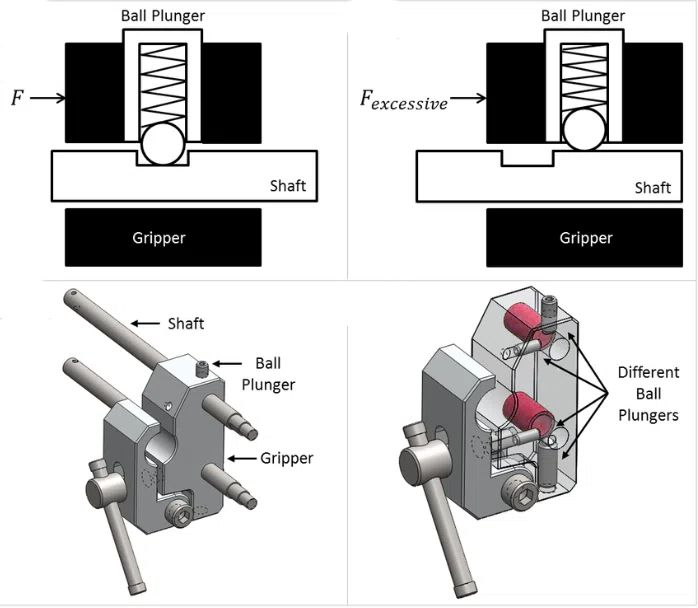
1. Spring thrust positions the steel ball in its operational position.
2. External components drive the steel ball back.
3. The steel ball automatically pops out after entering the groove or positioning point.
4. Achieve stable positioning by utilizing spring force and the contact surface.
Typical Industrial Applications of Spring Ball Detents: Seemingly Invisible, Yet Everywhere
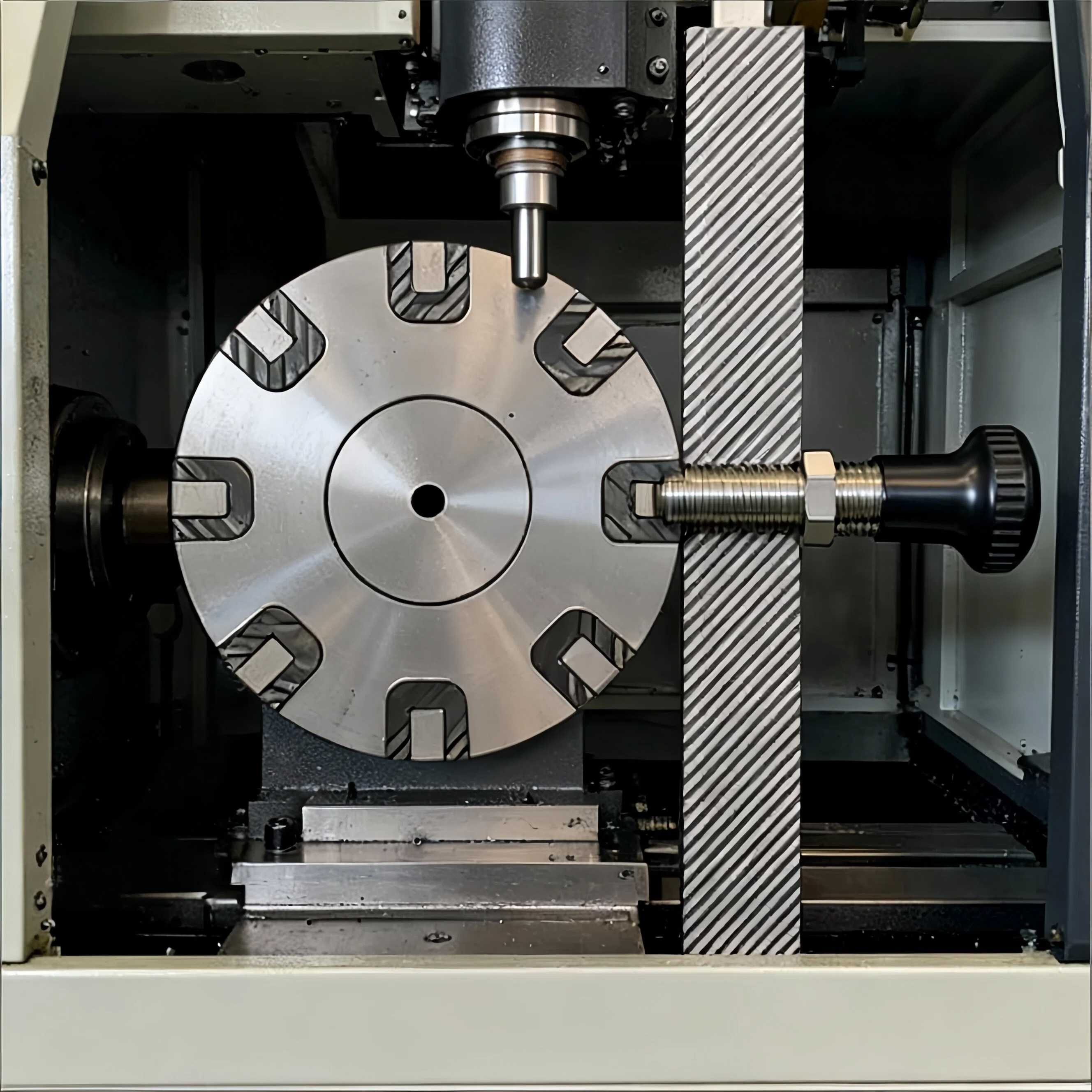
Spring ball detents find applications across a wide spectrum—from lightweight equipment to industrial fixtures, from everyday hardware to precision instruments. Common uses include:
• Mechanical positioning systems: Such as locating points in jigs and fixtures
• Quick-release structures: Providing mechanical feedback for engagement and disengagement
• Limit mechanisms inside hand tools and power tools
Spring ball detents find applications across a wide spectrum—from lightweight equipment to industrial fixtures, from everyday hardware to precision instruments. Common uses include:
• Mechanical positioning systems: Such as locating points in jigs and fixtures
• Quick-release structures: Providing mechanical feedback for engagement and disengagement
• Limit mechanisms inside hand tools and power tools
FAQ
Q: How to Select the Right Spring Ball Detent?
A: Three Key Factors That Cannot Be Overlooked
1. Operating Environment
Humid, corrosive environments → stainless steel
Requires gentle friction, low noise → brass
Lightweight, non-metallic structures → plastic
2. Required Positioning Force
Spring force determines positioning feel and holding power, requiring selection based on equipment load.
3. Mounting Method and External Dimensions
Includes threaded, embedded, flanged, cylindrical types, etc.
1. Operating Environment
Humid, corrosive environments → stainless steel
Requires gentle friction, low noise → brass
Lightweight, non-metallic structures → plastic
2. Required Positioning Force
Spring force determines positioning feel and holding power, requiring selection based on equipment load.
3. Mounting Method and External Dimensions
Includes threaded, embedded, flanged, cylindrical types, etc.
Q: What's The MOQ when ordering Spring Ball Detent?
A: 100-200
Q: How Long Does It Take For The Lead Time?
A: 10-15 days.
Optimize your assemblies with Mocayo Spring Ball Detent, engineered for secure holding strength and repeatable motion control.
Custom Indexing Plunger For Any Industry
How To Choose The Best Positive Locking Fasteners Size For Your Project