Mocayo Ball Lock
Mocayo Ball Lock
Table of Contents
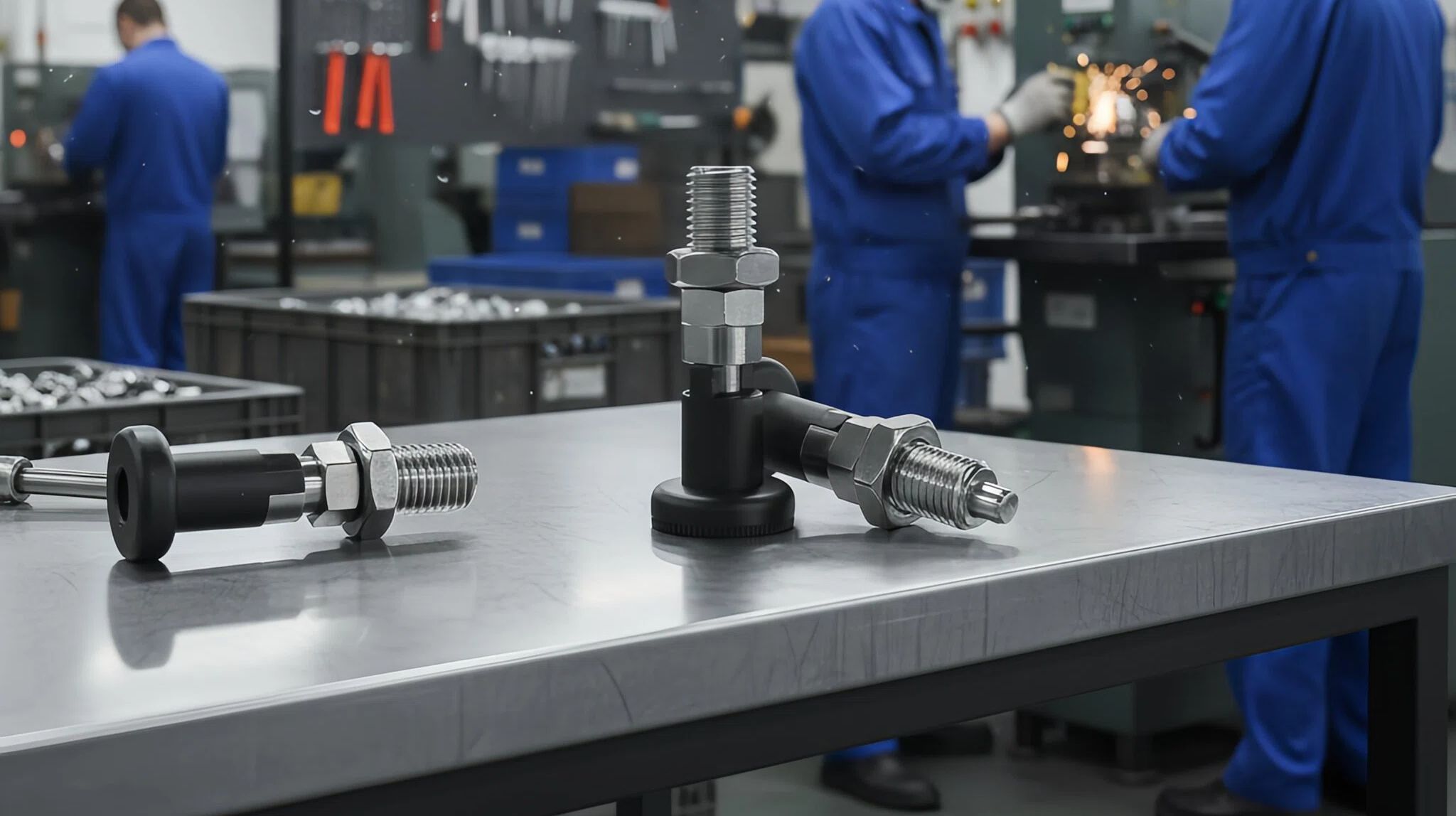
Ball lock pins, as a streamlined, user-friendly, and exceptionally reliable quick-locking component, are becoming indispensable core parts across numerous industries. Leveraging Mocayo's extensive expertise in precision manufacturing, these products are steadily gaining recognition among industrial users worldwide.
In Mocayo's product design, the main body utilizes multiple stainless steel materials, while the handle sections are crafted from aluminum alloy 6063, creating a combination that balances strength with lightweight construction.
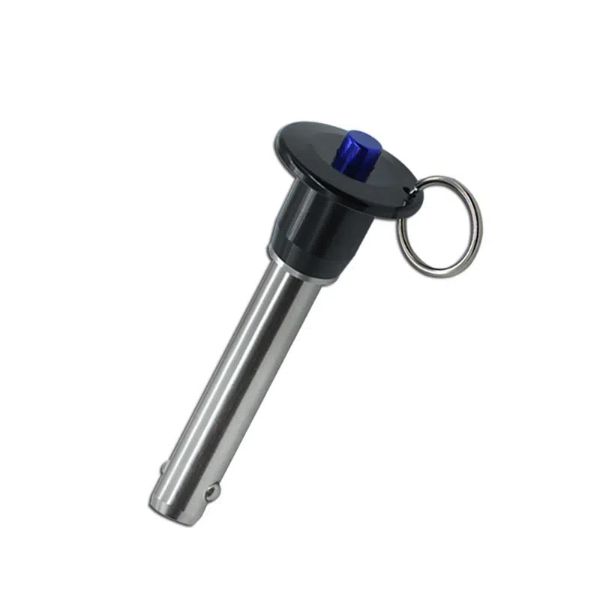


Structure and Material
Multiple Stainless Steel Options for Industrial Applications
To accommodate diverse operating conditions, Mocayo's ball lock pins offer multiple stainless steel options for the pin body, including:
• Stainless steel 303: Easy machining, good corrosion resistance
• Stainless steel 304: General-purpose stainless steel with stable corrosion resistance
• Stainless steel 316: Higher corrosion resistance, suitable for humid or weakly acidic environments
• Stainless steel 17-4PH: Precipitation-hardening stainless steel, combining high strength with corrosion resistance
To accommodate diverse operating conditions, Mocayo's ball lock pins offer multiple stainless steel options for the pin body, including:
• Stainless steel 303: Easy machining, good corrosion resistance
• Stainless steel 304: General-purpose stainless steel with stable corrosion resistance
• Stainless steel 316: Higher corrosion resistance, suitable for humid or weakly acidic environments
• Stainless steel 17-4PH: Precipitation-hardening stainless steel, combining high strength with corrosion resistance
Unlike the main body, the handle portion of ball lock pins is often crafted from aluminum alloy 6063. This material possesses the following notable characteristics:
• Lightweight, reducing strain on the operator's hands
• Excellent surface texture, capable of being anodized into a variety of colors
• Lightweight, reducing strain on the operator's hands
• Excellent surface texture, capable of being anodized into a variety of colors
Usage Instructions
The operation of ball lock pins is highly intuitive, which is a key reason for their widespread adoption in high-frequency usage scenarios.
The usage steps are as follows:
1. Push Button: Pressing the button causes the internal mechanism to retract the locking ball into the pin shaft.
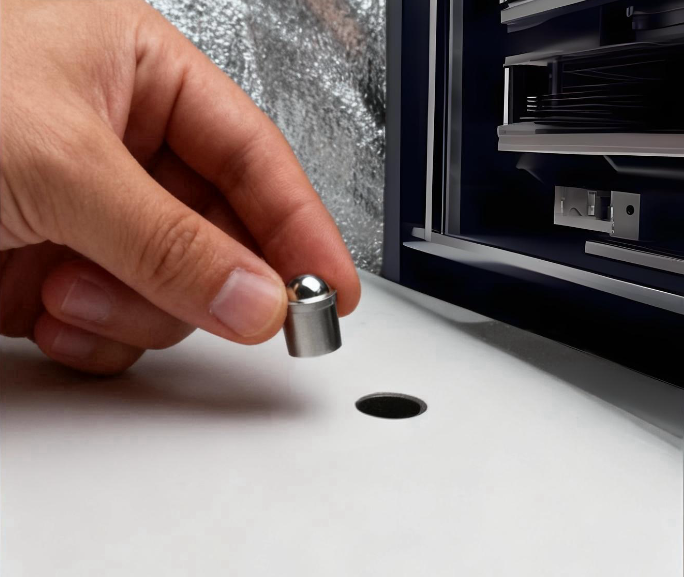
2. Insert into Hole: The pin shaft enters the pre-drilled hole in the assembly structure.
3. Release Button: Upon releasing the button, the locking ball automatically springs out under spring force.
4. Achieve Locking: The ball head engages the hole's edge, providing radial positioning.
5. To disassemble, press the button again to pull out the pin.
The usage steps are as follows:
1. Push Button: Pressing the button causes the internal mechanism to retract the locking ball into the pin shaft.
2. Insert into Hole: The pin shaft enters the pre-drilled hole in the assembly structure.
3. Release Button: Upon releasing the button, the locking ball automatically springs out under spring force.
4. Achieve Locking: The ball head engages the hole's edge, providing radial positioning.
5. To disassemble, press the button again to pull out the pin.
The locking ball, positioned at the front end of the pin shaft, is the critical component enabling the locking function. When the button is pressed, the internal bevel causes the locking ball to retract into the pin shaft. Upon releasing the button, the locking ball springs back out under spring force, creating a mechanical interlock. This mechanism effectively provides pull-out resistance, ensuring the ball lock pins remain secure during operation.
Application Scenarios
1. Fixtures and Jig Systems
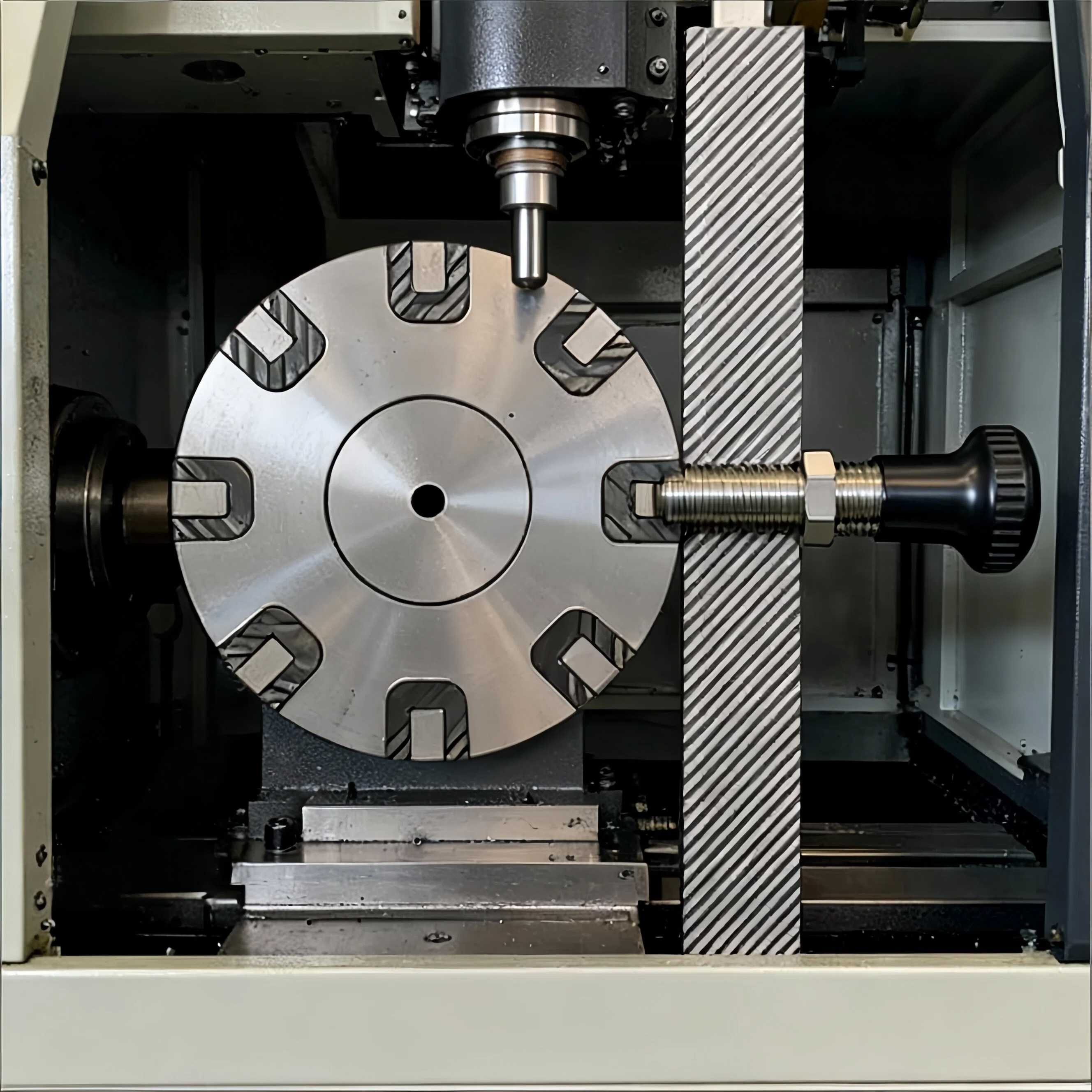
In CNC tooling, inspection fixtures, and assembly jigs, ball lock pins secure components, position workpieces, or enable rapid module switching. The wear-resistant properties of stainless steel ensure stability during high-intensity, frequent use.
2. Equipment Frame Connections
Modular racks, robotic bases, and adjustment mechanisms frequently employ ball lock pins to connect brackets or adjustable components. Their simple structure minimizes maintenance complexity.
In CNC tooling, inspection fixtures, and assembly jigs, ball lock pins secure components, position workpieces, or enable rapid module switching. The wear-resistant properties of stainless steel ensure stability during high-intensity, frequent use.
2. Equipment Frame Connections
Modular racks, robotic bases, and adjustment mechanisms frequently employ ball lock pins to connect brackets or adjustable components. Their simple structure minimizes maintenance complexity.

3. Sports Equipment and Stage Gear
Lightweight requirements make the aluminum alloy 6063 handle version particularly suitable for portable devices, folding mechanisms, and adjustable structures.

FAQ
Q: How long does the lead time take for ordering ball lock pins?
A: It depends on your quantity, it usually takes 10-15 days.
Q: Does your ball lock pin comply with MS/NASM standards?
A: Yes. We have various sizes for those standards.
Q: Do you provide heat treatment for the ball lock pin?
A: Yes, our ball lok pin would be heat treated to make sure higher shear resistance.
Optimize equipment with our robust ball lock mechanism and corrosion-resistant ball lock pins, perfect for frequent locking operations.
Custom Indexing Plunger For Any Industry