How To Level Up Metalworking Project
Enhancing Your Metalworking Projects Through Optimal Fastener Selection
In metalworking, the choice of fasteners is pivotal to the structural integrity, functionality, and longevity of your projects. Selecting the appropriate fasteners ensures robust connections and enhances the overall quality of the finished product. This article delves into key considerations and best practices for elevating your metalworking endeavors through informed fastener selection.
1. Understanding Fastener Types
Fasteners are hardware devices that mechanically join or affix two or more objects. In metalworking, the primary categories include:
-
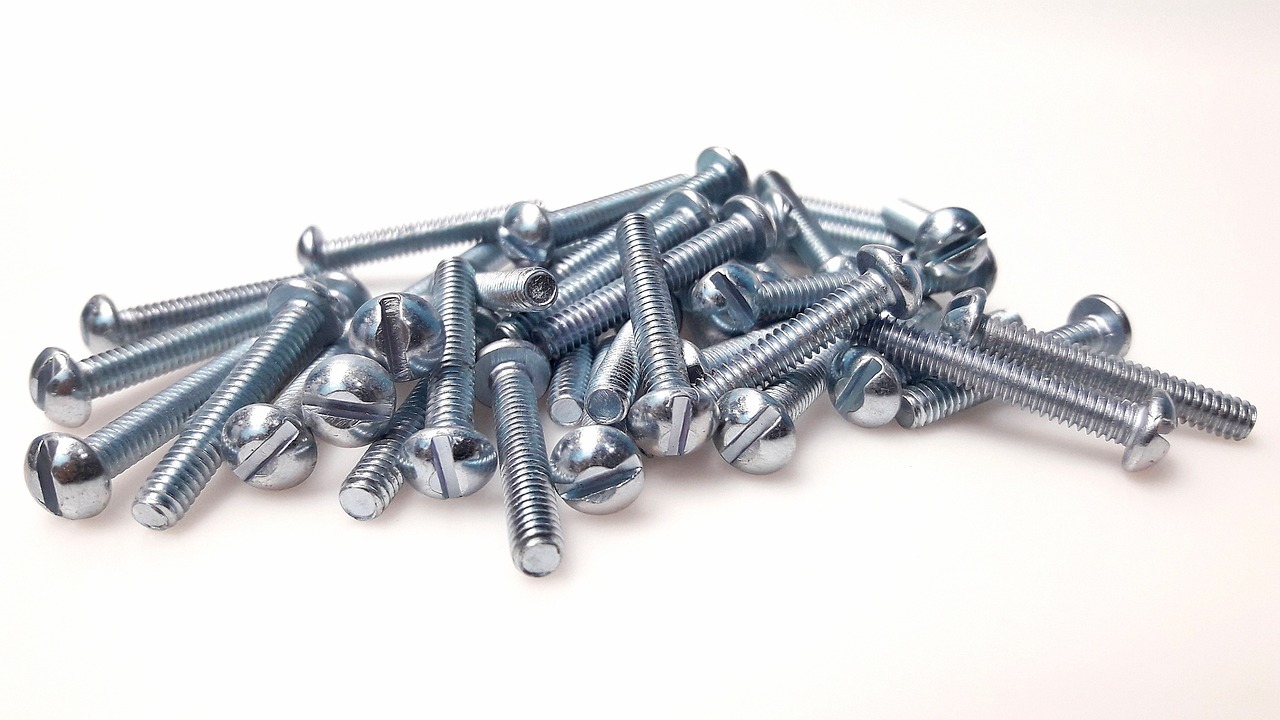
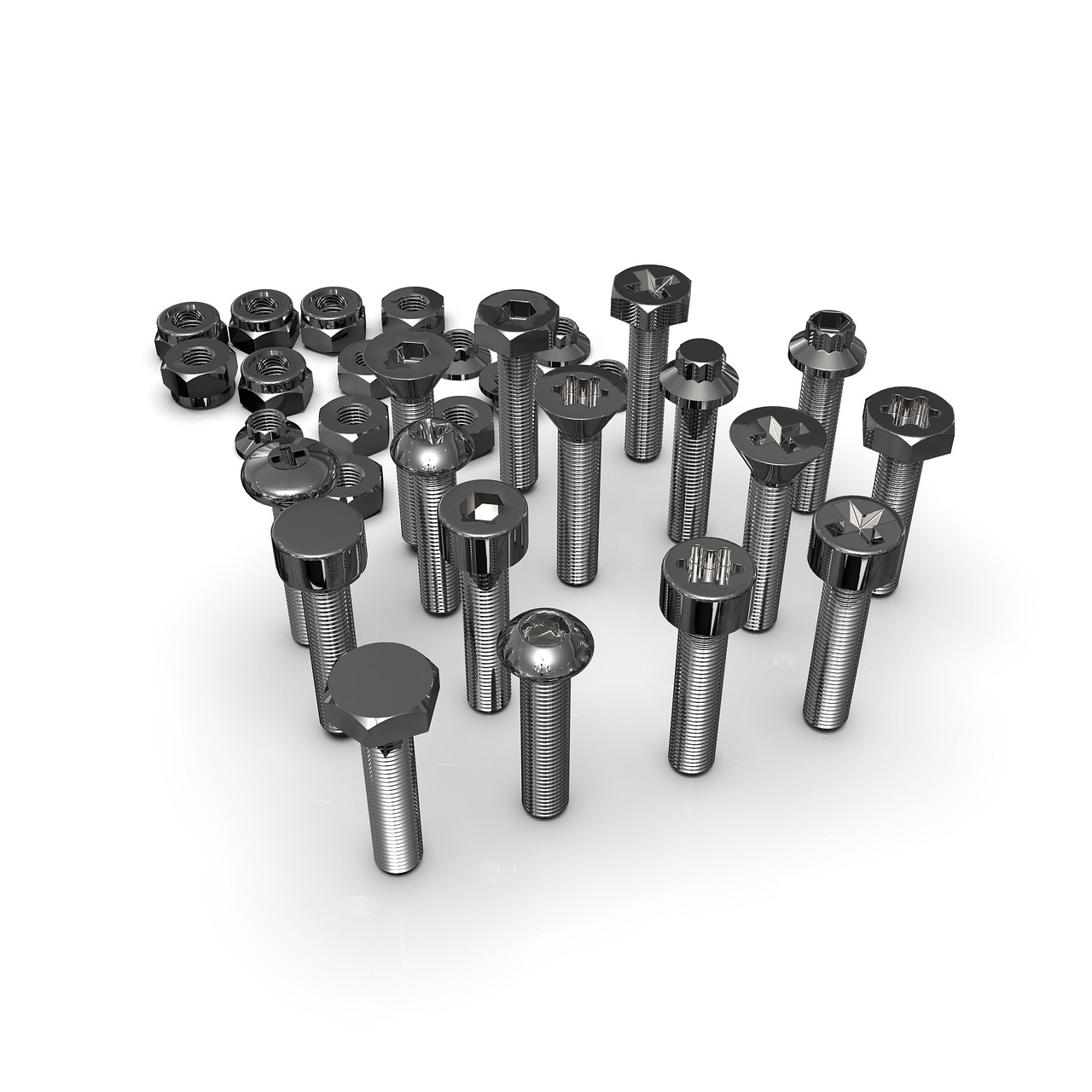
Threaded Fasteners: These have internal or external threads and include bolts, screws, and nuts. They are ideal for applications requiring disassembly and reassembly.
-
Non-Threaded Fasteners: Examples are rivets and pins, which are typically permanent and used when a non-removable joint is desired.
2. Material Compatibility
Selecting fasteners made from materials compatible with the metals in your project is crucial to prevent galvanic corrosion. For instance, pairing aluminum fasteners with carbon steel can lead to corrosion issues. The best practice is to use fasteners made of the same material as the panels you're fastening to.
3. Assessing Mechanical Properties
Understanding the mechanical properties of both the fasteners and the materials being joined is essential:
-
Tensile Strength: Ensure the fastener can withstand the forces exerted without breaking.
-
Shear Strength: Consider the fastener's ability to resist forces that might cause it to shear off.
Matching the fastener's strength to the application's demands ensures durability and safety.
4. Environmental Considerations
Environmental factors can significantly impact fastener performance:
-
Corrosion Resistance: In corrosive environments, such as coastal areas, opt for materials like stainless steel or apply protective coatings to enhance longevity.
-
Temperature Variations: Select fasteners that can withstand the operating temperature range of your project without degrading.
5. Precision in Installation
Proper installation techniques are vital to the effectiveness of fasteners:
-
Alignment: Ensure all components are correctly positioned before tightening to prevent misalignment or stress.
-
Torque Application: Initially, hand-tighten fasteners to a snug fit without excessive force, then apply the specified torque to avoid over-tightening or under-tightening.
6. Leveraging Industry Standards
Adhering to established standards ensures reliability and quality:
- Consult Authoritative Resources: Utilize guides and handbooks from reputable organizations, such as the Industrial Fasteners Institute, to inform your fastener selection and application processes.
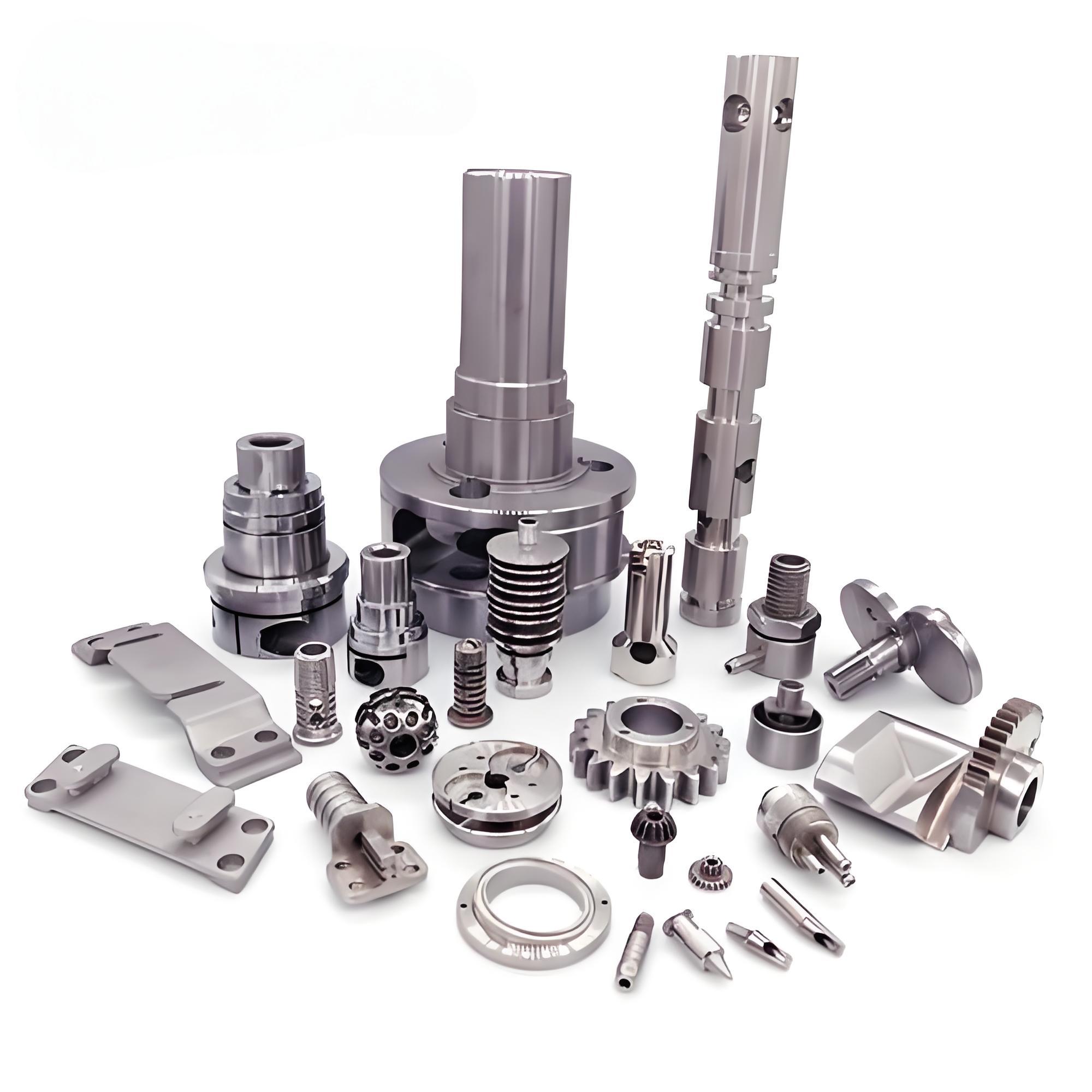
Discover our custom metal parts for precision and durability in industrial applications. Tailored solutions ensure optimal performance and reliability. Contact us for high-quality, custom-engineered components today.
How To Use Ball Nose Spring Plunger
How Do You Install A Quick Release Pin
Related Article