What's The Best Way To Optimize A Design For CNC Machining
Optimizing Design for CNC Machining: Best Practices for Efficiency and Precision
CNC (Computer Numerical Control) machining is a cornerstone of modern manufacturing, offering unparalleled precision and versatility in producing complex parts. However, to fully leverage the capabilities of CNC machining, designers must optimize their designs to ensure efficiency, cost-effectiveness, and high-quality outcomes. This article explores the best practices for optimizing designs for CNC machining, providing insights into how to achieve the best results.
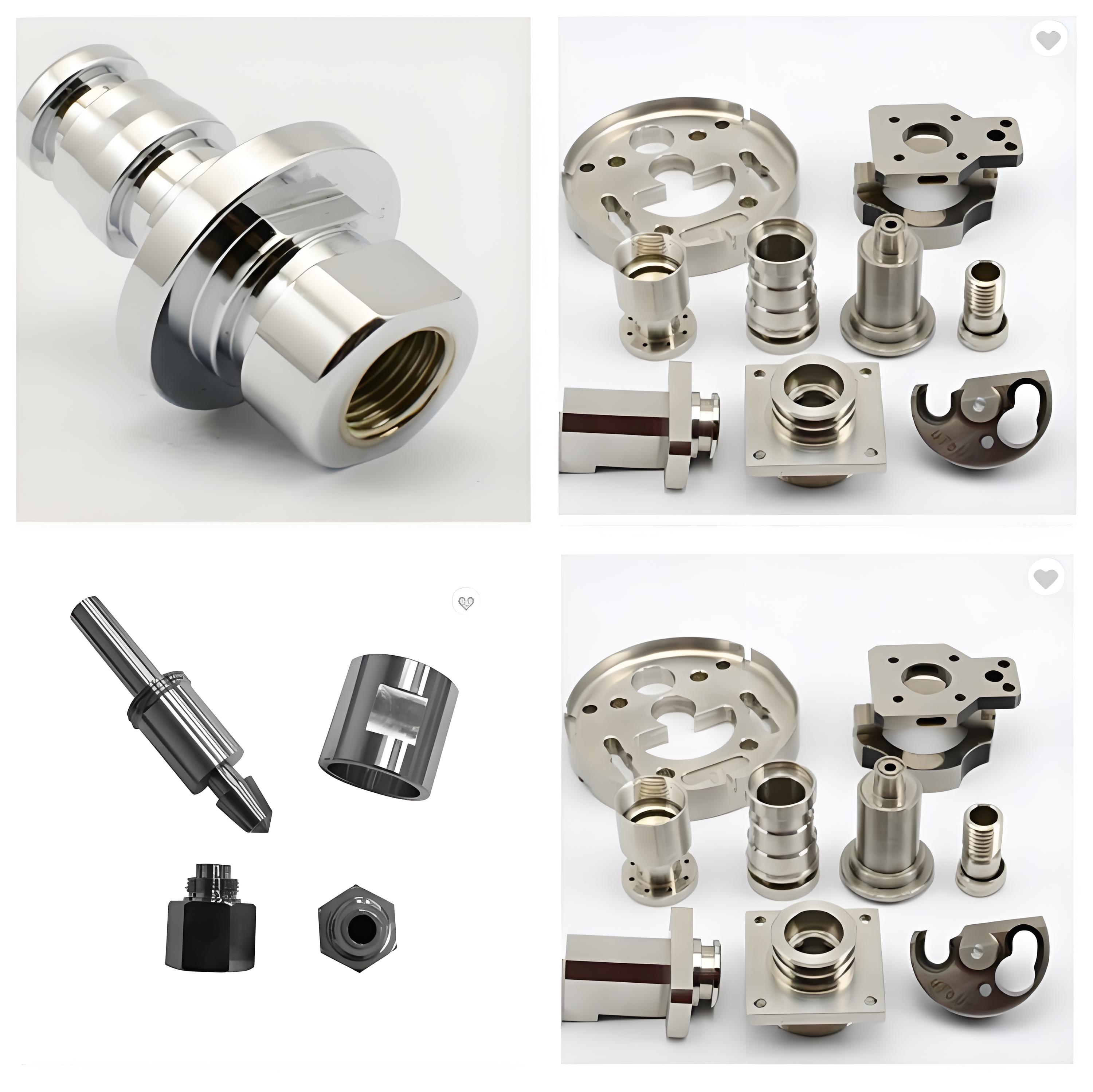
1. Understand the Basics of CNC Machining
Before diving into design optimization, it's crucial to understand the fundamental principles of CNC machining. CNC machines use subtractive manufacturing processes, where material is removed from a solid block to create the desired shape. Familiarity with the capabilities and limitations of CNC machines, such as the types of materials they can handle, the precision they can achieve, and the tools they use, is essential for effective design.
2. Simplify Geometry
One of the key principles of optimizing a design for CNC machining is to simplify the geometry. Complex shapes with intricate details can be challenging and time-consuming to machine, leading to increased costs and potential errors. By reducing the number of complex features, such as deep pockets, sharp internal corners, and thin walls, designers can streamline the machining process. Using fillets and chamfers instead of sharp corners can also improve machinability and reduce stress concentrations in the final part.
3. Choose the Right Materials
Material selection plays a significant role in the machinability of a part. Different materials have varying properties, such as hardness, thermal conductivity, and machinability ratings, which can affect the ease and speed of machining. For instance, aluminum is known for its excellent machinability, making it a popular choice for CNC machining. On the other hand, materials like titanium and stainless steel are more challenging to machine but offer superior strength and durability. Selecting the appropriate material based on the part's requirements and the machining process can lead to better outcomes.
4. Optimize Tolerances
Tolerances define the allowable variation in the dimensions of a part. While tight tolerances are necessary for high-precision components, they can significantly increase machining time and costs. Designers should specify tolerances that are as loose as possible while still meeting the functional requirements of the part. This approach not only reduces machining complexity but also minimizes the risk of errors and rework.
5. Design for Tool Access
CNC machines use various cutting tools to remove material, and the design must allow for proper tool access. Features such as deep cavities, narrow slots, and undercuts can be difficult to machine if the tools cannot reach them effectively. Designers should ensure that all features are accessible by standard tooling and consider the tool's diameter and length when designing the part. Additionally, avoiding features that require specialized tools can further simplify the machining process.
6. Minimize Setup Changes
Reducing the number of setup changes during machining can significantly enhance efficiency. Each setup change requires time to reposition the part and recalibrate the machine, leading to increased production time and costs. Designers can minimize setup changes by orienting features in a way that allows them to be machined in a single setup or by grouping similar operations together. This approach not only speeds up the machining process but also improves consistency and accuracy.
7. Consider Post-Processing Requirements
Many CNC machined parts require additional post-processing, such as surface finishing, heat treatment, or assembly. Designers should consider these requirements during the design phase to ensure that the part can be easily and effectively processed after machining. For example, designing parts with smooth surfaces and avoiding sharp edges can simplify surface finishing processes like polishing or coating.
8. Utilize CAD/CAM Software
Modern CAD (Computer-Aided Design) and CAM (Computer-Aided Manufacturing) software offer powerful tools for optimizing designs for CNC machining. These tools allow designers to simulate the machining process, identify potential issues, and make necessary adjustments before production. By leveraging CAD/CAM software, designers can optimize tool paths, reduce material waste, and ensure that the design is fully compatible with the CNC machining process.
Conclusion
Optimizing a design for CNC machining involves a combination of understanding the machining process, simplifying geometry, selecting appropriate materials, and considering post-processing requirements. By following these best practices, designers can create parts that are not only functional and precise but also cost-effective and efficient to produce. As CNC machining technology continues to evolve, staying informed about the latest advancements and techniques will be essential for achieving the best possible outcomes in manufacturing.
What Are The Different Types Of Lock Pins
Pin Lock Vs Ball Lock
Related Article