How Do You Install A Quick Release Pin
How Do You Install a Quick Release Pin?
Quick release pins are widely used in industrial, automotive, aerospace, and marine applications for their ease of use and reliability. They provide a secure yet easily removable fastening solution for assembling and disassembling components. Proper installation is essential to ensure the pin functions correctly and maintains structural integrity. This article will guide you through the process of installing a quick release pin, including preparation, installation steps, and best practices.
Understanding Quick Release Pins
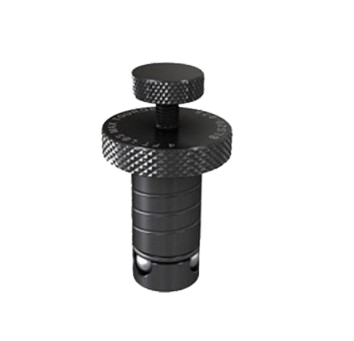
A quick release pin is a fastening device designed for easy insertion and removal without the need for additional tools. These pins typically feature a locking mechanism, such as a ball lock, push button, or T-handle, to ensure they stay securely in place during use. They come in various sizes, materials, and designs to suit different applications.

Step-by-Step Guide to Installing a Quick Release Pin
1. Identify the Correct Quick Release Pin
Before installation, ensure that the selected pin meets the requirements of your application. Consider:
- Pin Diameter & Length: The pin should fit snugly into the hole without excessive movement.
- Material Selection: Stainless steel, titanium, or other high-strength alloys should be used for heavy-duty or high-temperature applications.
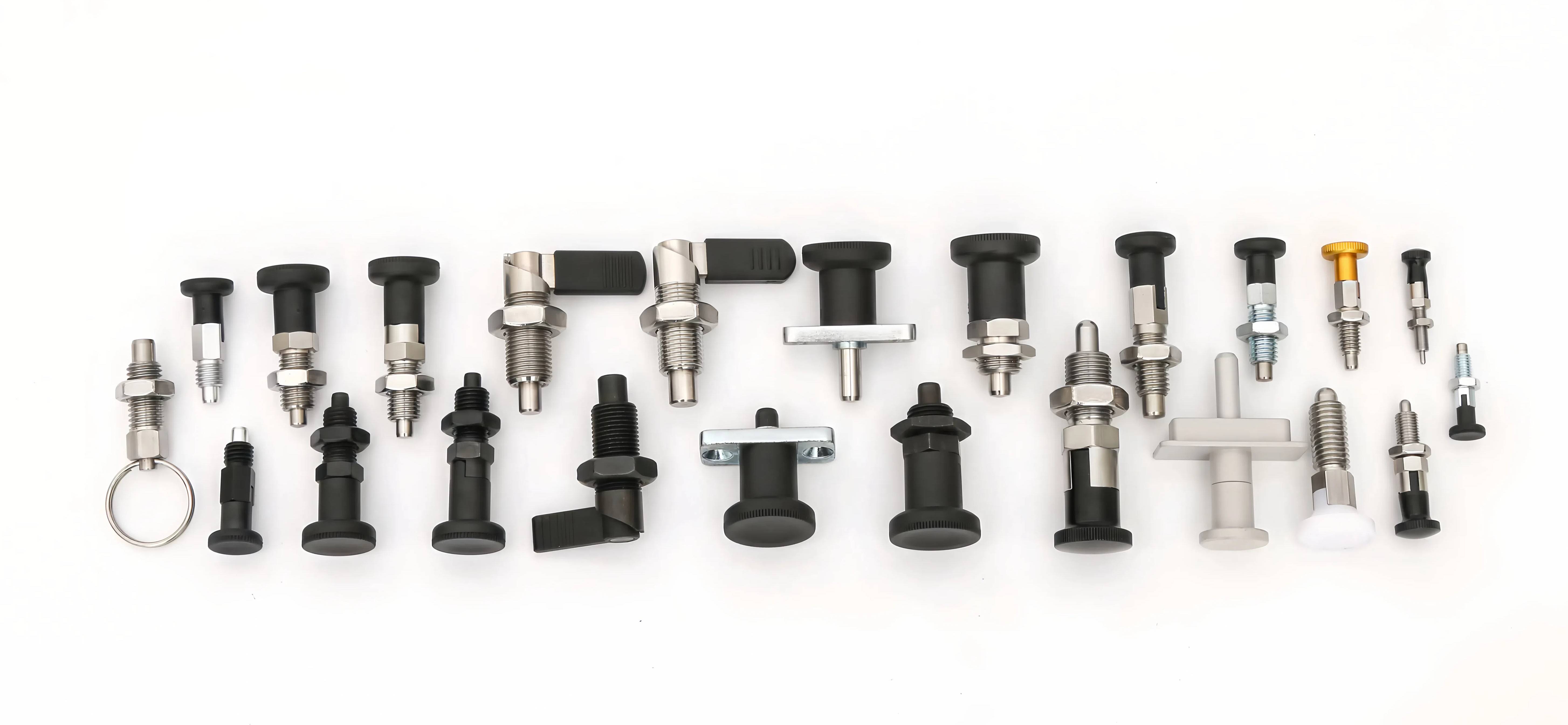
- Locking Mechanism: Choose between ball-lock, detent, or push-button pins depending on how secure the connection needs to be.
2. Prepare the Components
Proper preparation ensures a smooth installation:
- Align the Holes: The two or more components to be fastened must have aligned holes for the pin to pass through.
- Clean the Surfaces: Remove dirt, debris, or rust to ensure smooth insertion and proper locking.
- Check for Obstructions: Ensure there are no burrs or irregularities that may hinder the pin’s movement.
3. Insert the Quick Release Pin
Follow these steps to insert the pin properly:
- Hold the pin by its handle or button mechanism for better grip and control.
- Align the pin with the hole and gently push it through.
- If using a ball-lock pin, continue pushing until the locking balls fully pass through the hole.
- If using a push-button pin, press the button while inserting and release it once the pin is in place.
- For T-handle or ring-handle pins, ensure the handle is fully engaged and the pin is locked in position.
4. Verify the Locking Mechanism
After inserting the pin, check to ensure it is properly locked:
- Pull on the pin lightly to confirm it does not slide out.
- Check if the ball-lock mechanism has fully expanded to prevent accidental removal.
- Ensure that any safety clips, rings, or retaining latches are properly secured if applicable.
Best Practices for Installing Quick Release Pins
Use the Right Pin Size: A pin that is too loose may cause instability, while an oversized pin may not fit properly.
Check the Load Requirements: Ensure the pin’s load-bearing capacity matches your application to prevent failure under stress.
Regular Inspection: Inspect the pin and surrounding components for wear and tear to maintain safety.
Lubricate Moving Parts: If the pin is frequently removed and reinstalled, applying light lubrication can reduce friction and enhance longevity.
Use Safety Retention Features: Some applications require additional securing features like lanyards or locking rings to prevent accidental loss.
Common Applications of Quick Release Pins
Quick release pins are used in various industries, including:
Aerospace & Aviation – Securing aircraft panels, seats, and cargo systems.
Automotive & Racing – Used in hood latches, racing harnesses, and quick-change systems.
Manufacturing & Machinery – Fastening machine components for easy adjustments.
Marine & Boating – Securing rigging, deck fittings, and boat accessories.
Construction & Heavy Equipment – Locking scaffolding, supports, and framework connections.
Discover our heavy duty ball lock pins for secure and efficient fastening in demanding industrial applications. Durable and reliable, they ensure optimal performance. Contact us today.
How To Level Up Metalworking Project
What Is Line Array Lock Pins-Understanding Their Purpose and Benefits
Related Article