How to Choose The Right Indexing Plunger
How to Choose the Right Indexing Plunger: A Comprehensive Guide
Indexing plungers are essential components in mechanical systems, used for precise positioning and locking in a variety of applications. They are commonly employed in machinery, jigs, fixtures, and automation systems to hold workpieces securely in place. With so many options available, choosing the right indexing plunger can be a bit overwhelming. This guide will walk you through the factors you need to consider to ensure you select the best plunger for your needs.

1. Understand the Function of an Indexing Plunger
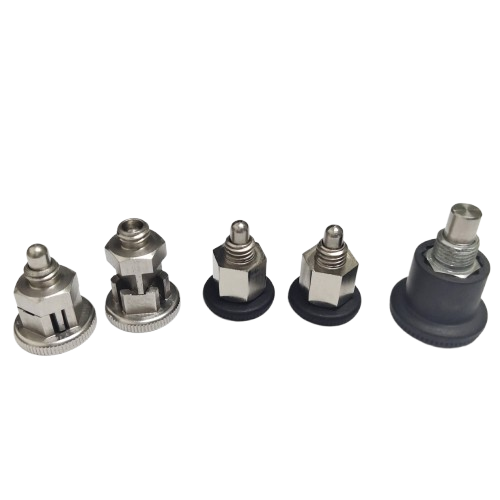
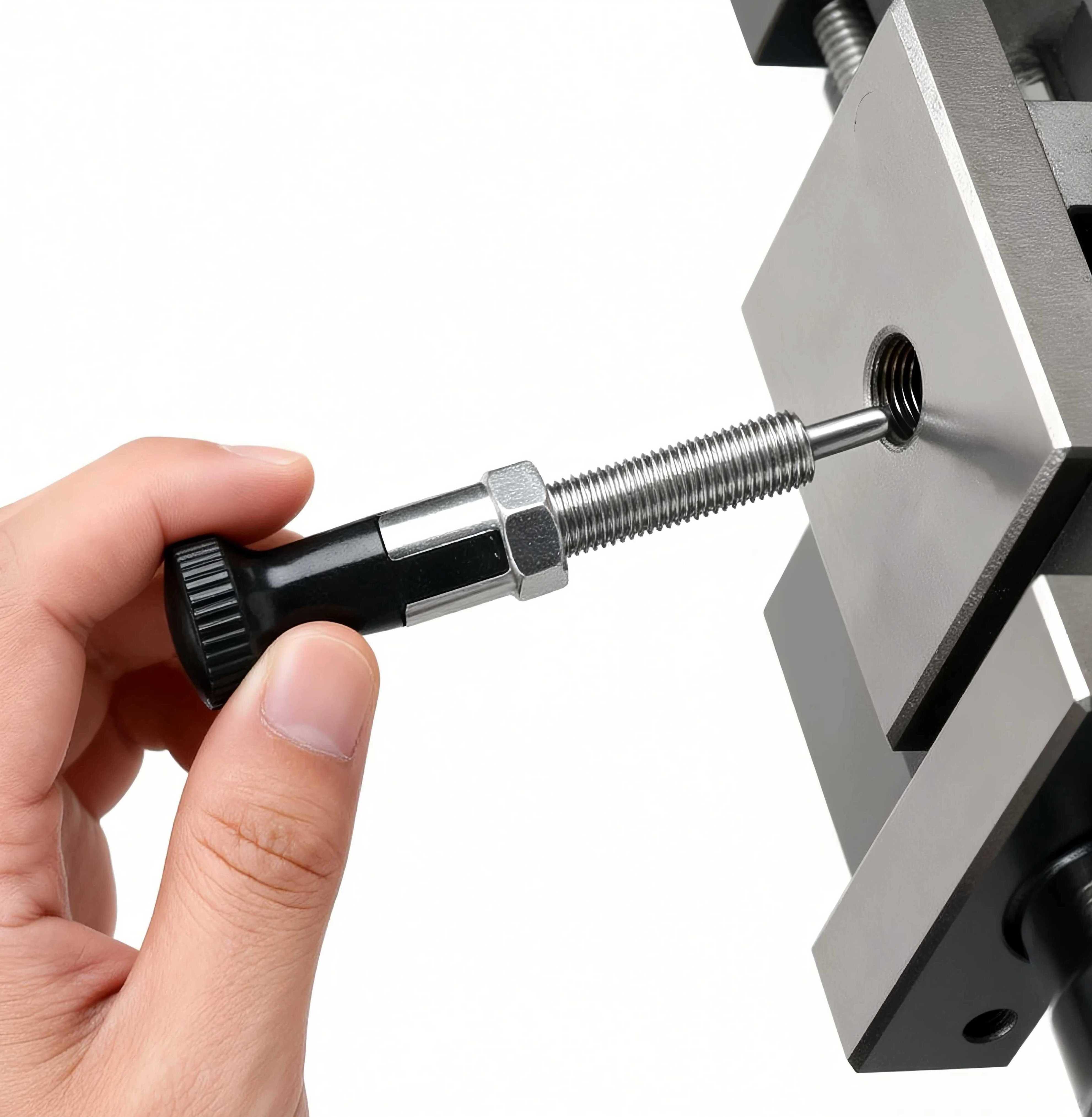
Before diving into specifications, it’s important to first understand the primary function of an indexing plunger. These devices allow for accurate and repeatable positioning of components, usually in applications where adjustments or changes in position are required. They typically feature a spring-loaded pin that locks into place and can be released with a simple push or pull mechanism.
2. Determine the Load Requirements
One of the first considerations when choosing an indexing plunger is the load it needs to support. Depending on your application, the plunger will need to bear different amounts of weight or force. Consider whether the plunger will be subjected to static loads (where the force is constant) or dynamic loads (which change over time). For heavy-duty applications, select a plunger with a higher load rating to ensure long-lasting performance.
3. Choose the Right Size and Thread Type
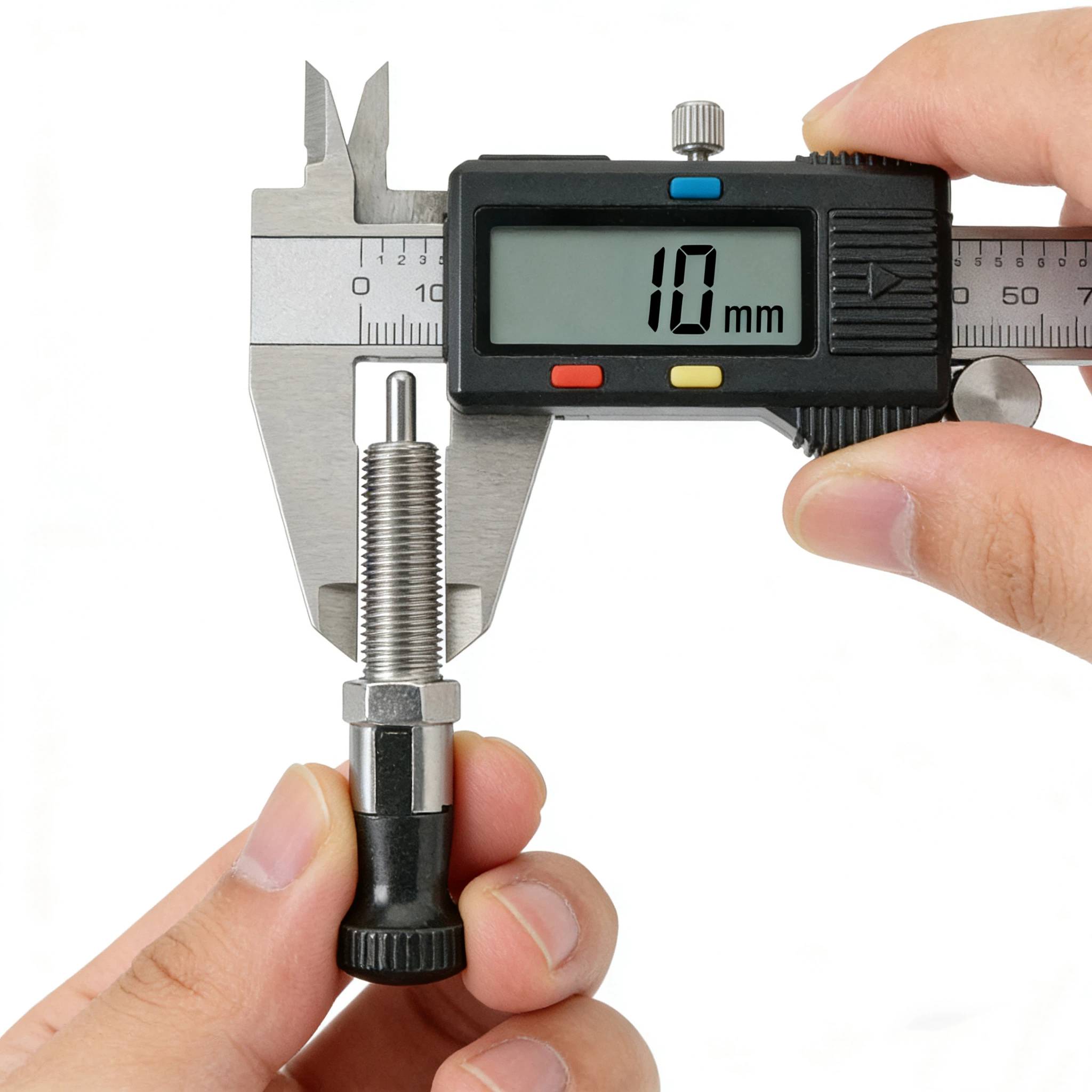
Indexing plungers come in various sizes and thread types to accommodate different mounting requirements. Ensure that the plunger you choose fits the space available in your system and that the thread type matches the thread of the hole or mount where it will be installed. Common thread types include metric and imperial threads, so make sure to select the one compatible with your equipment.
- Metric threads are typically used in international applications.
- Imperial threads are more common in North America.
4. Select the Correct Material
The material of the indexing plunger is another critical factor. Depending on the environment in which the plunger will be used, different materials provide varying degrees of durability, corrosion resistance, and heat resistance. Common materials include:
- Stainless Steel: Ideal for corrosive or wet environments, as it offers superior resistance to rust and degradation.
- Steel: A strong and durable option, but it may require additional coatings for corrosion resistance.
- Plastic or Aluminum: Lightweight materials suitable for low-load, low-wear applications.
If your application involves exposure to harsh conditions, consider selecting a plunger with a material that can withstand the environment.
5. Locking Mechanism and Release Action
Indexing plungers are typically designed with a locking mechanism that ensures the pin securely locks into place when the plunger is engaged. There are different types of locking mechanisms, such as:
- Push-to-lock and pull-to-release: Common in many indexing plungers, this mechanism is activated when the pin is pushed into place or pulled back for release.
- Ball locking: In this type, ball bearings secure the plunger in place, providing a more robust locking solution.
The release action can be manual, or some advanced designs may feature a spring-assisted release mechanism. Depending on your application, choose a locking mechanism that offers ease of use and ensures that the plunger stays in position until released.
6. Consider Environmental Factors
The operating environment plays a significant role in selecting the right indexing plunger. If your system will be exposed to extreme temperatures, chemicals, or moisture, make sure to choose a plunger that is designed for these conditions. For example:
- High-temperature environments: Choose materials like stainless steel or those with heat-resistant coatings.
- Corrosive environments: Stainless steel or plastic plungers are excellent choices for preventing rust and degradation.
7. Look for Additional Features
Depending on the complexity of your application, you may need additional features in an indexing plunger. Some options include:
- Adjustable stops: These allow for fine-tuning the position of the plunger to suit specific requirements.
- Non-slip coatings: Certain plungers come with non-slip finishes to prevent them from shifting under pressure.
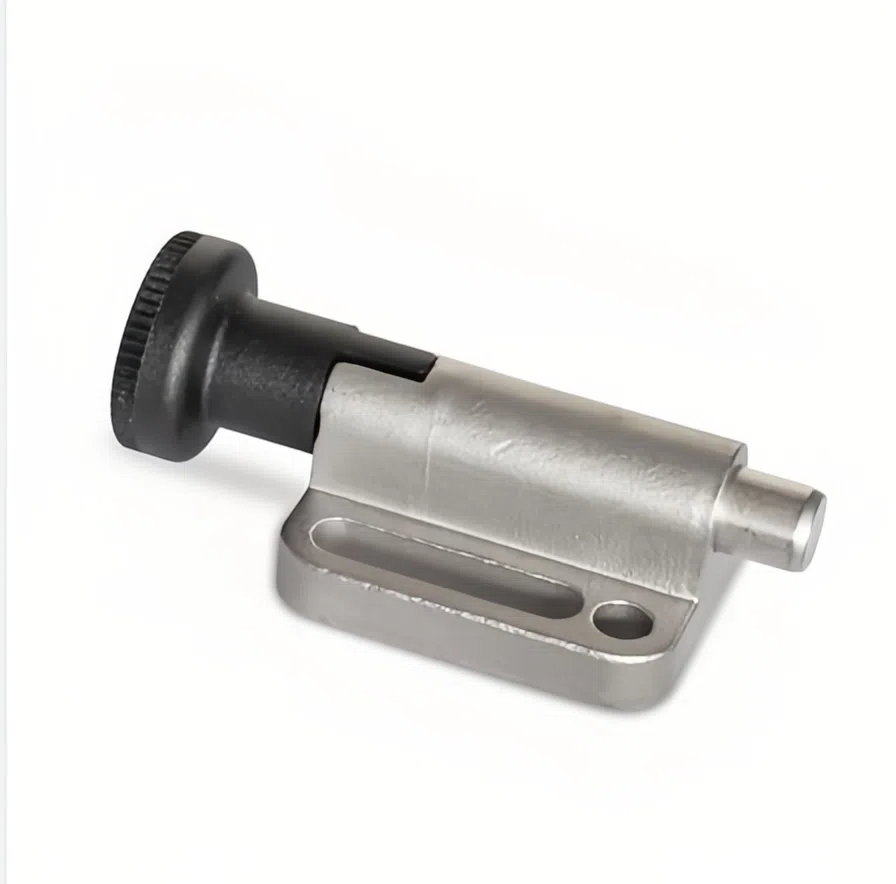
- Retractable plungers: Ideal for applications where the plunger should be hidden or recessed when not in use.
Evaluate whether these extra features are necessary for your specific use case.
8. Ensure Compatibility with Your System
Finally, before making your purchase, confirm that the indexing plunger is compatible with the rest of your system. Check the size, shape, and configuration to ensure that it fits properly within your setup. If in doubt, consult with the manufacturer or a supplier to confirm the right choice.
Discover our indexing plunger pins for precise positioning and reliable performance in industrial applications. Durable and efficient, they ensure smooth operation. Contact us for custom solutions tailored to your needs.
What Are Industrial Fasteners
Quick Release Pins Vs Spring Pins
Related Article