The Difference Between A Spring Plunger And A Ball Plunger
The Difference Between a Spring Plunger and a Ball Plunger
When it comes to mechanical systems, precision and reliability are essential. Both spring plungers and ball plungers are widely used components designed for positioning and securing applications, but they serve slightly different purposes and have distinct features. Understanding the differences between these two types of plungers is crucial when selecting the right one for your specific needs. In this article, we will explore the key differences between spring plungers and ball plungers, including their design, functionality, and ideal applications.


1. What Is a Spring Plunger?
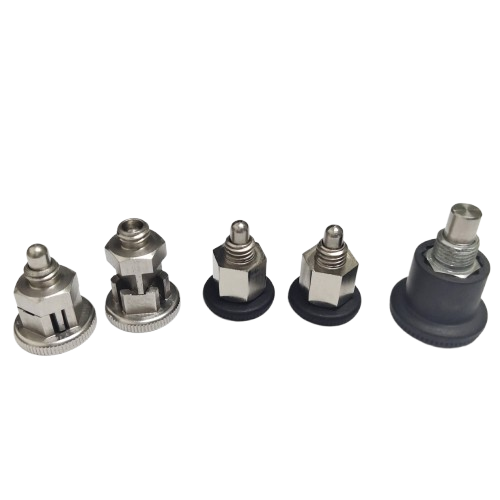
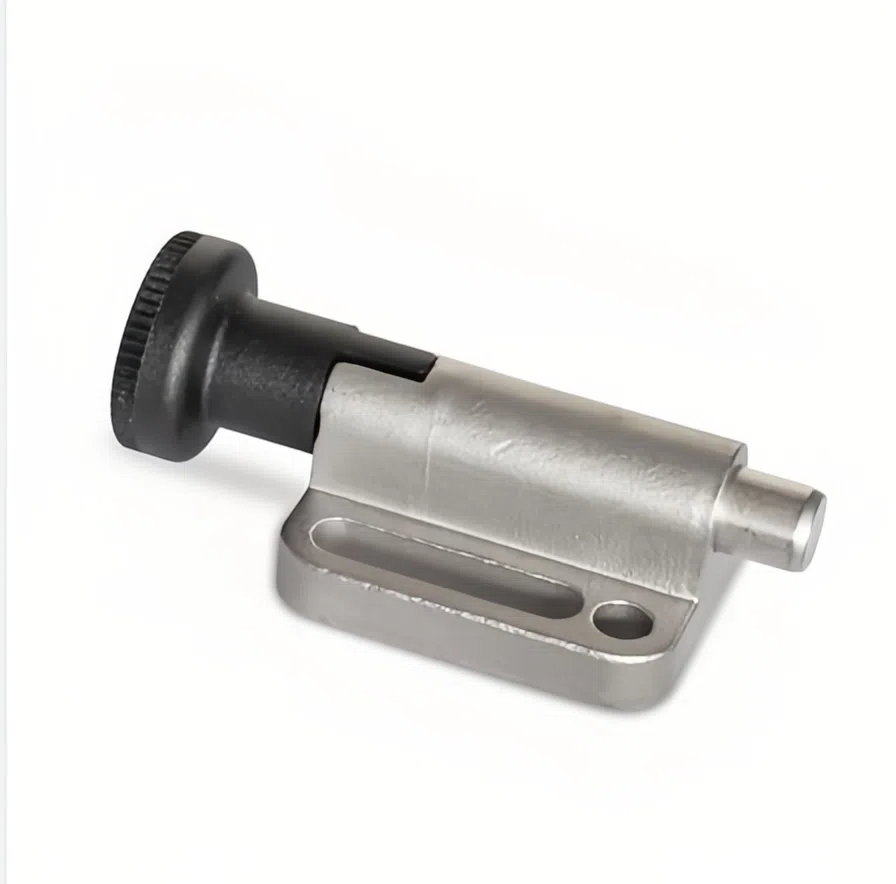
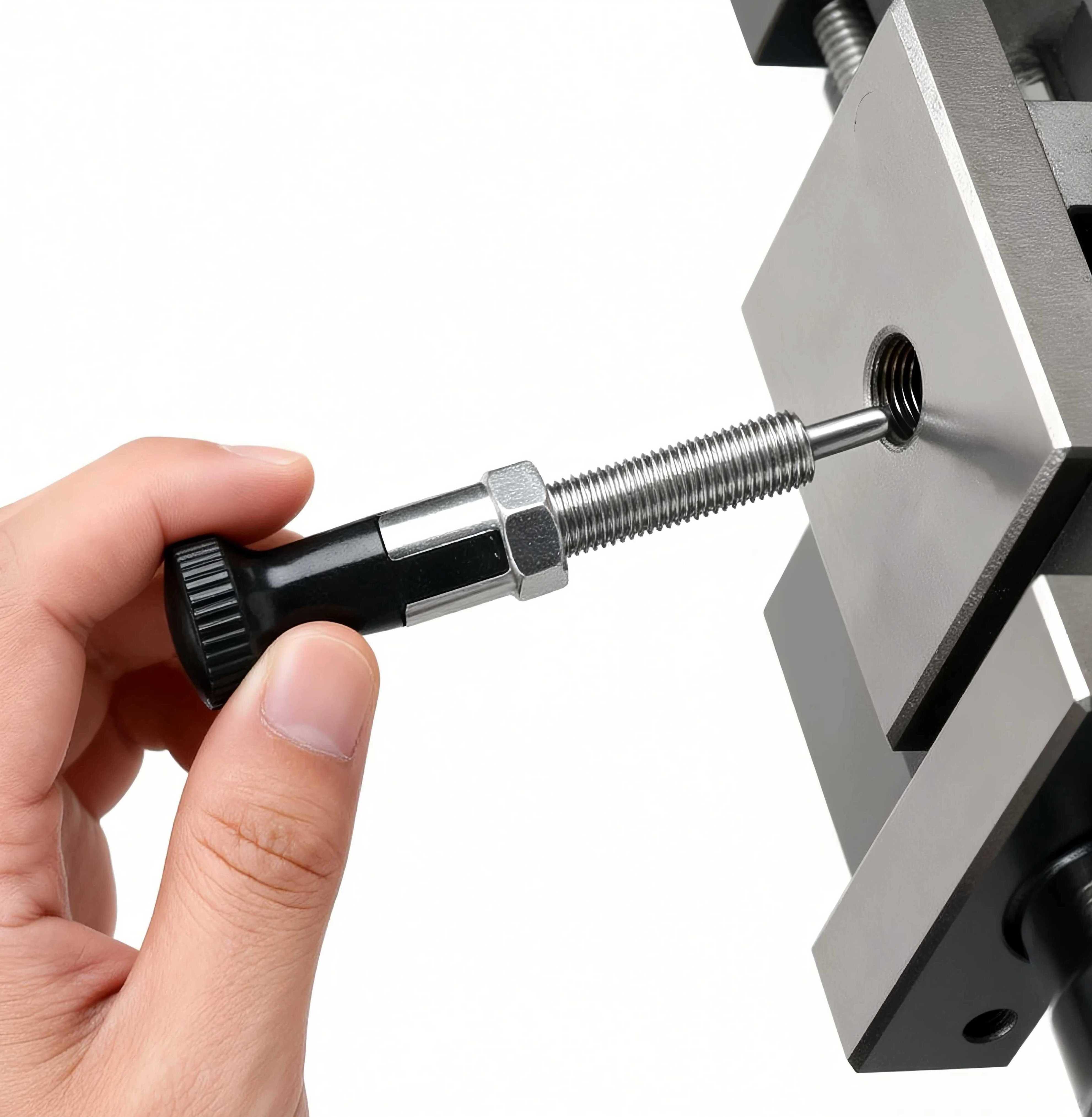
A spring plunger is a type of mechanical device that uses a spring mechanism to exert a force and maintain a locking position. It consists of a pin (often with a rounded end) that is loaded with a spring inside the plunger body. When the plunger is engaged, the spring pushes the pin outward, allowing it to fit into a corresponding hole or slot to hold components in place. The pin can typically be retracted by applying manual force, compressing the spring.
Spring plungers are used primarily for quick positioning and locking applications. They are highly versatile and come in different sizes, materials, and thread types to accommodate various requirements.
2. What Is a Ball Plunger?
A ball plunger, on the other hand, is a specific type of spring plunger that uses a ball-bearing mechanism to achieve locking functionality. Instead of a straight pin, the plunger features one or more steel balls that are pressed into the body of the plunger by a spring. When the plunger is engaged, the balls extend out from the plunger body and fit into a corresponding recess or hole to lock the position.
Ball plungers are known for providing a secure and stable locking mechanism because of the ball bearings’ ability to distribute forces more evenly. They are commonly used in applications requiring higher levels of precision and durability.
3. Key Differences in Design
-
Pin Design: The primary difference in design is the pin mechanism. A spring plunger typically uses a pin with a rounded end, while a ball plunger uses a ball bearing that protrudes from the plunger body.
-
Locking Mechanism: In spring plungers, the pin locks into place when extended, while in ball plungers, the ball bearings lock into the recess or hole. The ball design provides a more secure and even distribution of force, offering better stability for heavier loads.
-
Spring Force: Both types utilize a spring to provide the locking force, but the spring in a ball plunger may be slightly stiffer, as the ball mechanism requires more force to move the balls into position compared to the pin in a spring plunger.
4. Applications of Spring Plungers
Spring plungers are typically used in simpler applications where a temporary locking or positioning mechanism is needed. Some common uses include:
- Positioning jigs or fixtures: Spring plungers are often used in workholding applications, where they help position parts quickly and easily for assembly or machining.
- Quick release mechanisms: They are ideal for applications where frequent adjustments are necessary, such as in tool changers, CNC machines, or assembly lines.
- Latching mechanisms: Spring plungers can be used in various types of latches and catches that need a quick, secure lock and release.
5. Applications of Ball Plungers
Ball plungers, due to their more robust design, are ideal for applications that require precise and secure positioning under higher loads or more frequent use. They are commonly found in the following areas:
- Precision machines: Ball plungers are frequently used in CNC machines, where accurate positioning is critical.
- Tooling and fixtures: They provide a secure locking solution for tooling in manufacturing processes, where repeated and precise positioning is necessary.
- Vibration resistance: Ball plungers are often used in systems exposed to vibrations, as the ball mechanism ensures a secure lock that prevents accidental movement.
6. Advantages and Disadvantages
Advantages of Spring Plungers:
- Cost-Effective: Spring plungers are generally more affordable due to their simpler design.
- Versatility: They are available in a wide variety of sizes and configurations, making them suitable for various applications.
- Ease of Use: The pin design is straightforward, easy to engage and disengage, making it ideal for applications requiring quick adjustments.
Disadvantages of Spring Plungers:
- Less Precision: The locking mechanism may not be as precise as that of a ball plunger, especially when high forces or exact positioning are required.
- Weaker Locking Force: The pin design may not provide as secure a lock, which can be problematic in heavy-duty applications.
Advantages of Ball Plungers:
- Enhanced Precision: The ball-bearing design ensures a more precise and secure lock.
- Stronger Locking Mechanism: The ball design provides better load distribution, making it ideal for high-load applications.
- Durability: Ball plungers tend to last longer in high-stress environments due to the even force distribution from the balls.
Disadvantages of Ball Plungers:
- Higher Cost: Ball plungers are typically more expensive than spring plungers due to their more complex design.
- Limited Adjustability: The ball mechanism may not offer the same level of adjustability or ease of use as a spring plunger, particularly for quick, frequent adjustments.
7. Choosing the Right Plunger
When deciding between a spring plunger and a ball plunger, consider the following factors:
- Load Requirements: If the application involves heavy loads or requires high precision, a ball plunger is likely the better choice. For lighter loads and general use, a spring plunger should suffice.
- Precision Needs: Ball plungers offer a more secure and precise locking mechanism, making them ideal for applications that require tight tolerances.
- Cost Considerations: If the budget is a concern and the application does not demand high precision, spring plungers provide a cost-effective solution.
- Frequency of Use: For applications with frequent adjustments, spring plungers may be preferable due to their simplicity and ease of operation.
Explore our locking plunger pins for secure and precise positioning in industrial applications. Durable and reliable, they ensure smooth operation and stability. Contact us for custom solutions tailored to your needs.
Are Stainless Steel Indexing Plungers Better Than Carbon Steel Ones
How Do You Install A Quick Release Pin
Related Article