Aerospace Fasteners
author: Lucia Liu
2025-08-11
Aerospace Fasteners
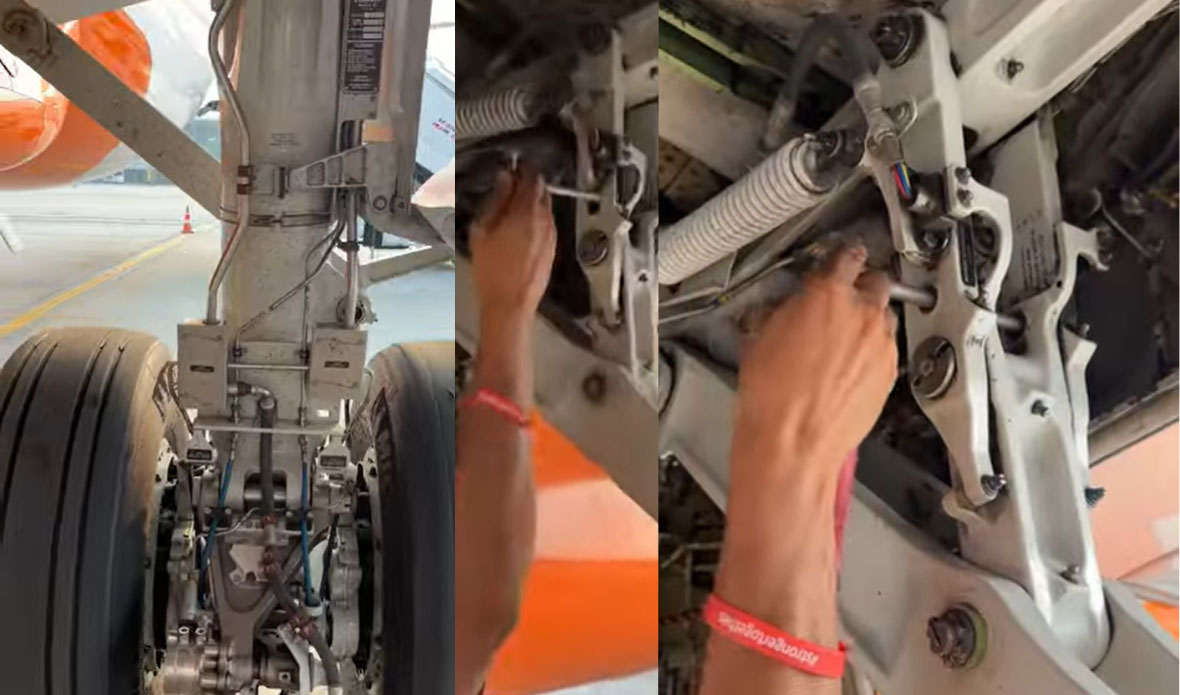
Aerospace fasteners are critical components that ensure structural stability and performance. They must be highly precise, strong, and able to withstand extreme environments. With the continuous development of aviation technology, the demand for quick connection and precise positioning is increasing. High-performance fasteners such as ball lock pins and indexing plungers have become indispensable components in the production and maintenance of various types of aircraft.
Aerospace fasteners are typically designed in accordance with stringent aerospace industry standards and undergo multiple inspections to ensure safety and reliability during high-altitude, high-speed flight.
Basic Characteristics
High strength and lightweight: Made from high-strength alloys or stainless steel, while reducing weight to optimize aircraft performance.
High strength and lightweight: Made from high-strength alloys or stainless steel, while reducing weight to optimize aircraft performance.
High temperature and corrosion resistance: Able to withstand the high temperatures generated by aircraft engines, as well as corrosion from marine and humid environments.
Precision Manufacturing: Ensures that each fastener meets strict standards in terms of dimensions, tolerances, and surface treatment.
These characteristics make Aerospace Fasteners not only connecting components but also a critical safeguard for aviation safety systems.
Common Types
Aerospace fasteners come in a wide variety of types, with common examples including:
Aerospace fasteners come in a wide variety of types, with common examples including:
Bolts and nuts: Suitable for long-term fixed component connections.
Rivets: Used for permanent connections such as aircraft skin panels.
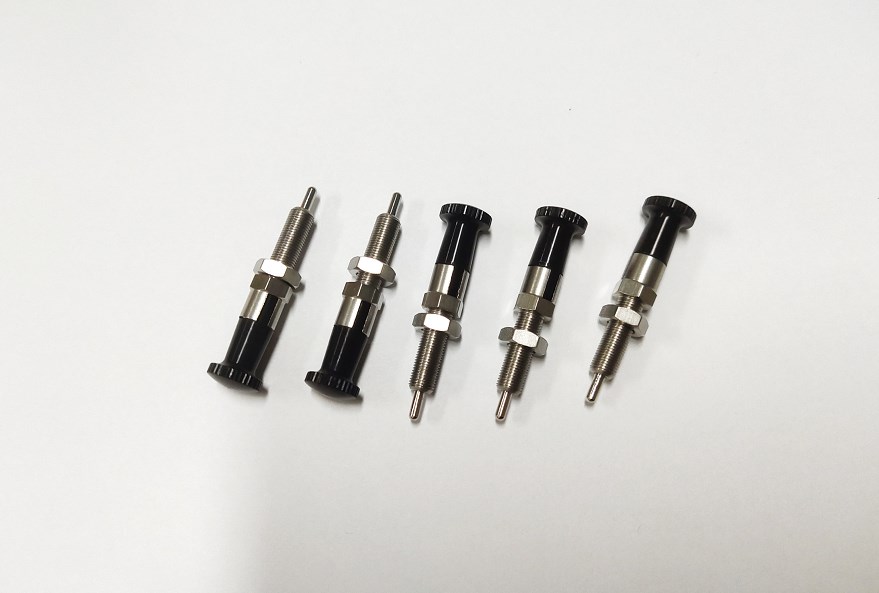
Quick-release pins and Indexing Plunger : Suitable for areas requiring frequent disassembly and reassembly.
Among these, the ball lock pin and indexing plunger are representative products in the category of quick-connect and locating fasteners.
Among these, the ball lock pin and indexing plunger are representative products in the category of quick-connect and locating fasteners.
Mocayo Aviation Fastener Product Introduction
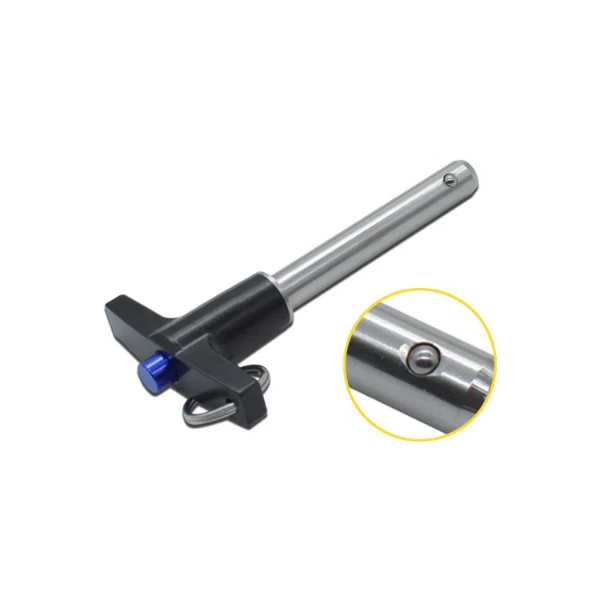
Mocayo Ball Lock Pin
A ball lock pin is a fastener that achieves quick locking and release through a ball lock mechanism. Its operating principle is as follows: press the button to retract the ball lock, allowing the pin to be inserted or removed; release the button, and the ball lock automatically springs back into place, securely locking the pin in the lock hole.
Mocayo's ball lock pins are made from high-quality stainless steel and other corrosion-resistant metals, undergo precision machining and rigorous inspection to ensure reliable and rapid connections in aviation assemblies. They are particularly suitable for components in aircraft that require frequent disassembly, assembly, or position adjustment, such as maintenance hatches, test fixtures, and equipment mounts.
Mocayo Indexing Plunger
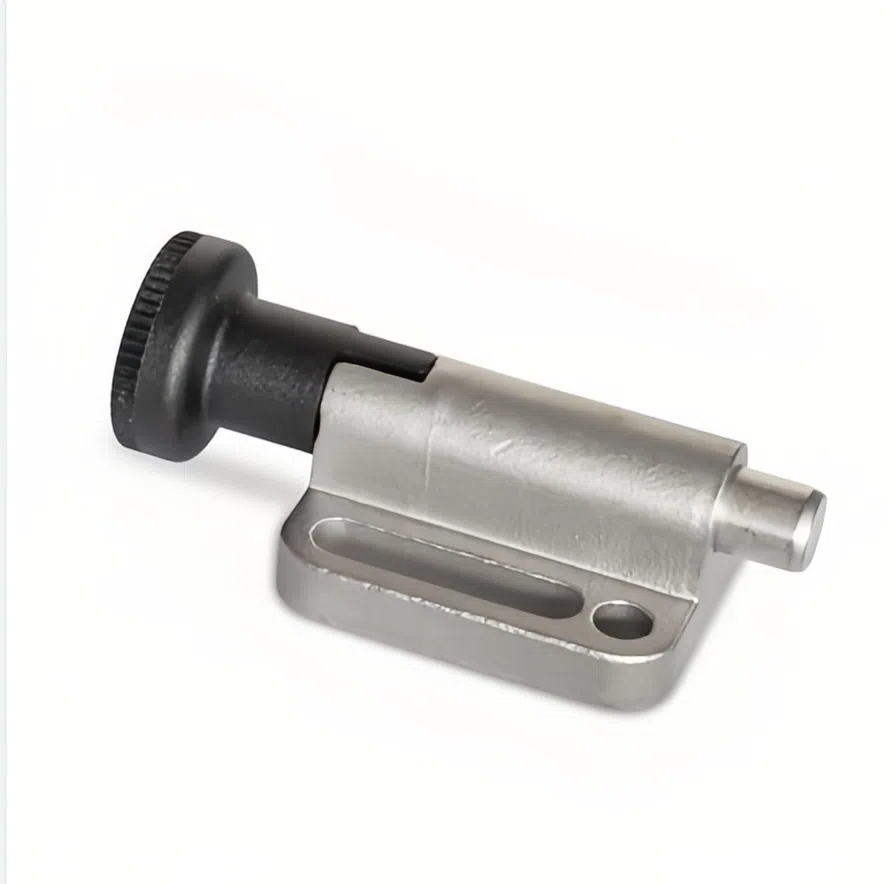
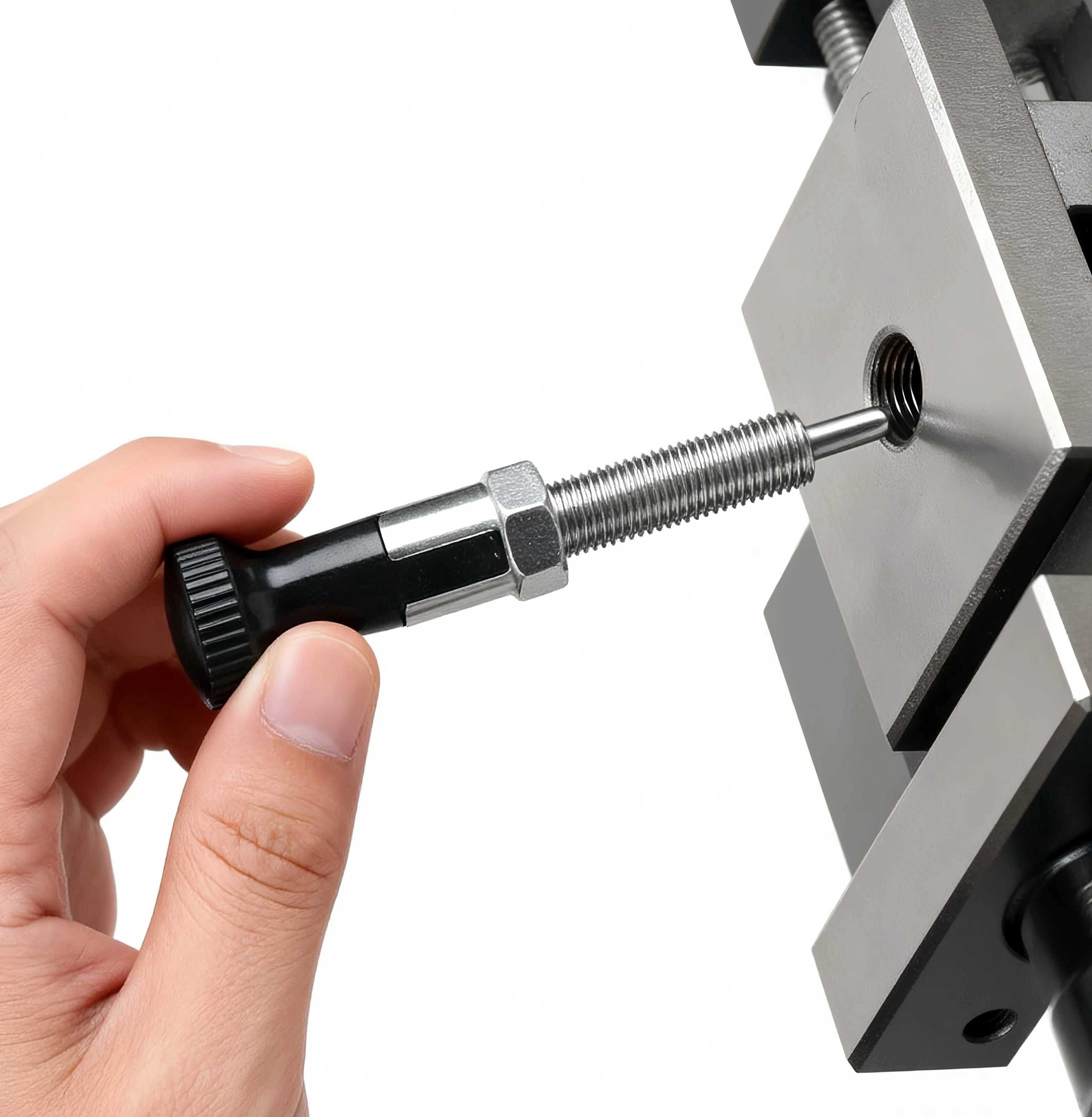
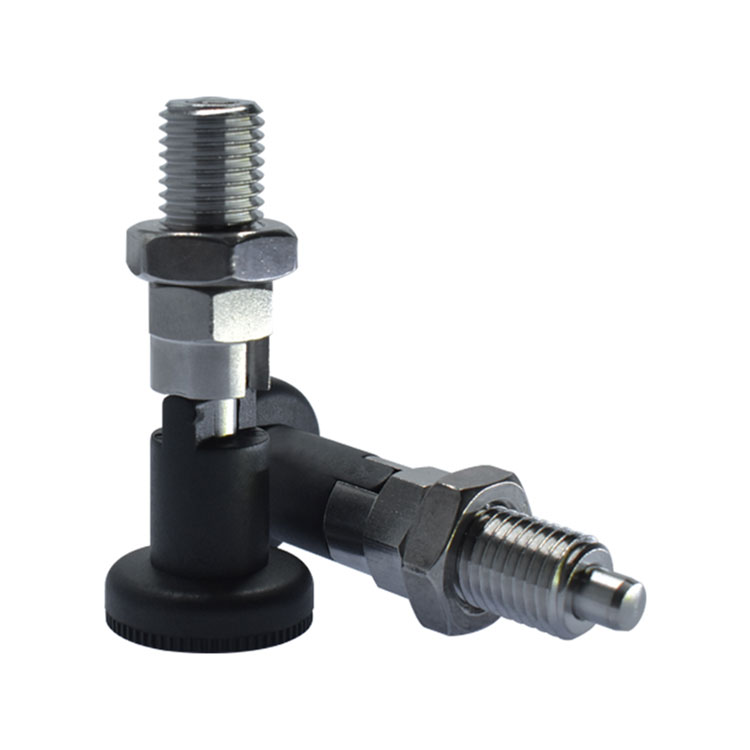
An indexing plunger is a mechanical component used for component positioning and fixation. It uses a spring mechanism to drive the lock pin to extend or retract, achieving rapid and precise positioning functionality.
An indexing plunger is a mechanical component used for component positioning and fixation. It uses a spring mechanism to drive the lock pin to extend or retract, achieving rapid and precise positioning functionality.
Mocayo's indexing plunger is made of wear-resistant stainless steel and high-strength alloy, with a specially treated surface that effectively resists corrosion and wear. In aerospace manufacturing and maintenance, it is commonly used in adjustment mechanisms, rotating components, and equipment requiring repeatable positioning, ensuring precise positioning performance even after multiple operations.
Product Advantages
Whether it's the ball lock pin or the indexing plunger, Mocayo excels in the following areas:
Whether it's the ball lock pin or the indexing plunger, Mocayo excels in the following areas:
High-precision manufacturing: Ensures the product aligns perfectly with the mounting holes during assembly.
High durability: Maintains stable performance during frequent assembly/disassembly or positioning operations.
Aviation-grade reliability: Remains reliable under extreme temperature fluctuations, high humidity, or intense vibration conditions.
User-friendly operation: Saves assembly and maintenance time, enhancing overall operational efficiency.
Application Scenarios
Aircraft Structure Assembly: Use ball lock pins to quickly lock the fuselage frame and removable panels.
Aircraft Structure Assembly: Use ball lock pins to quickly lock the fuselage frame and removable panels.
Cockpit and Maintenance Bay Equipment: Use indexing plungers for precise positioning of instrument panels or maintenance fixtures.
Testing and Inspection Equipment: Enable quick connections between test benches and components to reduce debugging time.
Replaceable Modules: Used in avionics modules for easy maintenance and upgrades.
These application scenarios clearly demonstrate the diverse uses of Aerospace Fasteners in the aviation industry.
Trusted aerospace fasteners designed with engineered ball lock pins and index plunger for accuracy and safety in critical systems.
Cnc Accessories
Special Fasteners
Related Article
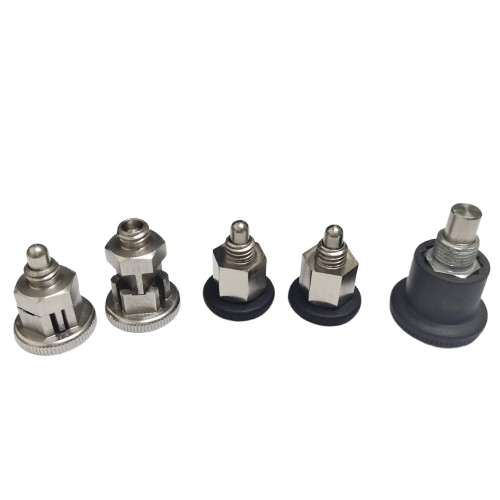
Explore the application of stainless steel materials for customizing mini indexing plungers based on specific operational environments and suitable spaces.
How To Make A Mini Indexing Plunger
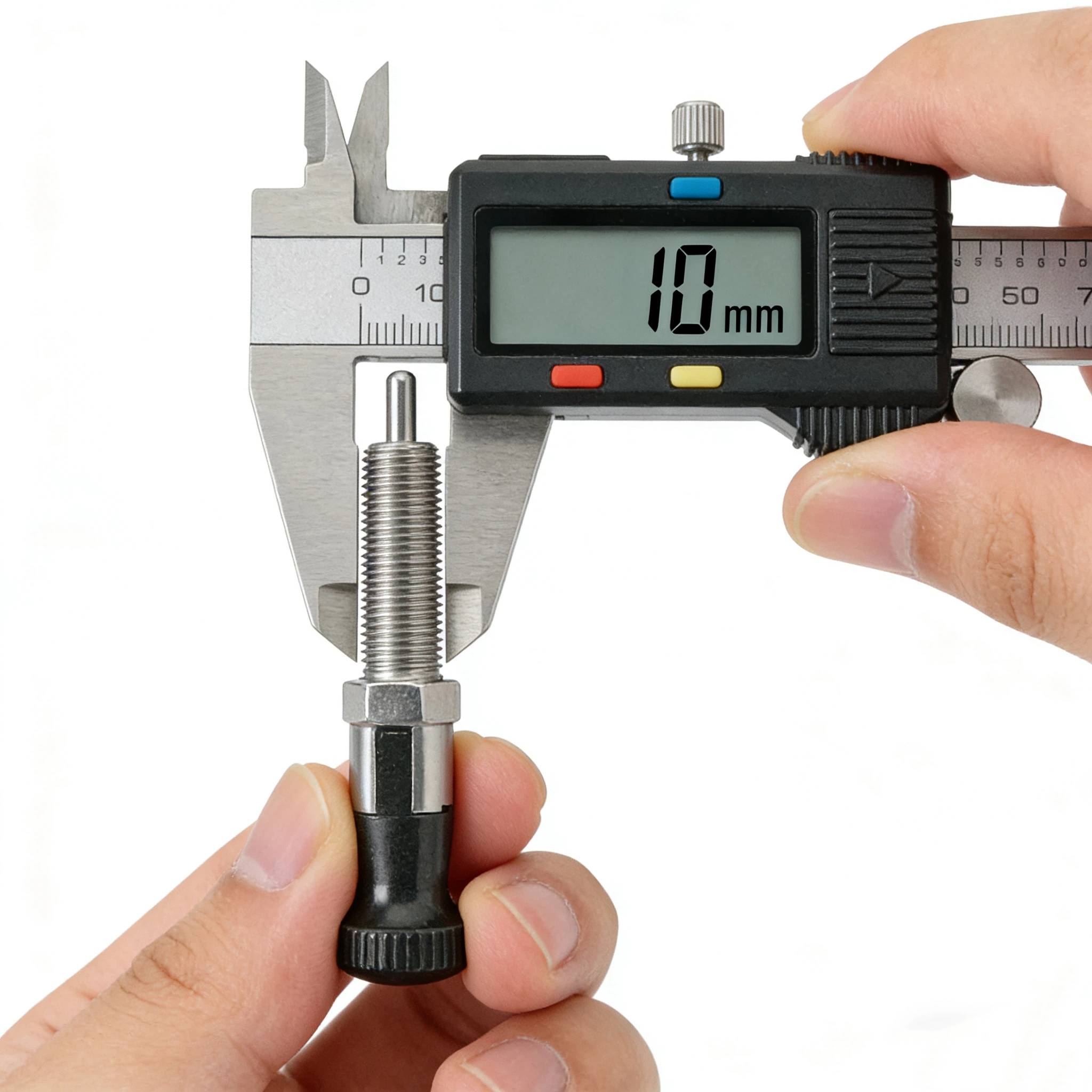
Discover how to choose correct size for indexing elements with confidence. Get precise recommendations that improve positioning accuracy, durability, and overall system performance.
How To Choose Correct Size For Indexing Elements