Aircraft Fasteners Types
Aircraft Fasteners Types: The Key to Aviation Safety and Performance
Introduction
In the aerospace industry, every component of an aircraft must meet the highest standards of safety, reliability, and performance. Among these components, fasteners play a critical role in holding together the intricate structure of an aircraft. From the fuselage to the wings, fasteners ensure that all parts remain securely connected, even under extreme conditions. But what types of fasteners are used in aircraft, and why are they so important? This article explores the various types of aircraft fasteners and their significance in aviation.

What are Aircraft Fasteners?
Aircraft fasteners are specialized hardware devices used to join or secure components in an aircraft. They are designed to withstand the unique challenges of aviation, including high stress, vibration, and extreme temperatures. The choice of fastener depends on the specific application, load requirements, and material compatibility.
Types of Aircraft Fasteners
-
Rivets:
-
Solid Rivets: Used for permanent fastening in structural components like the fuselage and wings.
-
Blind Rivets: Ideal for areas where only one side of the workpiece is accessible.
-
Cherry Rivets: A type of blind rivet known for its high strength and reliability.
-
-
Bolts and Nuts:
-
Hi-Tensile Bolts: Used in high-stress areas like engine mounts and landing gear.
-
Locking Nuts: Designed to prevent loosening due to vibration, commonly used in critical joints.
-
-
Screws:
-
Machine Screws: Used for attaching non-structural components like panels and covers.
-
Self-Tapping Screws: Ideal for securing materials like aluminum and composites.
-
-
Pins:
-
Cotter Pins: Used to secure bolts and nuts, preventing them from loosening.
-
Taper Pins: Provide precise alignment in components like control surfaces.
-
-
Clips and Clamps:
-
Spring Clips: Used to secure wiring harnesses and hoses.
-
Hose Clamps: Ensure tight connections in fluid systems.
-
-
Specialty Fasteners:
-
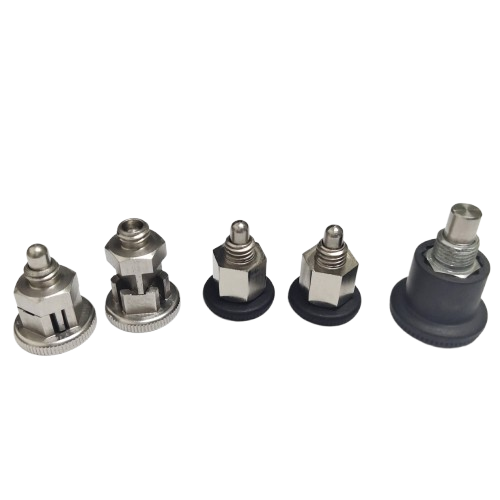
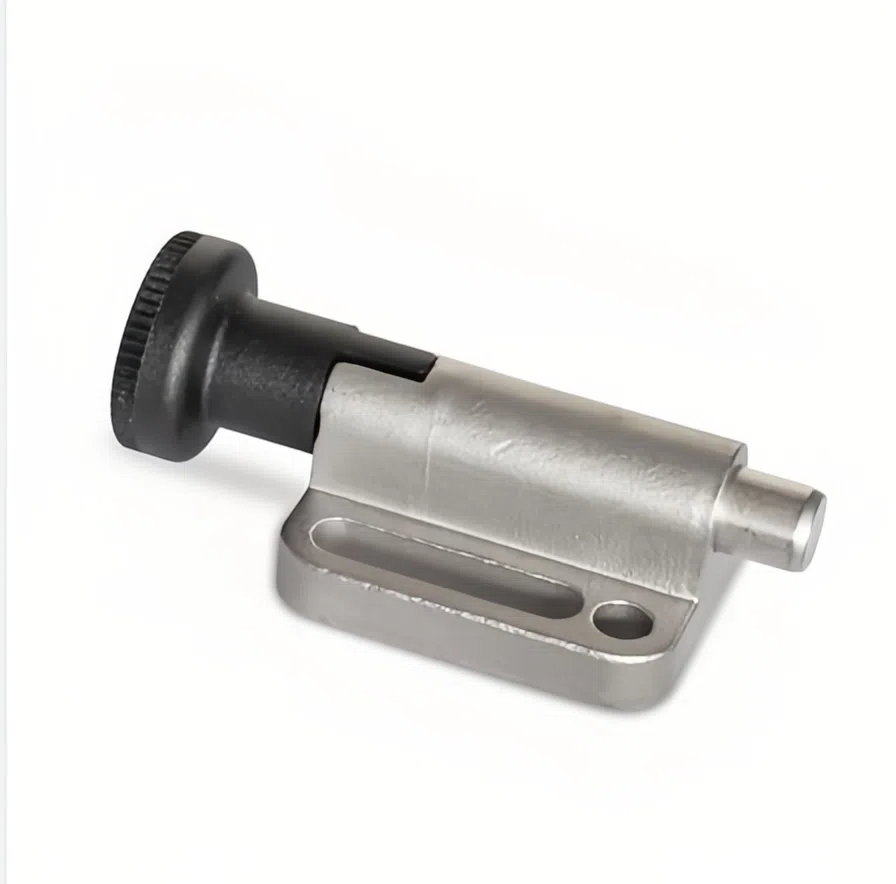
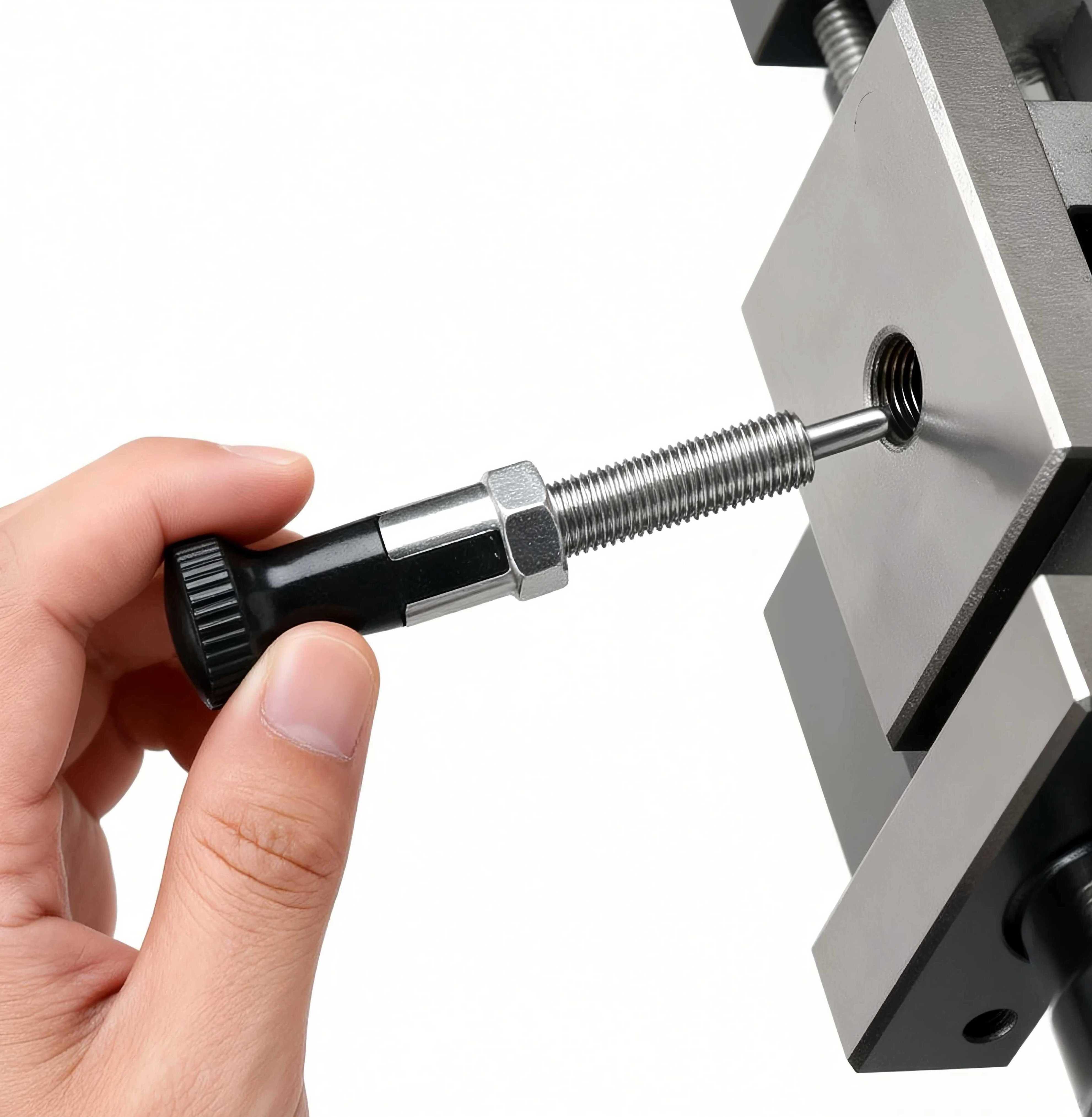
Quick-Release Fasteners: Allow for rapid assembly and disassembly of components.
-
Flush Fasteners: Designed to reduce aerodynamic drag, commonly used on the aircraft’s exterior.
-
Why Are Aircraft Fasteners Important?
Aircraft fasteners are critical for several reasons:
-
Structural Integrity: They ensure that all components are securely joined, preventing failures or accidents.
-
Safety: Properly installed fasteners reduce the risk of components coming loose during flight.
-
Performance: High-quality fasteners help maintain the alignment and functionality of critical systems like the engine, wings, and control surfaces.
-
Durability: Fasteners must resist corrosion, wear, and extreme environmental conditions to ensure the longevity of the aircraft.
Applications of Aircraft Fasteners
Fasteners are used in virtually every part of an aircraft, including:
-
Fuselage: Securing skin panels, frames, and stringers.
-
Wings: Attaching ribs, spars, and skin panels.
-
Engines: Fastening engine mounts, turbine blades, and other components.
-
Landing Gear: Securing wheels, brakes, and shock absorbers.
-
Interior: Attaching seats, panels, and overhead bins.
Challenges in Aircraft Fastener Selection
Choosing the right fastener for aircraft applications involves considering several factors:
-
Load and Stress: Fasteners must withstand the forces exerted during flight, including turbulence and landing impacts.
-
Material Compatibility: Fasteners must be compatible with the materials they are joining to prevent corrosion or weakening.
-
Environmental Conditions: Fasteners must resist factors like moisture, temperature changes, and exposure to chemicals.
-
Weight: Lightweight fasteners are preferred to reduce the overall weight of the aircraft and improve fuel efficiency.
Innovations in Aircraft Fastener Technology
As aerospace technology advances, fasteners are evolving to meet new demands:
-
Lightweight Materials: Using titanium and composites to reduce weight without compromising strength.
-
Corrosion-Resistant Coatings: Enhancing durability in harsh environments.
-
Smart Fasteners: Equipped with sensors to monitor tension, load, and wear in real time.
-
Advanced Manufacturing Techniques: Utilizing 3D printing and precision machining to produce high-performance fasteners.
Explore aircraft fasteners types—rivets, bolts, and screws designed for high strength, durability, and safety in aviation. Essential for secure, reliable performance in aerospace engineering.
Expert Insights
Dr. Emily Carter, an aerospace engineering expert, explains, "Aircraft fasteners are the unsung heroes of aviation. Their quality and proper installation are critical to the safety and performance of an aircraft."
What Is A Pin Detent
How Do Cotter Pins Work
Related Article