Aluminum Cnc Parts
Aluminum CNC Parts: Precision Engineering for Modern Industries
Introduction to Aluminum CNC Parts
In the rapidly advancing world of manufacturing, CNC (Computer Numerical Control) machining has revolutionized the way components are designed, produced, and optimized for various industries. Among the most widely used materials in CNC machining is aluminum, a versatile and lightweight metal known for its excellent machinability, strength-to-weight ratio, and corrosion resistance.
Aluminum CNC parts are essential in industries ranging from aerospace and automotive to electronics and medical devices. These parts offer high precision and versatility, making them the go-to choice for creating complex components with tight tolerances. The increasing demand for lightweight, durable, and cost-effective solutions in modern manufacturing has led to a surge in the use of aluminum in CNC machining.
In this article, we will explore the various aspects of aluminum CNC parts, including their benefits, applications, manufacturing processes, material choices, and industry trends.
What Are Aluminum CNC Parts?
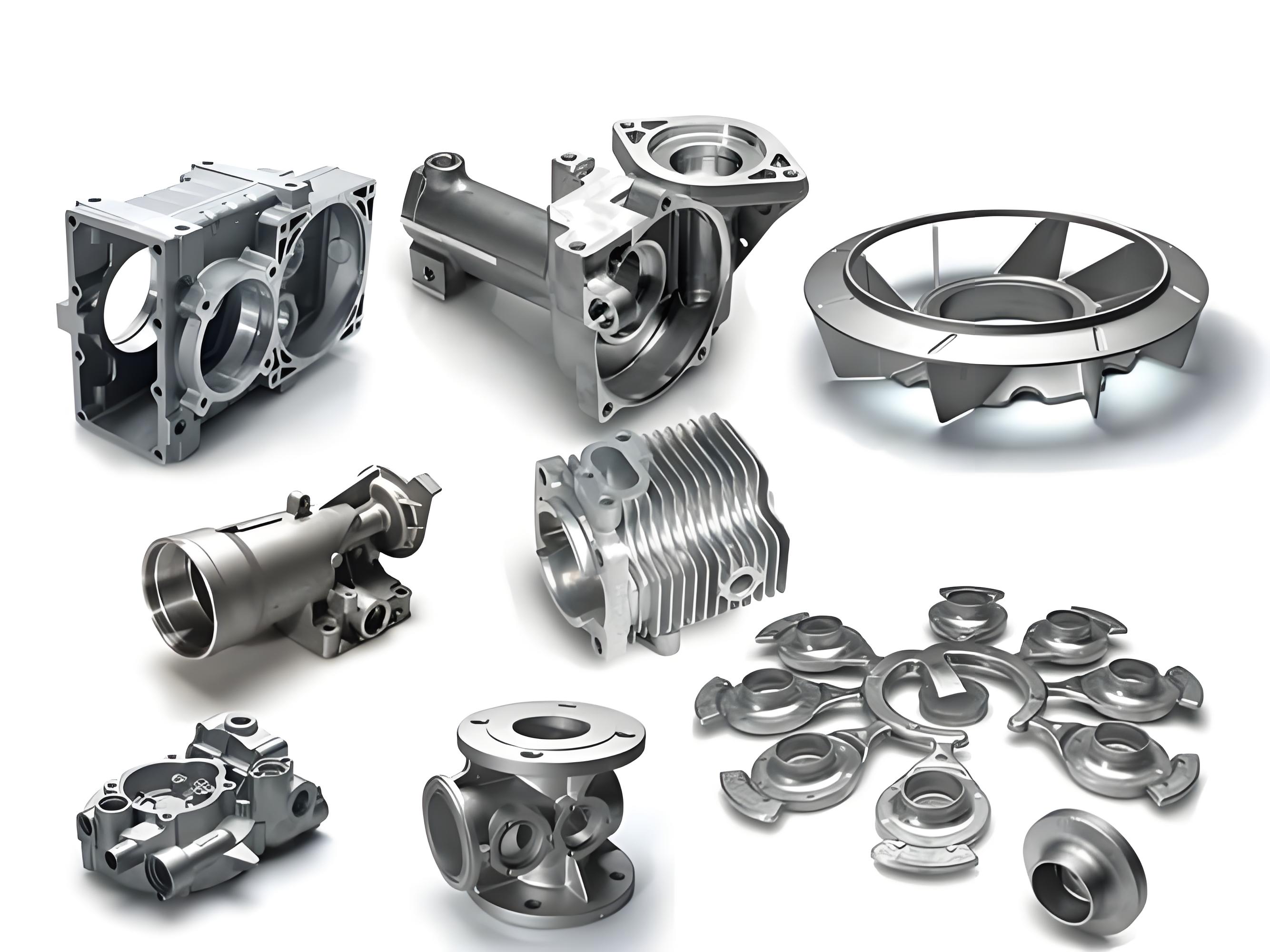
Aluminum CNC parts are components made from aluminum alloys, fabricated using CNC machining techniques. These parts are produced by controlling machine tools, such as lathes, mills, and drills, using computerized controls to shape the material according to the precise specifications of the design.
The key characteristics of aluminum CNC parts include:
-
Precision: CNC machines allow for tight tolerances and intricate designs that are difficult to achieve through traditional manufacturing methods.
-
Material Strength: Aluminum alloys used in CNC machining provide a good balance of strength, weight, and durability, making them suitable for various structural applications.
-
Corrosion Resistance: Many aluminum alloys exhibit excellent resistance to corrosion, which is ideal for components exposed to harsh environments.
-
Lightweight: Aluminum parts are significantly lighter than those made from steel or other metals, which is especially important in industries like aerospace and automotive.
The CNC Machining Process for Aluminum Parts
The CNC machining process for aluminum parts is highly versatile and can be tailored to meet the needs of specific applications. Here’s a breakdown of the key steps involved in CNC machining aluminum parts:
1. Design and CAD Modeling
The process begins with the creation of a detailed Computer-Aided Design (CAD) model of the part. This digital model defines the dimensions, geometry, and tolerances of the part. The CAD file is then converted into a Computer-Aided Manufacturing (CAM) file that can be read by the CNC machine.
2. Material Selection
The choice of aluminum alloy is critical, as different alloys offer varying levels of strength, hardness, and resistance to corrosion. Common aluminum alloys used in CNC machining include:
-
6061 Aluminum: Known for its versatility, ease of machining, and good mechanical properties. It is commonly used in structural applications.
-
7075 Aluminum: A high-strength alloy often used in aerospace and military applications, thanks to its superior strength-to-weight ratio.
-
5052 Aluminum: Known for excellent corrosion resistance, commonly used in marine environments.
3. CNC Machining Setup
Once the material is selected, the aluminum billet or sheet is mounted onto the CNC machine bed. The machine tool is set up with the appropriate cutting tools, such as end mills, drills, and taps, based on the design specifications. The machine is then programmed to follow the toolpath defined in the CAM file.
4. Cutting and Shaping
During the machining process, the CNC machine removes material from the aluminum workpiece in controlled stages. Techniques such as milling, turning, drilling, and tapping are used to shape the part into its final form.
-
Milling: Removes material using rotating cutters to create features such as pockets, slots, and holes.
-
Turning: Involves rotating the aluminum workpiece against a stationary cutting tool to shape it into round or cylindrical forms.
-
Drilling: Creates holes of various sizes and depths.
-
Tapping: Creates internal threads in the part for fasteners or assembly.
5. Post-Processing and Finishing
After the machining process is completed, aluminum parts often undergo post-processing steps such as deburring, anodizing, and polishing to improve surface finish, enhance corrosion resistance, and achieve the desired aesthetic qualities.
-
Deburring: Removes sharp edges and burrs left over from the machining process.
-
Anodizing: A coating process that enhances corrosion resistance and provides a durable, colored surface.
-
Polishing: Smooths the surface to achieve a shiny finish.
Benefits of Aluminum CNC Parts
Aluminum CNC parts offer numerous advantages across a wide range of applications. Some of the key benefits include:
1. Lightweight and Strong
Aluminum is one of the lightest metals available, offering a high strength-to-weight ratio. This makes it an excellent choice for applications where reducing weight is crucial, such as in aerospace, automotive, and consumer electronics.
2. Excellent Corrosion Resistance
Aluminum naturally forms a protective oxide layer on its surface, making it highly resistant to corrosion. This is especially important in industries like marine engineering and outdoor equipment manufacturing, where exposure to moisture and harsh environments is common.
3. High Machinability
Aluminum is easy to machine, which means it can be cut, shaped, and finished with minimal effort. This reduces production time and cost, making it a cost-effective option for manufacturers.
4. Versatility in Applications
Aluminum CNC parts can be found in virtually every industry, from aerospace and automotive to medical devices and electronics. Its versatility makes it an essential material for a wide range of applications, including:
-
Structural Components: Frames, brackets, and supports in machinery and vehicles.
-
Heat Transfer Components: Radiators, heat exchangers, and cooling systems in electronics and automotive applications.
-
Cosmetic Parts: Enclosures, casings, and housings in consumer electronics.
-
Functional Parts: Gears, valves, and fittings in industrial systems.
5. Cost-Effective Production
While aluminum parts are often more expensive than plastic components, they are generally more affordable than high-strength steel or titanium parts. The low material cost, combined with the high machinability of aluminum, makes it an excellent choice for high-volume production runs.
Common Applications of Aluminum CNC Parts
Aluminum CNC parts are used in a diverse range of industries due to their combination of strength, lightweight, and versatility. Here are some of the most common applications:
1. Aerospace and Aviation
In the aerospace industry, reducing weight without sacrificing strength is paramount. Aluminum CNC parts are commonly used in aircraft structures, including wing spars, brackets, and panels. Aluminum alloys like 7075 are particularly popular in this industry due to their high strength-to-weight ratio.
2. Automotive Industry
Aluminum CNC parts are widely used in the automotive industry, particularly for components that require strength, durability, and weight reduction. These include engine blocks, transmission housings, suspension components, and custom car parts.
3. Medical Devices
The medical industry requires precision-engineered components for devices such as surgical instruments, implants, and diagnostic equipment. Aluminum CNC parts provide the necessary mechanical properties while meeting strict regulatory standards.
4. Consumer Electronics
Aluminum is commonly used in the production of housings, enclosures, and casings for consumer electronics like smartphones, laptops, and cameras. Aluminum’s excellent thermal conductivity also makes it ideal for heat dissipation in electronic devices.
5. Industrial Machinery and Equipment
Many industrial machines, including CNC machines themselves, rely on aluminum parts for components such as frames, gears, and casings. These parts need to be lightweight, durable, and resistant to wear, which aluminum provides.
6. Sporting Goods
From bicycle frames to golf clubs, aluminum CNC parts are found in a wide range of sporting goods where strength, durability, and low weight are crucial.
Industry Trends and Innovations in Aluminum CNC Machining
As the demand for high-precision parts continues to rise, several trends are emerging in the field of aluminum CNC machining:
1. Automation and Robotics
Automation is playing a growing role in CNC machining. Advanced robotic systems are being integrated into manufacturing lines to increase production efficiency, reduce labor costs, and improve consistency.
2. Additive Manufacturing Integration
Incorporating 3D printing with CNC machining is becoming increasingly popular for prototyping and manufacturing aluminum parts. This hybrid approach allows manufacturers to create complex geometries that are difficult or impossible to machine using traditional methods.
3. Sustainability and Eco-Friendly Practices
There is a growing focus on sustainability in the manufacturing process. Many companies are investing in recyclable aluminum alloys and adopting eco-friendly practices to reduce energy consumption and minimize waste.
4. Customization and Rapid Prototyping
As the demand for customized parts grows, manufacturers are leveraging CNC machining for rapid prototyping. This enables engineers to create and test parts quickly, speeding up the product development cycle.
Upgrade your projects with precision aluminum CNC parts, offering lightweight durability and high accuracy for industrial, automotive, and machinery applications. Perfect for efficient and seamless operations.
Aluminum CNC parts have established themselves as a cornerstone of modern manufacturing, providing a perfect balance of strength, weight, corrosion resistance, and machinability. Their versatility across industries—from aerospace to medical devices—demonstrates their invaluable role in the creation of precision-engineered products.
Ball Plunger Screws
Spring Loaded Locating Pin
Related Article