Ball Lock Mechanism
Ball Lock Mechanism: Precision and Performance in One Design
Overview of the Ball Lock Mechanism
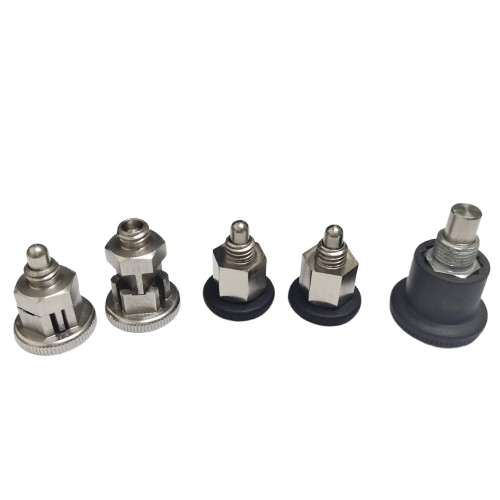
In the realm of modern industrial equipment and automation systems, the Ball Lock Mechanism has emerged as a vital component for precision alignment and rapid connection. Known for its high efficiency and reliability, the Ball Lock Mechanism operates through radially actuated locking balls driven by a spring, enabling quick engagement and release. This makes it particularly well-suited for applications demanding high repeatability. High-performance ball lock mechanism for precise, quick locking in industrial applications. Ideal for automation, molds, and tool change systems.
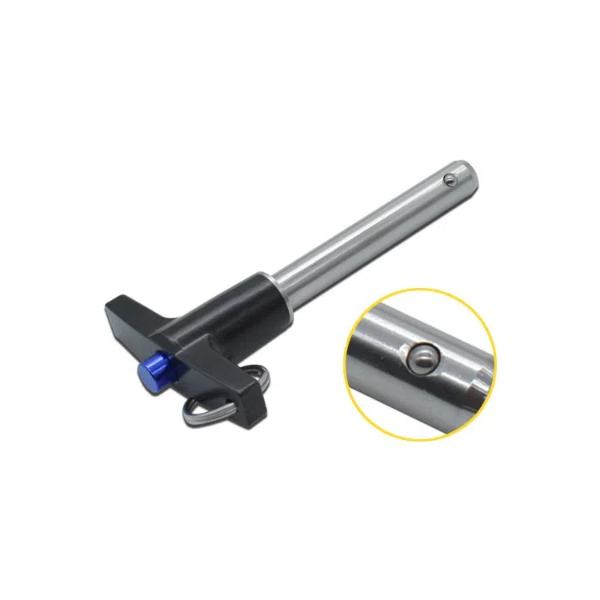
Core Advantages and Application Fields
The primary advantages of the Ball Lock Mechanism lie in its rapid responsiveness and impressive load-bearing capability. Compared to traditional threaded fasteners or pin systems, the Ball Lock Mechanism requires no rotational movement—locking is achieved with a simple push or pull along the axis, significantly improving assembly efficiency.
Its compact structure makes it ideal for space-constrained precision applications such as:
-
Automation fixtures (e.g., robotic end effectors)
-
Mold alignment systems (ensuring precise centering)
-
Quick die change systems (minimizing machine downtime)
In demanding industrial environments, the durability and consistent performance of the Ball Lock Mechanism make it the preferred choice for engineers. Whether in high-cycle operations or under heavy loads, premium-quality Ball Lock Pins ensure long-term reliability.
Design and Types of Ball Lock Mechanism
The effectiveness of a Ball Lock Mechanism is closely tied to its design. Engineers must select the appropriate type and materials based on application needs.
Main Structural Variants:
-
Single-sided vs. Double-sided ball locking: Single-sided types are ideal for unidirectional locking, while double-sided designs enhance stability with bidirectional retention.
-
Manual vs. Automated actuation: Manual types are suitable for low-frequency or setup tasks, while pneumatic or hydraulic versions support high-speed automated operations.
Key Design Considerations:
-
Material selection: Locking balls are typically made from hardened steel or stainless steel for wear and corrosion resistance. Springs must be fatigue-resistant to ensure long-term reliability.
-
Locking force matching: Spring preload must match operational loads precisely—insufficient force risks failure, while excessive force increases difficulty of operation.
-
Surface treatment: Nickel plating, black oxide, or PTFE coatings can improve rust resistance and wear tolerance, extending service life.
Special Variants for Harsh Environments:
Manufacturers also offer high-temperature-resistant Ball Lock Mechanisms (e.g., with special alloys) or sealed models to maintain stable performance in dusty, oily, or humid conditions.
Mocayo’s Ball Lock Pin: An Industrial-Grade Precision Solution
Among the many global suppliers of Ball Lock Mechanism, Mocayo stands out for its precision-engineered Ball Lock Pins. Trusted by industrial clients worldwide, Mocayo offers solutions that combine repeatability, reliability, and adaptability.
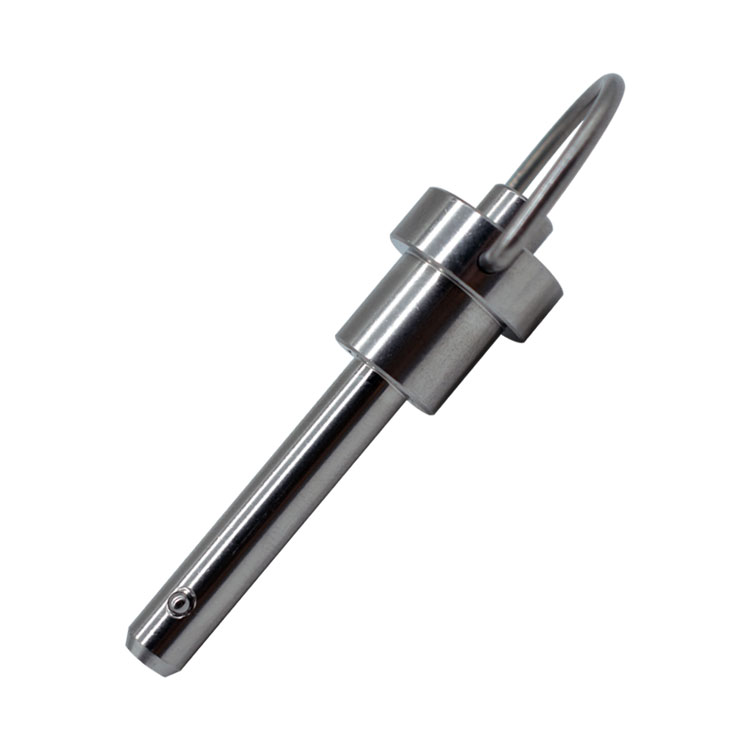
Key Product Advantages:
-
Exceptional repeat positioning accuracy (±0.01mm), ideal for precision molds and automated equipment.
-
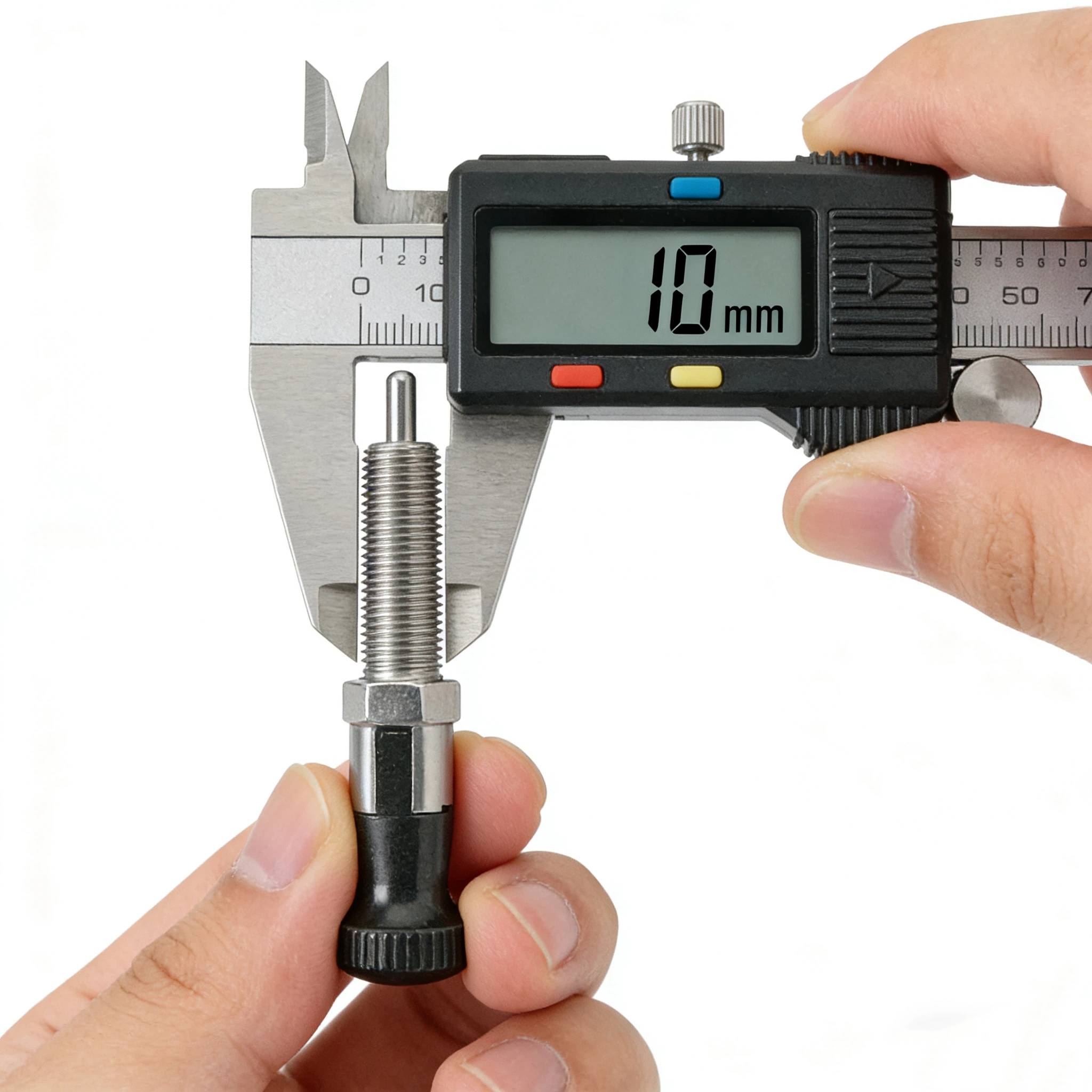
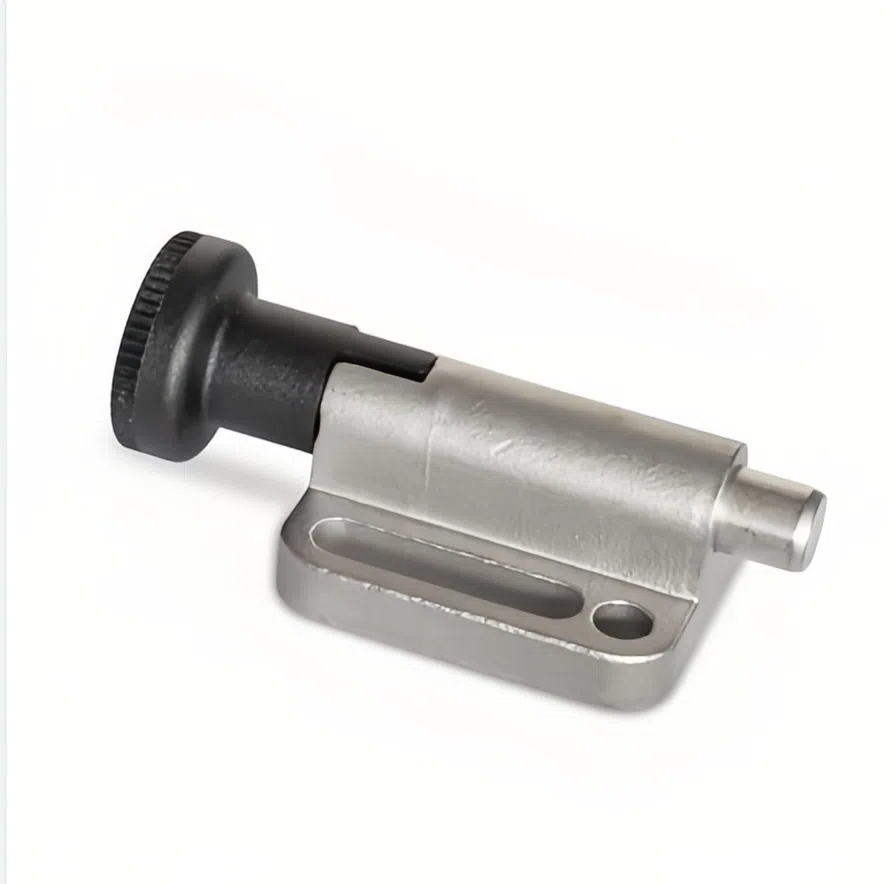
Modular designs with multiple mounting options (threaded, flanged, etc.) to fit diverse mechanical layouts.
-
Enhanced load-bearing capabilities, with some models enduring over 10kN of radial force—perfect for heavy-duty machinery.
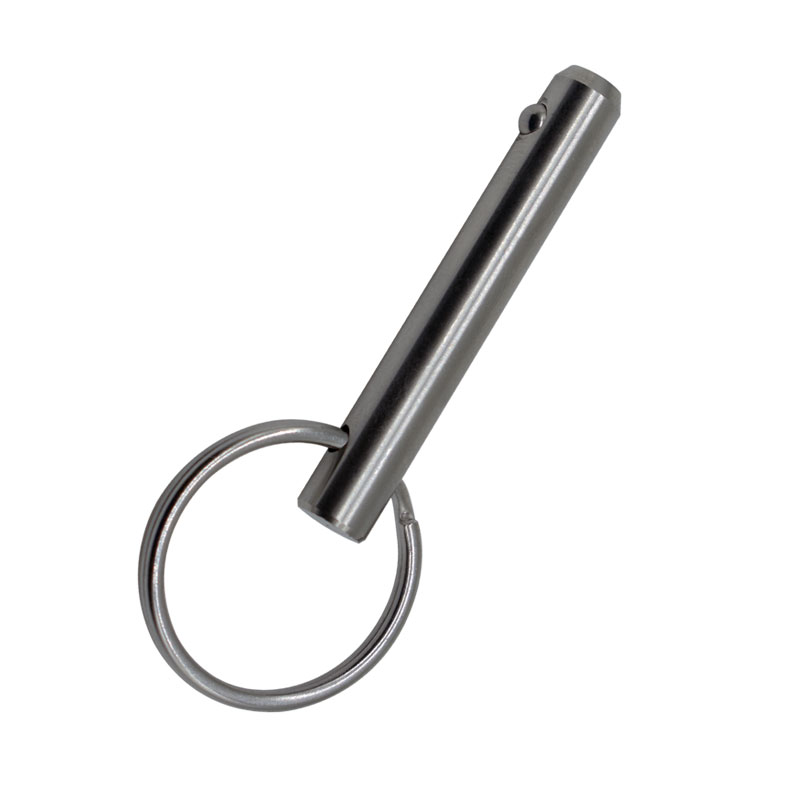
Technical Specifications:
-
Materials: Hardened high-carbon steel with nickel plating for corrosion resistance
-
Actuation: Manual push-release or pneumatic drive options
-
Operating temperature: -20°C to 120°C (up to 200°C for high-temp models)
Typical Applications:
-
Quick mold change systems: Reduce downtime and boost productivity
-
Robotic tool changers: Enable seamless switching of end effectors
-
Precision inspection fixtures: Ensure consistent measuring baselines
Thanks to superior craftsmanship and strict quality control, Mocayo’s Ball Lock Pins have become the preferred solution for high-end manufacturing environments.
Maximizing the Performance of Your Ball Lock Mechanism
To fully harness the capabilities of your Ball Lock Mechanism, proper selection and maintenance are essential.
Key Selection Factors:
-
Load type: Standard models suffice for static loads, while reinforced versions are better for dynamic or impact loads.
-
Environmental suitability: Opt for stainless steel or coated pins in humid or corrosive environments; use heat-resistant versions in high-temperature conditions.
-
Operation frequency: For frequent use (e.g., on automated lines), prioritize pneumatically driven models to reduce manual handling.
Installation and Setup Tips:
-
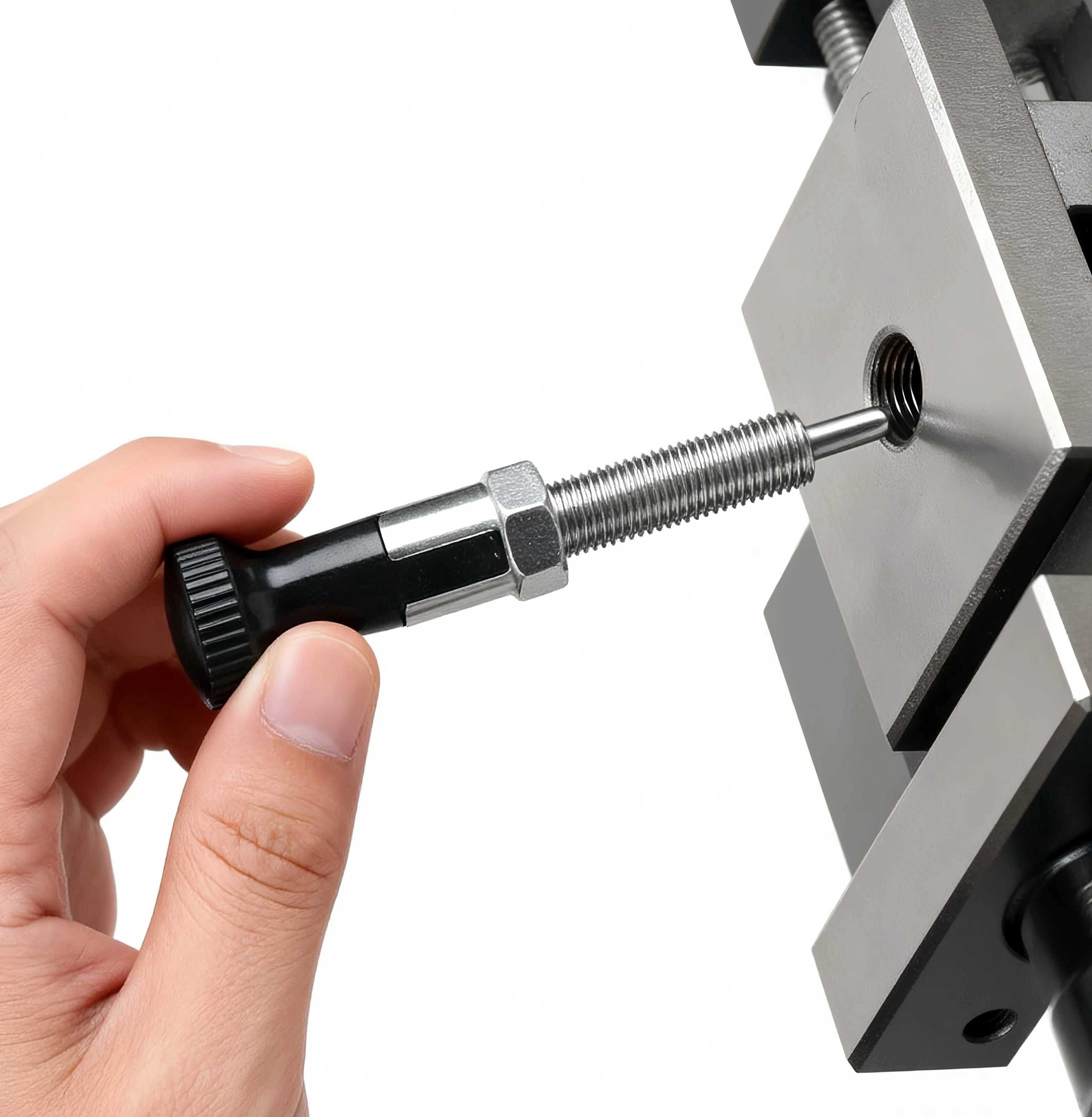
Alignment: Ensure coaxial alignment between the locking hole and the Ball Lock Pin to avoid eccentric loading and wear.
-
Avoid impact installation: Hammering can damage the internal spring or ball components, impairing locking performance.
By integrating the Ball Lock Mechanism into your system and choosing reliable suppliers like Mocayo, you gain access to a blend of precision, speed, and long-term stability—key ingredients for success in today’s competitive manufacturing landscape.
What Does Cnc Stand For in Machining-Mocayo Cnc Parts
Cnc Milling Service-Cnc Milling Parts
Related Article