Ball Lock Pins: Features & Specifications
author: Fiona Yang
2025-07-14
Ball Lock Pins: Features & Specifications
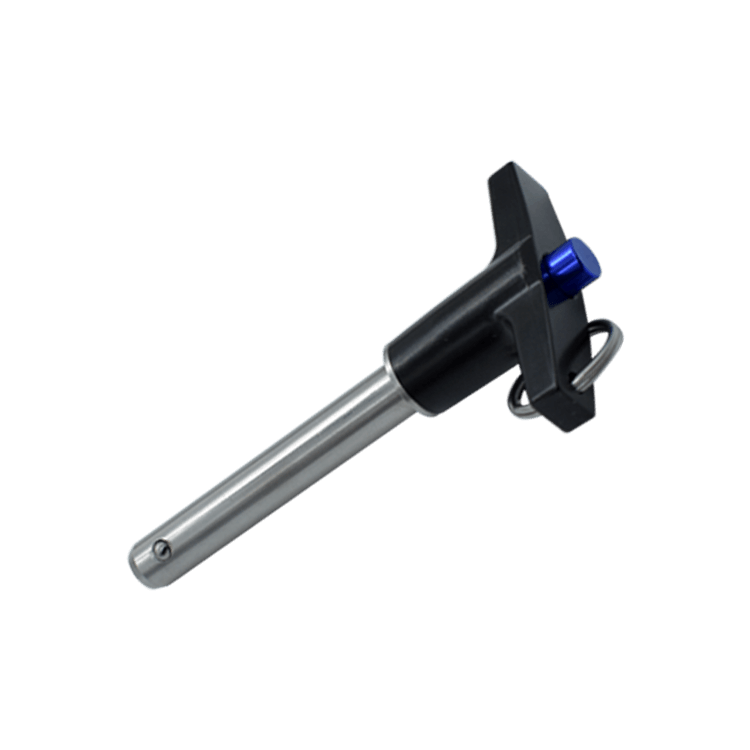
Ball lock pins are indispensable fasteners renowned for their rapid, tool-free engagement and disengagement. Understanding their core features and technical specifications is crucial for selecting the optimal component for demanding applications.
Key Features:
The defining feature of ball lock pins is their spring-loaded ball bearing mechanism. Pulling the knurled head retracts the balls into the pin body, allowing insertion or removal. Releasing the head forces the balls outward, securely locking the pin into place within a pre-drilled hole. This provides exceptional resistance to vibration and unintended release. Most pins feature a durable steel body (stainless or carbon steel) and a reliable internal spring, ensuring consistent performance.

Critical Specifications:
When specifying ball lock pins, engineers prioritize measurable attributes:
Shank Diameter: Ranges typically from 3mm to 20mm, dictating hole size.
Grip Range: The minimum and maximum material thickness the pin can securely clamp.
Pull Force: The force required to retract the locking balls (measured in Newtons or pounds).
Static Load Capacity: The maximum axial load the pin can withstand before failure (e.g., 1000 N to 20,000 N).
Material & Finish: Options include zinc-plated carbon steel for general use or corrosion-resistant 303/304 stainless steel.
Operating Temperature Range: Varies by material and spring type (commonly -20°C to +120°C).
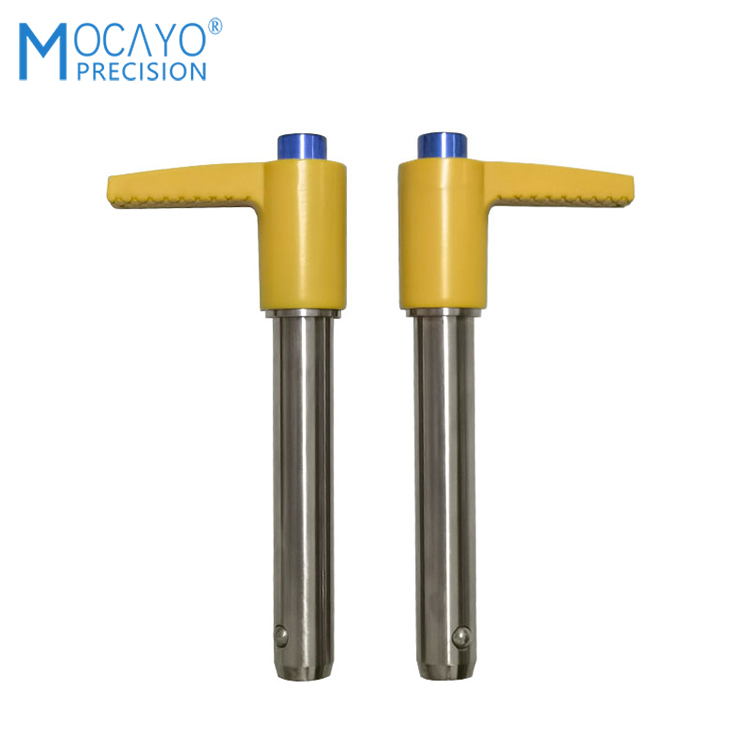
This focus on verifiable features and standardized specifications ensures ball lock pins deliver reliable, repeatable performance as a versatile quick-release fastening solution.
What Is Cnc Machining-Cnc Parts For Machine
Choosing the Right Ball Lock Pin
Related Article
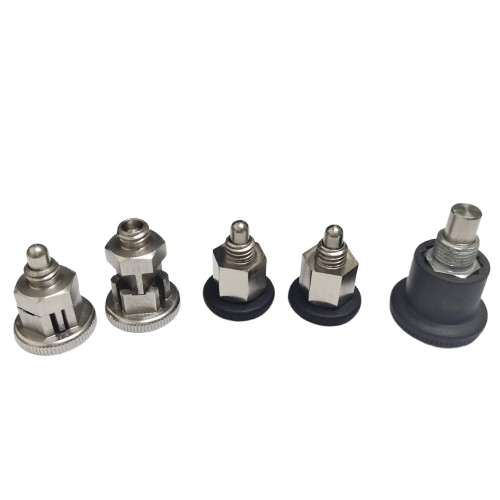
Explore the application of stainless steel materials for customizing mini indexing plungers based on specific operational environments and suitable spaces.
How To Make A Mini Indexing Plunger
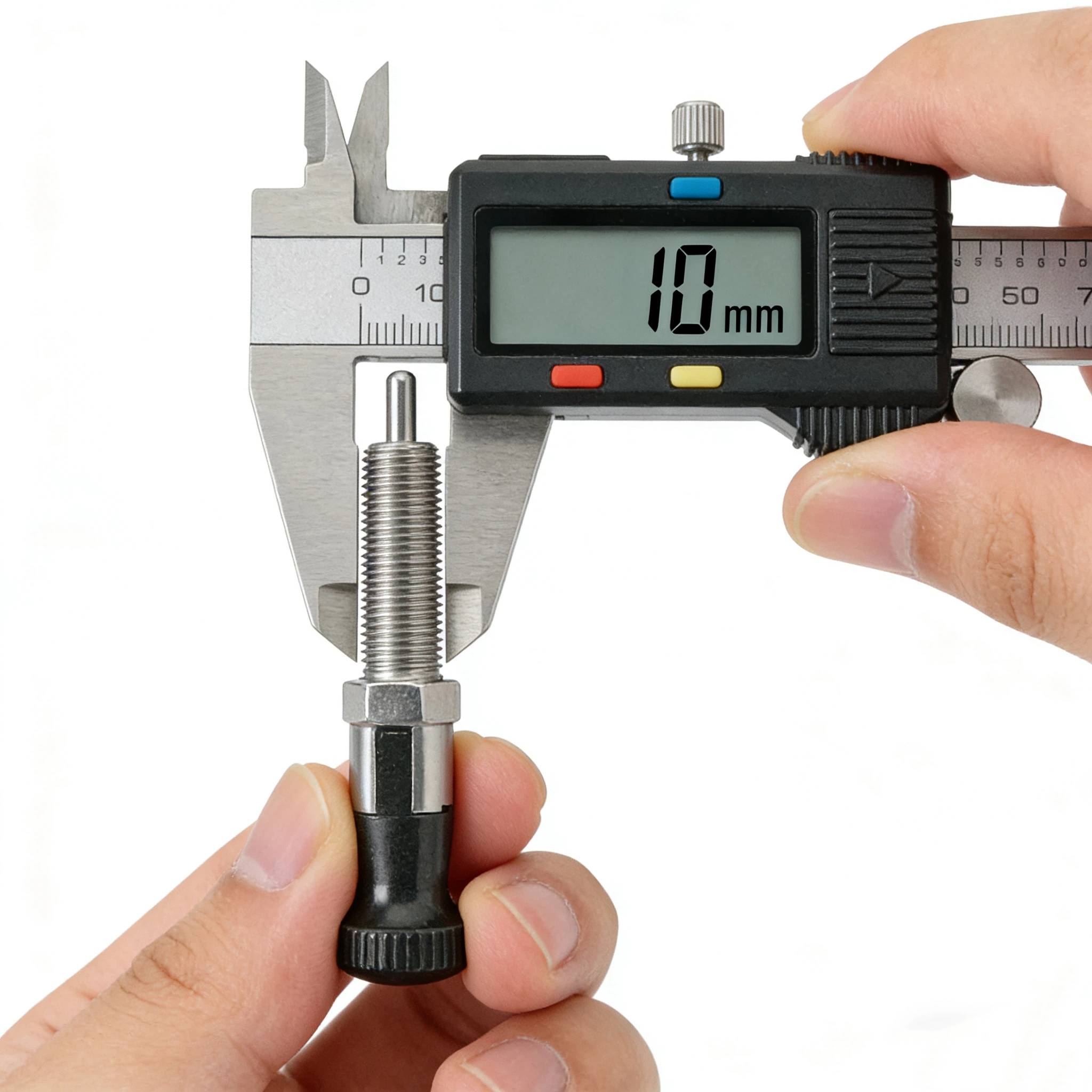
Discover how to choose correct size for indexing elements with confidence. Get precise recommendations that improve positioning accuracy, durability, and overall system performance.
How To Choose Correct Size For Indexing Elements