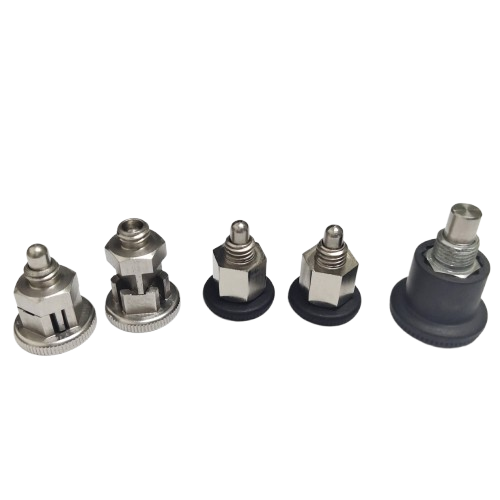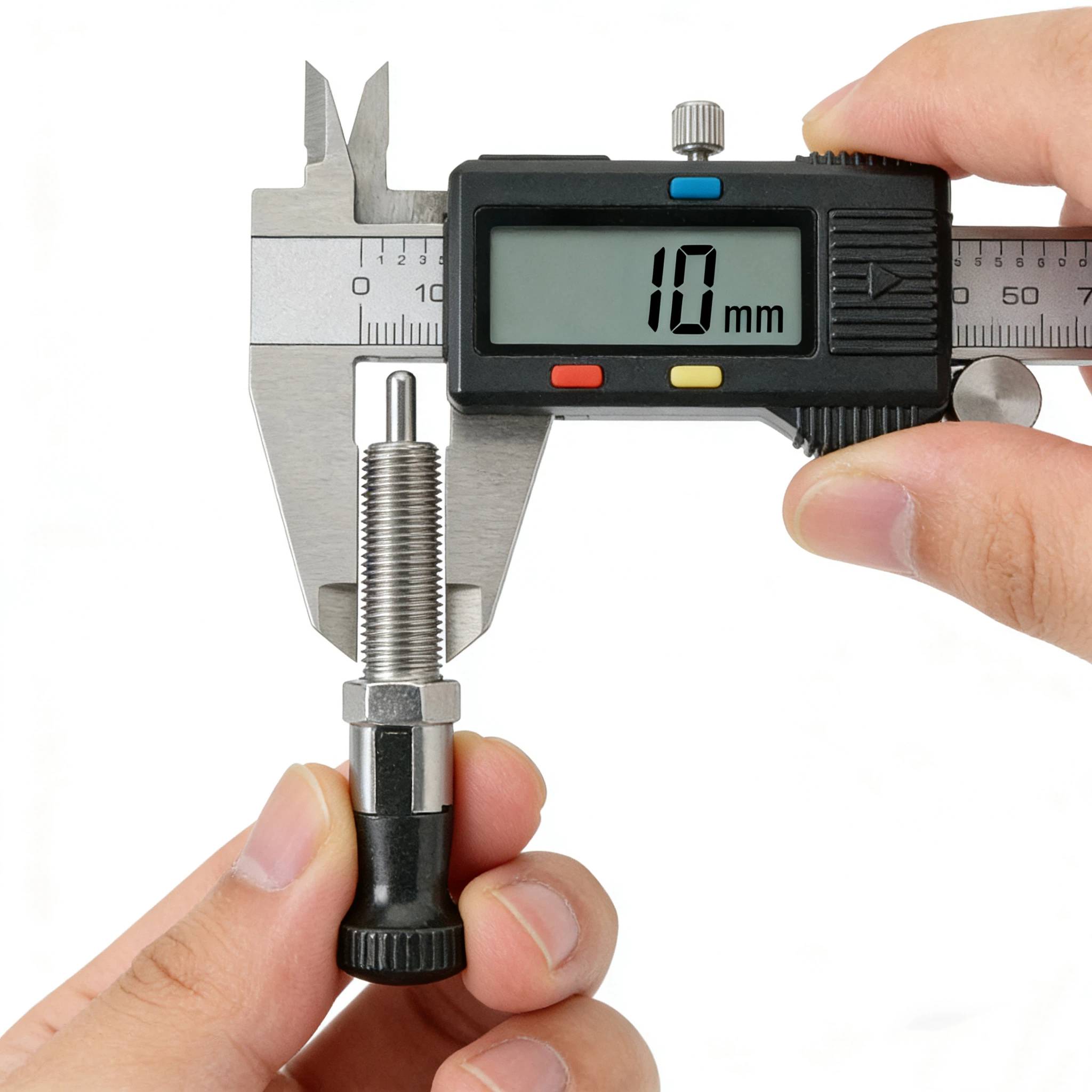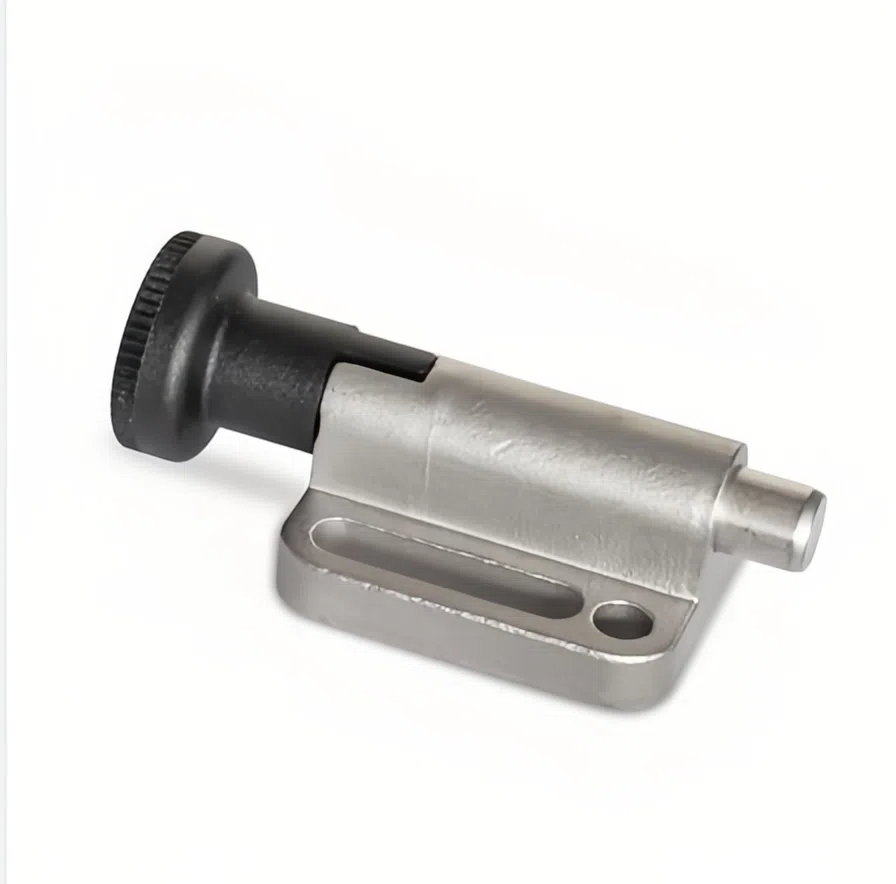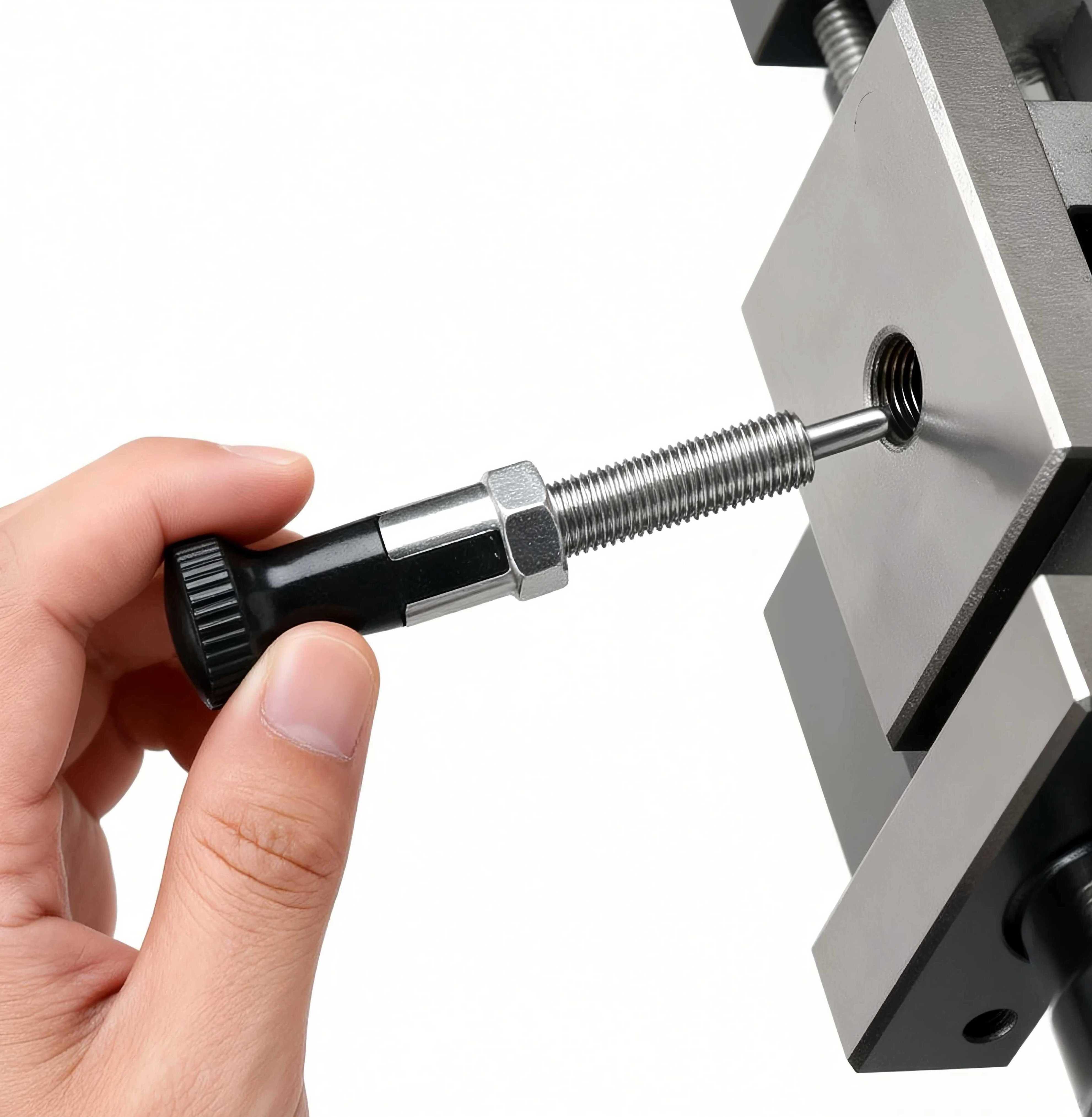
Ball Locking Mechanism
Understanding the Ball Locking Mechanism: A Precision Engineering Marvel
Introduction
In modern engineering and manufacturing, efficient, safe, and repeatable fastening solutions are crucial. One of the most reliable and versatile innovations in this realm is the ball locking mechanism. Commonly used in quick-release pins, couplings, aerospace fixtures, and surgical tools, this mechanism has revolutionized how components are joined and disassembled without the need for conventional threaded fasteners.
This article provides a deep dive into the design, function, advantages, applications, and international standards of the ball locking mechanism. Whether you're an engineer, procurement officer, or tech enthusiast, this comprehensive guide will help you understand why this simple yet effective system continues to be a top choice in precision industries.
What is a Ball Locking Mechanism?
A ball locking mechanism refers to a locking system where one or more balls are used to secure a pin, shaft, or handle in position. When actuated, these balls expand or retract to either lock the pin in place or release it quickly, depending on the design.

The system typically consists of:
-
A main shaft or pin
-
One or more hardened steel balls
-
A spring-loaded plunger or button
-
A retaining sleeve or internal detent
This mechanism is designed for quick engagement and disengagement without the use of additional tools, making it ideal for repetitive operations and environments where time and safety are paramount.
How Does It Work?
The core function of the ball locking system depends on radial movement of the locking balls.
-
Engagement: When the pin is inserted into a mating hole, the balls are pushed in by the surrounding collar or material.
-
Locking: A spring or plunger pushes the balls outward into a detent or groove, preventing withdrawal.
-
Release: Depressing the button or pulling a handle retracts the balls inward, allowing the pin or shaft to be removed effortlessly.
This mechanism ensures a firm grip and high retention force, while still allowing for easy and quick disassembly.
Advantages of the Ball Locking Mechanism
The widespread popularity of the ball locking mechanism is due to its many performance benefits:
-
Tool-Free Operation: No need for wrenches or screwdrivers.
-
Fast Assembly & Disassembly: Ideal for applications requiring quick changes.
-
Secure & Vibration-Resistant: Balls lock firmly to resist loosening.
-
Durability: Balls are often made of hardened steel or stainless steel.
-
Versatility: Used in aerospace, automotive, medical, and industrial applications.
-
Compact Design: Space-saving and lightweight compared to threaded options.
Common Applications
1. Quick Release Pins
Used in fixture design, military vehicles, sports equipment, and heavy machinery for fast locking and release.
2. Tooling Systems
Ball locking ensures rapid tool change in CNC machines or jigs with minimal downtime.
3. Medical Devices
In surgical tables or orthopedic tools, this mechanism provides reliable yet flexible component connection.
4. Aerospace and Defense
Ball locking is standard in mission-critical components like removable panels and aircraft seating.
5. Sports and Recreational Equipment
Ski bindings, bicycle seat posts, and gym machines often rely on this mechanism for safety and user-friendly adjustability.
Types of Ball Locking Mechanisms
There are various designs based on specific needs:
Spring-Loaded Ball Lock Pins
These feature a spring that returns the balls to the locked position automatically.
Button-Activated Pins
Push-button designs are highly ergonomic, allowing one-handed operation.
Handle-Operated Designs
T-handle or L-handle versions give users extra leverage for heavy-duty applications.
Detent-Based Mechanisms
Used where consistent holding force without full lock is sufficient, such as for positioning pins.
Materials and Surface Treatments
Ball locking components must be manufactured with attention to durability and environmental resistance.
| Component | Common Material | Surface Treatment |
|---|---|---|
| Pin Body | Stainless Steel 303/316 | Polished / Passivated |
| Locking Balls | Hardened Steel / SS | Zinc Plated / Black Oxide |
| Button / Handle | Aluminum / Plastic | Anodized or Painted |
| Spring | Music Wire / SS | Heat Treated |
International Standard Size Table (Example)
Here’s a simplified reference table for standard dimensions of ball lock pins commonly used in industrial settings:
| Pin Diameter (mm) | Grip Length (mm) | Ball Diameter (mm) | Typical Applications |
|---|---|---|---|
| 5 | 10–40 | 2.0 | Electronics, Light Fixtures |
| 6 | 10–50 | 2.5 | Mechanical Assemblies |
| 8 | 20–80 | 3.5 | Automotive Fixtures |
| 10 | 20–100 | 4.5 | Aerospace, Heavy Machinery |
| 12 | 30–120 | 5.5 | Tooling, Marine Equipment |
Note: Tolerances and dimensions may vary based on DIN, ISO, or ANSI standards.
Customization Capabilities
For manufacturers and OEMs, custom ball lock designs are widely available:
-
Custom pin lengths
-
Special handle designs (e.g., D-ring, T-handle)
-
Different material combinations
-
Ball count and placement variations
-
Load-specific designs for heavy-duty locking
Safety and Quality Considerations
-
Always ensure the ball-lock mechanism engages fully before loading.
-
Use certified materials for critical environments (e.g., aerospace, medical).
-
Avoid contamination—debris can hinder ball movement.
-
Regular inspections are recommended in heavy-duty or rotating applications.
The Future of Ball Locking Technology
With the rising demand for automation, modular design, and tool-less systems, ball locking technology will remain a crucial element in industrial design. Innovations such as self-sensing pins, electromechanical release triggers, and high-temperature variants are already entering the market.
As industries like EV manufacturing, robotics, and biomedical engineering expand, this compact yet powerful fastening solution will continue to play a leading role.
Explore our ball locking mechanisms for secure and efficient fastening in industrial applications. Durable and reliable, they ensure smooth operation. Contact us for custom solutions tailored to your needs.
The ball locking mechanism may seem simple, but its engineering precision, versatility, and reliability make it a cornerstone of modern fastening systems. From aerospace to consumer products, it offers an unmatched combination of speed, safety, and convenience.
Companies seeking durable, tool-free, and efficient connection systems will find that ball-locking pins and components are not just a solution — they are an evolution in fastening technology.
Self Locking Pin
Spring Quick Release Pins
Related Article