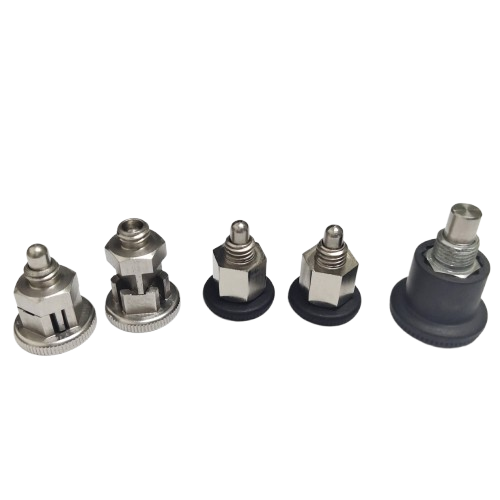
Ball Plunger Mechanism
Contents
Table of Contents
Ball Plunger Mechanism
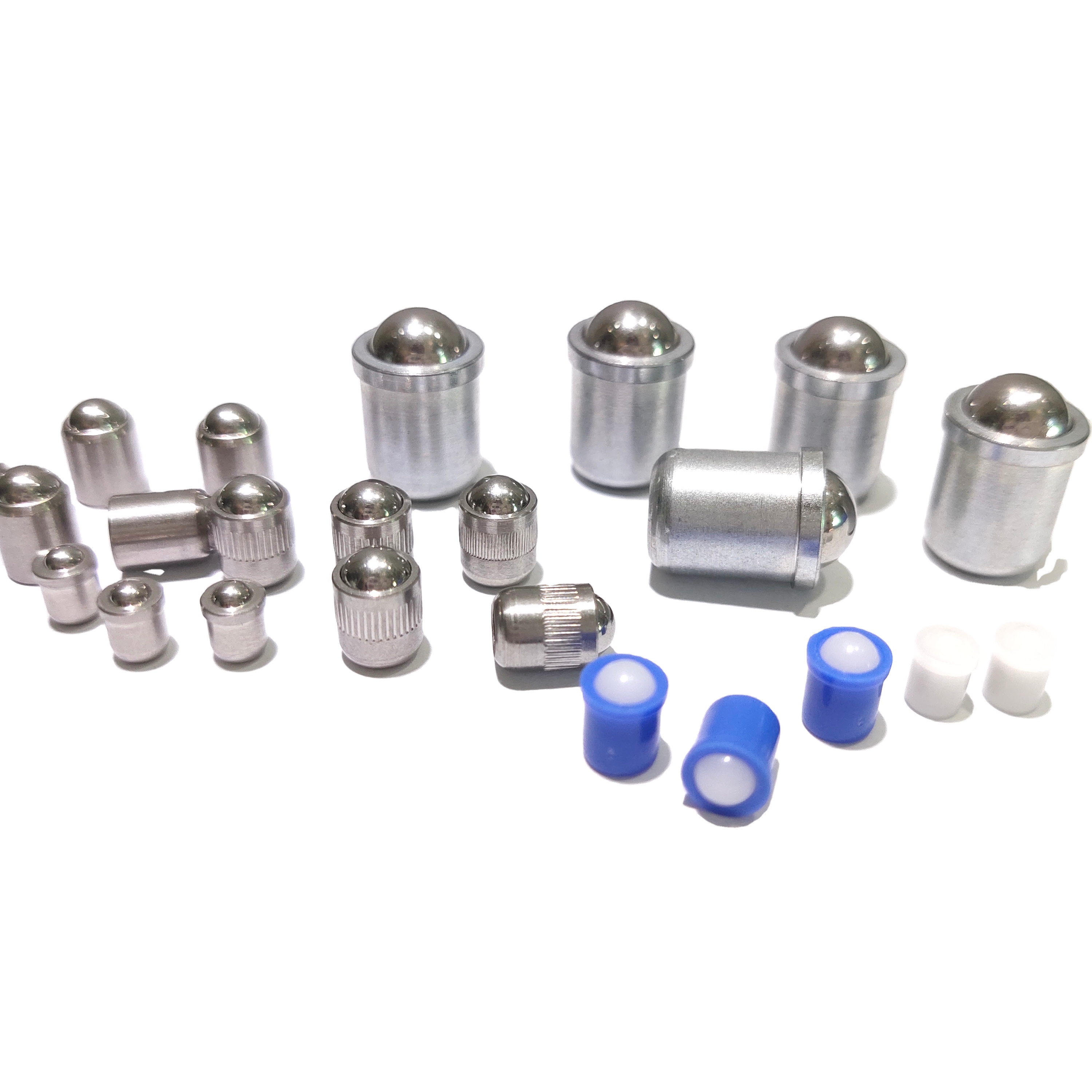
A ball plunger mechanism is a mechanical device that utilizes spring pressure to drive a ball for positioning or limiting functions. Typically installed within mechanical structures, assembly modules, or fixtures, it controls the precise location of moving components and prevents displacement caused by vibration or external forces.
This mechanism is widely adopted in various industrial equipment due to its compact design, responsive operation, and ease of installation. It serves as a critical component for ensuring repeatable positioning accuracy and stable mechanical operation.
A typical ball plunger mechanism consists of three core components:
- Body: Typically made of stainless steel or carbon steel, offering excellent strength and corrosion resistance;
- Spring: Provides continuous elastic force to maintain the ball in a stable preloaded state;
- Ball: Contacts the mechanical positioning surface to achieve limiting and reset functions.
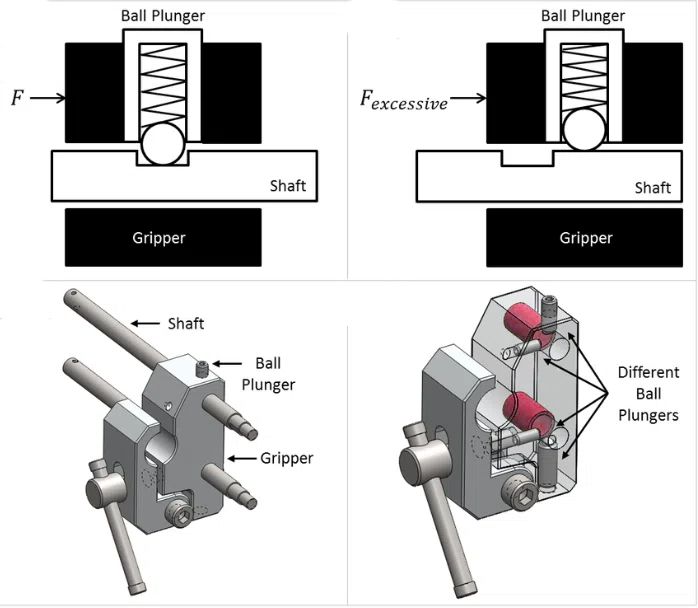
The Ball plunger mechanism has the following significant advantages:
- Precise positioning: the ball's arc surface is in contact with the mating parts, which can achieve micron-level repeatable positioning accuracy;
- Lightweight operation: automatic positioning by mechanical elasticity without complex control structure;
- Durable and reliable: the use of stainless steel or alloy steel material can maintain stable performance in high frequency operation.
The ball plunger mechanism is widely used in various industrial fields, including:
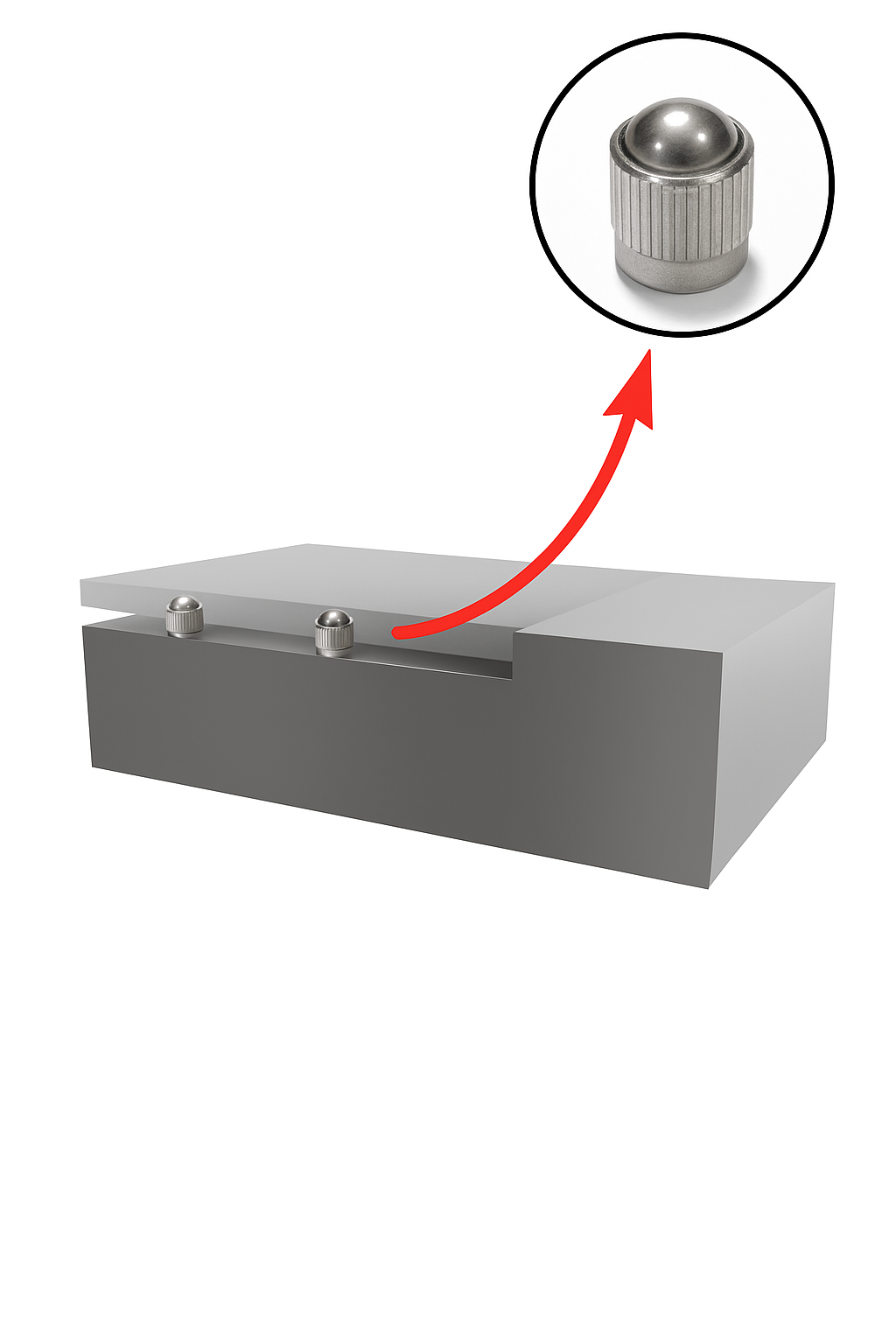
- Machining and jigs and fixtures: for precise positioning and limiting, to ensure the consistency of repeated clamping of workpieces;
- Automation equipment: for fast positioning of slides, modules, transfer mechanisms;
- Electronic assembly systems: to provide gentle clamping force in micro assembly or module locking;
- Precision instruments and measuring equipment: for stable positioning of limit, locking and fine-tuning components.
In these applications, spring ball plungers are effective in reducing operating errors and extending equipment life.
Q: What material should I select for ball spring plunger?
A: It depends on your applications. Here's the materials for your reference:
Stainless steel: Suitable for humid or corrosive environments;
Carbon steel: Suitable for general industrial applications, offering high cost-effectiveness;
Nylon: Prevents metal wear, suitable for soft contact components.
Q: What Is the MOQ for ball spring plungers?
A: It is 100-200.
Q: Does ball spring plunger have different installation?
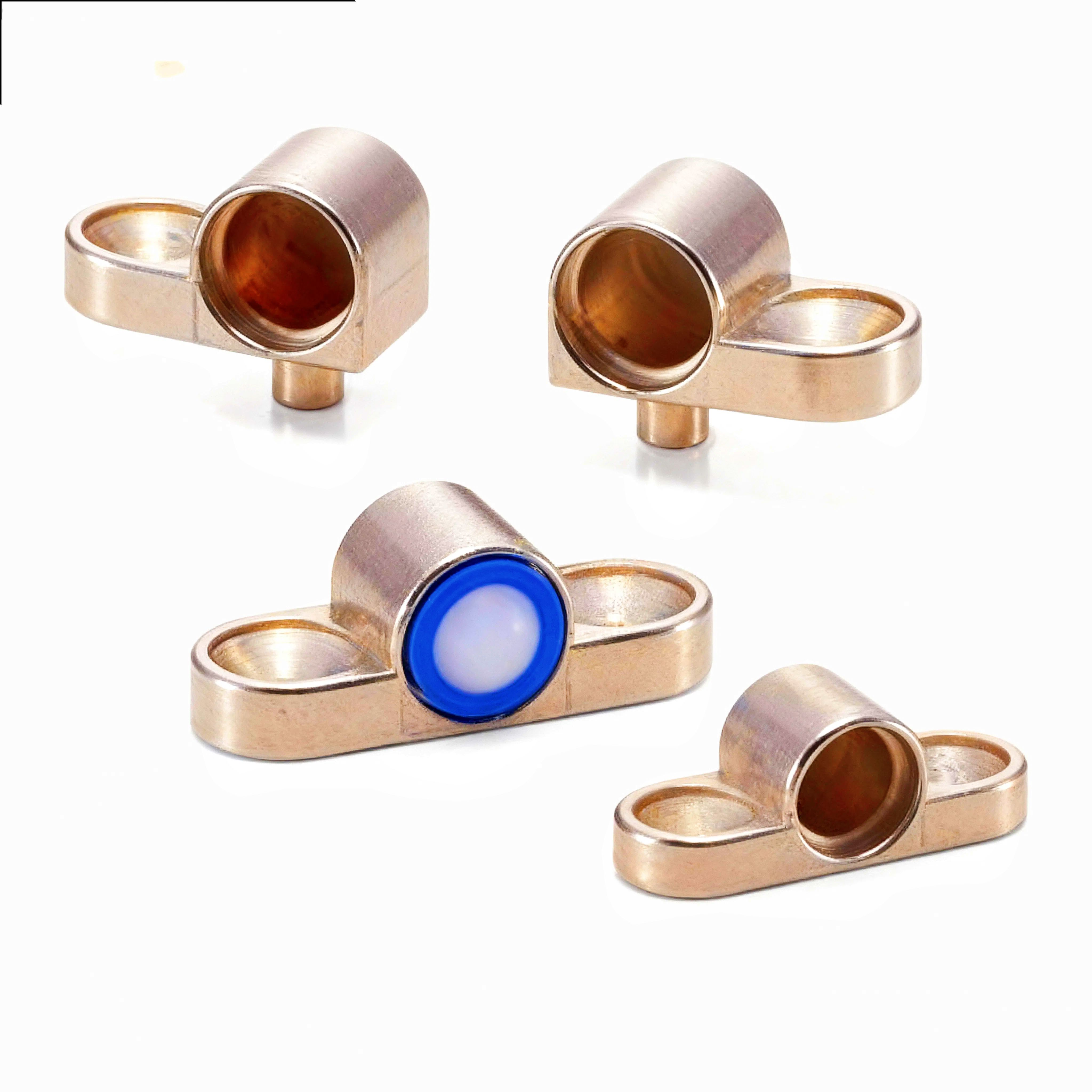
A: It has 2 different ways:
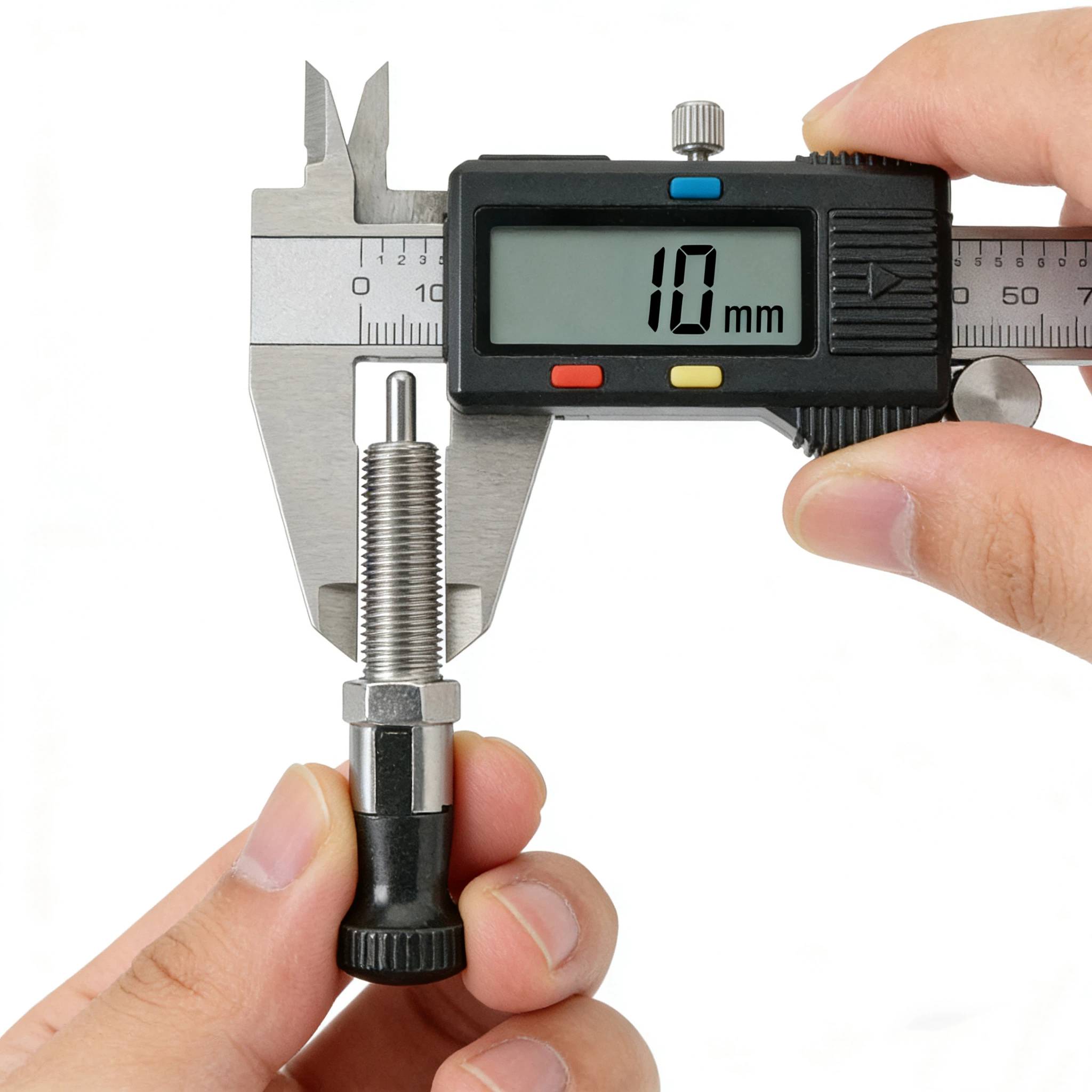
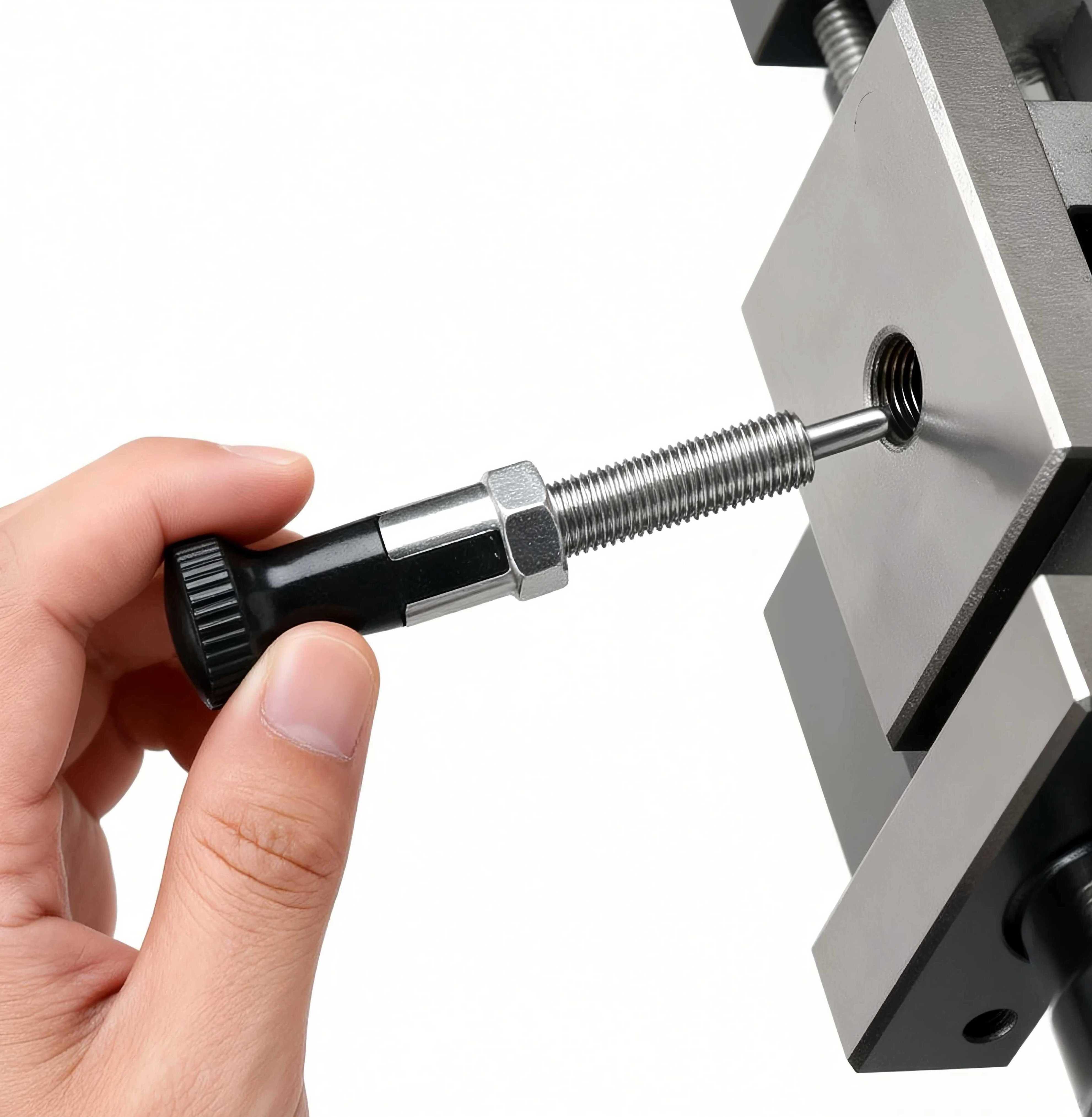
- Threaded mounting: Repeatable disassembly and easy adjustment;
- Press-in mounting: Suitable for limited space or lightweight construction.
Simplify your fixture setup using spring ball plungers. Our precision ball plunger mechanism ensures smooth motion and secure detent control.
Ensures Secure Seating for Mobility Aid Users: The Vital Role of Quick Release Pins in Assistive Walkers
Ensures Secure Highway Towing: The Critical Role of Ball Locking Pins in Trailer Connections
Related Article