Ball Plunger Screws
Ball Plunger Screws: Precision Fasteners Driving Accuracy in Modern Applications
Introduction
In the realm of mechanical engineering and industrial design, precision components often determine the functionality and performance of entire systems. Among these components, Ball Plunger Screws stand out as compact yet powerful devices used for indexing, positioning, and securing elements across countless applications. Their versatility and reliability have made them indispensable in manufacturing, automotive, aerospace, electronics, and more.
This article delves deep into the mechanics, advantages, materials, and applications of Ball Plunger Screws while also shedding light on the latest industry developments, user benefits, and size options to help engineers and procurement specialists make informed decisions.

What Are Ball Plunger Screws?
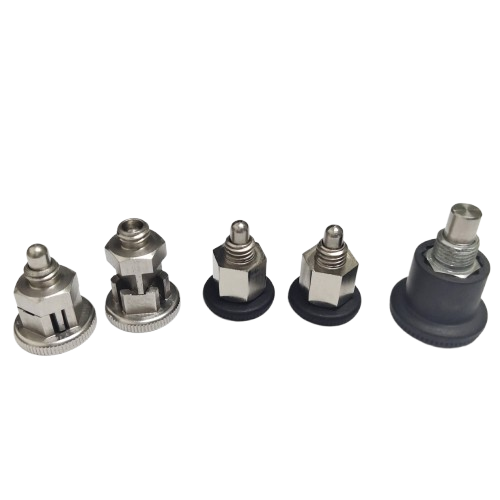
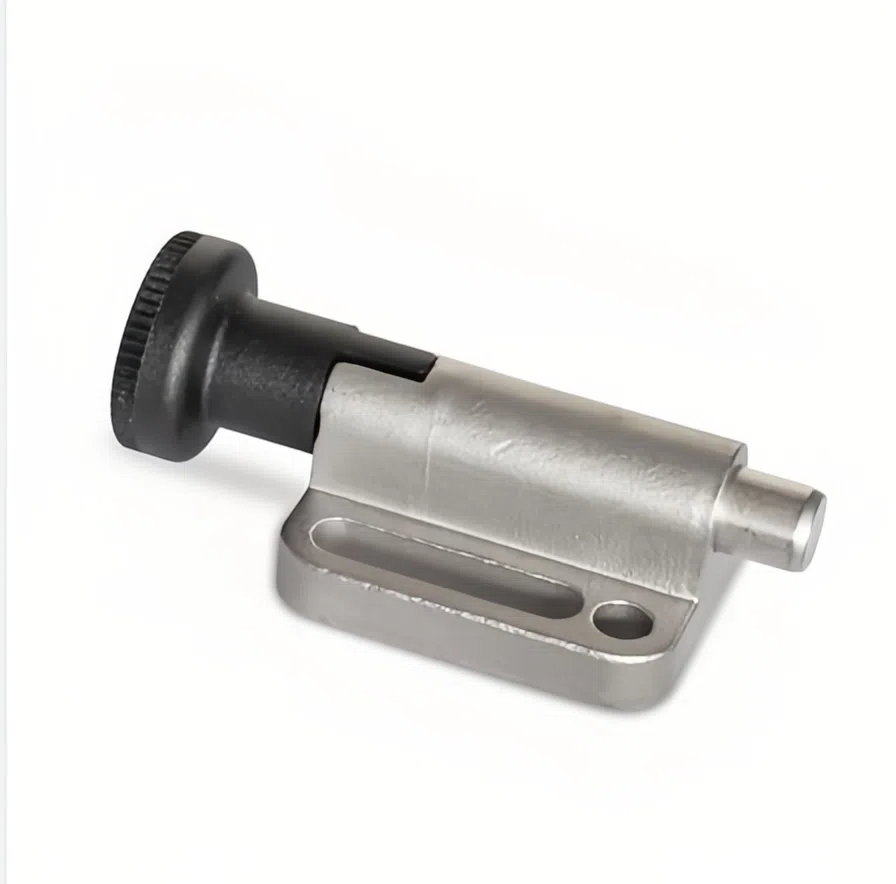
Ball Plunger Screws are spring-loaded devices that consist of a threaded body, an internal spring mechanism, and a protruding ball. The spring pushes the ball outward, creating a controlled force that can position or secure a component in place. These plungers can be easily threaded into components and used to provide indexing or positioning functionality.


They are available in various configurations, including:
-
Threaded Ball Plungers
-
Press-fit Ball Plungers
-
Hex Drive or Slotted Types
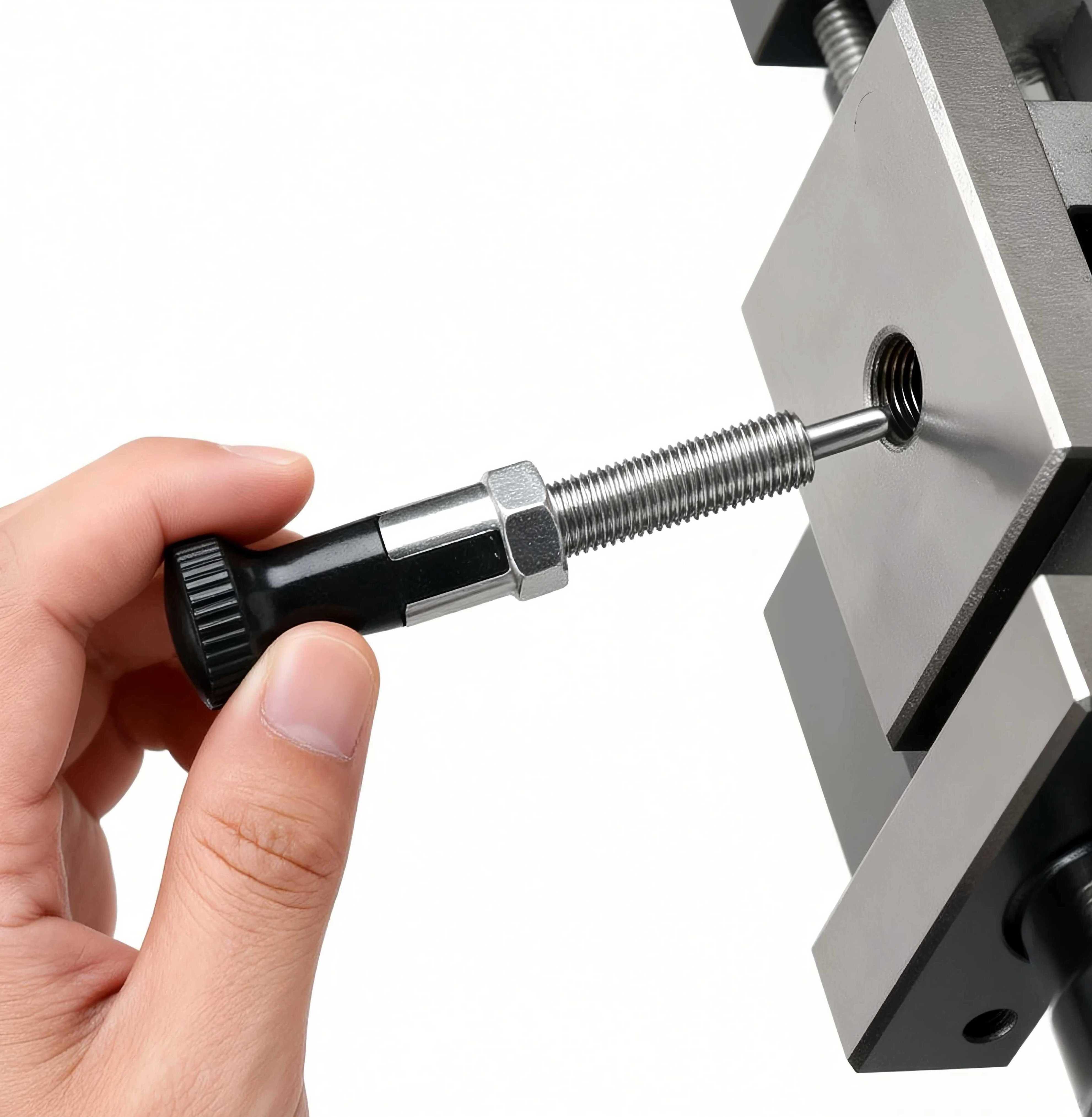
Ball Plunger Screws can be adjusted or replaced with minimal effort, making them ideal for applications that require consistent performance and repeated engagement.
Design and Construction
A typical Ball Plunger Screw consists of the following parts:
-
Threaded Housing: Usually made of stainless steel, carbon steel, or brass, depending on the application.
-
Spring Mechanism: Provides the required force for ball protrusion.
-
Ball Element: Commonly made of hardened steel or stainless steel for strength and corrosion resistance.
Common Materials Used
| Component | Materials | Features |
|---|---|---|
| Body | Stainless steel, brass, steel | High durability and corrosion resistance |
| Ball | Hardened steel, ceramic | Wear-resistant and robust |
| Spring | Stainless steel | Long-lasting compression strength |
Key Functions of Ball Plunger Screws
-
Indexing: Accurately positions components during operation.
-
Positioning: Retains moving parts in set positions until disengaged.
-
Locking: Provides light detent locking for doors, panels, or rotating parts.
-
Locating: Ensures correct alignment of mating parts in fixtures or jigs.
Advantages of Ball Plunger Screws
-
Compact Design
Their small footprint allows installation in tight spaces. -
Ease of Installation
Threaded body and standard sizes make replacement quick and simple. -
Durability
High-quality materials ensure long-lasting performance even under repeated cycles. -
Versatility
Suitable for soft or hard materials and adaptable to various load requirements. -
No Tool Retraction Needed
The spring force can be overcome by applying pressure, meaning tools are often unnecessary for operation.
Applications Across Industries
1. Manufacturing and Automation
Ball Plunger Screws are frequently used in jigs, fixtures, and automated machinery to ensure precise part positioning and tool engagement.
2. Automotive Industry
They are ideal for adjustable seats, glove compartments, dashboard components, and latching mechanisms.
3. Electronics and Instrumentation
Used for panel retention and precise enclosure alignment, especially in modular setups.
4. Medical Equipment
High-precision stainless steel ball plungers are used in medical devices for consistent performance and corrosion resistance.
5. Aerospace
Lightweight and corrosion-resistant variants are utilized in components requiring reliable indexing and locking mechanisms.
Types of Ball Plunger Screws
| Type | Features |
|---|---|
| Threaded Ball Plungers | Standard; easy installation and replacement |
| Slotted Drive Ball Plungers | Manual adjustments possible |
| Hex Drive Ball Plungers | Allows torque-based installation |
| Press-Fit Ball Plungers | Ideal for permanent or semi-permanent fixtures |
| Ball Plungers with Nylon Patch | Offers anti-vibration and better holding force |
Standard Sizes and Specifications
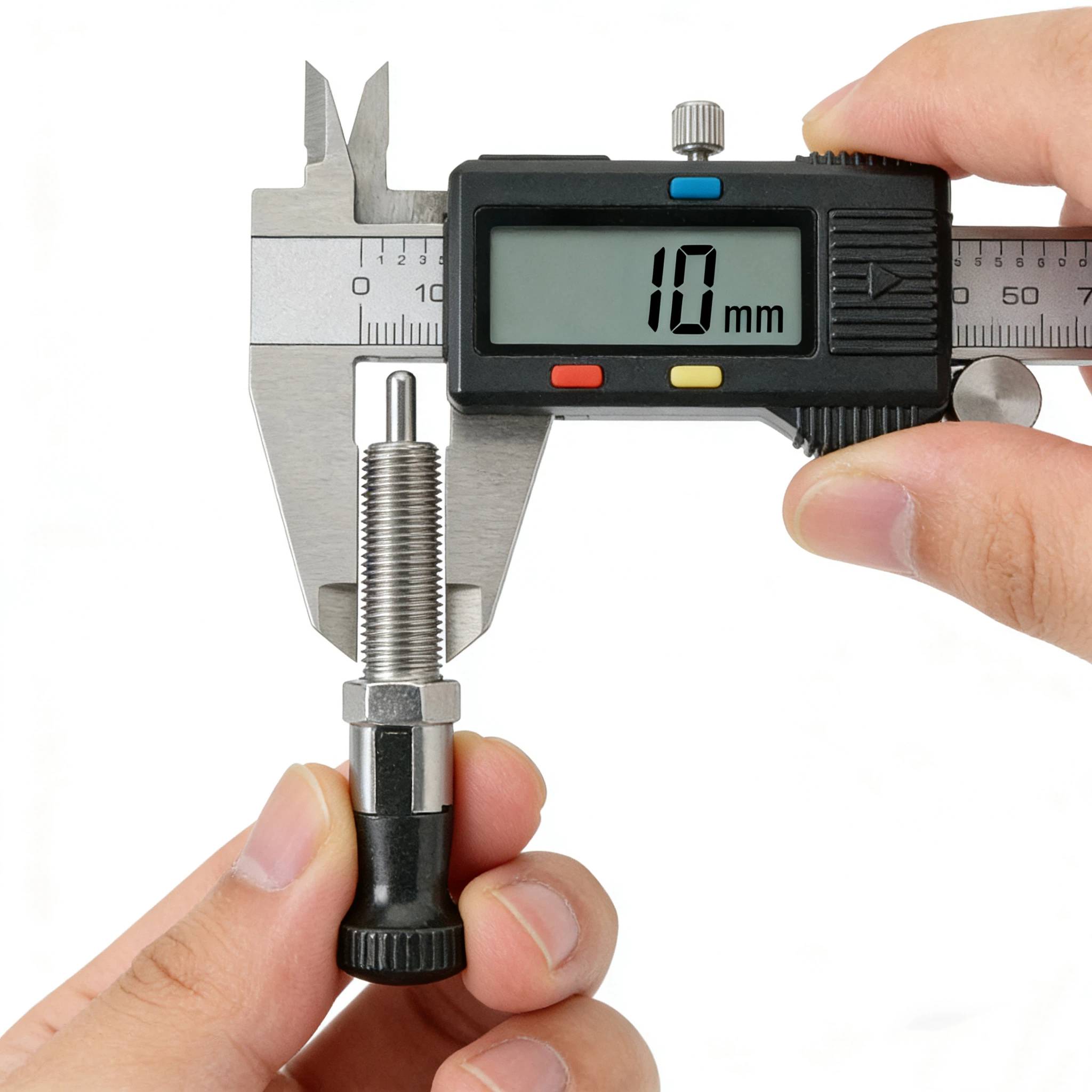
Ball Plunger Screws come in both metric and inch sizes. Below is a reference table for some common dimensions:
Metric Sizes
| Thread Size | Overall Length | Ball Diameter | Spring Force (N) |
|---|---|---|---|
| M4 x 0.7 | 10 mm | 2 mm | 2.5 |
| M6 x 1.0 | 12 mm | 3 mm | 5.0 |
| M8 x 1.25 | 16 mm | 4 mm | 8.0 |
| M10 x 1.5 | 18 mm | 5 mm | 12.0 |
Inch Sizes
| Thread Size | Overall Length | Ball Diameter | Spring Force (lbf) |
|---|---|---|---|
| 6-32 | 0.375" | 0.078" | 0.5 |
| 8-32 | 0.500" | 0.094" | 0.9 |
| 10-24 | 0.625" | 0.125" | 1.3 |
Material Selection Based on Environment
-
Stainless Steel: Best for corrosive or outdoor environments.
-
Carbon Steel: Cost-effective and durable for indoor applications.
-
Brass: Non-magnetic, ideal for sensitive equipment and electronics.
Choosing the correct material ensures longevity and consistent performance in specific operating conditions.
Installation and Maintenance Tips
Installation
-
Use the appropriate torque value during installation.
-
Ensure threaded holes are clean and free of debris.
-
Avoid overtightening, which can damage the spring mechanism.
Maintenance
-
Regular inspection is recommended in high-use environments.
-
Replace if there is noticeable wear on the ball or reduced spring tension.
Customization Options
Many manufacturers offer custom Ball Plunger Screws with:
-
Variable Spring Forces
-
Custom Thread Sizes
-
Ball Material Options (e.g., ceramic for high wear)
-
Color-coded identification
These customizations cater to specialized industrial demands.
Latest Trends and Innovations
-
Self-Lubricating Coatings: Enhance longevity and reduce maintenance.
-
Hybrid Composite Materials: Lightweight alternatives for aerospace and electronics.
-
Miniature Ball Plungers: Ideal for micro-mechanics and precision instruments.
-
Vibration-Resistant Designs: Increased holding power for unstable environments.
Enhance your projects with ball plunger screws, offering precise positioning, secure locking, and smooth operation. Ideal for machinery, fixtures, and industrial applications—durable, reliable, and easy to install.
Ball Plunger Screws may be small, but their impact across industries is immense. As machines, devices, and systems grow in complexity, the need for precision components like these only increases. Whether you're designing a jig for automation or specifying fasteners for aerospace, Ball Plunger Screws provide the indexing, locking, and locating support needed for performance and reliability.
Manufacturers continue to innovate with better materials, custom sizes, and smarter designs. For engineers and buyers, understanding the versatility and capabilities of Ball Plunger Screws ensures better product design, longevity, and functionality.
5 16 Quick Release Pins
Aluminum Cnc Parts
Related Article