Ball Roller
author: Lucia Liu
2025-07-29
Ball Roller
What is a Ball Roller?
A Ball Roller is a mechanical component that uses ball bearings for rolling support or guiding positioning. It consists of one or more metal or plastic ball bearings embedded in a housing or casing. The ball bearings can rotate freely within the housing, enabling smooth rolling or movement of objects.
A Ball Roller is a mechanical component that uses ball bearings for rolling support or guiding positioning. It consists of one or more metal or plastic ball bearings embedded in a housing or casing. The ball bearings can rotate freely within the housing, enabling smooth rolling or movement of objects.
This type of product is widely used in mechanical slides, automated equipment, logistics devices, and other applications requiring low friction and high flexibility. Compared to sliding rails, the rolling mechanism of a Ball Roller effectively reduces the coefficient of friction, improves transmission efficiency, minimizes component wear, and extends equipment lifespan.

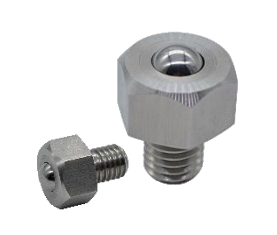
Main Structure and Classification of Ball Rollers
Depending on application requirements, ball rollers have different structural types. Common classifications include:
Depending on application requirements, ball rollers have different structural types. Common classifications include:
- Single ball type: Suitable for light-load applications, such as furniture slides and small equipment.
- Multi-ball type: High load-bearing capacity, commonly used in industrial transmission systems.
- Shell-type: Easy to install and secure, commonly used in automated assembly lines.
In terms of materials, Ball Rollers typically use the following materials:
- Stainless steel (e.g., 304, 316): Excellent corrosion resistance, suitable for humid or high-temperature environments.
- Carbon steel: High load-bearing capacity, suitable for general industrial environments.
- Plastic materials (POM, PA): Self-lubricating and lightweight, suitable for equipment with weight restrictions.
The Difference Between Ball Rollers and Ball Casters
Many people confuse ball rollers with ball casters when selecting components. Although both are rolling elements, they have distinct differences in application and structure.
Ball Casters are typically used in mobile platforms such as carts and robot bases, serving to support and enable multi-directional rolling. Their core component is a larger ball bearing, with a relatively simple support structure and limited load-bearing capacity, prioritizing flexible mobility.
In contrast, Ball Rollers focus on sliding guidance, support, or positioning functions, typically embedded within mechanical equipment or assembly lines to stabilize the transmission or positioning of objects. As a result, Ball Rollers have a broader range of applications in industrial settings.
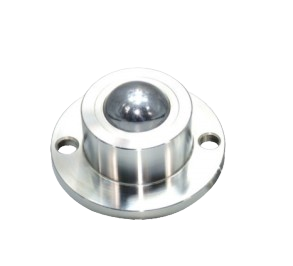


Advantages and Features of Ball Rollers
- High-efficiency rolling: Utilizes high-quality ball bearings and housing design for smooth rolling and minimal friction.
- Compact structure: Ideal for equipment with limited space, offering easy installation.
- Wear and Corrosion Resistance: Stainless steel construction is particularly suitable for harsh environments such as humid, oily, or high-temperature conditions.
- Multi-Directional Mobility: Some Ball Roller designs support multi-directional sliding, offering high flexibility.
- High Load Capacity: Especially multi-ball Ball Rollers, which have a large load capacity and are suitable for heavy-duty applications.
These performance advantages make Ball Rollers an important choice for enhancing equipment stability and durability.
From light-duty to heavy-duty needs, our ball roller and ball caster selection ensures smooth, multidirectional movement with unmatched strength.
Ball Locking Pins for Industry
Ball Locking Pins for Automotive
Related Article
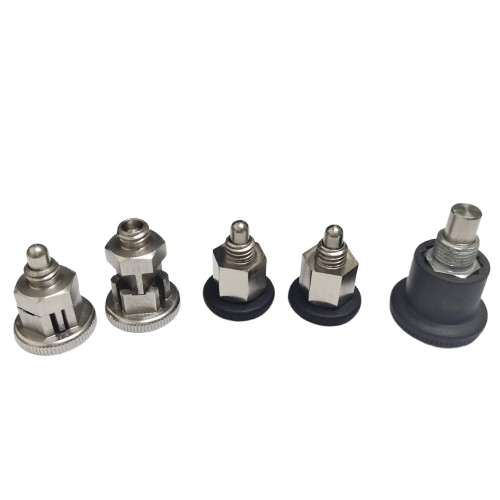
Explore the application of stainless steel materials for customizing mini indexing plungers based on specific operational environments and suitable spaces.
How To Make A Mini Indexing Plunger
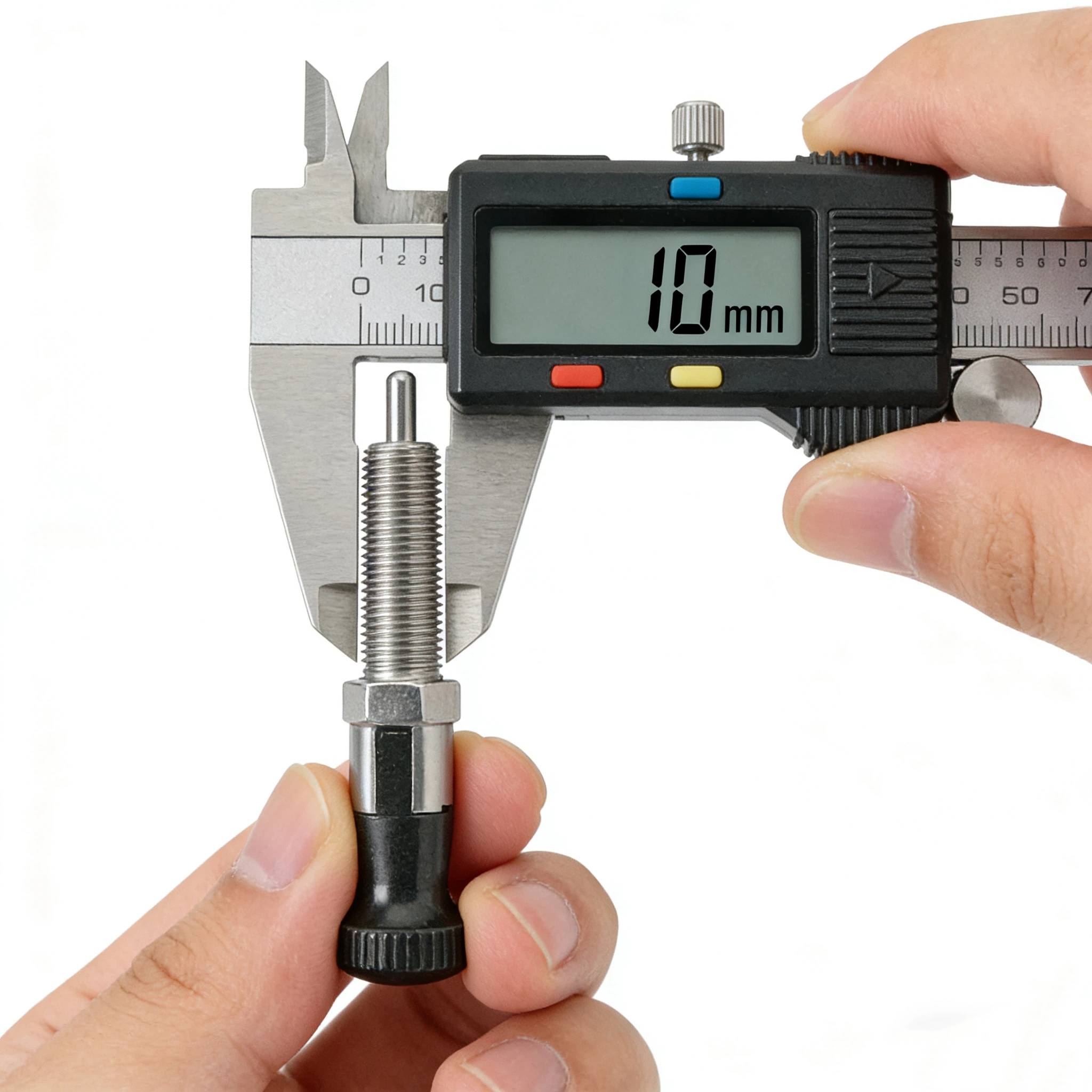
Discover how to choose correct size for indexing elements with confidence. Get precise recommendations that improve positioning accuracy, durability, and overall system performance.
How To Choose Correct Size For Indexing Elements