Ball Rollers For Conveyor
author: Lucia Liu
2025-10-24
Ball Rollers For Conveyor
Table of Contents What are Ball Rollers Key Features Product Features & Materials Basic Composition Working Principle Application Scenarios FAQ
In modern manufacturing and logistics systems, conveying equipment has become an indispensable component. As a vital part of conveying systems, ball rollers serve as core support components for various material handling equipment due to their flexibility, durability, and efficiency. Whether in assembly lines, warehousing systems, or packaging and transport equipment, ball roller conveyors play a significant role, delivering enhanced operational efficiency and convenience for enterprises.


What are Ball Rollers
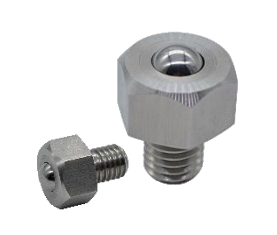
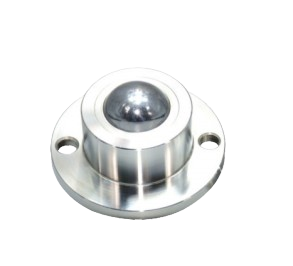
Ball rollers are precision mechanical components that utilise the rotation of spheres to enable multi-directional movement of objects. Unlike traditional roller conveyor structures, ball rollers facilitate omnidirectional rolling of objects horizontally, allowing materials to be pushed, rotated, or diverted at any angle. This unique multi-directional mobility renders them extensively applicable in production scenarios requiring flexible handling and positioning.
For instance, on an automated conveyor line, products may need to transition from one workstation to another or undergo directional adjustments during packaging. In such instances, work surfaces equipped with ball roller conveyors enable operators to effortlessly manoeuvre items, execute turns, and perform precise positional adjustments, significantly enhancing production efficiency.
Key Features
The core function of ball rollers is to provide low-friction, omnidirectional rolling support. They not only enable smooth movement of items during conveyance but also deliver precise control during processes requiring diversion, turning, or positioning.
Unlike conventional fixed rollers, each ball within ball rollers can rotate independently, accommodating complex conveying paths and proving particularly suitable for scenarios requiring manual assistance. They facilitate:
- Rapid directional changes for materials
- Flexible movement across work surfaces
- Precise positioning during assembly processes
Furthermore, ball rollers offer versatile installation methods. They can be individually embedded into conveyor surfaces or assembled as modular components into complete ball roller conveyor systems, thereby meeting the requirements of diverse equipment and operational environments.
Product Features & Material Selection
Premium ball rollers are typically manufactured from high-strength materials to ensure stable performance under prolonged load operation. Stainless steel is one of the most commonly used materials. It offers excellent corrosion resistance and wear resistance, making it highly suitable for use in damp, dusty, or chemical environments.
Stainless steel, certain aluminum models incorporate lightweight designs with plastic bases for applications with lower load requirements or cost-sensitive considerations.
Key characteristics include:
Smooth rotation: Precision-engineered ball design minimises rolling resistance;
High load capacity: Suitable for heavy components and large packaged items;
Low maintenance: Requires infrequent lubrication and boasts extended service life;
Flexible installation: Multiple mounting options available, including embedded, threaded, and flanged configurations.
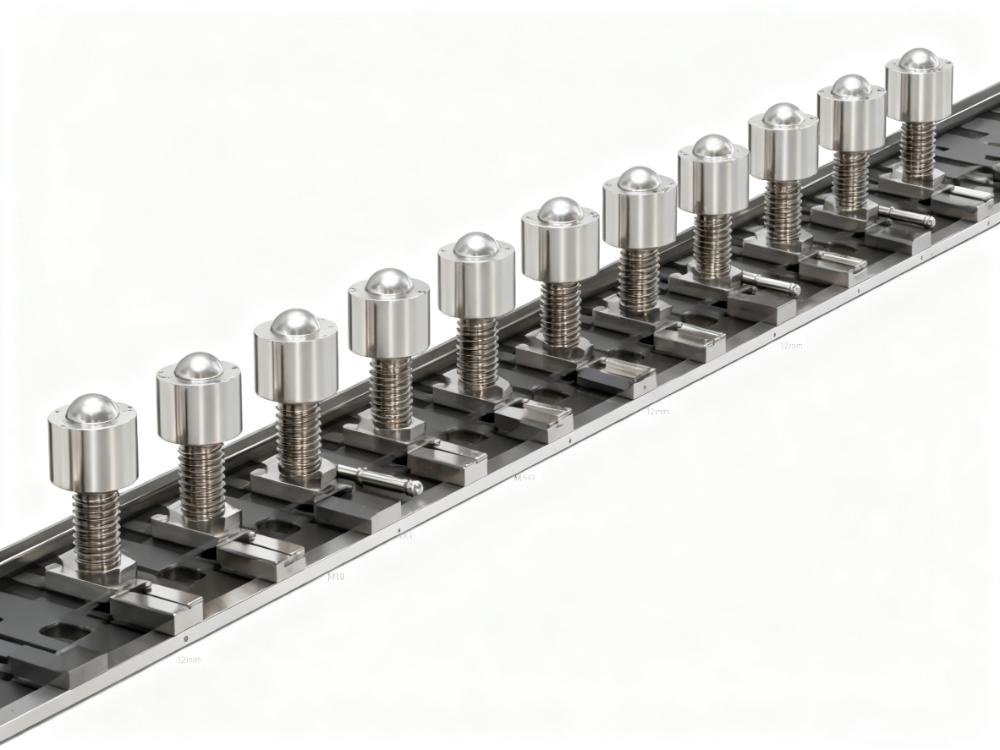
Basic Composition
A complete ball roller consists of the following parts:
- The main body shell (Housing): usually made of stainless steel or galvanised steel, playing the role of supporting and protecting the internal structure.
- Main Ball: Located in the centre, it is used for direct contact with the conveyed goods and is the core part of the whole rolling movement.
- Support Balls: Distributed below the Main Ball, they support the Main Ball and reduce friction, enabling it to rotate smoothly.
Working Principle
The ball roller conveyor operates on the principles of multi-point contact and free rolling. When an object is placed upon the ball surface, the primary ball rotates freely supported by multiple auxiliary balls, thereby enabling the object to move in any direction.
On horizontal planes, ball rollers facilitate forward, backward, turning, or rotational movement of items. On inclined or combined conveyor lines, they also assist in achieving automatic diversion and positioning.
Application Scenarios
Ball roller conveyors find extensive application across the following industries and settings:
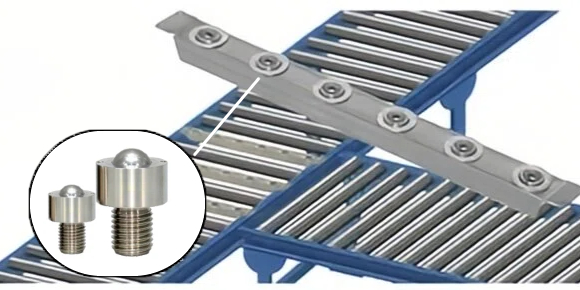
Logistics and Warehousing: On sorting tables and loading platforms, ball rollers facilitate smooth goods manoeuvring and positioning, reducing manual handling demands.
Assembly production lines: Within automotive, electronics, and hardware manufacturing sectors, operators can effortlessly manoeuvre workpieces using ball rollers to facilitate multi-angle assembly.
Packaging and inspection equipment: Facilitates rapid product repositioning, enhancing inspection accuracy and packaging efficiency.
Airport baggage handling systems: Stainless steel ball rollers possess rust-resistant and dust-proof properties, ensuring sustained smooth operation under high-frequency usage conditions.
Indexing Plungers Enable Precise Positioning: A Revolutionary Upgrade for the Milwaukee Packout Modular Storage System
Precision in Every Click: How Indexing Plungers Revolutionize Professional Camera Systems
Related Article
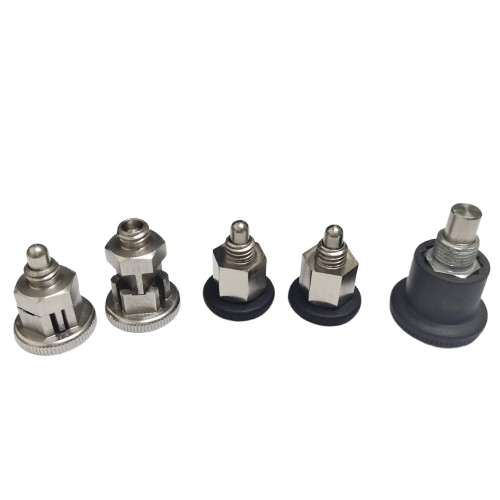
Explore the application of stainless steel materials for customizing mini indexing plungers based on specific operational environments and suitable spaces.
How To Make A Mini Indexing Plunger
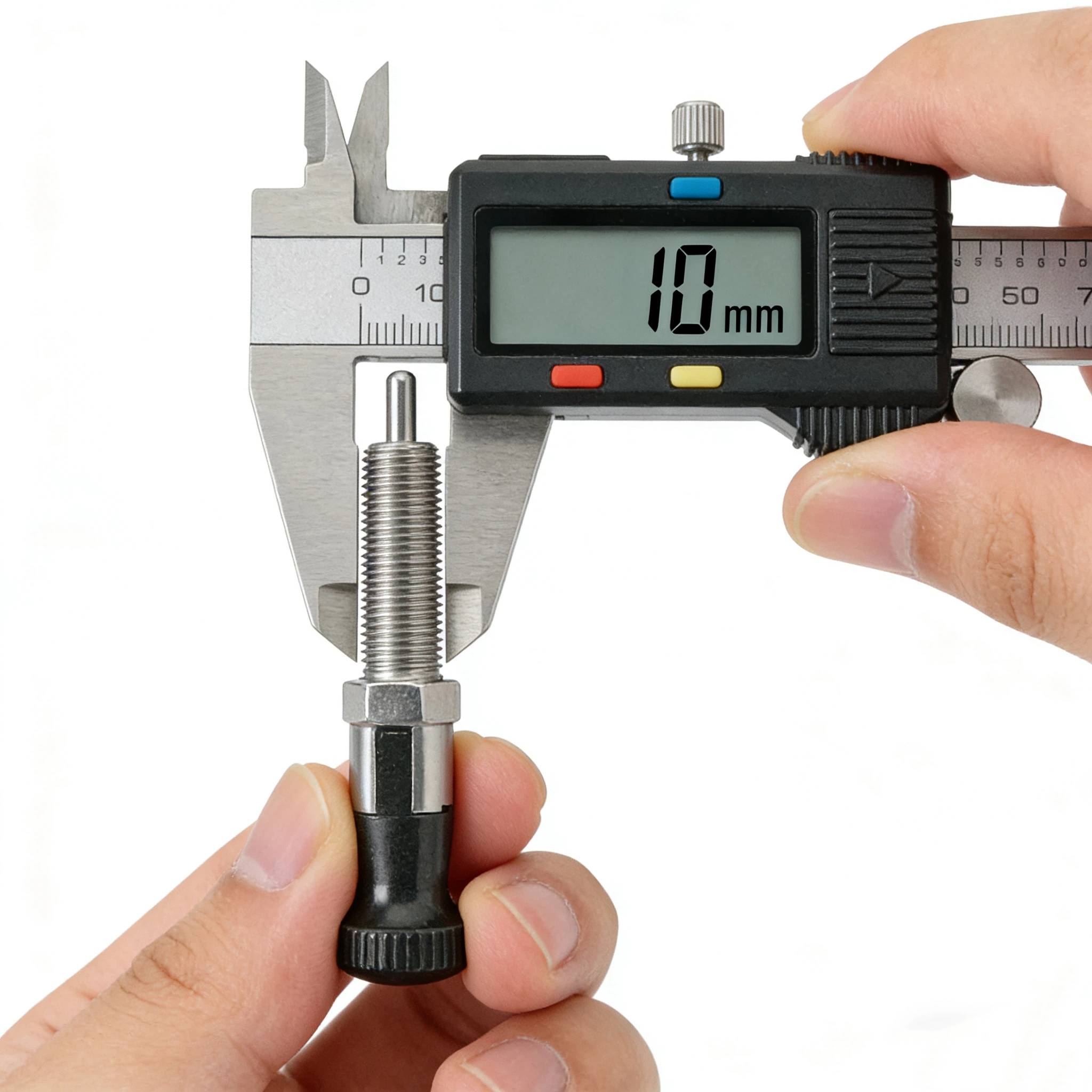
Discover how to choose correct size for indexing elements with confidence. Get precise recommendations that improve positioning accuracy, durability, and overall system performance.
How To Choose Correct Size For Indexing Elements