Built For Speed: The Key Role Of Ball Locking Pins In Rapid Race Car Repairs
author: Fiona Yang
2025-09-28
Built For Speed: The Key Role Of Ball Locking Pins In Rapid Race Car Repairs
-------------- Precision Locking For High-Pressure Environments
The Demand for Speed and Reliability in Motorsports
In the world of competitive racing, every second counts. Pit stops are meticulously choreographed operations where speed and absolute reliability are non-negotiable. The safety of drivers and crew, as well as race outcomes, hinge on the flawless performance of equipment. The core challenge lies in components that enable lightning-fast changes of wheels, aerodynamic components, and other modules without compromising secure attachment under extreme conditions.
In the world of competitive racing, every second counts. Pit stops are meticulously choreographed operations where speed and absolute reliability are non-negotiable. The safety of drivers and crew, as well as race outcomes, hinge on the flawless performance of equipment. The core challenge lies in components that enable lightning-fast changes of wheels, aerodynamic components, and other modules without compromising secure attachment under extreme conditions.
The Ball Locking Pin's High-Performance Function
The ball locking pin meets this challenge with its spring-loaded mechanism, which drives precision steel balls outward to create an instantaneous, positive lock the moment it is inserted into a receiving hole. This design provides a secure connection that is resistant to the high vibrations and G-forces experienced on the track. The distinct audible and tactile "click" delivers immediate confirmation to the crew that the component is locked and safe, a critical feature in the chaotic pit lane environment.
The ball locking pin meets this challenge with its spring-loaded mechanism, which drives precision steel balls outward to create an instantaneous, positive lock the moment it is inserted into a receiving hole. This design provides a secure connection that is resistant to the high vibrations and G-forces experienced on the track. The distinct audible and tactile "click" delivers immediate confirmation to the crew that the component is locked and safe, a critical feature in the chaotic pit lane environment.
Application in Racing Pit Stop Systems
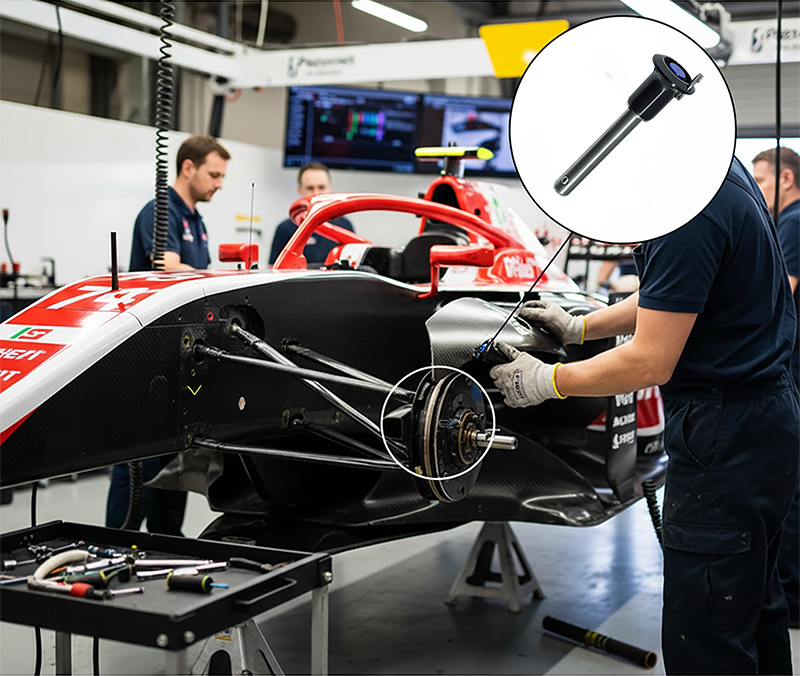
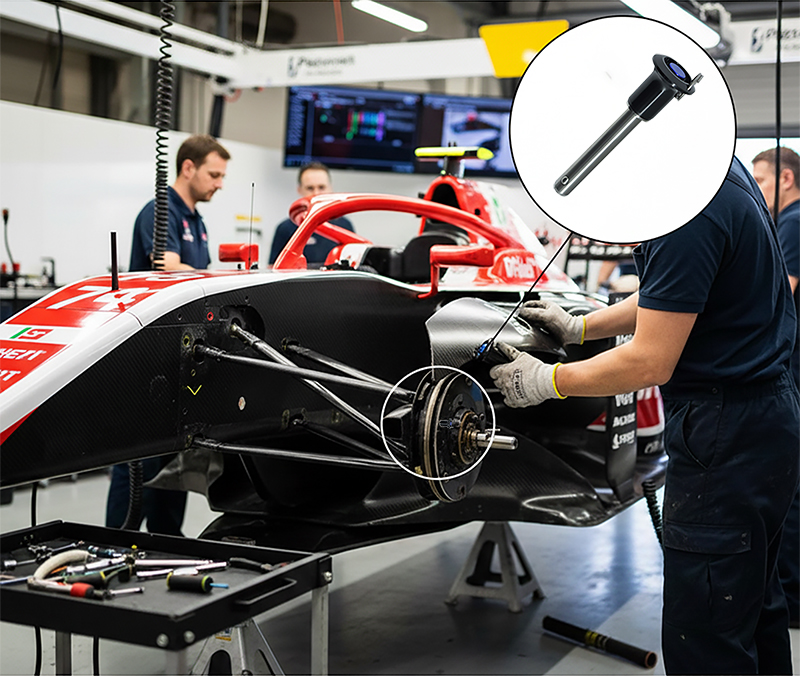
Integrated into quick-change systems, ball locking pins are fundamental for securing everything from adjustable front wings and rear wings to wheel nuts and body panels. They allow crew members to execute sub-three-second wheel changes and rapid aerodynamic adjustments with unwavering confidence. The tool-free, rapid insertion and release capability streamlines the entire process, while the durable, high-strength construction ensures consistent performance race after race, making it an indispensable component for any competitive racing team.
Integrated into quick-change systems, ball locking pins are fundamental for securing everything from adjustable front wings and rear wings to wheel nuts and body panels. They allow crew members to execute sub-three-second wheel changes and rapid aerodynamic adjustments with unwavering confidence. The tool-free, rapid insertion and release capability streamlines the entire process, while the durable, high-strength construction ensures consistent performance race after race, making it an indispensable component for any competitive racing team.
FAQ
Question 1:
How do ball locking pins withstand the extreme vibrations of a race car?
Answer:
The constant spring force on the balls maintains a firm mechanical lock that resists loosening from vibrations, ensuring components stay securely attached until manually released.
How do ball locking pins withstand the extreme vibrations of a race car?
Answer:
The constant spring force on the balls maintains a firm mechanical lock that resists loosening from vibrations, ensuring components stay securely attached until manually released.
Question 2:
What materials are used for racing-grade ball locking pins?
Answer:
High-strength, lightweight materials like titanium or heat-treated alloy steel are common, often with hardened steel or tungsten carbide balls to maximize strength-to-weight ratio and durability.
What materials are used for racing-grade ball locking pins?
Answer:
High-strength, lightweight materials like titanium or heat-treated alloy steel are common, often with hardened steel or tungsten carbide balls to maximize strength-to-weight ratio and durability.
Question 3:
What is the key maintenance routine for these pins in a racing team?
Answer:
Quick pre-race visual checks for damage, ensuring smooth ball movement and a positive locking action. They must be kept clean and replaced immediately at any sign of wear to guarantee perfect reliability.
What is the key maintenance routine for these pins in a racing team?
Answer:
Quick pre-race visual checks for damage, ensuring smooth ball movement and a positive locking action. They must be kept clean and replaced immediately at any sign of wear to guarantee perfect reliability.
High Precision Positive Locking Pin
Ensures safe Locking Of Car Lifts: Reliable Support Of Ball Locking Pins
Related Article
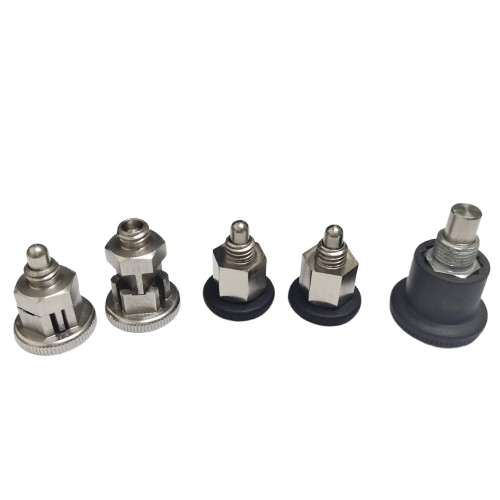
Explore the application of stainless steel materials for customizing mini indexing plungers based on specific operational environments and suitable spaces.
How To Make A Mini Indexing Plunger
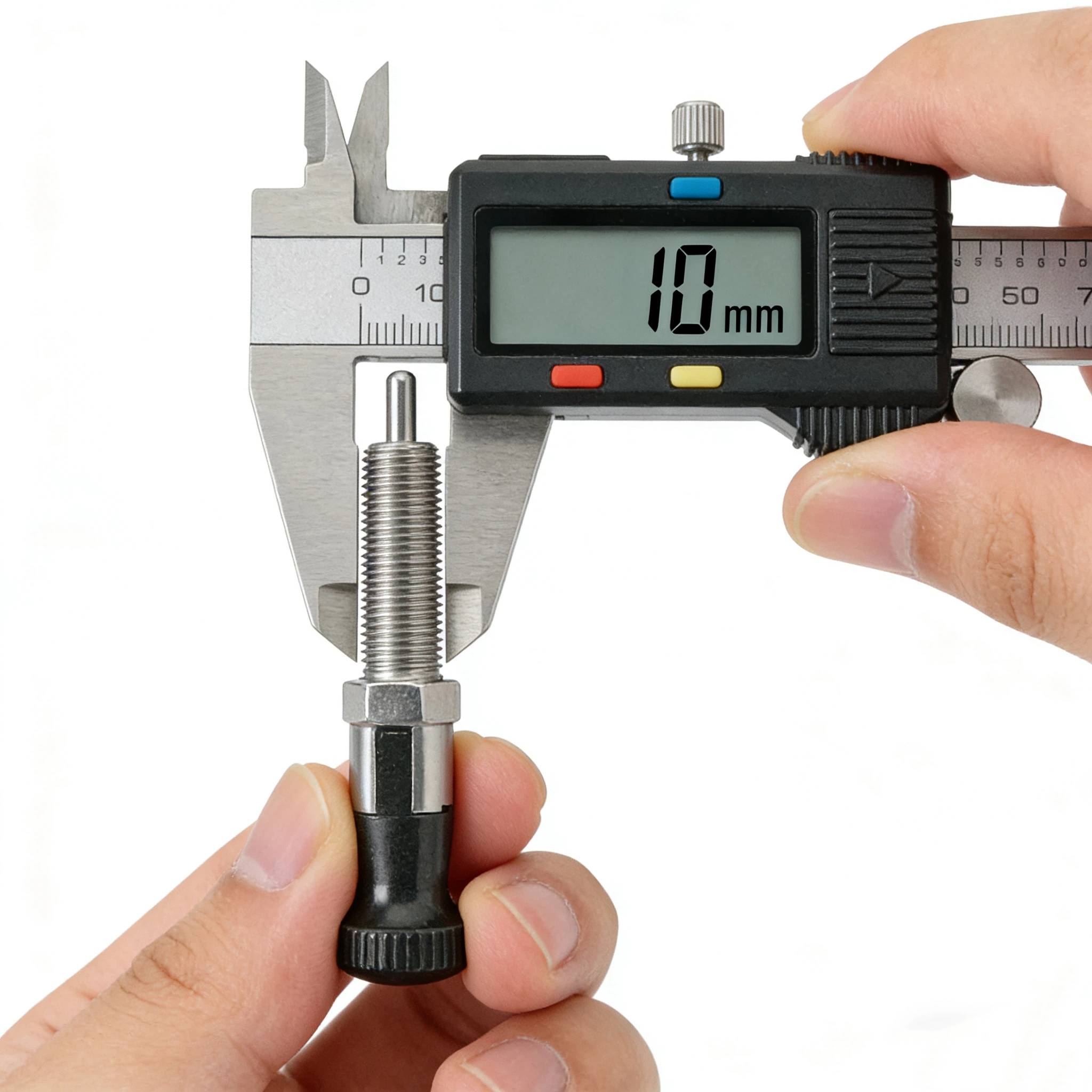
Discover how to choose correct size for indexing elements with confidence. Get precise recommendations that improve positioning accuracy, durability, and overall system performance.
How To Choose Correct Size For Indexing Elements