Can 304 Stainless Steel Rust
author: Lucia Liu
2025-04-21
Can 304 Stainless Steel Rust?
Introduction
Stainless steel is widely celebrated for its corrosion-resistant properties, particularly in demanding applications such as industrial machinery, kitchen equipment, and architectural structures. Among the most commonly used grades is 304 stainless steel, known for its balance of strength, weldability, and affordability. But despite its reputation, an important question persists: Can 304 stainless steel rust? The answer is not as straightforward as one might think.
This article explores the composition, behavior, and potential vulnerabilities of 304 stainless steel, while also explaining the conditions under which it can corrode and how to prevent it.
Understanding 304 Stainless Steel
What Is 304 Stainless Steel?
304 stainless steel is an austenitic grade of stainless steel composed primarily of iron, with 18–20% chromium and 8–10.5% nickel. These elements are crucial for forming a passive oxide layer that protects the metal from corrosion. It is part of the 300 series of stainless steels and is the most widely used stainless alloy globally.
Key Properties
-
Corrosion resistance
-
High ductility
-
Excellent formability and weldability
-
Non-magnetic in annealed condition
-
Good heat resistance
Its wide availability and favorable cost-to-performance ratio make it a top choice in manufacturing.
What Prevents Rust in Stainless Steel?
The Role of Chromium
The defining feature of stainless steel is its chromium content. In 304 stainless steel, chromium makes up about 18–20% of the alloy. This element is responsible for forming a thin, invisible layer of chromium oxide on the surface. This layer acts as a protective shield, preventing oxygen and moisture from reaching the iron beneath.
Self-Healing Mechanism
If the passive layer is damaged by abrasion or chemical exposure, it typically re-forms automatically in the presence of oxygen, maintaining the alloy's resistance to corrosion. This ability to “self-heal” is what makes stainless steel so attractive in harsh environments.
So, Can 304 Stainless Steel Rust?
The Short Answer: Yes, Under Certain Conditions
While 304 stainless steel is highly resistant to corrosion, it is not completely immune. It can rust under specific conditions, particularly when the protective oxide layer is compromised or when the alloy is exposed to certain harsh environments for extended periods.
Common Scenarios Where 304 May Rust
-
Saltwater Exposure
Salt and chlorides (like those found in seawater) are extremely corrosive to stainless steel. When 304 stainless steel is exposed to salt-laden environments, such as marine or coastal applications, it can experience pitting corrosion. -
Lack of Oxygen
The protective layer needs oxygen to maintain itself. In oxygen-deficient environments (such as crevices or buried installations), the passive layer may not regenerate, leading to localized rusting. -
High Temperatures and Moisture
High humidity, combined with elevated temperatures, can accelerate corrosion, especially if the surface is not properly cleaned or maintained. -
Chemical Exposure
Strong acids or chlorinated cleaners can degrade the passive layer, making the material susceptible to rust. -
Welding and Heat-Affected Zones
Improper welding practices can alter the microstructure of 304 stainless steel, especially in heat-affected zones. This can reduce corrosion resistance and lead to rust formation.
Types of Corrosion That Affect 304 Stainless Steel
Pitting Corrosion
This localized form of corrosion creates small pits or holes on the surface. It is particularly common in chloride-rich environments such as swimming pools, salt spray areas, or locations near road salts.
Crevice Corrosion
Occurs in confined spaces where oxygen access is limited. Common in gaskets, washers, or overlapping joints, it can cause aggressive localized attack.
Stress Corrosion Cracking (SCC)
Under tensile stress and in the presence of chlorides, 304 stainless steel can suffer from SCC, which results in cracks and eventual failure.
Galvanic Corrosion
If 304 stainless steel is in contact with a less noble metal in a corrosive environment, it can become anodic and begin to corrode. Using dissimilar metals in a joint without proper insulation can initiate galvanic corrosion.
304 vs. 316 Stainless Steel: Corrosion Comparison
316 stainless steel, often referred to as “marine grade,” contains molybdenum (about 2–3%), which offers better resistance to chlorides and saltwater corrosion compared to 304. If your application involves prolonged exposure to harsh conditions, 316 is typically a better choice.
Key Difference:
-
304: 18/8 (Chromium/Nickel)
-
316: 16/10/2 (Chromium/Nickel/Molybdenum)
Preventing Rust on 304 Stainless Steel
1. Proper Cleaning and Maintenance
Regularly cleaning stainless steel surfaces with mild soap and water prevents contaminant buildup. Avoid using steel wool or harsh abrasives that could scratch the passive layer.
2. Use of Passivating Agents
Chemical passivation treatments using citric or nitric acid can enhance the passive layer and remove free iron or contaminants from the surface.
3. Avoid Chlorine-Based Cleaners
Many household and industrial cleaning agents contain chlorides. Opt for stainless steel-specific cleaners.
4. Protective Coatings
In extremely harsh environments, applying protective coatings or paint may help reduce corrosion risk.
5. Design Considerations
Avoid designs with tight crevices or stagnant zones where water or debris may accumulate. Also, reduce contact with dissimilar metals.
Testing and Detecting Corrosion Early
Visual Inspection
Rust often appears as reddish-brown stains. Regular inspections can catch early signs of corrosion.
Salt Spray Testing
Used in industrial environments to simulate long-term exposure to saline conditions.
Magnetic Permeability Testing
Although 304 is non-magnetic, cold working may cause slight magnetism, which may be used as a clue for quality checks.
Applications Where Rust in 304 Is a Concern
-
Marine structures and boat parts
-
Food processing equipment
-
Architectural fittings in coastal cities
-
Medical instruments exposed to sterilization chemicals
-
Transportation systems exposed to de-icing salts
Can 304 stainless steel rust? Learn about its corrosion-resistant properties, making it ideal for industrial, automotive, and machinery applications. Discover how it ensures durability and longevity.
304 stainless steel is highly corrosion-resistant but not rust-proof. Under specific environmental conditions — especially those involving chlorides, moisture, and lack of oxygen — it can develop rust. Understanding how 304 stainless steel behaves and taking proactive maintenance and design steps can significantly prolong its life and performance.
For extreme corrosion environments, consider using higher grades like 316 stainless steel or applying additional protective measures. With the right approach, 304 stainless steel can offer long-lasting performance across a vast range of applications.
Will 304 Stainless Steel Rust
How To Remove Rust From A Metal
Related Article
Explore the application of stainless steel materials for customizing mini indexing plungers based on specific operational environments and suitable spaces.
How To Make A Mini Indexing Plunger
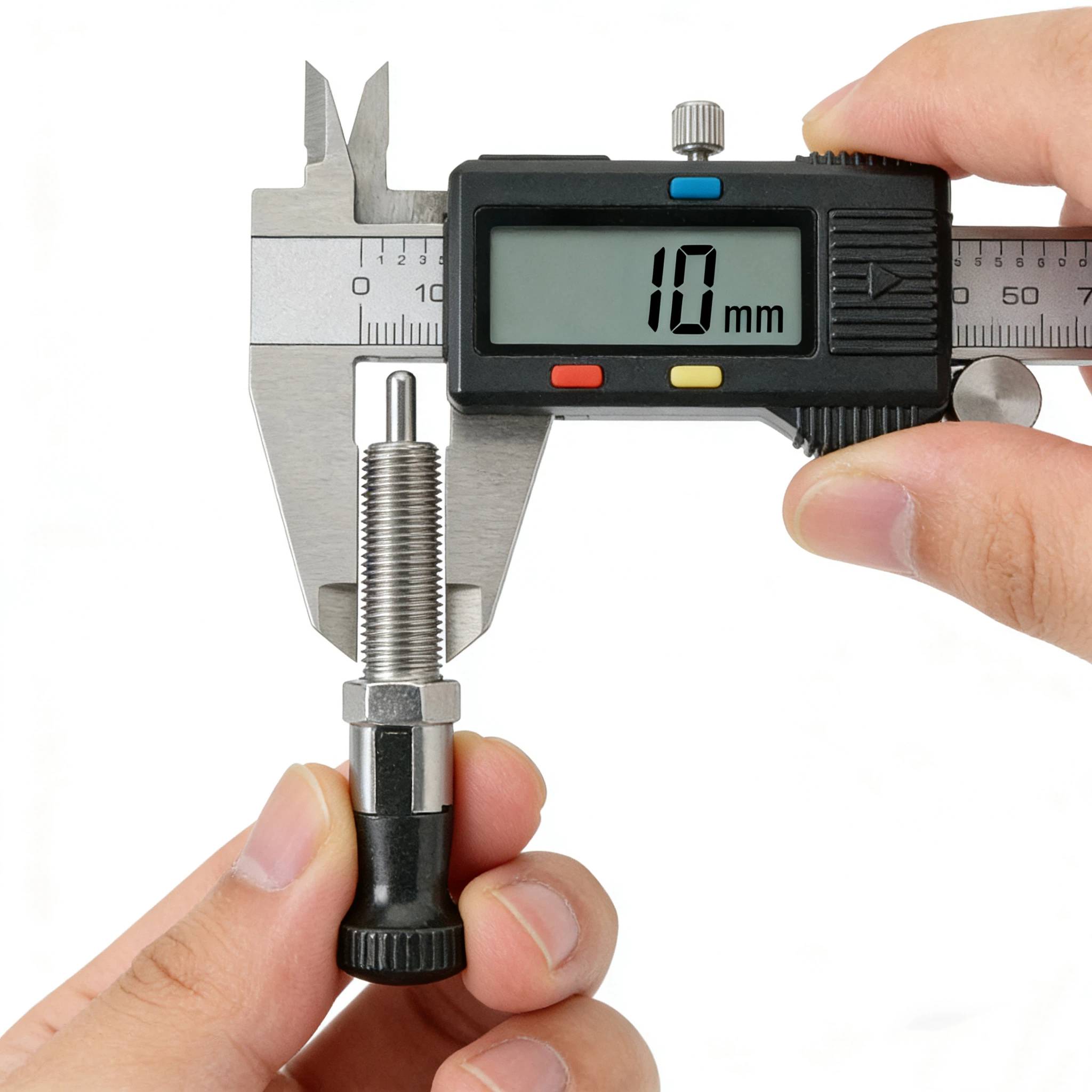
Discover how to choose correct size for indexing elements with confidence. Get precise recommendations that improve positioning accuracy, durability, and overall system performance.
How To Choose Correct Size For Indexing Elements