Cnc Machine What Does Cnc Stand For
author: Lucia Liu
2025-08-01
Cnc Machine What Does Cnc Stand For
In modern manufacturing, CNC technology is undoubtedly an important tool for improving production efficiency and processing accuracy. Whether it is precision medical equipment, aviation parts, or everyday electronic products, CNC support is often indispensable. Many customers often ask, “What does CNC stand for?” when purchasing or learning about manufacturing equipment. This article will comprehensively analyze the meaning of CNC, its working principle, and the performance and application of its key product—CNC parts—to help you quickly grasp the core knowledge.
CNC Machine What Does CNC Stand For?
CNC stands for Computer Numerical Control. In simple terms, a CNC machine tool is an advanced device that automatically controls the movement of a machine tool through computer programs. Compared to traditional manually operated machine tools, CNC machine tools do not require direct human intervention. The machining process is controlled by pre-written programs, resulting in higher efficiency and more stable precision.
CNC stands for Computer Numerical Control. In simple terms, a CNC machine tool is an advanced device that automatically controls the movement of a machine tool through computer programs. Compared to traditional manually operated machine tools, CNC machine tools do not require direct human intervention. The machining process is controlled by pre-written programs, resulting in higher efficiency and more stable precision.
When customers are searching for information, they often search for “CNC Machine What Does CNC Stand For” because CNC is not an intuitive or easily understood term. In fact, the core of CNC technology lies in converting complex design drawings into precise machining actions through computer programming, thereby efficiently manufacturing precision components on various materials.
Mocayo CNC Parts—Key Products for Precision Manufacturing
What are CNC Parts?
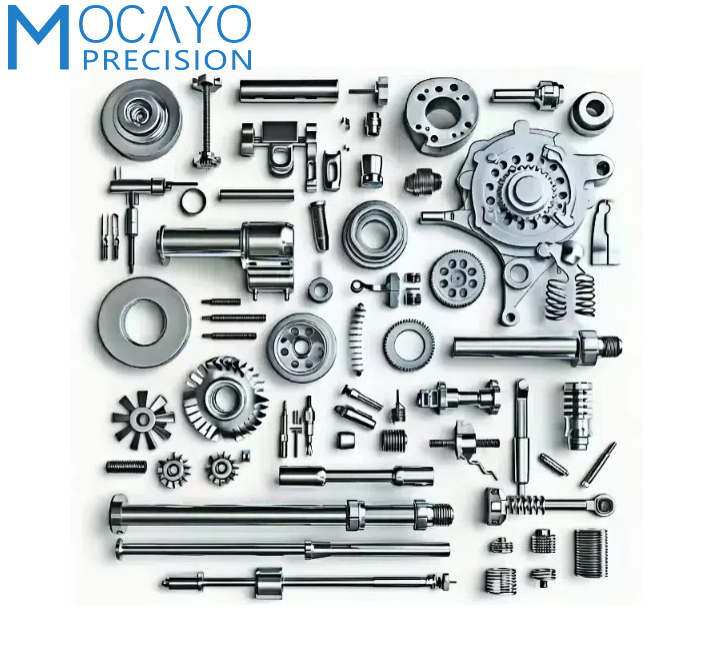
CNC Parts refer to components manufactured using CNC machine tools. These parts undergo computer-controlled precision machining processes such as cutting and milling, resulting in extremely high dimensional accuracy and surface finish. The production process for CNC parts does not require molds, making them suitable for customized production of multiple varieties, small batches, and even large volumes.
What are CNC Parts?
CNC Parts refer to components manufactured using CNC machine tools. These parts undergo computer-controlled precision machining processes such as cutting and milling, resulting in extremely high dimensional accuracy and surface finish. The production process for CNC parts does not require molds, making them suitable for customized production of multiple varieties, small batches, and even large volumes.
Common CNC parts available in the market include:
Precision shaft components, threaded parts, housings
Structural brackets, connectors, clips
Functional components such as heat sinks, slides, and transmission assemblies
These components are widely used in industries such as medical, aerospace, automotive, electronics, and industrial automation.
Performance and Advantages of CNC Parts
The core advantages of CNC parts are mainly reflected in the following aspects:
The core advantages of CNC parts are mainly reflected in the following aspects:
High precision and consistency
The CNC control system can accurately position each processing operation to ensure that the dimensions of the parts are strictly consistent, which is suitable for industries with extremely high requirements for fit and assembly accuracy.
The CNC control system can accurately position each processing operation to ensure that the dimensions of the parts are strictly consistent, which is suitable for industries with extremely high requirements for fit and assembly accuracy.
Good surface quality
The surface of parts processed by CNC machine tools is smooth with very few burrs, eliminating the need for complex post-processing and improving the overall aesthetics and functionality of the product.
The surface of parts processed by CNC machine tools is smooth with very few burrs, eliminating the need for complex post-processing and improving the overall aesthetics and functionality of the product.
High Adaptability
Whether it involves complex geometric shapes or special materials, CNC machining can handle them with ease, meeting a wide range of customization needs.
Whether it involves complex geometric shapes or special materials, CNC machining can handle them with ease, meeting a wide range of customization needs.
Quick Delivery
Thanks to automation and efficient control, CNC machining offers short lead times and high efficiency, making it particularly suitable for businesses that need to respond quickly to market demands.
Thanks to automation and efficient control, CNC machining offers short lead times and high efficiency, making it particularly suitable for businesses that need to respond quickly to market demands.
Applications of CNC in Modern Manufacturing
The answer to the question “What does CNC stand for?” is not merely an explanation of an acronym but a reflection of the intelligent trend in modern manufacturing. Through CNC technology, the rapid transformation from drawings to physical products is achieved, significantly enhancing production flexibility and response speed.
The answer to the question “What does CNC stand for?” is not merely an explanation of an acronym but a reflection of the intelligent trend in modern manufacturing. Through CNC technology, the rapid transformation from drawings to physical products is achieved, significantly enhancing production flexibility and response speed.
Industrial Equipment Manufacturing
CNC is widely used in the production of mechanical structural components, fasteners, and precision connectors, ensuring the stable operation of equipment.
Automotive Industry
In core components such as engines, transmissions, and chassis systems, CNC parts ensure vehicle performance through their high strength and precision.
In core components such as engines, transmissions, and chassis systems, CNC parts ensure vehicle performance through their high strength and precision.
Electronics
CNC machining technology is widely adopted for the casings, brackets, and cooling systems of consumer electronics such as smartphones and computers.
CNC machining technology is widely adopted for the casings, brackets, and cooling systems of consumer electronics such as smartphones and computers.
Medical Equipment
CNC machining meets the stringent requirements of the medical industry for high cleanliness and precision components, such as surgical instruments and implant components.
CNC machining meets the stringent requirements of the medical industry for high cleanliness and precision components, such as surgical instruments and implant components.
Looking for custom CNC parts? Learn CNC machine what does CNC stand for and boost your project with our precision-engineered components.
Prevents Vibration Loosening: Securely Locked Fasteners
Selecting The Right Fasteners For Each Task
Related Article
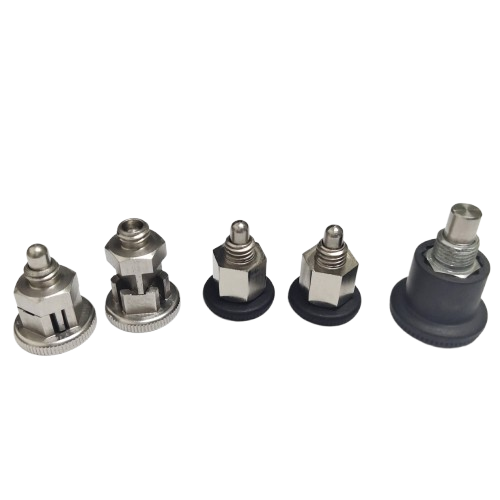
Explore the application of stainless steel materials for customizing mini indexing plungers based on specific operational environments and suitable spaces.
How To Make A Mini Indexing Plunger
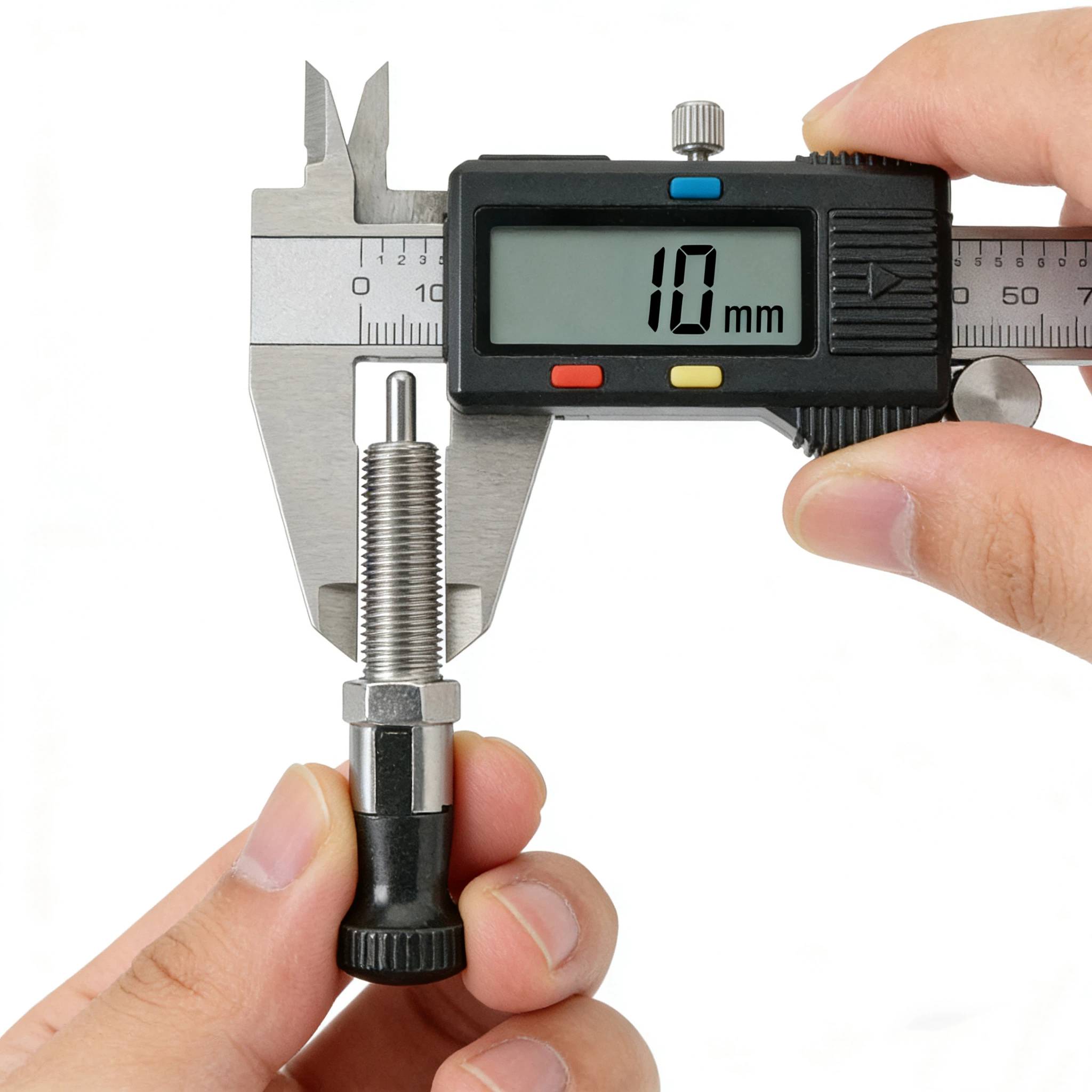
Discover how to choose correct size for indexing elements with confidence. Get precise recommendations that improve positioning accuracy, durability, and overall system performance.
How To Choose Correct Size For Indexing Elements