CNC Machining Materials
author: Fiona Yang
2025-09-02
CNC Machining Materials
One of the most critical decisions you'll make when embarking on a CNC machining project is material selection. The right material not only ensures part functionality and durability but also significantly impacts machining processes, costs, and lead times. At Mocayo, we utilize a wide range of materials to bring your precise designs to life.
You can choose based on the following material and ideal application descriptions.
Aluminum: Aluminum is a popular material in machining, renowned for its excellent strength-to-weight ratio, good corrosion resistance, and exceptional machinability. Common alloys include 6061, 7075, and 6082. Key attributes include lightweight, easy machining, and good thermal and electrical conductivity. Applications include aerospace components, automotive parts, consumer electronics housings, and structural frames.
Stainless steel: Stainless steel is an ideal choice for parts requiring exceptional strength, corrosion resistance, and a professional appearance. Common alloys include 304 (general purpose), 316 (marine grade), 303 (improved machinability), and 17-4 PH (precipitation hardenable). Key attributes include high strength, excellent corrosion resistance, and hardenability. Used in medical devices, food processing equipment, marine hardware, and surgical components.
Carbon Steel: Carbon steel offers high strength and wear resistance at a lower cost than stainless steel, making it an ideal choice for heavy-duty industrial applications. Common alloys include 1018, 1045, and A36. Key characteristics include being very strong, durable, and economical. However, it can rust easily without a protective coating. Used in gears, shafts, bolts, and tools.
Brass: Known for its aesthetics and excellent machinability, brass is often used for decorative parts or where low friction is required. Key characteristics include excellent machinability, good corrosion resistance, natural lubricity, and electrical conductivity. Used in electrical connectors, plumbing fittings, decorative hardware, and musical instruments.
Titanium: Titanium boasts the highest strength-to-weight ratio of all metals and exceptional corrosion resistance, making it a top choice for demanding applications. Common alloys include Grade 2 and Grade 5 (Ti-6Al-4V). Key characteristics include being extremely strong yet lightweight, biocompatible, and corrosion-resistant. However, it can be challenging to machine. Used in aerospace fasteners, medical implants, high-performance automotive components, and chemical processing parts.
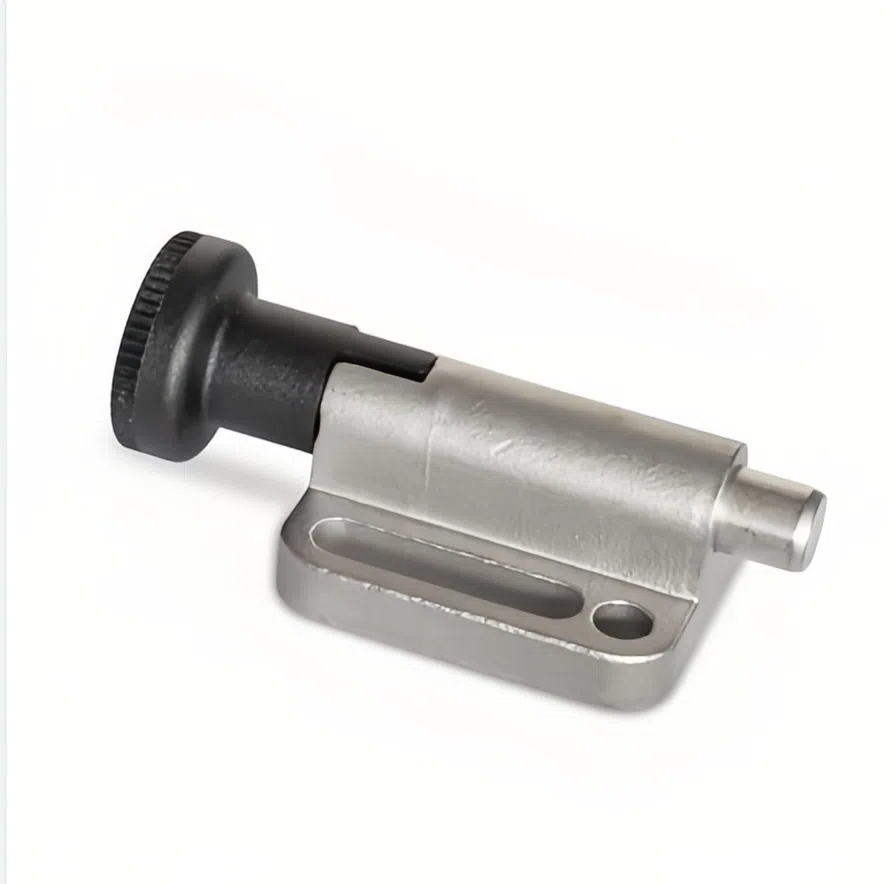
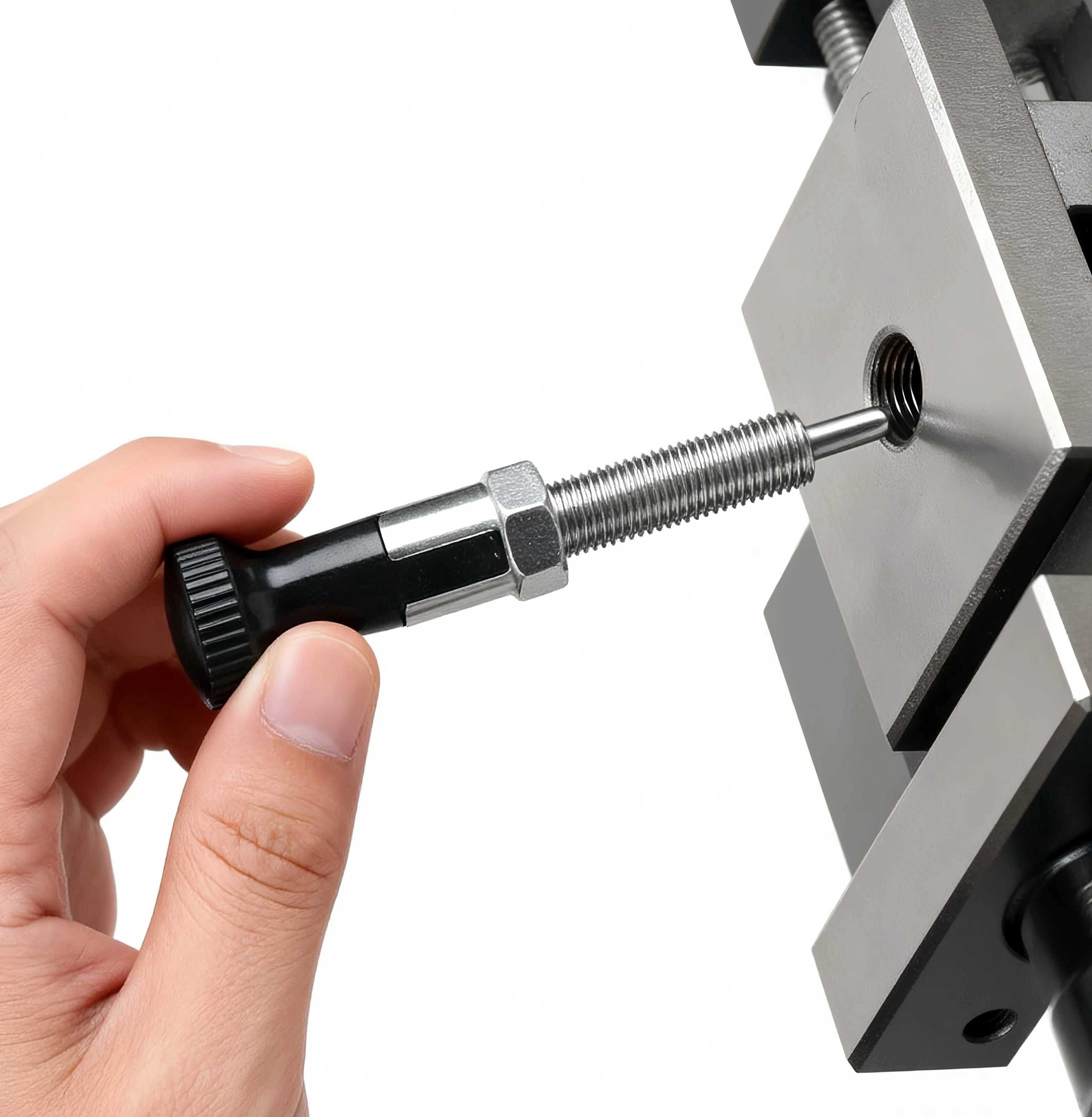
Even the quality of a well-machined part depends on how it fits. This is crucial for precision machined components. For example, in jigs, fixtures, and fixtures, fast and secure locking and positioning are crucial.
These devices provide repeatable protruding force for positioning or applying pressure to workpieces. The hardened steel ball or nose at the tip ensures smooth engagement and long life, making them ideal for applications such as locking hinged panels or providing a stop in rotating mechanisms.
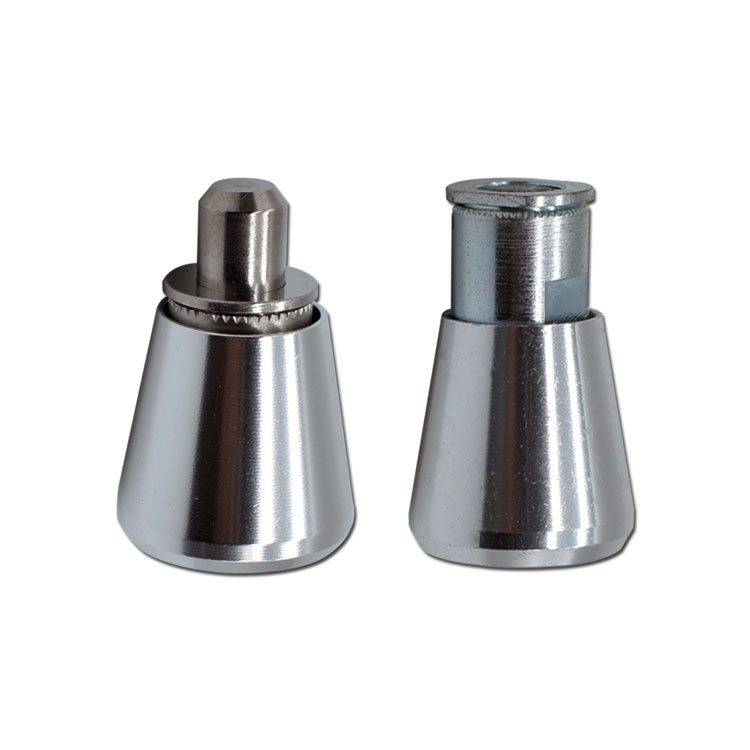
Designed for quick engagement and disengagement, these pins feature a push-button mechanism that retracts the ball bearing, allowing them to be inserted or removed from the hole with a simple push. They are essential for securing parts in CNC machining fixtures, molds, and assemblies, especially when tool changes require fast and accurate changes.

At Mocayo, we don't just machine parts; we provide complete solutions. Contact us!
What Does Cnc Stand For In Engineering
Line Array Speaker System
Related Article
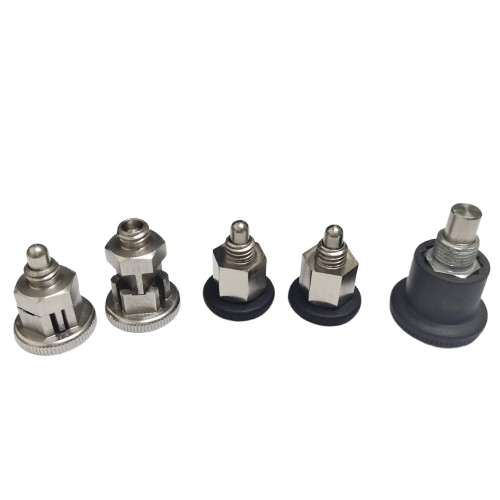
Explore the application of stainless steel materials for customizing mini indexing plungers based on specific operational environments and suitable spaces.
How To Make A Mini Indexing Plunger
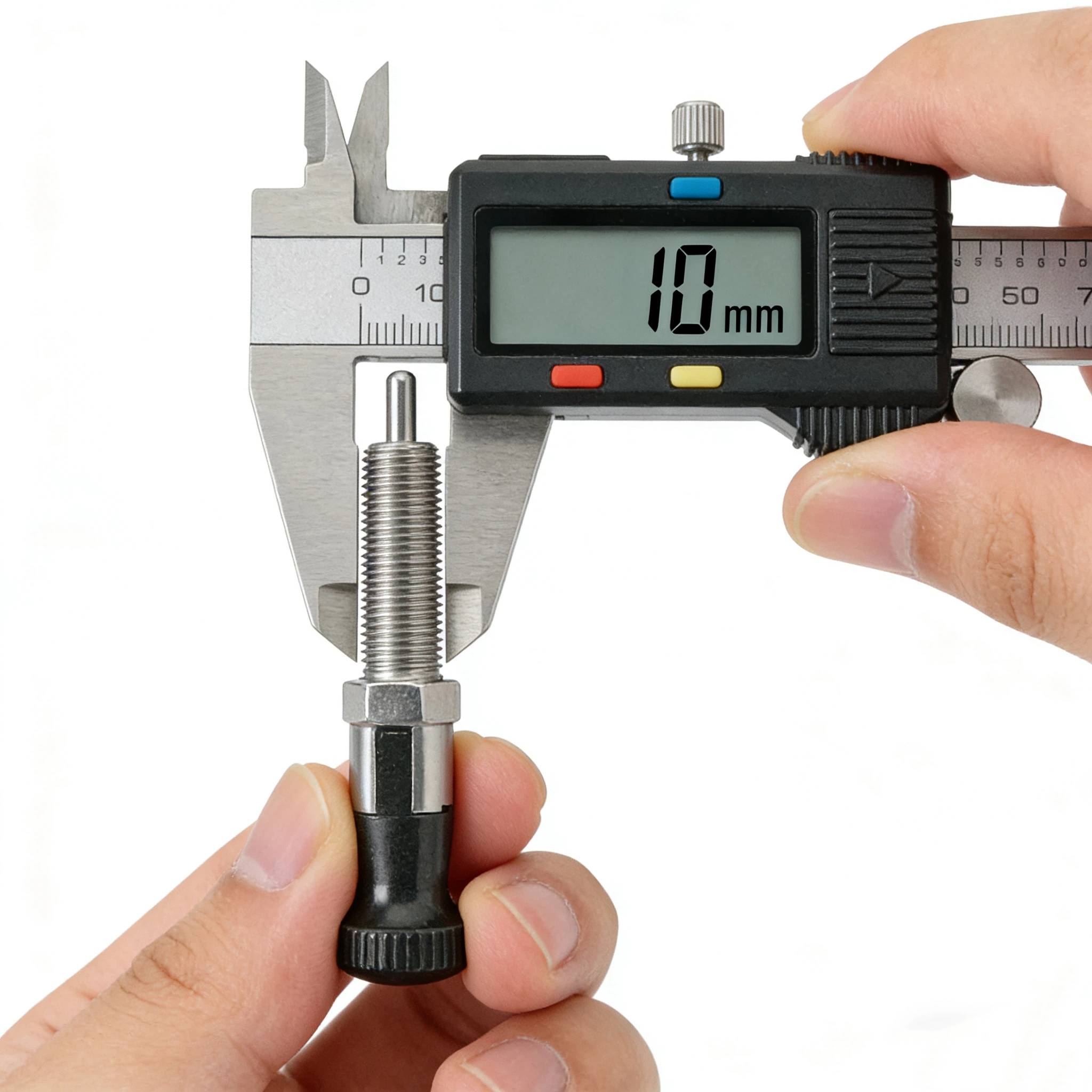
Discover how to choose correct size for indexing elements with confidence. Get precise recommendations that improve positioning accuracy, durability, and overall system performance.
How To Choose Correct Size For Indexing Elements