Conveyor Ball Transfer
author: Lucia Liu
2025-09-17
Conveyor Ball Transfer
In modern logistics, manufacturing and warehousing industries, how to realise fast and flexible material handling has always been an important topic to improve production efficiency. As the demand for automation and flexibilisation increases, the conveyor ball transfer (multi-directional ball transfer system) has become the ideal choice for many companies to optimise their production lines and logistics systems due to its simple structure, easy operation and wide range of applications.

Conveyor Ball Transfer Concept and Working Principle
1. Basic Concept
Conveyor ball transfer is a kind of conveyor device which is made up of a large number of freely rotatable steel balls. Through the 360° flexible rotation of each ball, the goods can be easily moved forward and backward, left and right, and diagonally on the conveyor platform, avoiding the directional limitation of traditional unidirectional conveyor belts.
2. Main Structure
The system usually consists of a support shell, a load-bearing steel ball, an auxiliary small ball and a ball rest. Each steel ball is mounted in a separate seat and can be rotated independently. When an object is placed on these balls, the friction is extremely low, and multi-directional movement can be achieved by gently pushing.
3. Principle of operation
Conveyor ball transfer carries the weight of the goods through each individual ball transfer unit. The main ball rolls freely in the carrier while the secondary balls provide smooth support, enabling smooth steering and conveying of goods in any direction. This design makes complex material handling efficient and labour-saving.
Advantages of Ball Transfer Unit
1. Omni-directional movement
Ball transfer unit is able to rotate 360° to realise multi-directional flexible handling, which is not limited by the conveying direction and greatly improves the operation efficiency.
2. Reduced friction and labour saving
Compared with the traditional roller or belt conveyor, the rolling friction coefficient of the steel ball is low, so the staff only need to push slightly to transfer the goods.
3. Flexible installation
It can be used individually or combined into a complete set of conveying platforms, adapting to production sites of different sizes and space requirements.
4. Easy Maintenance
Simple structure and durable components, only need regular cleaning to maintain smooth operation.
Wide range of application scenarios
1. Logistics and warehousing
In large warehouses and sorting centres, the conveyor ball transfer is used for loading, unloading, packing and sorting goods. Staff can move bulky boxes or pallets with a simple push, saving labour.
1. Logistics and warehousing
In large warehouses and sorting centres, the conveyor ball transfer is used for loading, unloading, packing and sorting goods. Staff can move bulky boxes or pallets with a simple push, saving labour.
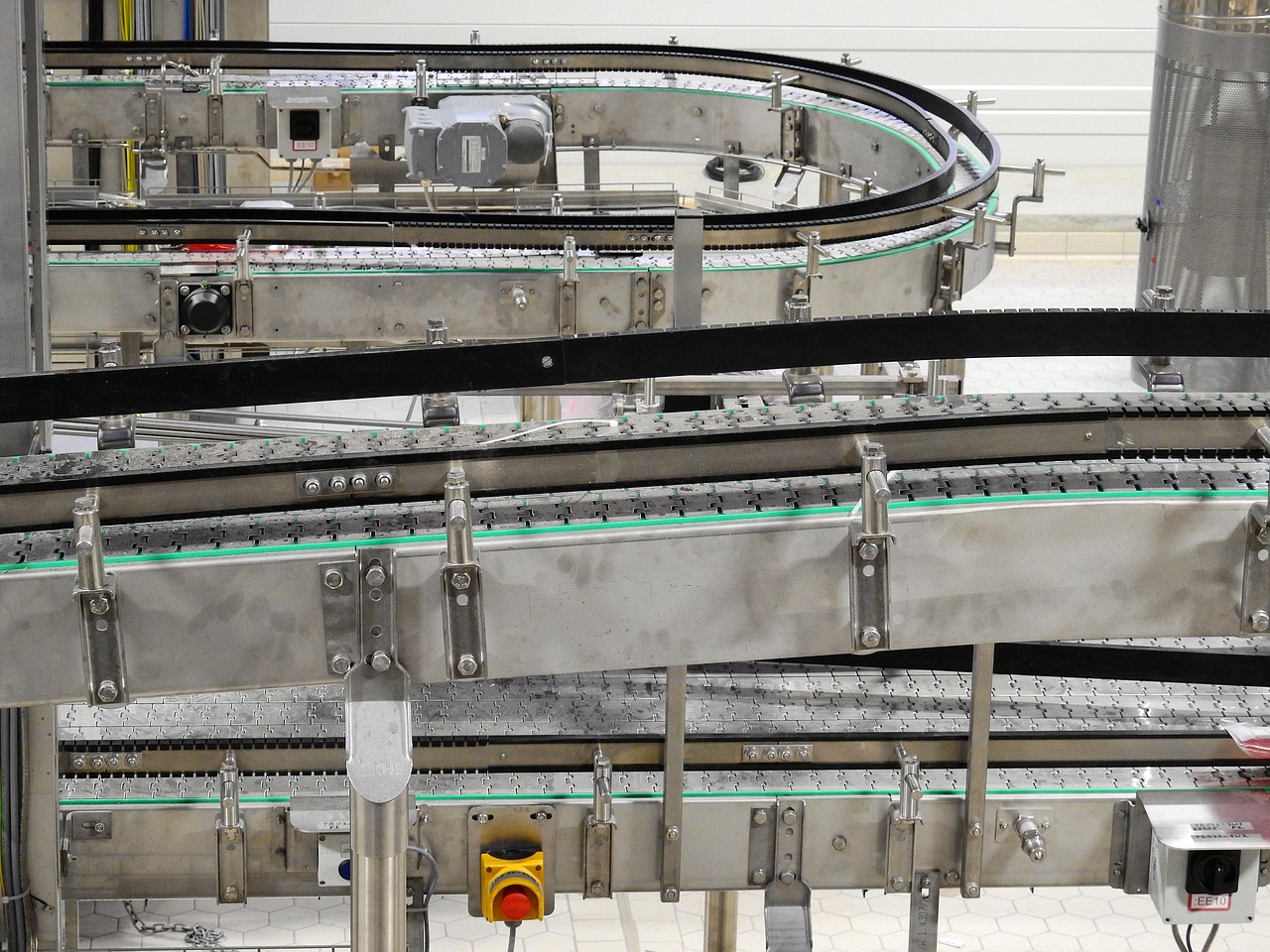
2. Manufacturing line
Manufacturing industries often require frequent transfer of workpieces between multiple processes. The multi-directional movement of the ball transfer unit dramatically reduces handling time and improves overall production efficiency.
3. Airport and postal industry
In airport baggage handling and postal sorting, the ball transfer unit enables fast multi-directional turning to ensure a smooth flow of parcels and baggage during busy peak periods.
Improve efficiency with heavy-duty conveyor ball transfer components—smooth motion, quick installation, and reliable performance.
How Can You Trust The Quality Of CNC Parts You Buy Online
How Much Do Custom Machined Parts Really Cost
Related Article
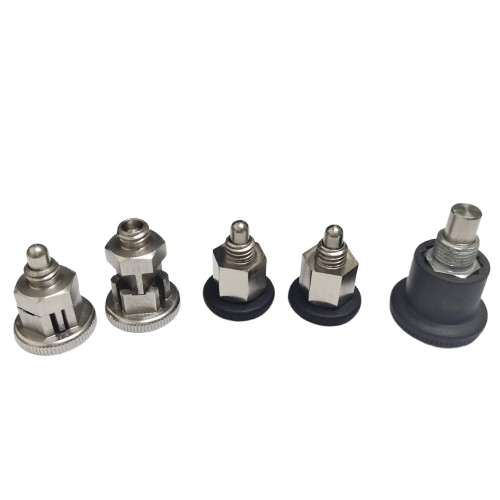
Explore the application of stainless steel materials for customizing mini indexing plungers based on specific operational environments and suitable spaces.
How To Make A Mini Indexing Plunger
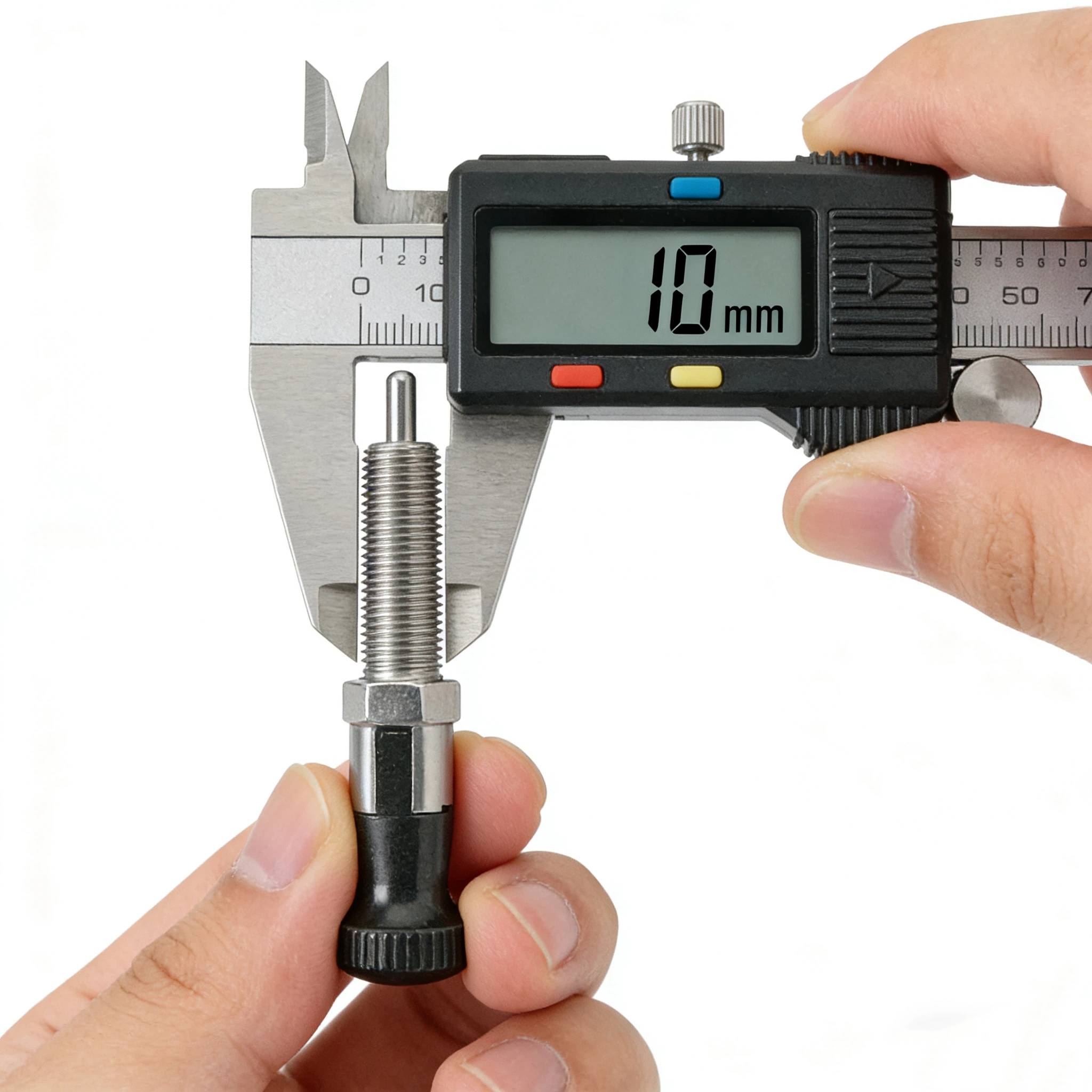
Discover how to choose correct size for indexing elements with confidence. Get precise recommendations that improve positioning accuracy, durability, and overall system performance.
How To Choose Correct Size For Indexing Elements