Density Steel
author: Lucia Liu
2025-08-12
Density Steel
In modern industrial manufacturing, steel remains one of the most important structural and processing materials. Whether in large-scale machinery and equipment, building structures, or precision mechanical parts, the properties of steel directly impact the quality and service life of the product. One of the key physical parameters is density. This article will focus on Density Steel and, in conjunction with Mocayo Company's precision positioning products—index plungers—delve into their significance in real-world industrial applications.
Definition of Steel Density
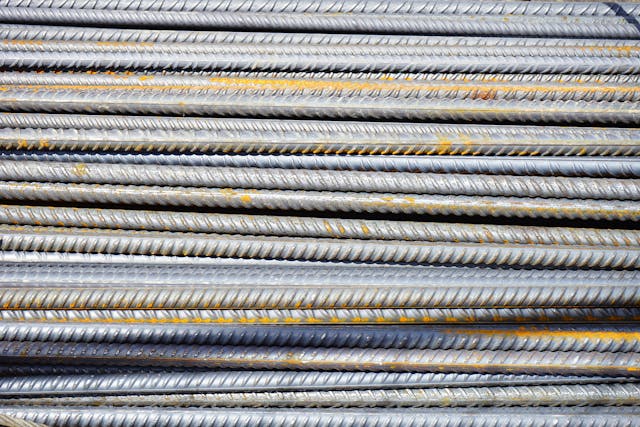
Steel density refers to the mass per unit volume of steel, typically measured in grams per cubic centimeter (g/cm³) or kilograms per cubic meter (kg/m³). The density of common carbon steel is approximately 7.85 g/cm³, while stainless steel, due to variations in composition, may have slightly different densities; for example, the density of 304 stainless steel is approximately 7.93 g/cm³.
Steel density refers to the mass per unit volume of steel, typically measured in grams per cubic centimeter (g/cm³) or kilograms per cubic meter (kg/m³). The density of common carbon steel is approximately 7.85 g/cm³, while stainless steel, due to variations in composition, may have slightly different densities; for example, the density of 304 stainless steel is approximately 7.93 g/cm³.
Density is one of the key indicators for assessing the quality of steel. It not only affects the material's weight but is also related to its mechanical properties, processing methods, and cost. For engineers, accurately understanding the density of steel can assist in making reasonable material selections during the design and manufacturing processes. Engineered density steel and indexing plungers for precision fastening, smooth adjustments, and durability in challenging environments.
Comparison of the densities of different types of steel
Carbon steel: approximately 7.85 g/cm³
Carbon steel: approximately 7.85 g/cm³
304 stainless steel: approximately 7.93 g/cm³
316 stainless steel: approximately 7.98 g/cm³
High-alloy steel: density varies depending on alloy composition, with a wider range
This difference is particularly important in fields where weight must be strictly controlled (such as aerospace and precision instrument manufacturing).
Introduction to Mocayo Index Plungers
About Mocayo
Shenzhen Mocayo Precision Technology Co., Ltd. was established in 2012, specializing in the research, development, production, and sales of precision tools and mechanical components. Over the years, the company has been committed to providing customers with high-precision, durable mechanical positioning and locking components, which are widely used in mechanical manufacturing, mold processing, automation equipment, aerospace, and other fields.
Among its many products, index plungers are one of Mocayo's core series, highly favored by domestic and international customers for their precise positioning functionality and stable performance.
Index Plungers Product Features
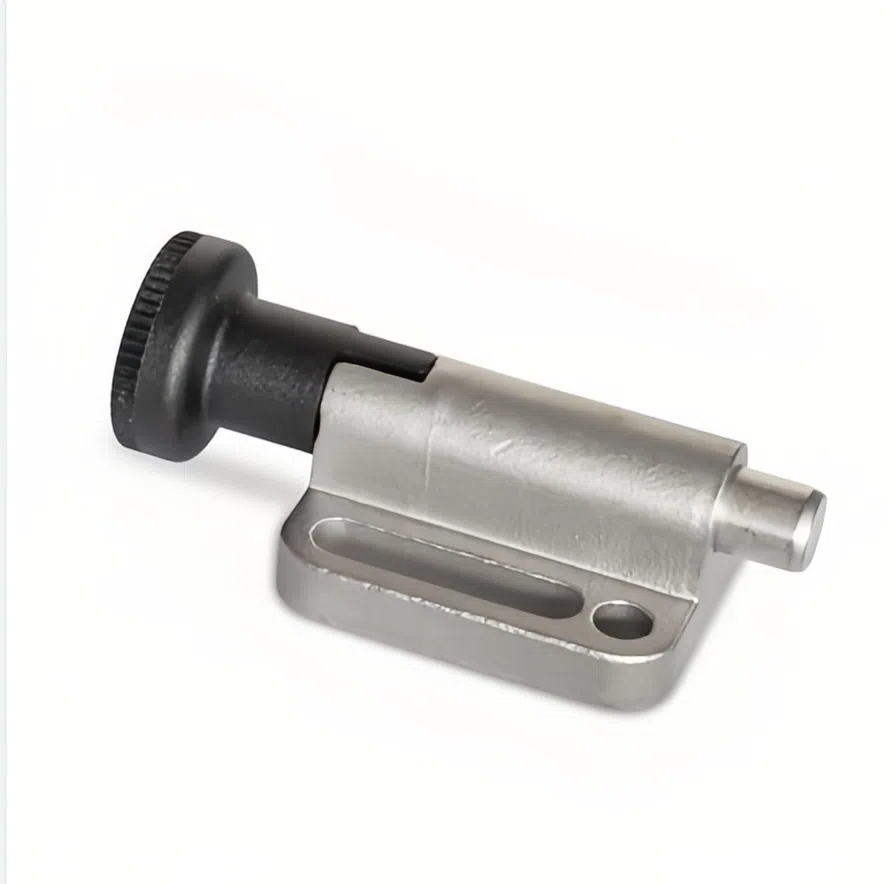
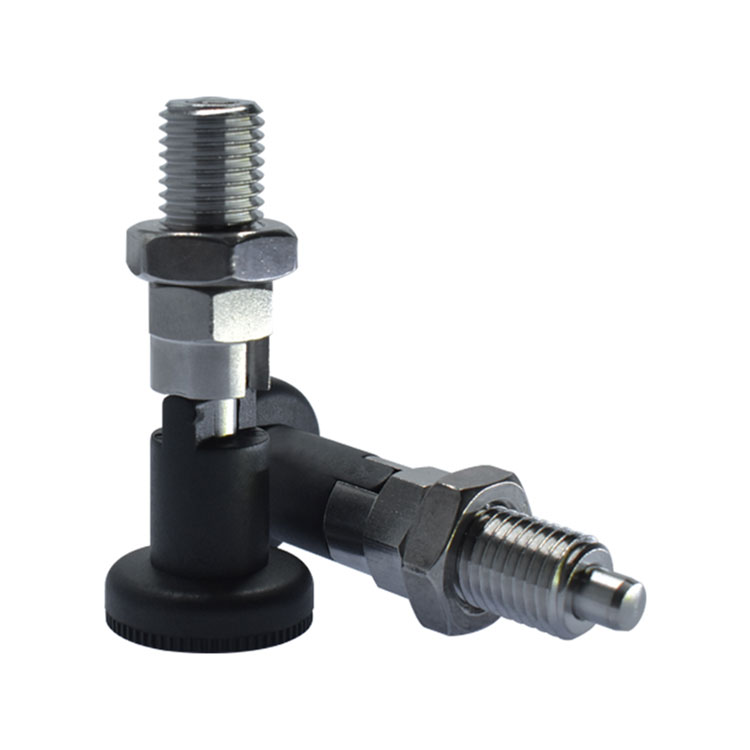
Index plungers are mechanical components used for precise positioning and locking of component locations. Their basic structure includes: pins, springs, housings, and operating handles (or pull rings, knobs, etc.).
Index plungers are mechanical components used for precise positioning and locking of component locations. Their basic structure includes: pins, springs, housings, and operating handles (or pull rings, knobs, etc.).
Mocayo's index plungers offer the following advantages:
High-quality materials: Typically made of stainless steel or high-strength carbon steel, combining corrosion resistance with mechanical strength.
High-precision manufacturing: Strict control of dimensional tolerances ensures precise positioning.
Diverse options: Available in various diameters, stroke lengths, surface treatments, and operating methods.
Durable and reliable: Springs have a long service life, maintaining smooth operation even after prolonged use.

Main Applications of Index Plungers
Index plungers are widely used in various industrial fields, including:
Index plungers are widely used in various industrial fields, including:
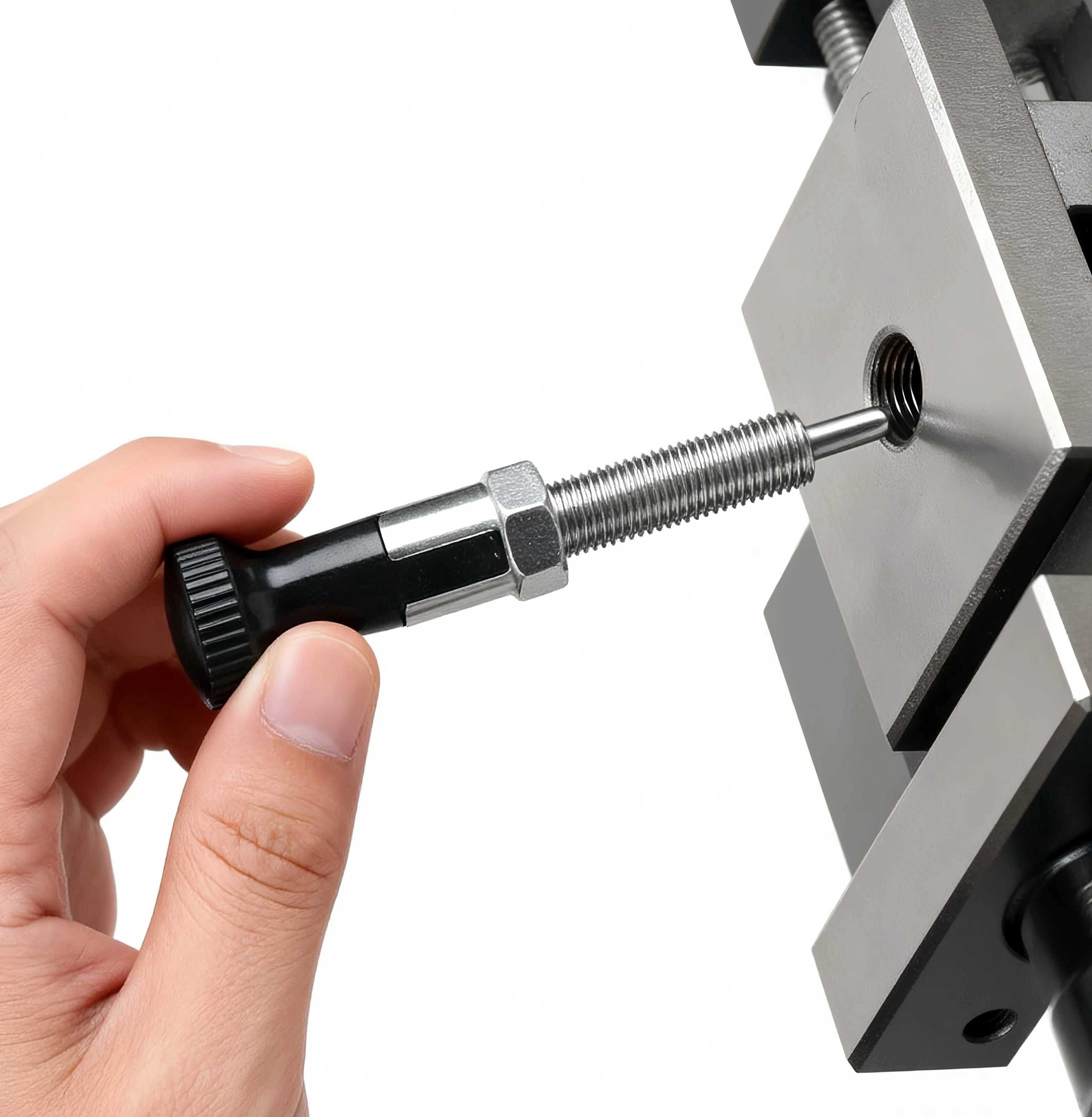
- Fixture positioning: Enabling quick and precise positioning of parts during CNC machining or assembly processes.
- Mechanical component indexing: Controlling rotating components to stop at predetermined angles, ensuring precision in repetitive operations.
- Automated equipment adjustment: Enabling quick adjustment of component height or position.
- Mold and fixture operation: Facilitating quick switching and positioning of different processing modules during production.
From materials science to mechanical engineering, the importance of Density Steel is evident throughout every stage of the process. Precision components such as index plungers are the key tools that transform these material properties into actual productivity. Mocayo, with its professional manufacturing capabilities and rigorous quality management, provides high-quality positioning solutions to customers worldwide, helping industrial production become more efficient, precise, and reliable.
Locking In CNC Accuracy
Cnc Accessories
Related Article
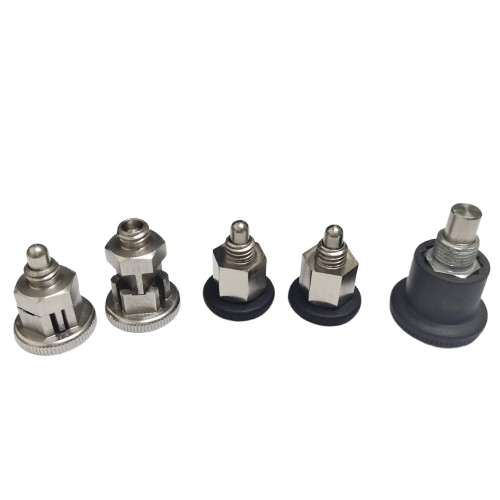
Explore the application of stainless steel materials for customizing mini indexing plungers based on specific operational environments and suitable spaces.
How To Make A Mini Indexing Plunger
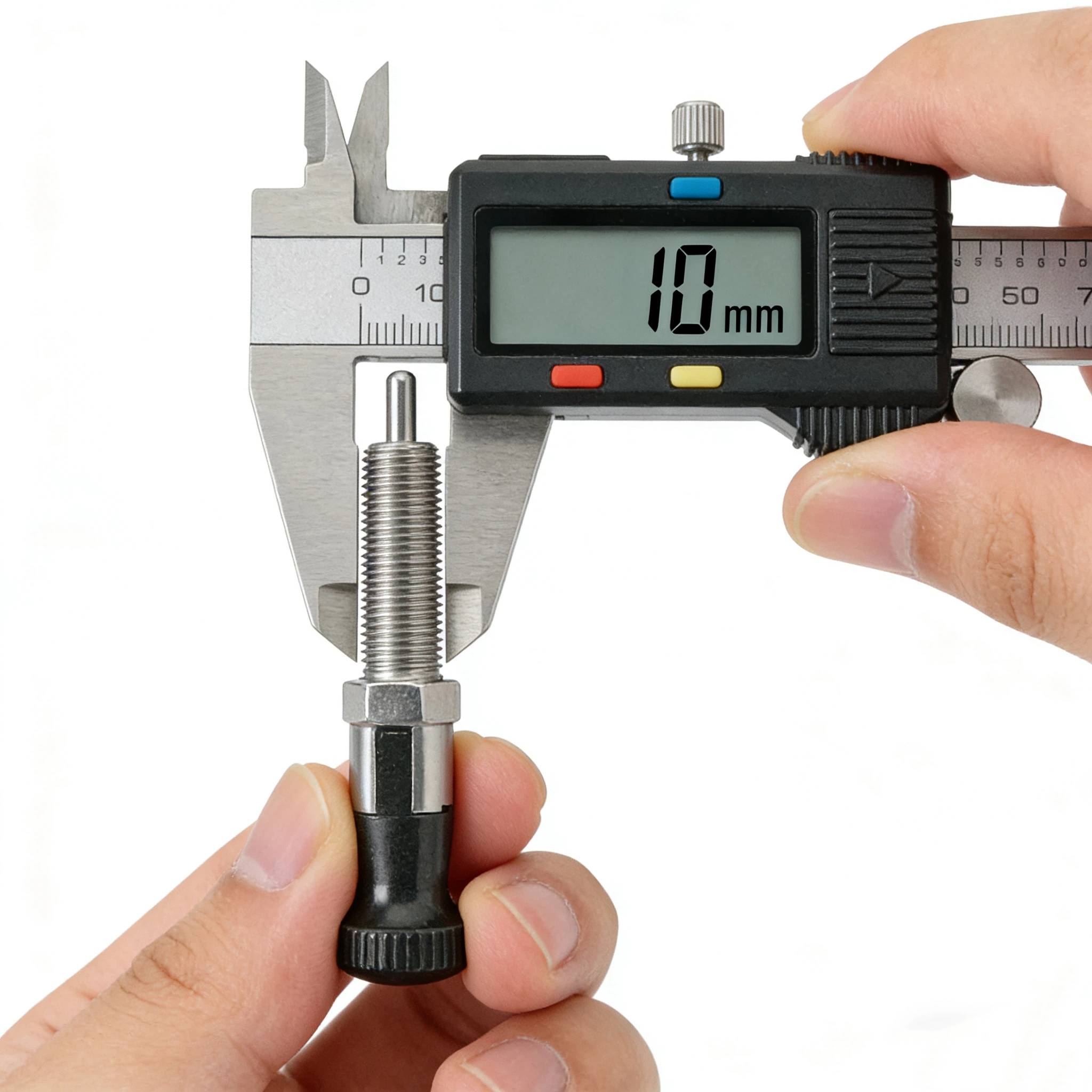
Discover how to choose correct size for indexing elements with confidence. Get precise recommendations that improve positioning accuracy, durability, and overall system performance.
How To Choose Correct Size For Indexing Elements