Difference Between Ball Plungers and Spring Plungers
author: Lucia Liu
2025-10-16
Table of Contents
1. Product Definition & Composition
2. Differences in Structure & Working Principles
3. Material & Specification Comparison
4. Application Scenarios
5. How to Select the Right Positioning Element
6. FAQ
1. Product Definition & Composition
2. Differences in Structure & Working Principles
3. Material & Specification Comparison
4. Application Scenarios
5. How to Select the Right Positioning Element
6. FAQ
Difference Between Ball Plungers and Spring Plungers
In modern mechanical manufacturing and assembly processes, ball plungers and spring plungers are common yet critical positioning components. They achieve controlled positioning, limiting, and fixing functions through the mechanical force of internal springs, finding widespread application in automation equipment, tooling fixtures, electronic assemblies, mold manufacturing, and numerous other fields. Although their names are similar, they exhibit distinct differences in structure, performance, and application.
Product Definition & Composition
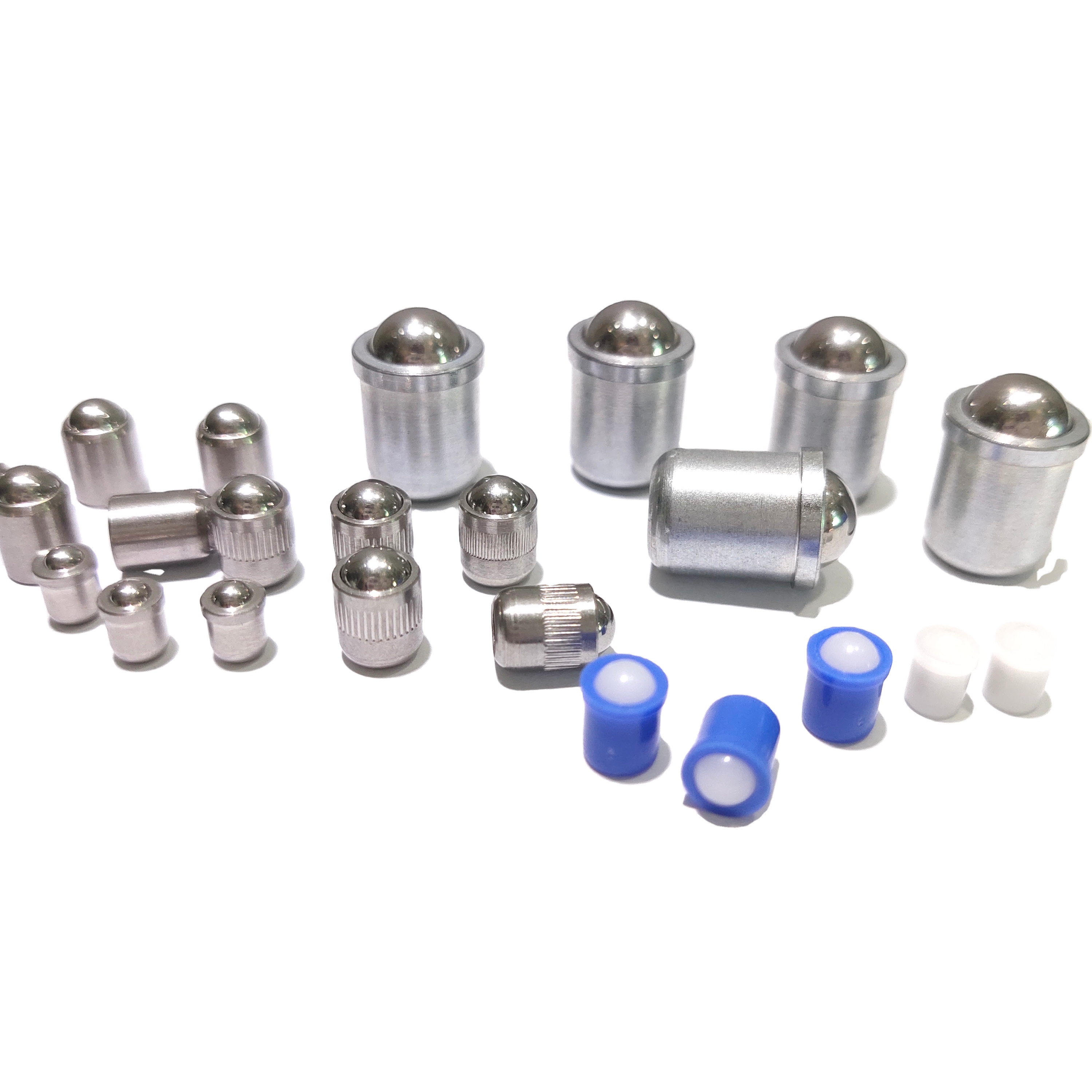
Ball Plungers, as the name suggests, feature a core “ball” design. They typically consist of a metal housing, an internal spring, and a movable hardened steel ball. When external force acts upon the ball, the spring compresses. Upon release of the force, the spring's elasticity returns the ball to its original position, enabling both positioning and reset functions. This structure makes Ball Plungers particularly effective in applications requiring smooth sliding or adjustable positioning.
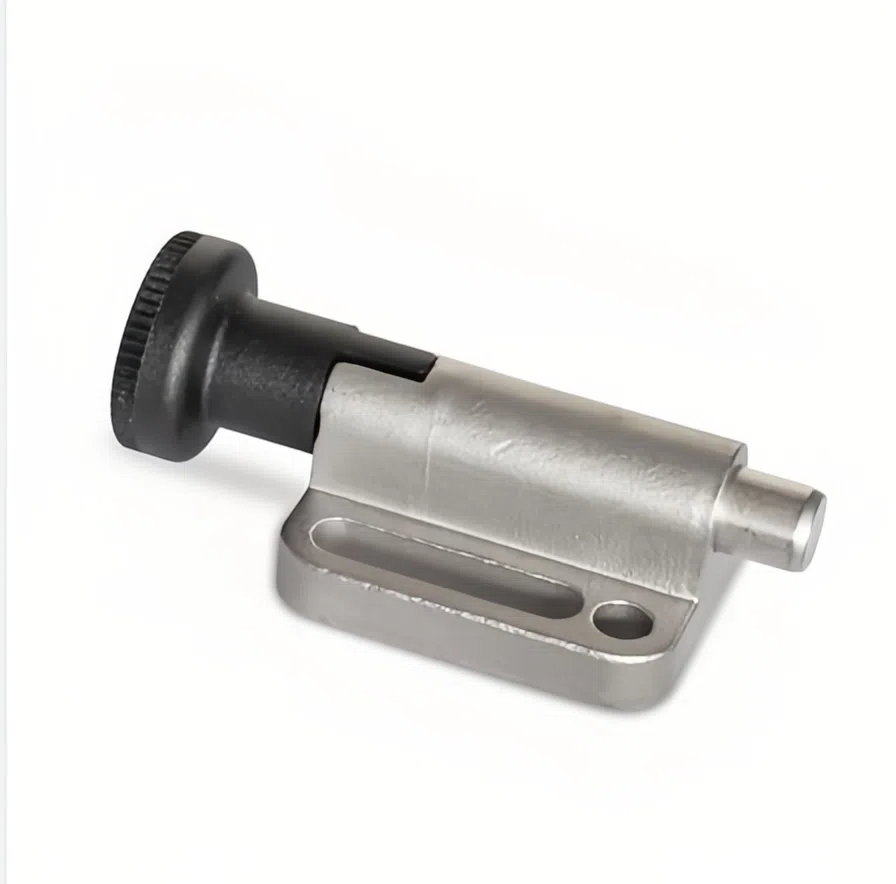
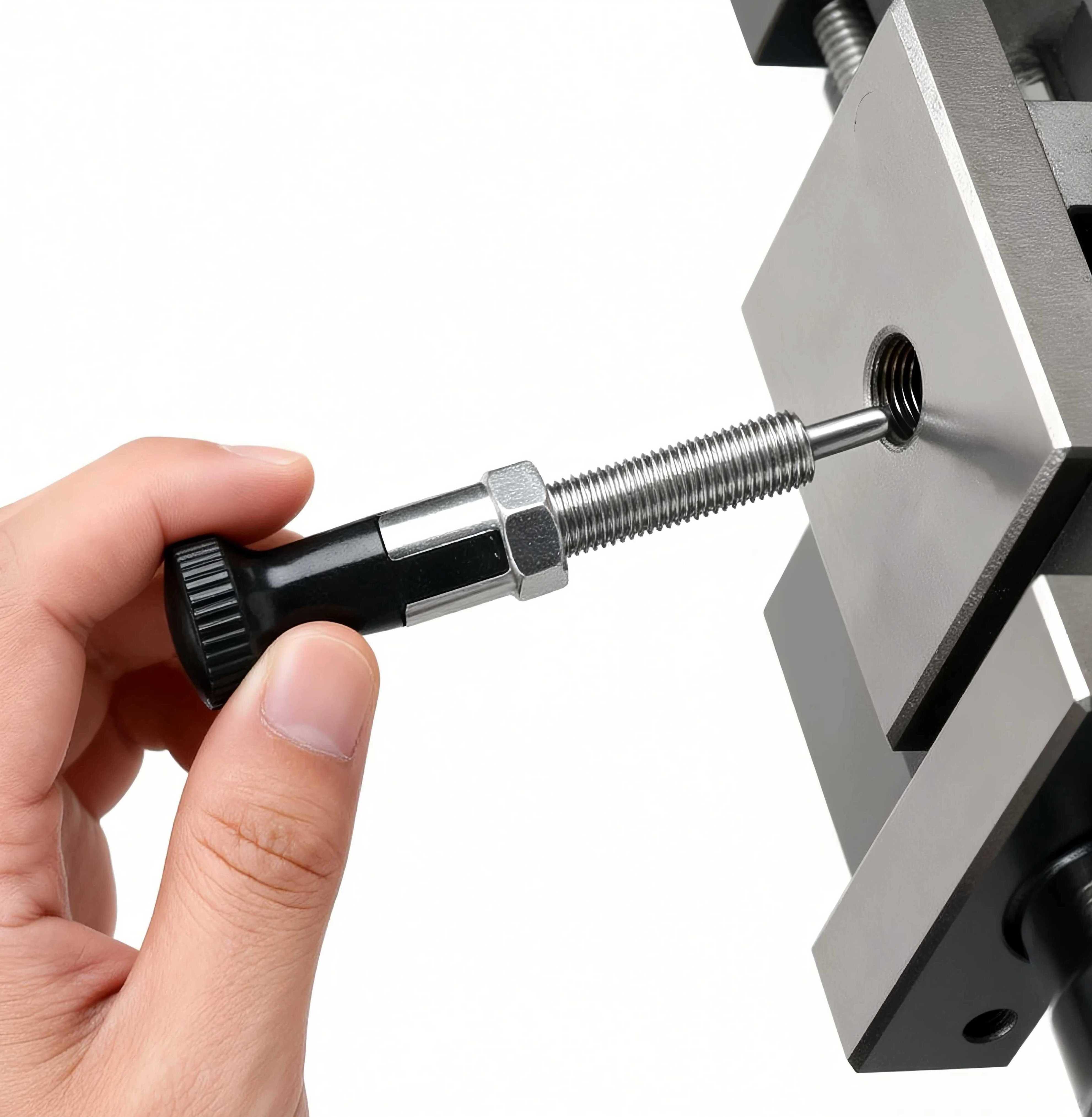
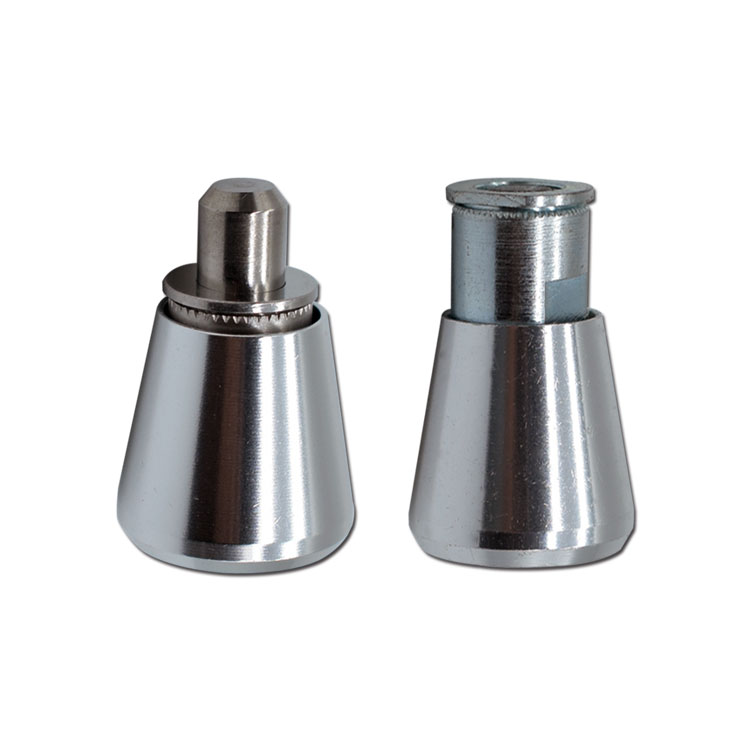
In contrast, Spring Plungers feature a more straightforward construction. They consist of a metal plunger head and an internal spring, with the plunger head available in flat, tapered, or neoprene configurations. This design enables precise limiting and locking within mechanical structures. Characterized by stable positioning and high load-bearing capacity, they are well-suited for industrial applications involving frequent start-stop cycles.
Ball Plungers, as the name suggests, feature a core “ball” design. They typically consist of a metal housing, an internal spring, and a movable hardened steel ball. When external force acts upon the ball, the spring compresses. Upon release of the force, the spring's elasticity returns the ball to its original position, enabling both positioning and reset functions. This structure makes Ball Plungers particularly effective in applications requiring smooth sliding or adjustable positioning.
In contrast, Spring Plungers feature a more straightforward construction. They consist of a metal plunger head and an internal spring, with the plunger head available in flat, tapered, or neoprene configurations. This design enables precise limiting and locking within mechanical structures. Characterized by stable positioning and high load-bearing capacity, they are well-suited for industrial applications involving frequent start-stop cycles.
Differences in Structure & Working Principles
Although both rely on spring elastic force as their core principle, Ball Plungers utilize spherical contact surfaces, resulting in lower friction during engagement. This enables smoother motion and finer adjustments. For instance, in adjustable assemblies or rotary mechanisms, Ball Plungers effectively reduce wear while maintaining stable return force.
Although both rely on spring elastic force as their core principle, Ball Plungers utilize spherical contact surfaces, resulting in lower friction during engagement. This enables smoother motion and finer adjustments. For instance, in adjustable assemblies or rotary mechanisms, Ball Plungers effectively reduce wear while maintaining stable return force.


Spring Plungers are more commonly employed in applications requiring fixed positioning. Due to the larger contact area between the plunger head and the contact surface, they provide higher slip resistance and more precise positioning. In many precision fixtures or mechanical guide structures, the rigidity and stability of Spring Plungers make them an ideal choice.
Material & Specification Comparison
In terms of material, Ball Plungers typically feature stainless steel or carbon steel housings or steel alloy, with balls made from hardened steel or stainless steel to enhance wear resistance and service life. Spring Plungers, on the other hand, commonly utilize stainless steel or alloy steel housings. Their heads can be configured with nylon or metal options based on the operating environment, accommodating varying surface hardness and friction requirements.
In terms of material, Ball Plungers typically feature stainless steel or carbon steel housings or steel alloy, with balls made from hardened steel or stainless steel to enhance wear resistance and service life. Spring Plungers, on the other hand, commonly utilize stainless steel or alloy steel housings. Their heads can be configured with nylon or metal options based on the operating environment, accommodating varying surface hardness and friction requirements.
Ball Plungers and Spring Plungers share similar functions but have distinct application focuses.
- Machine Manufacturing & Fixture Systems: Both are used for part positioning and limit control.
- Automation Equipment: Spring Plungers enable precise positioning in assembly and feeding mechanisms, while Ball Plungers are employed in adjustable sliding components.
- Mold and Electronics Industries: Spring Plungers facilitate mold guidance and positioning, whereas Ball Plungers suit light-load adjustment components.
- Furniture and Sports Equipment: Ball Plungers provide support and positioning for angle-adjustable components.
How to Select the Right Positioning Element
When selecting a positioning element, judgement should be made based on the application environment and design requirements:
- Ball Plungers are recommended if the system requires low friction, adjustable, smooth sliding.
- If the application emphasises stable locking, repetitive positioning and high resilience support, Spring Plungers are more appropriate.
When selecting a positioning element, judgement should be made based on the application environment and design requirements:
- Ball Plungers are recommended if the system requires low friction, adjustable, smooth sliding.
- If the application emphasises stable locking, repetitive positioning and high resilience support, Spring Plungers are more appropriate.
Boost your production quality using durable ball plungers and spring plungers crafted from stainless steel for precision and longevity.
FAQ
Q: What are the best material for ball plungers?
A: Considering strength, wear resistance, corrosion resistance, and service life comprehensively, the currently most recommended material combination is:
Housing: Stainless Steel SUS303 / SUS304 / SUS316
Spring: Stainless Steel SUS304
Plunger Head: Hardened Stainless Steel or Nylon (depending on application)
Spring: Stainless Steel SUS304
Plunger Head: Hardened Stainless Steel or Nylon (depending on application)
This configuration maintains stable elasticity, wear resistance, and corrosion resistance in most industrial environments, making it the preferred choice for high-end machinery and precision positioning systems.
Q:What's your MOQ of spring plungers and ball plungers?
A: 100-200.
Revolutionizing Mountain Biking: How Quick Release Pins Enhance Performance and Flexibility
The "Invisible Connector" of Modern Offices: The Innovative Application of Indexing Plungers in Desk and Partition Systems
Related Article
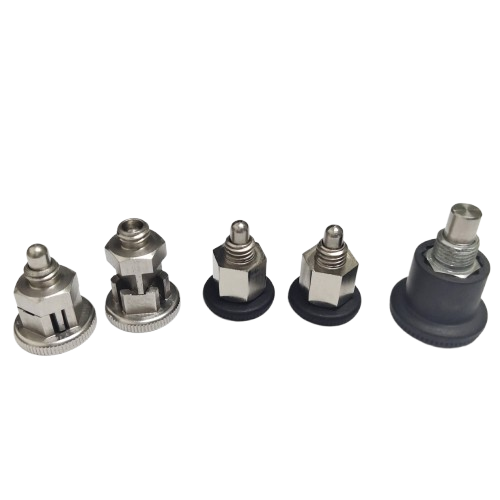
Explore the application of stainless steel materials for customizing mini indexing plungers based on specific operational environments and suitable spaces.
How To Make A Mini Indexing Plunger
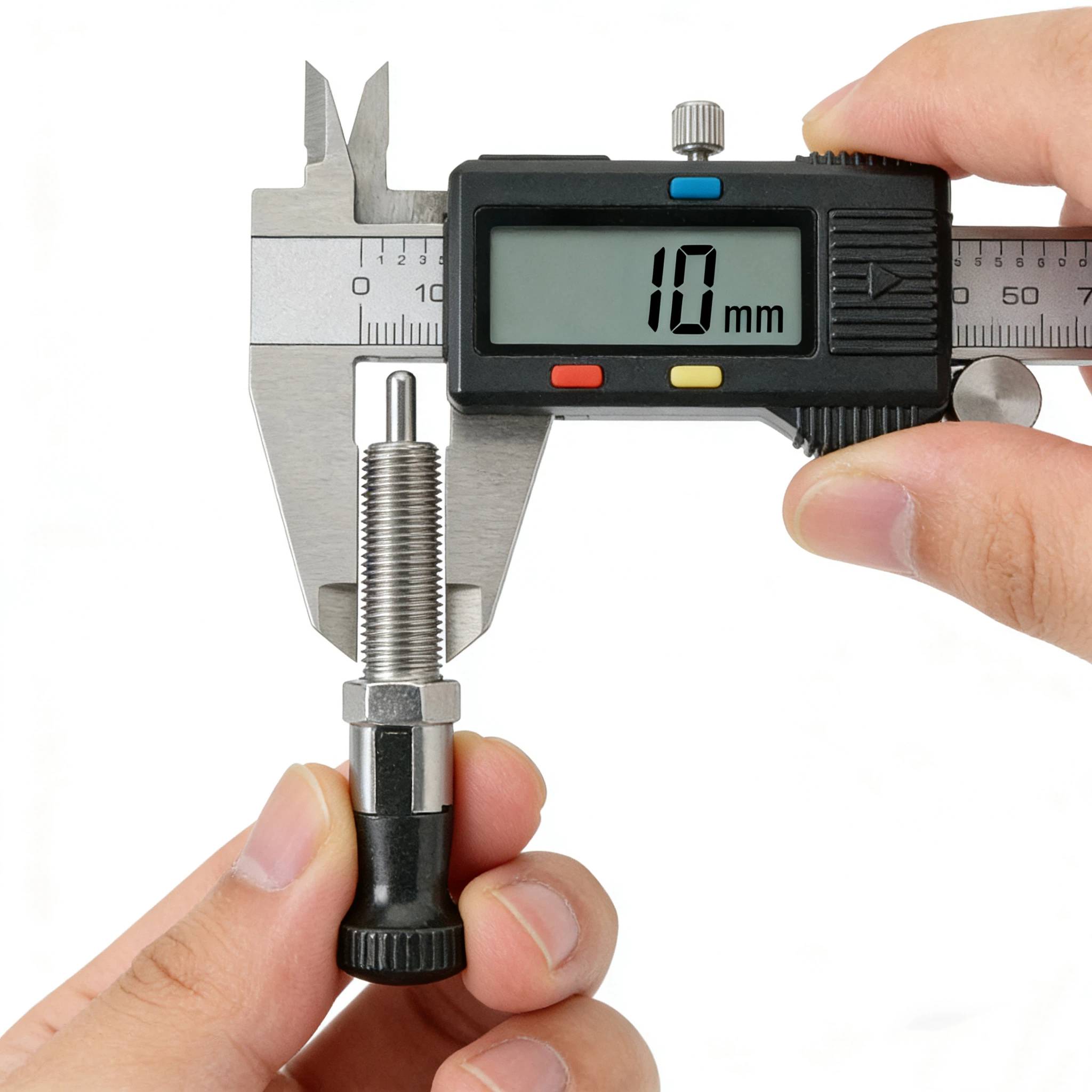
Discover how to choose correct size for indexing elements with confidence. Get precise recommendations that improve positioning accuracy, durability, and overall system performance.
How To Choose Correct Size For Indexing Elements