Difference Between SS 304 And SS 316
author: Lucia Liu
2025-08-07
Difference Between SS 304 And SS 316
In modern manufacturing, stainless steel materials are widely used in mechanical components, industrial parts, tools, and structural components due to their excellent corrosion resistance and mechanical properties. Especially when producing precision mechanical components such as stainless steel index plungers, selecting the appropriate stainless steel grade is critical to product performance and service life. What is the difference between SS 304 and SS 316? How should companies make the right choice in practical applications? This article will take you through the differences between these two common stainless steel grades and, using Mocayo Company products as examples, introduce the practical applications of different materials in index plungers.

What is stainless steel?
Stainless steel is an iron-based alloy steel with a high chromium (Cr) content, offering excellent corrosion resistance, particularly in humid or corrosive environments. Different types of stainless steel materials vary in composition, resulting in differing properties and suitability for specific applications.
Stainless steel is an iron-based alloy steel with a high chromium (Cr) content, offering excellent corrosion resistance, particularly in humid or corrosive environments. Different types of stainless steel materials vary in composition, resulting in differing properties and suitability for specific applications.
Introduction to SS 304 Stainless Steel
SS 304 stainless steel, also known as “18-8 stainless steel,” contains approximately 18% chromium and 8% nickel, making it the most widely used austenitic stainless steel. Its characteristics include:
SS 304 stainless steel, also known as “18-8 stainless steel,” contains approximately 18% chromium and 8% nickel, making it the most widely used austenitic stainless steel. Its characteristics include:
Excellent corrosion resistance, suitable for most industrial and everyday environments
Superior machinability, easy to form and weld
Moderate cost, high cost-effectiveness, suitable for large-scale production
Introduction to SS 316 Stainless Steel
SS 316 adds approximately 2% molybdenum to the 304 composition, significantly enhancing corrosion resistance, particularly in chlorine-containing environments (such as salt fog or seawater). Its characteristics include:
SS 316 adds approximately 2% molybdenum to the 304 composition, significantly enhancing corrosion resistance, particularly in chlorine-containing environments (such as salt fog or seawater). Its characteristics include:
- Strong resistance to chloride corrosion, suitable for high-humidity and high-salt environments
- Suitable for chemical environments, resistant to various acid and alkali corrosion
- Higher cost, but longer service life in specific environments
Due to these differences, many users search for “difference between SS 304 and SS 316” to select the most suitable stainless steel type for their application environment.
Discover stainless steel uses in construction, kitchens, and beyond. Know the difference between SS 304 and SS 316 to ensure corrosion resistance.
In terms of performance, 304 and 316 stainless steel each have their own unique characteristics. 304 stainless steel offers excellent corrosion resistance and superior machinability, making it the most commonly used type of stainless steel. It is widely applied in everyday industrial environments and indoor equipment. Its relatively low cost makes it suitable for large-scale use. On the other hand, 316 stainless steel incorporates molybdenum into the 304 composition, significantly enhancing its corrosion resistance in high-humidity, high-salt, and chemically corrosive environments, particularly against chloride corrosion. Therefore, 316 is more suitable for applications with extremely high corrosion resistance requirements, such as ships, chemical equipment, and outdoor installations. Although 316 has a higher cost, its longer service life and stable performance in harsh environments make it more cost-effective in the long run. Both types perform well in terms of machinability, with 304 slightly outperforming 316. When selecting between the two, it is important to consider the actual application environment and budget to make a reasonable choice.
Mechanical Properties of Stainless Steel
What Does Cnc Stand For In Cnc Machine
Related Article
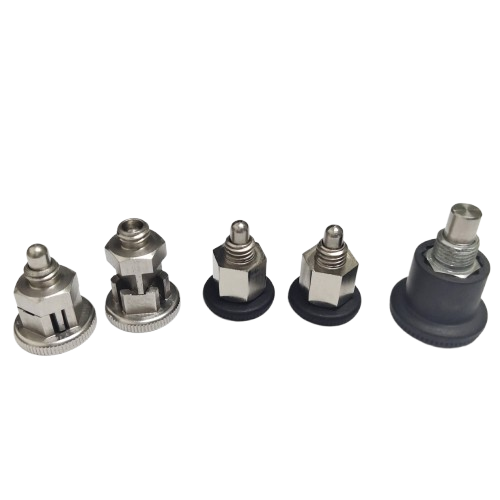
Explore the application of stainless steel materials for customizing mini indexing plungers based on specific operational environments and suitable spaces.
How To Make A Mini Indexing Plunger
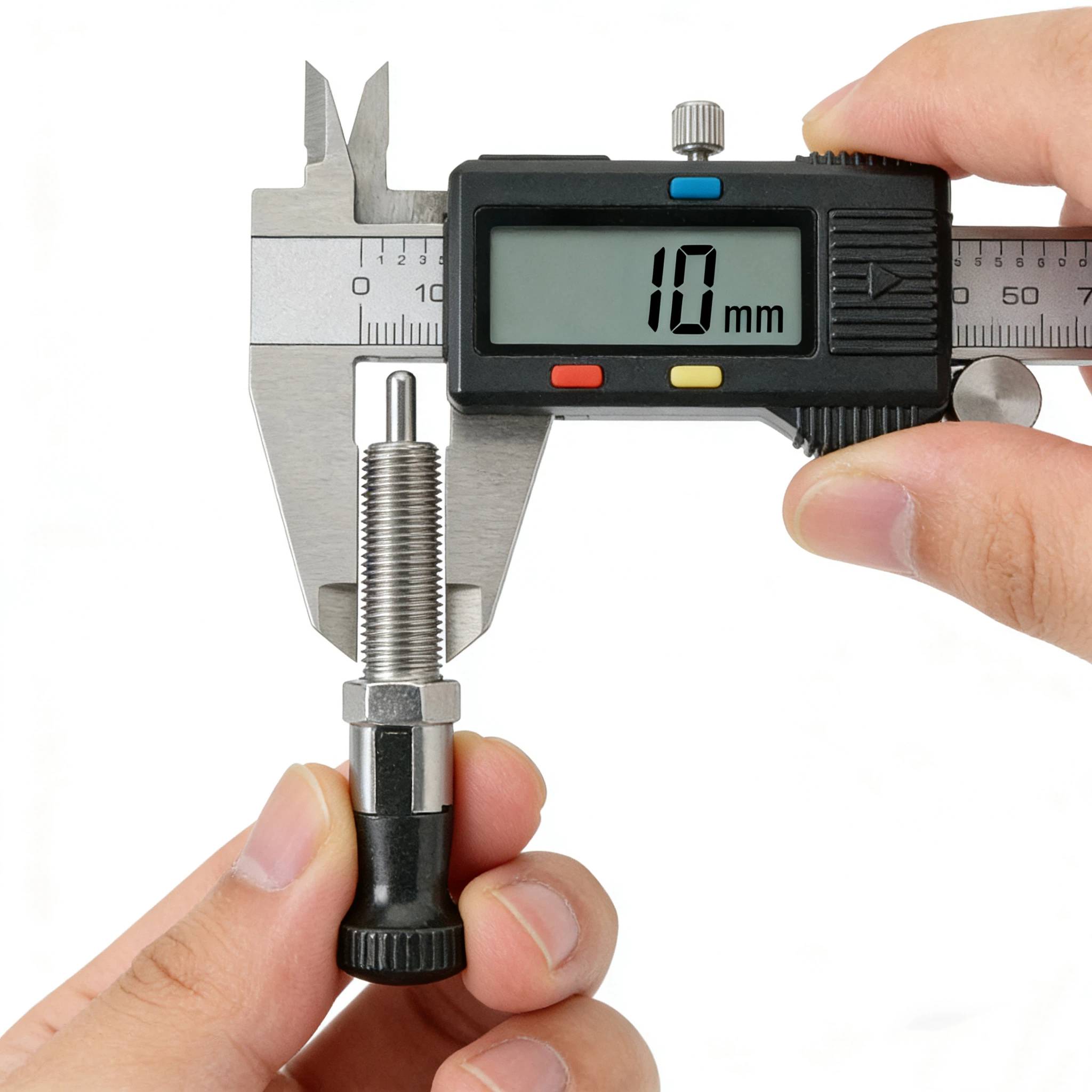
Discover how to choose correct size for indexing elements with confidence. Get precise recommendations that improve positioning accuracy, durability, and overall system performance.
How To Choose Correct Size For Indexing Elements