Difference Between SS 316 and 316L
author: Lucia Liu
2025-07-31
Difference Between SS 316 and 316L
In industries such as industrial manufacturing, construction engineering, marine equipment, and food processing, the selection of stainless steel materials directly impacts the product's service life and performance stability. The 316 series of stainless steel, renowned for its exceptional corrosion resistance and high-temperature tolerance, is widely adopted in various harsh environments. Among these, the “Difference Between SS 316 and 316L” is a critical technical consideration that procurement personnel and engineers must understand when selecting materials. This article will systematically analyze the differences between the two and provide a brief overview of the performance advantages of AISI 316L.

What is Stainless Steel 316?
Stainless Steel 316 is an austenitic stainless steel containing approximately 16%-18% chromium (Cr), 10%-14% nickel (Ni), and 2%-3% molybdenum (Mo). The addition of molybdenum gives it superior resistance to chloride corrosion compared to 304 stainless steel, making it particularly suitable for marine, chemical processing, and medical equipment applications. It has high tensile strength, excellent heat resistance, and can withstand strong mechanical stress.
Stainless Steel 316 is an austenitic stainless steel containing approximately 16%-18% chromium (Cr), 10%-14% nickel (Ni), and 2%-3% molybdenum (Mo). The addition of molybdenum gives it superior resistance to chloride corrosion compared to 304 stainless steel, making it particularly suitable for marine, chemical processing, and medical equipment applications. It has high tensile strength, excellent heat resistance, and can withstand strong mechanical stress.
Additionally, 316 stainless steel has good weldability and machinability, making it widely used in components such as pipes, bolts, fasteners, and pressure vessels.
What is Stainless Steel 316L?
The “L” in 316L stainless steel stands for “Low Carbon,” indicating a low-carbon version of 316 with a carbon content typically below 0.03%. This minor composition adjustment enhances 316L's resistance to intergranular corrosion after welding, particularly in high-temperature welding environments where carbon carbide precipitation is minimized, thereby extending the material's service life.
The “L” in 316L stainless steel stands for “Low Carbon,” indicating a low-carbon version of 316 with a carbon content typically below 0.03%. This minor composition adjustment enhances 316L's resistance to intergranular corrosion after welding, particularly in high-temperature welding environments where carbon carbide precipitation is minimized, thereby extending the material's service life.
AISI 316L is the designation for 316L stainless steel compliant with the American Society for Testing and Materials (ASTM) standards. It is commonly used in products requiring welding and long-term exposure to highly corrosive environments, such as storage tanks, piping systems, and medical devices. Explore the difference between SS 316 and 316L in strength, corrosion resistance, and use cases. Aisi 316l delivers premium weldable performance.
Performance Comparison Between SS 316 and 316L
1. The Actual Impact of Carbon Content
When discussing the difference between SS 316 and 316L, carbon content is the primary distinction. The carbon content of 316 can reach up to 0.08%, while 316L is typically controlled below 0.03%. Lower carbon content reduces the precipitation of chromium carbides during high-temperature welding, thereby preventing intergranular corrosion, which is critical for long-term stability.
1. The Actual Impact of Carbon Content
When discussing the difference between SS 316 and 316L, carbon content is the primary distinction. The carbon content of 316 can reach up to 0.08%, while 316L is typically controlled below 0.03%. Lower carbon content reduces the precipitation of chromium carbides during high-temperature welding, thereby preventing intergranular corrosion, which is critical for long-term stability.
2. Corrosion Resistance Comparison
Both grades perform similarly in most corrosion environments, but 316L offers advantages in the following scenarios:
Both grades perform similarly in most corrosion environments, but 316L offers advantages in the following scenarios:
- Structures with numerous welded joints
- Long-term exposure to chlorides (e.g., seawater, brine)
- Operating in high-temperature, high-humidity environments (e.g., chemical plants)
- Especially AISI 316L, which is often used to replace standard 316 in food-grade equipment and pharmaceutical machinery because it maintains corrosion resistance while also meeting higher surface cleanliness requirements.
Through the above analysis, readers should be able to clearly understand the core differences between SS 316 and 316L. Although the two have similar compositions, there are significant differences in practical applications, particularly in terms of weldability, corrosion resistance, and long-term durability. AISI 316L is more suitable for use in high-standard, harsh environments.
Selecting The Right Fasteners For Each Task
17-4PH Stainless Steel Ball Locking Pins
Related Article
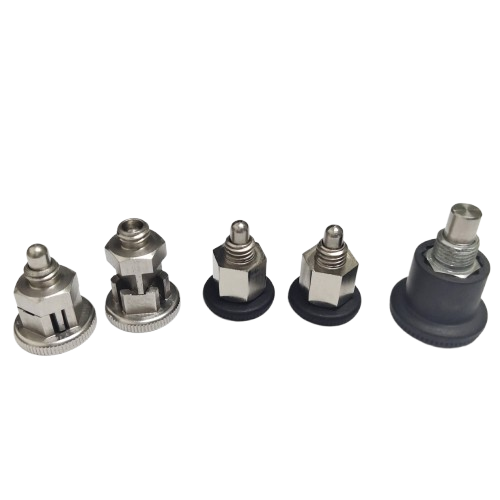
Explore the application of stainless steel materials for customizing mini indexing plungers based on specific operational environments and suitable spaces.
How To Make A Mini Indexing Plunger
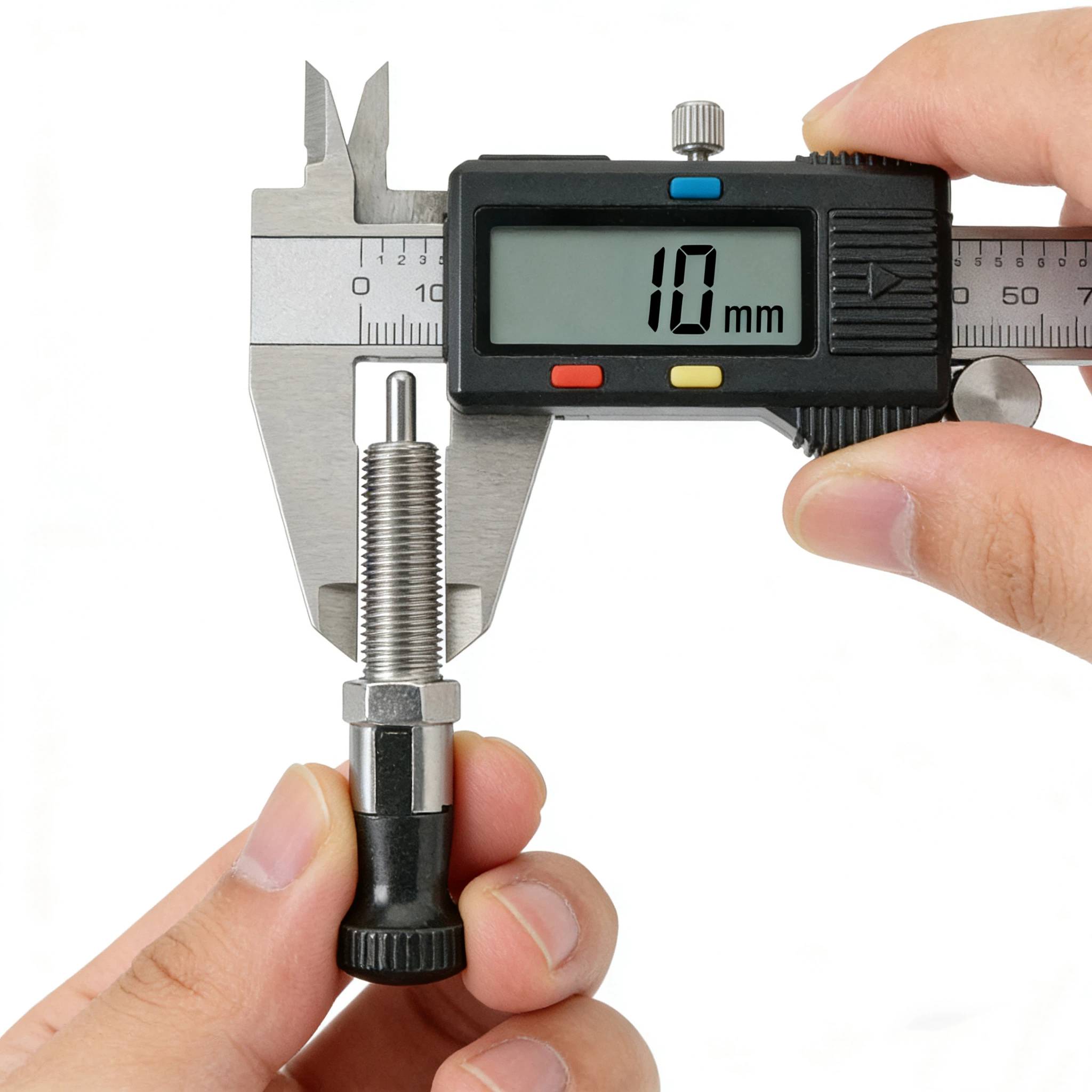
Discover how to choose correct size for indexing elements with confidence. Get precise recommendations that improve positioning accuracy, durability, and overall system performance.
How To Choose Correct Size For Indexing Elements